High-Fiber High-Protein Slow Cooker Recipes for Winter
Nourishing winter slow cooker meals combining fiber and protein for healthy eating.
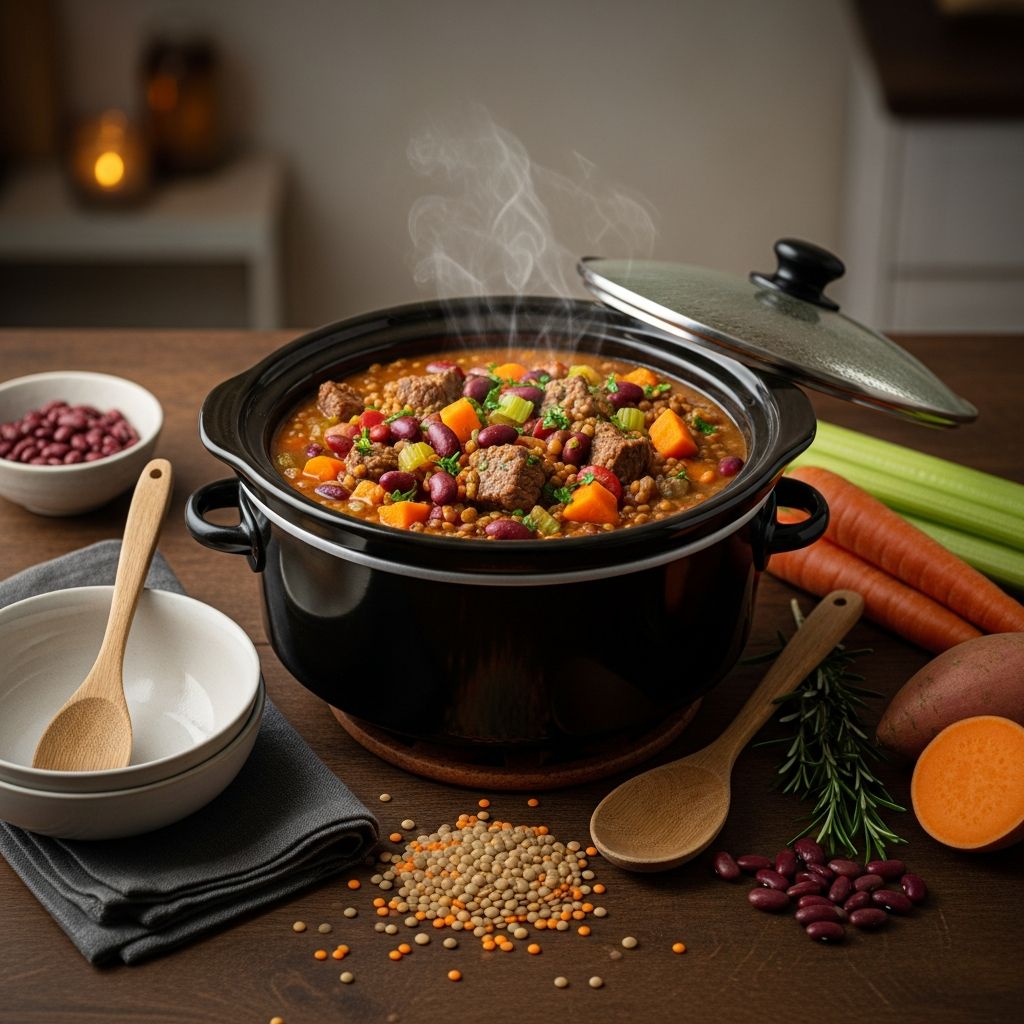
Winter is the perfect season for slow cooker cooking. As temperatures drop and schedules become busier with holiday activities, slow cookers offer a convenient way to prepare hearty, nourishing meals with minimal effort. When you combine the convenience of slow cooking with the nutritional benefits of high-fiber and high-protein ingredients, you create meals that satisfy both your taste buds and your body’s nutritional needs.
High-fiber foods support digestive health, help maintain stable blood sugar levels, and promote satiety, which can aid in weight management. Pairing these with protein-rich ingredients ensures you’re building and maintaining lean muscle mass while keeping hunger at bay throughout the day. This combination is particularly beneficial during winter months when we tend to crave comforting, hearty foods.
Why Choose High-Fiber High-Protein Slow Cooker Recipes?
Slow cooker meals have become increasingly popular for their convenience and ability to develop deep, complex flavors through low and slow cooking methods. When you focus on recipes that emphasize both fiber and protein, you’re making a conscious choice toward better health without sacrificing taste or satisfaction.
During winter, our bodies require more calories to maintain warmth and energy. However, the quality of those calories matters significantly. High-protein ingredients help preserve muscle mass during winter months when physical activity may decrease, while high-fiber components support metabolic health and digestive function. The slow cooker makes it easy to incorporate whole grains, legumes, and lean proteins into your weekly meal planning.
Benefits of High-Fiber Foods
- Promotes digestive health and regular bowel movements
- Helps maintain stable blood glucose levels
- Increases feelings of fullness and satiety
- Supports heart health by improving cholesterol levels
- Feeds beneficial gut bacteria for improved microbiome health
- Reduces inflammation throughout the body
Benefits of High-Protein Foods
- Builds and maintains lean muscle mass
- Supports immune function during cold and flu season
- Helps regulate appetite and reduce cravings
- Aids in bone health and density
- Supports wound healing and tissue repair
- Increases thermic effect of food, boosting metabolism
Essential Ingredients for High-Fiber High-Protein Slow Cooker Cooking
Creating successful high-fiber high-protein slow cooker meals starts with understanding which ingredients deliver both nutrients effectively. Having these staple ingredients on hand makes meal preparation easier and more satisfying.
Protein Sources
- Legumes: Beans, lentils, and chickpeas provide both protein and fiber, making them ideal for slow cooker meals
- Poultry: Chicken breast and turkey are lean protein options that cook beautifully in slow cookers
- Lean Beef and Pork: Choose cuts like sirloin tip roast or pork tenderloin for optimal nutrition
- Fish and Seafood: Add toward the end of cooking to prevent overcooking
- Eggs and Dairy: Greek yogurt and cottage cheese offer protein and can be added to finished dishes
Fiber-Rich Ingredients
- Whole Grains: Barley, farro, brown rice, and quinoa add texture and nutritional value
- Vegetables: Root vegetables like sweet potatoes, carrots, and parsnips; leafy greens like spinach and kale
- Legumes: Black beans, kidney beans, lentils, and split peas
- Seeds: Chia seeds and flaxseeds boost fiber content
- Nuts: Almonds and walnuts provide fiber along with healthy fats
Related Stories



Popular High-Fiber High-Protein Slow Cooker Recipes
Hearty Lentil and Turkey Chili
This warming winter chili combines ground turkey with red lentils, kidney beans, and diced tomatoes. The lentils break down slightly during cooking, creating a thick, satisfying texture while providing substantial fiber and protein. Add bell peppers, onions, and spices like chili powder and cumin for depth of flavor. This recipe yields approximately 15 grams of protein and 8 grams of fiber per serving.
Chicken and Barley Soup
A classic comfort soup that becomes even more nutritious when prepared in a slow cooker. Use chicken thighs for richer flavor, paired with pearl barley, which adds both fiber and a pleasant chewy texture. Include celery, carrots, onions, and fresh herbs like thyme and bay leaf. The long cooking time allows flavors to meld beautifully. Each serving provides approximately 20 grams of protein and 6 grams of fiber.
Black Bean and Sweet Potato Chili
A vegetarian-friendly option that doesn’t compromise on protein or satisfaction. Black beans provide substantial protein and fiber, while sweet potatoes add natural sweetness, beta-carotene, and additional fiber. Include diced tomatoes, jalapeños, and Mexican-inspired spices. Add a dollop of Greek yogurt before serving for extra protein. This recipe delivers approximately 12 grams of protein and 10 grams of fiber per serving.
Beef and Vegetable Stew with Whole Grain Pasta
A hearty stew featuring lean beef chuck, root vegetables, and pearl barley or whole grain pasta. The vegetables become tender and flavorful while contributing essential vitamins, minerals, and fiber. Using grass-fed beef provides additional nutritional benefits. This dish offers approximately 25 grams of protein and 7 grams of fiber per serving.
Lentil and Vegetable Bolognese
A plant-based twist on traditional Bolognese sauce that’s rich in both protein and fiber. Brown lentils, mushrooms, and carrots replace some or all of the meat, creating a texture-rich sauce with umami depth. Serve over whole grain pasta or zucchini noodles. Per serving, expect about 14 grams of protein and 9 grams of fiber.
Slow Cooker Cooking Tips for Optimal Results
Maximize Flavor Development
Browning proteins and sautéing aromatics before slow cooking enhances depth of flavor. While slow cookers can handle uncooked ingredients, this extra step takes your dishes from good to exceptional. Use an iron skillet or Dutch oven to brown ingredients, then transfer to your slow cooker along with any flavorful pan drippings.
Layer Your Ingredients Strategically
Place harder vegetables like root vegetables on the bottom of your slow cooker, as they take longer to cook. Layer proteins next, then softer vegetables and grains on top. This ensures everything finishes cooking at approximately the same time. Add delicate vegetables and fresh herbs in the final 30 minutes of cooking.
Don’t Overfill Your Slow Cooker
Fill your slow cooker between half and three-quarters full for optimal cooking. Overfilling prevents proper heat circulation and can lead to uneven cooking. Underfilling increases evaporation rates.
Adjust Liquid Levels
Slow cookers retain moisture effectively, so use less liquid than you would for stovetop cooking. Generally, reduce liquid by about one-quarter to one-third compared to traditional recipes. You can always add more broth or water if needed, but you cannot remove excess liquid easily.
Timing Considerations
High-fiber ingredients like beans and legumes require adequate cooking time to become tender. Plan for 6 to 8 hours on low setting or 3 to 4 hours on high setting for most slow cooker recipes with legumes. Delicate additions should be incorporated in the final hour of cooking.
Nutritional Benefits Summary
| Recipe Type | Protein Per Serving | Fiber Per Serving | Key Benefits |
|---|---|---|---|
| Lentil Turkey Chili | 15g | 8g | Lean protein, digestive health |
| Chicken Barley Soup | 20g | 6g | Muscle support, sustained energy |
| Black Bean Sweet Potato Chili | 12g | 10g | Plant-based, vegetarian-friendly |
| Beef Vegetable Stew | 25g | 7g | Iron-rich, satisfying and hearty |
| Lentil Bolognese | 14g | 9g | Plant-based protein, adaptable |
Meal Planning Strategies for Winter
Incorporate high-fiber high-protein slow cooker recipes into your winter meal planning by preparing multiple recipes at the beginning of each week. Most slow cooker recipes yield 6 to 8 servings, making them perfect for batch cooking and portioning into containers for easy reheating.
Pair your slow cooker meals with simple sides like steamed broccoli, roasted Brussels sprouts, or a fresh green salad to add additional vegetables and nutrients. Whole grain bread or brown rice makes an excellent complement to these nutritious, filling meals.
Storage and Make-Ahead Tips
- Refrigerator Storage: Most slow cooker recipes keep for 3 to 4 days when stored in airtight containers in the refrigerator
- Freezer Storage: Freeze portions in freezer-safe containers for up to 3 months, though soups and stews freeze best
- Prep Containers: Prepare ingredient containers the night before and refrigerate until ready to transfer to your slow cooker
- Thawing: Thaw frozen portions in the refrigerator overnight before reheating for food safety
- Reheating: Reheat in the microwave or on the stovetop over medium heat until warmed through
Frequently Asked Questions
Q: Can I prepare high-fiber recipes in a slow cooker without digestive discomfort?
A: Yes. Introduce high-fiber foods gradually into your diet, drinking plenty of water to help your digestive system adjust. Cooking beans thoroughly in slow cookers and removing the soaking liquid reduces compounds that cause digestive upset. Start with smaller portions and increase gradually over several weeks.
Q: How can I reduce sodium in slow cooker recipes?
A: Use low-sodium or no-sodium broths and stocks as your liquid base. Reduce added salt and rely on herbs, spices, and fresh ingredients for flavor. Add fresh lemon juice or vinegar at the end of cooking for brightness without additional sodium.
Q: Can I use frozen vegetables in slow cooker recipes?
A: Yes, frozen vegetables work well in slow cookers. Add them directly from the freezer, though they may release additional liquid during cooking. Some home cooks prefer adding frozen vegetables during the final hour to maintain better texture.
Q: What slow cooker size is best for these recipes?
A: A 6 to 7-quart slow cooker works well for recipes yielding 6 to 8 servings. For smaller households, a 4 to 5-quart model is appropriate. Ensure your slow cooker is between half and three-quarters full for optimal cooking results.
Q: How do I know when slow cooker recipes are done cooking?
A: Proteins should be tender and easily pulled apart with a fork. Beans and legumes should be completely soft with no hard centers. Vegetables should be fork-tender. Cooking times vary based on slow cooker model and ingredient size, so check with 30 minutes remaining in the cooking time.
Q: Can I double high-fiber recipes in a slow cooker?
A: Yes, you can double recipes as long as your slow cooker accommodates the volume. Increase cooking time slightly, approximately 30 minutes to 1 hour longer, since it takes additional time for the larger volume to reach proper temperature throughout.
References
- Dietary Guidelines for Americans 2020-2025 — U.S. Department of Agriculture and U.S. Department of Health and Human Services. January 2021. https://www.dietaryguidelines.gov
- Fiber Intake and Cardiovascular Health: A Systematic Review and Meta-Analysis — American Journal of Clinical Nutrition, published research. https://pubmed.ncbi.nlm.nih.gov
- High-Protein Diets for Weight Loss and Metabolic Health — Academy of Nutrition and Dietetics. 2024. https://www.eatright.org
- Legumes: Nutritional Composition and Health Benefits — Food Science and Nutrition Journal, peer-reviewed research. https://www.ncbi.nlm.nih.gov/pmc/articles
- Slow Cooking Food Safety Guidelines — U.S. Food and Drug Administration. December 2023. https://www.fda.gov
Similar Articles








Read full bio of Sneha Tete