High-Fiber Low-Carb Foods: 12 Best Choices For Satiety
Boost your fiber intake without spiking carbs: Discover 12 nutrient-packed foods for better digestion, blood sugar control, and heart health.
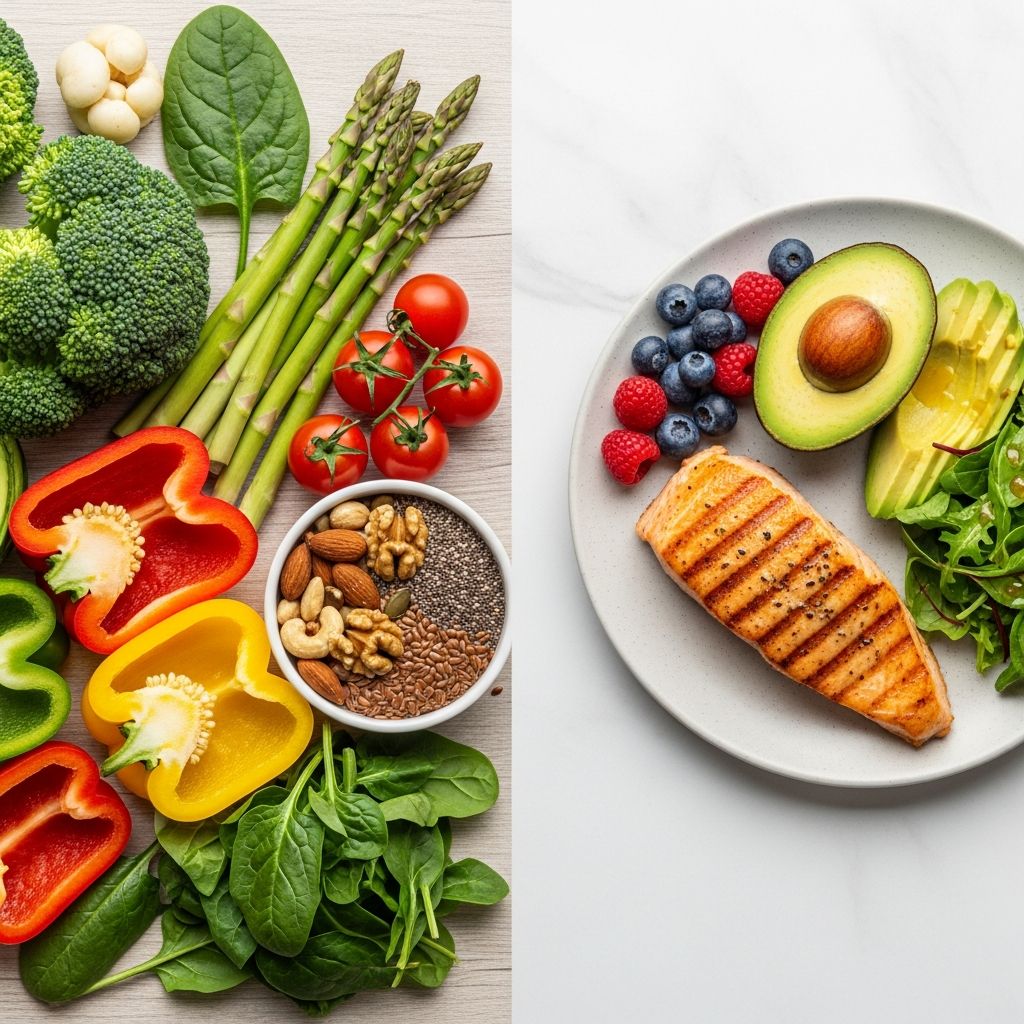
High-fiber, low-carb foods offer a powerful combination for health-conscious eaters. These nutrient-dense options help maintain steady blood sugar levels, promote satiety, and support digestive health without the carb load of grains or starchy vegetables. Ideal for keto, low-carb, or diabetes-friendly diets, they provide essential fiber for gut microbiome balance and cardiovascular benefits.
Dietary fiber, indigestible plant components, comes in soluble (forms gel in water, aids cholesterol and blood sugar) and insoluble (adds bulk to stool, prevents constipation) forms. Adults need 25-38 grams daily, yet average intake is just 15-16 grams, per USDA data. Low-carb diets often lack fiber, risking constipation and nutrient gaps—enter these 12 foods delivering 5+ grams fiber per serving under 10 net carbs.
Benefits of High-Fiber, Low-Carb Foods
Incorporating high-fiber low-carb foods addresses common diet pitfalls. They enhance fullness via slower digestion, curbing overeating and aiding weight loss. Soluble fiber binds cholesterol in the gut, reducing LDL levels and heart disease risk. For blood sugar, fiber slows glucose absorption, minimizing spikes—crucial for diabetes management.
Gut health thrives as fiber feeds beneficial bacteria, producing short-chain fatty acids that reduce inflammation and strengthen the gut barrier. A 2023 WHO guideline recommends at least 25g fiber daily for optimal health. Studies show higher-fiber diets improve cardiometabolic markers in diabetes patients, lowering HbA1c by 0.50%, fasting insulin, total cholesterol, and LDL vs. low-fiber low-carb approaches.
12 High-Fiber, Low-Carb Foods
These foods pack fiber punch with minimal net carbs (total carbs minus fiber). Prioritize whole, unprocessed forms for maximum benefits.
1. Avocado
One medium avocado (150g) delivers 10g fiber and 2g net carbs. Rich in monounsaturated fats, potassium (more than bananas), and vitamins K, C, E, B5, B6. Supports heart health by lowering bad cholesterol and stabilizing blood sugar. Creamy texture perfect for salads, smoothies, or guacamole.
- Net carbs: 2g per medium fruit
- Fiber: 10g (mostly soluble)
- Calories: 240
- Recipe idea: Avocado egg boats—halve, remove pit, crack egg in, bake at 425°F for 15 mins.
2. Raspberries
One cup (123g) offers 8g fiber, 7g net carbs. Loaded with antioxidants like anthocyanins fighting oxidative stress, plus vitamin C for immunity. Low glycemic index prevents sugar crashes. Enjoy fresh, in yogurt, or blended into chia pudding.
- Net carbs: 7g per cup
- Fiber: 8g
- Calories: 64
- Tip: Freeze for low-carb smoothies.
3. Blackberries
One cup (144g) provides 8g fiber, 7g net carbs. High in vitamin K for bone health, manganese for metabolism. Polyphenols support brain health and reduce inflammation. Versatile for salads or as a low-sugar dessert topping.
- Net carbs: 7g per cup
- Fiber: 8g
- Calories: 62
4. Chia Seeds
One ounce (28g) boasts 10g fiber, 2g net carbs. Omega-3s (ALA) benefit heart and brain; gel-like texture when soaked aids hydration. Complete protein source with all essential amino acids. Mix into overnight oats or use as egg substitute.
- Net carbs: 2g per oz
- Fiber: 10g (soluble)
- Calories: 138
- How-to: 1 tbsp chia + 3 tbsp water = 1 ‘egg’ for baking.
Related Stories



5. Flaxseeds
One ounce (28g) yields 8g fiber, 0g net carbs. Lignans act as phytoestrogens balancing hormones; omega-3s reduce inflammation. Grind for better absorption. Sprinkle on salads or blend into smoothies.
- Net carbs: 0g per oz
- Fiber: 8g
- Calories: 150
6. Brussels Sprouts
One cup cooked (156g) has 6g fiber, 5g net carbs. Sulforaphane detoxifies carcinogens; vitamin K and C boost immunity. Roasting caramelizes natural sugars for flavor. Pairs well with bacon or parmesan.
- Net carbs: 5g per cup
- Fiber: 6g
- Calories: 60
7. Broccoli
One cup chopped (91g) supplies 5g fiber, 4g net carbs. Glucosinolates fight cancer; high vitamin C (135% DV). Steam, roast, or raw in salads. Versatile veggie for any meal.
- Net carbs: 4g per cup
- Fiber: 5g
- Calories: 55
8. Cauliflower
One cup (107g) offers 5g fiber, 3g net carbs. Vitamin C, K, folate; low-cal rice/pizza crust substitute. Mash or rice for carb swaps.
- Net carbs: 3g per cup
- Fiber: 5g
- Calories: 27
9. Kale
One cup chopped (67g) delivers 6g fiber, 2g net carbs. Vitamins A, C, K; antioxidants like quercetin. Massage for salads or bake chips.
- Net carbs: 2g per cup
- Fiber: 6g
- Calories: 33
10. Spinach
One cup cooked (180g) packs 7g fiber, 1g net carbs. Iron, folate, magnesium for energy. Sauté or add to smoothies.
- Net carbs: 1g per cup
- Fiber: 7g
- Calories: 41
11. Almonds
One ounce (28g) has 4g fiber, 3g net carbs. Vitamin E, magnesium; healthy fats promote fullness. Snack raw or make flour.
- Net carbs: 3g per oz
- Fiber: 4g
- Calories: 164
12. Coconut (Unsweetened Shredded)
One ounce (28g) provides 5g fiber, 2g net carbs. MCTs for quick energy; manganese for bone health. Use in baking or curries.
- Net carbs: 2g per oz
- Fiber: 5g
- Calories: 185
How to Incorporate High-Fiber Low-Carb Foods
Aim for 25-30g fiber daily, increasing gradually to avoid bloating. Drink plenty of water—fiber absorbs it. Sample day:
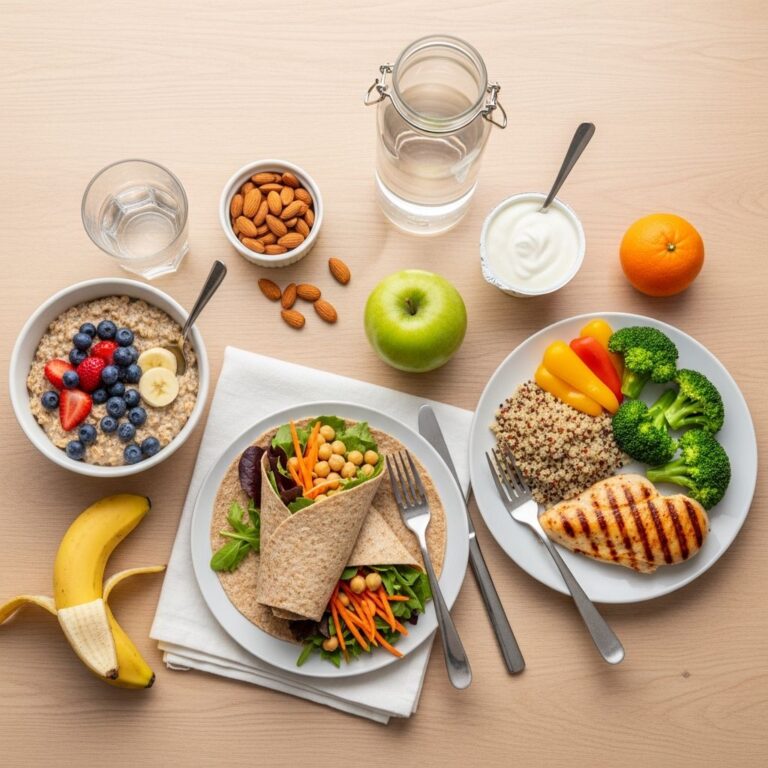
- Breakfast: Chia pudding with raspberries, almonds
- Lunch: Kale salad with avocado, broccoli, olive oil dressing
- Dinner: Cauliflower rice stir-fry with Brussels sprouts, flaxseeds
- Snack: Blackberries and coconut flakes
Track via apps like MyFitnessPal. Combine with protein/fats for balanced meals.
High-Fiber, Low-Carb Foods Nutrition Comparison
| Food | Serving Size | Fiber (g) | Net Carbs (g) | Calories |
|---|---|---|---|---|
| Avocado | 1 medium | 10 | 2 | 240 |
| Raspberries | 1 cup | 8 | 7 | 64 |
| Chia Seeds | 1 oz | 10 | 2 | 138 |
| Broccoli | 1 cup | 5 | 4 | 55 |
| Spinach (cooked) | 1 cup | 7 | 1 | 41 |
Frequently Asked Questions (FAQs)
What are high-fiber low-carb foods?
Foods with 5g+ fiber per serving and under 10g net carbs, like avocados and chia seeds, supporting digestion without carb overload.
Why choose high-fiber low-carb over high-carb high-fiber?
Low-carb aids ketosis/weight loss; studies show high-fiber (even with moderate carbs) beats low-fiber low-carb for HbA1c and cholesterol reduction in diabetes.
Can these foods help with weight loss?
Yes, fiber promotes satiety; whole grain/legume-focused high-fiber diets reduced body weight vs. other approaches.
Are there side effects from sudden fiber increase?
Gas/bloating possible—start slow, hydrate well.
How much fiber daily on low-carb diet?
25g women, 38g men; these foods make it achievable.
References
- Higher fiber higher carbohydrate diets better than lower carbohydrate lower fiber diets for cardiometabolic risk factors in type 1 and type 2 diabetes — Reynolds AN, et al. NIH/PMC. 2024. https://pmc.ncbi.nlm.nih.gov/articles/PMC11611436/
- Dietary Guidelines for Americans, 2020-2025 — USDA. 2020-09-01. https://www.dietaryguidelines.gov/
- Dietary fibre — World Health Organization (WHO). 2023.


Read full bio of medha deb