High-Fiber, Low-Carb Recipes: 5 Easy Nutrient-Packed Dishes
Delicious recipes that deliver high fiber and low carbs for better health and satisfaction.
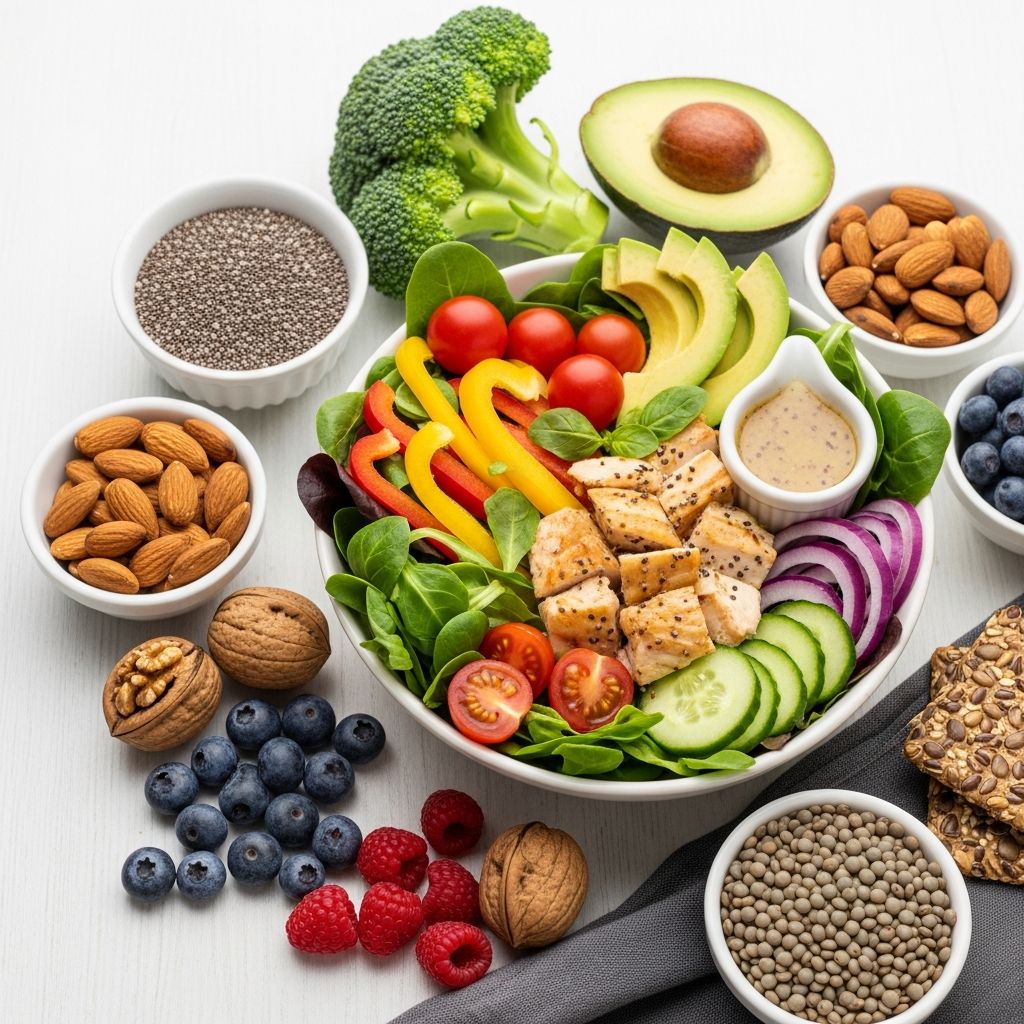
Combining high-fiber foods with low-carb eating offers a powerful approach to health, supporting digestion, blood sugar control, weight management, and heart health without sacrificing flavor. These recipes prioritize nutrient-dense ingredients like vegetables, nuts, seeds, and berries that provide ample fiber while keeping net carbs low.
What Is a High-Fiber, Low-Carb Diet?
A high-fiber, low-carb diet emphasizes foods rich in dietary fiber—both soluble and insoluble—while limiting total carbohydrates to typically under 100-150 grams per day, focusing on net carbs (total carbs minus fiber). Fiber is a type of carbohydrate that the body doesn’t fully digest, making it ideal for low-carb plans as it doesn’t spike blood sugar. This approach helps you reap fiber’s benefits, such as improved gut health and satiety, without excess carbs that could lead to weight gain or blood sugar issues.
Health authorities like the Mayo Clinic note that high-fiber diets increase stool bulk, easing constipation and reducing risks of hemorrhoids, diverticulitis, and colorectal cancer. Soluble fiber from sources like flaxseeds lowers LDL cholesterol and stabilizes blood sugar, crucial for diabetes management.
Health Benefits of High-Fiber, Low-Carb Eating
Research-backed benefits make this diet appealing for various goals. Here’s a breakdown:
- Digestive Health: Fiber softens and bulks stool, preventing constipation and promoting regular bowel movements. It feeds gut bacteria, reducing inflammation and colon disease risk.
- Blood Sugar Control: Soluble fiber slows sugar absorption, preventing spikes—especially helpful for type 2 diabetes or prediabetes. The CDC highlights fiber’s role in steady glucose levels.
- Heart Health: Soluble fiber binds cholesterol, lowering LDL and triglycerides while raising HDL. Low-carb elements further reduce blood pressure and inflammation.
- Weight Management: High-fiber foods are filling and less calorie-dense, curbing overeating. Low-carb diets promote fat burning by lowering insulin.
- Reduced Disease Risk: Linked to lower diabetes, heart disease, and some cancers.
Studies, including those from Harvard’s Nutrition Source, show low-carb diets often outperform low-fat ones for short-term weight loss and triglyceride reduction.
Top High-Fiber, Low-Carb Foods
Focus on these low-net-carb powerhouses to build meals. Net carbs = total carbs – fiber.
| Food | Serving Size | Fiber (g) | Total Carbs (g) | Net Carbs (g) |
|---|---|---|---|---|
| Avocado | 1 medium | 13 | 17 | 4 |
| Broccoli (cooked) | 1 cup | 5 | 12 | 7 |
| Brussels Sprouts (cooked) | 1 cup | 4 | 11 | 7 |
| Blackberries | 1 cup | 8 | 14 | 6 |
| Flaxseeds | 2 tbsp | 6 | 8 | 2 |
| Walnuts | 1 oz (¼ cup) | 2 | 4 | 2 |
| Spinach | 2 cups raw | 2 | 2 | 0 |
| Chia Seeds | 2 tbsp | 10 | 12 | 2 |
Data adapted from sources like GoodRx and USDA via Mayo Clinic. These foods pack vitamins (e.g., broccoli’s vitamin C) and antioxidants too.
Sample High-Fiber, Low-Carb Meal Plan
A one-day plan (~25-30g net carbs, 30g+ fiber) shows how to incorporate these foods.
Breakfast: Chia Avocado Pudding (Net carbs: 5g, Fiber: 15g)
Mix 2 tbsp chia seeds with ½ cup unsweetened almond milk, top with ½ avocado and blackberries. Chill overnight. Provides omega-3s and sustained energy.
Lunch: Broccoli & Walnut Salad (Net carbs: 8g, Fiber: 10g)
Steam 2 cups broccoli, toss with 1 oz walnuts, spinach, olive oil, and lemon. Add grilled chicken for protein. Heart-healthy and filling.
Dinner: Brussels Sprouts Stir-Fry (Net carbs: 10g, Fiber: 8g)
Sauté 1 cup Brussels sprouts, spinach, flaxseeds, and shrimp in coconut oil. Season with herbs. Supports gut health and low insulin response.
Snack: Flaxseed Crackers with Veggies (Net carbs: 4g, Fiber: 6g)
Related Stories



Bake ground flaxseeds into crackers; dip in broccoli or celery. Easy and portable.
Total: ~27g net carbs, 39g fiber. Adjust portions for needs; aim for 25-38g fiber daily per Mayo Clinic.
Easy High-Fiber, Low-Carb Recipes
1. Roasted Broccoli with Flax
Prep: 10 min, Cook: 20 min, Serves: 4
- 4 cups broccoli florets
- 2 tbsp flaxseeds
- 2 tbsp olive oil
- Salt, pepper, garlic powder
Toss broccoli with oil and seasonings, sprinkle flaxseeds, roast at 425°F for 20 min. Crispy, vitamin C-packed side (7g net carbs/serving).
2. Blackberry Chia Smoothie
Prep: 5 min, Serves: 1
- 1 cup blackberries
- 2 tbsp chia seeds
- 1 cup spinach
- ½ avocado
- 1 cup almond milk
Blend until smooth. Fiber-rich breakfast alternative (6g net carbs).
3. Brussels Sprouts & Walnut Skillet
Prep: 15 min, Cook: 15 min, Serves: 2
- 2 cups Brussels sprouts, halved
- ½ cup walnuts
- 1 tbsp butter
- Lemon zest
Sauté sprouts in butter until tender, add walnuts, finish with lemon. Brain-boosting and low-carb (8g net carbs/serving).
4. Avocado Stuffed with Tuna
Prep: 10 min, Serves: 1
- 1 avocado, halved
- 1 can tuna, drained
- Chopped celery, spinach
- Mustard dressing
Mix tuna with veggies and dressing; stuff avocado. Quick lunch (4g net carbs).
5. Flaxseed Muffins (Low-Carb Base)
Prep: 10 min, Bake: 20 min, Makes: 6
- 1 cup ground flaxseeds
- 2 eggs
- ¼ cup almond flour
- Baking powder, sweetener, vanilla
Mix, bake at 350°F. Fiber bombs for snacks (3g net carbs each).
Tips for Success on a High-Fiber, Low-Carb Diet
- Increase Gradually: Add fiber slowly to avoid bloating; drink plenty of water.
- Choose Whole Foods: Prioritize veggies over processed low-carb products.
- Track Net Carbs: Use apps to monitor; focus on fiber-rich picks.
- Pair with Protein/Fat: Eggs, fish, nuts enhance satiety.
- Variety Matters: Rotate foods for nutrients; include fermented options for gut health.
Consult a doctor before major changes, especially with diabetes or GI issues.
Frequently Asked Questions
What are the best high-fiber, low-carb foods?
Avocados, broccoli, Brussels sprouts, blackberries, flaxseeds, walnuts, and leafy greens top the list for high fiber and low net carbs.
Can a high-fiber, low-carb diet help with weight loss?
Yes, it promotes fullness, stabilizes blood sugar, and lowers insulin for fat burning, often leading to better short-term results than low-fat diets.
Is this diet good for diabetes?
Absolutely; fiber slows sugar absorption, and low carbs prevent spikes, aiding management per CDC and Mayo Clinic.
How much fiber do I need daily?
Women: 25g, Men: 38g. Most get less; aim via whole foods.
Are there risks to low-carb diets?
Short-term: possible fatigue or constipation if fiber is low. Long-term: ensure nutrient balance; studies show benefits outweigh for many.
References
- Dietary fiber: Essential for a healthy diet — Mayo Clinic. 2023-10-15. https://www.mayoclinic.org/healthy-lifestyle/nutrition-and-healthy-eating/in-depth/fiber/art-20043983
- Fiber: The Carb That Helps You Manage Diabetes — Centers for Disease Control and Prevention (CDC). 2024-05-20. https://www.cdc.gov/diabetes/healthy-eating/fiber-helps-diabetes.html
- 10 Foods High in Fiber and Low in Carbs — GoodRx Health. 2024-08-12. https://www.goodrx.com/well-being/diet-nutrition/foods-high-in-fiber-low-carb
- Low-Carb, High-Protein Diets: Risks (Ketosis) and Benefits — WebMD. 2023-11-05. https://www.webmd.com/diet/high-protein-low-carbohydrate-diets
- Low-Carbohydrate Diets — Harvard T.H. Chan School of Public Health. 2024-02-28. https://nutritionsource.hsph.harvard.edu/carbohydrates/low-carbohydrate-diets/
- Benefits of Low Carbohydrate Diets: a Settled Question or Still Controversial? — National Institutes of Health (PMC). 2022-10-18. https://pmc.ncbi.nlm.nih.gov/articles/PMC9621749/
- Low-carb diet: Can it help you lose weight? — Mayo Clinic. 2024-01-10. https://www.mayoclinic.org/healthy-lifestyle/weight-loss/in-depth/low-carb-diet/art-20045831
Similar Articles








Read full bio of Sneha Tete