High-Protein Anti-Inflammatory Lunches: 30 Quick Recipes
Discover 30 delicious high-protein lunches that fight inflammation and boost your health with nutrient-packed ingredients.
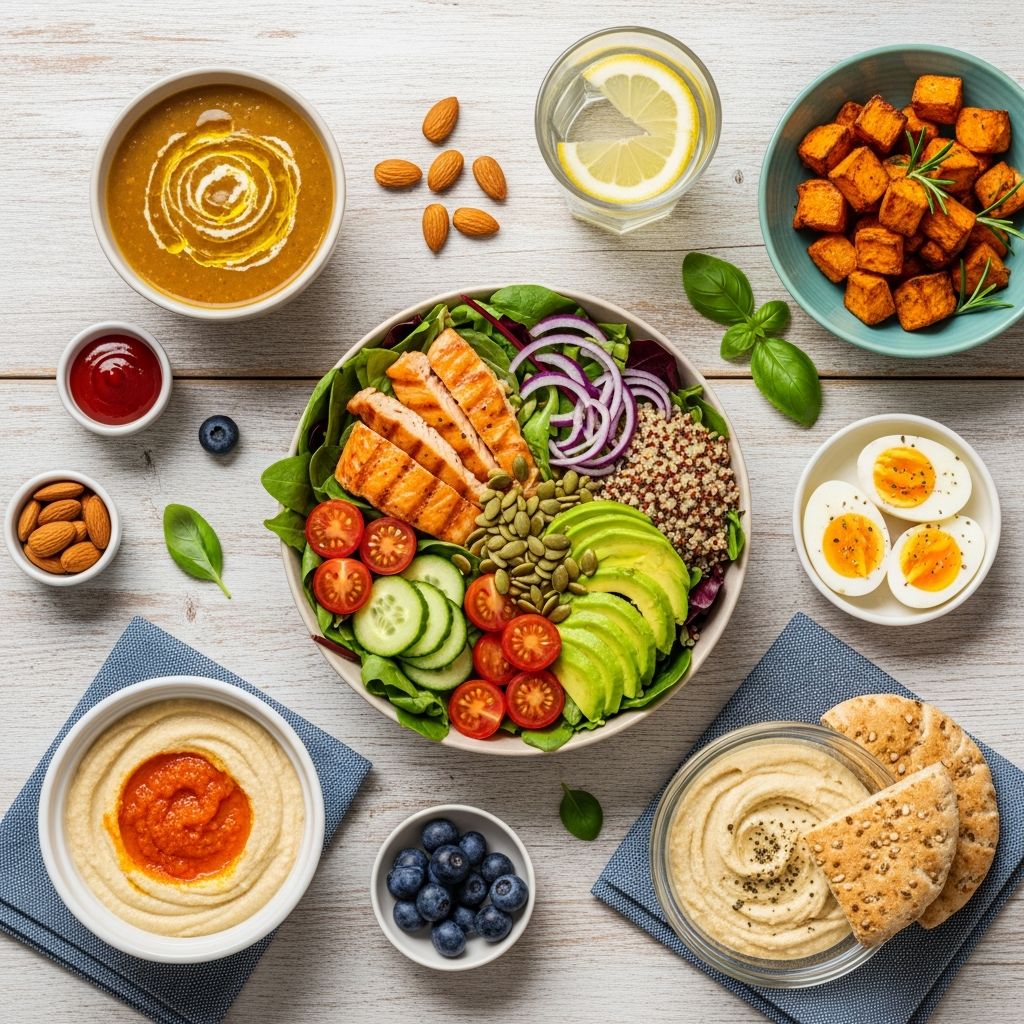
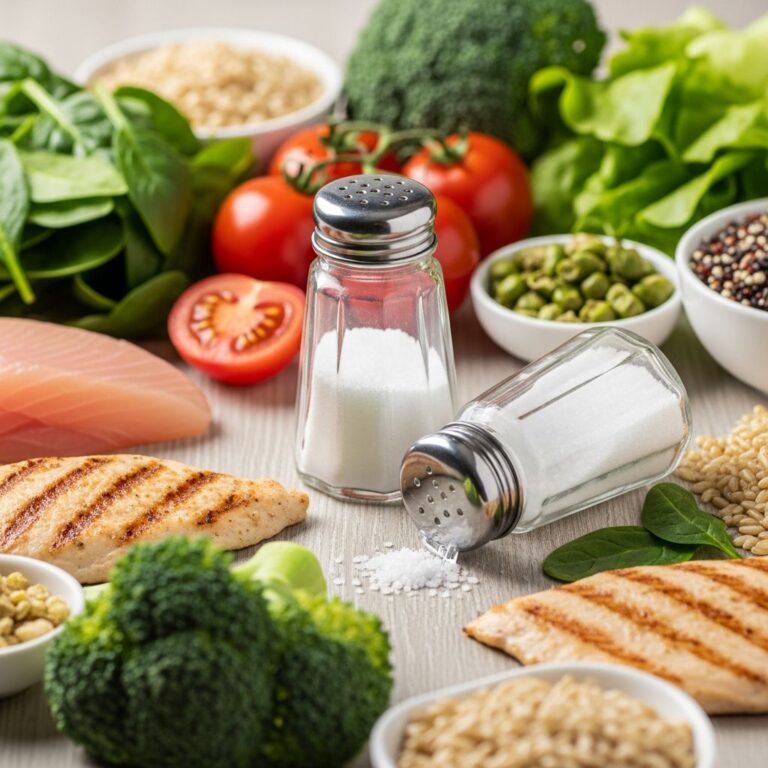
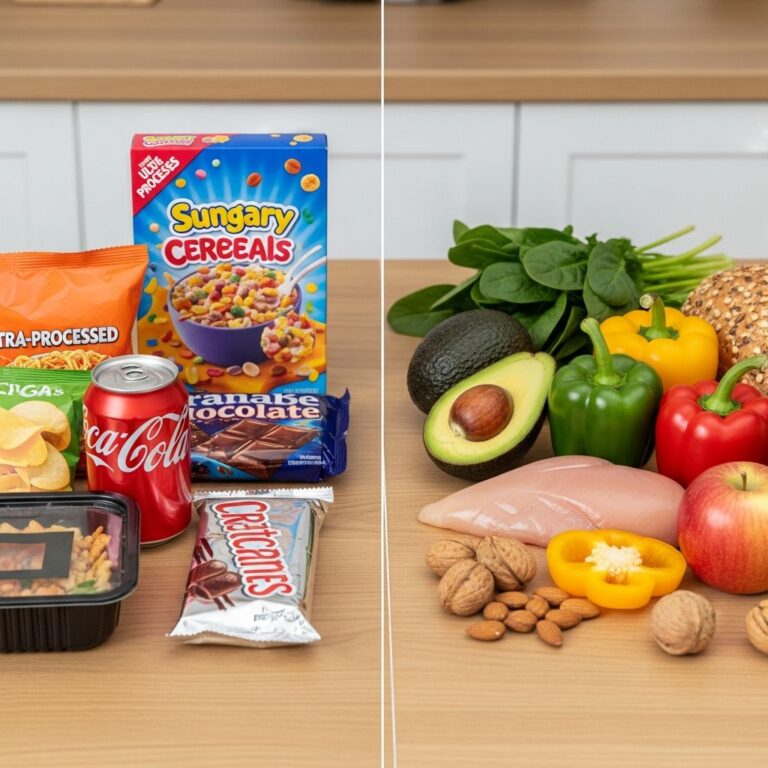
Anti-inflammatory diets emphasize foods rich in omega-3 fatty acids, antioxidants, fiber, and lean proteins while minimizing processed sugars, refined carbs, and trans fats. High-protein lunches help maintain satiety, stabilize blood sugar, and support muscle repair. These 30 recipes combine both principles, featuring ingredients like fatty fish, legumes, nuts, seeds, leafy greens, and berries for optimal health benefits.
Why Choose High-Protein Anti-Inflammatory Lunches?
Chronic inflammation links to conditions like heart disease, arthritis, and diabetes. According to the Harvard T.H. Chan School of Public Health, diets high in anti-inflammatory foods can lower inflammatory markers like C-reactive protein. Adding protein ensures fullness; a lunch with 20-30g protein curbs afternoon snacks. These meals are quick to prepare, meal-prep friendly, and customizable for various diets.
Key Ingredients for Anti-Inflammatory Power
- Fatty Fish: Salmon and tuna provide omega-3s that combat inflammation.
- Legumes: Chickpeas and lentils offer plant-based protein and fiber for gut health.
- Whole Grains: Quinoa and farro deliver sustained energy without spiking blood sugar.
- Vegetables: Broccoli, spinach, and tomatoes are loaded with antioxidants.
- Healthy Fats: Avocado, olive oil, and nuts support heart health.
- Spices: Turmeric and ginger add curcumin and gingerol for natural anti-inflammatory effects.
30 High-Protein Anti-Inflammatory Lunch Recipes
Each recipe serves 1-2, provides 25-40g protein, and takes under 30 minutes. Nutritional info is approximate per serving.
1. Salmon-Quinoa Bowl with Broccoli
Bake 4oz salmon with turmeric; pair with ½ cup cooked quinoa, steamed broccoli, and tahini drizzle. Protein: 32g. Omega-3s from salmon reduce joint inflammation.
2. Chickpea Tuna Salad Lettuce Wraps
Mix canned tuna, mashed chickpeas, celery, Greek yogurt, and lemon. Wrap in romaine. Protein: 28g. Fiber aids digestion.
3. Turkey & Avocado Farro Salad
Toss 4oz turkey breast, ½ cup farro, avocado, cherry tomatoes, and olive oil vinaigrette. Protein: 30g.
4. Lentil Soup with Spinach & Eggs
Simmer lentils with garlic, spinach; top with poached egg. Protein: 26g. Eggs provide complete protein.
5. Greek Yogurt Veggie Parfait
Layer 1 cup Greek yogurt, cucumber, berries, walnuts, and chia seeds. Protein: 25g. Probiotics support gut microbiome.
6. Grilled Chicken Kale Salad
4oz chicken over kale, quinoa, feta, olives, lemon-tahini dressing. Protein: 35g.
7. Black Bean & Sweet Potato Bowl
Roast sweet potato, add black beans, avocado, salsa. Protein: 22g (vegan).
8. Shrimp Stir-Fry with Brown Rice
Sauté shrimp, bell peppers, broccoli, ginger over brown rice. Protein: 29g.
9. Egg Salad Stuffed Peppers
Hard-boiled eggs mixed with mustard, mixed into bell peppers with spinach. Protein: 24g.
10. Tofu Turmeric Curry Wrap
Coconut-turmeric tofu curry in whole-grain wrap with greens. Protein: 27g (vegan).
11. Sardine & White Bean Salad
Canned sardines, white beans, arugula, red onion, balsamic. Protein: 31g.
12. Quinoa Chicken Buddha Bowl
Chicken, quinoa, roasted veggies, hummus. Protein: 33g.
Related Stories



13. Tempeh Berry Power Salad
Grilled tempeh, mixed berries, spinach, almonds. Protein: 25g (vegan).
14. Cottage Cheese & Tomato Toast
Whole-grain toast with cottage cheese, tomatoes, basil, olive oil. Protein: 28g.
15. Salmon Sushi Bowl
Cooked salmon, brown rice, cucumber, avocado, nori. Protein: 30g.
16. Edamame Hummus Veggie Plate
Edamame hummus with carrots, celery, pita. Protein: 24g (vegan).
17. Beef & Broccoli Stir-Fry
Lean beef, broccoli, garlic over cauliflower rice. Protein: 32g.
18. Hemp Seed Yogurt Bowl
Greek yogurt, hemp seeds, kiwi, cinnamon. Protein: 26g.
19. Chickpea ‘Tuna’ Salad
Mashed chickpeas mimicking tuna, with celery, pickles, vegan mayo. Protein: 23g (vegan).
20. Pork Tenderloin Slaw Wrap
Sliced pork, cabbage slaw, apple in tortilla. Protein: 29g.
21. Mackerel Salad with Greens
Canned mackerel, mixed greens, quinoa, lemon. Protein: 31g.
22. Seitan Stir-Fry
Seitan, snap peas, carrots, tamari. Protein: 28g (vegan).
23. Egg & Avocado Toast
Poached eggs on toast with avocado, chili flakes. Protein: 25g.
24. Whitefish Taco Bowl
Baked whitefish, cabbage, mango salsa, lime. Protein: 30g.
25. Lentil Walnut Patties
Baked lentil-walnut patties with yogurt sauce, salad. Protein: 27g (vegan).
26. Chicken Satay Salad
Grilled chicken skewers, peanut sauce, cucumber salad. Protein: 34g.
27. Pea Protein Smoothie Bowl
Pea protein smoothie with spinach, banana, toppings. Protein: 25g (vegan).
28. Anchovy Caesar Wrap
Romaine, anchovies, parmesan, chicken in wrap. Protein: 32g.
29. Buffalo Chickpea Bowl
Roasted chickpeas in buffalo sauce, celery, yogurt ranch. Protein: 24g (vegan).
30. Trout & Asparagus Sheet Pan
Baked trout with asparagus, lemon, herbs. Protein: 33g.
Meal Prep Tips for Success
- Batch-cook grains and proteins on Sunday.
- Portion into containers with compartments for variety.
- Freeze soups and bowls; thaw overnight.
- Add fresh herbs and dressings day-of for crunch.
Nutrition Comparison Table
| Recipe Type | Avg Protein (g) | Key Anti-Inflammatory Benefit |
|---|---|---|
| Fish-Based | 31 | Omega-3s |
| Legume-Based | 25 | Fiber for gut health |
| Poultry-Based | 32 | Lean protein |
| Egg/Dairy | 26 | Probiotics |
Health Benefits Backed by Science
Omega-3s from fish lower inflammation per NIH studies. Legumes improve gut microbiota, reducing systemic inflammation. These lunches promote weight management and energy stability.
Frequently Asked Questions
What makes a lunch anti-inflammatory?
It includes omega-3s, antioxidants, fiber-rich foods, and avoids sugar/processed items to lower inflammatory markers.
Can these recipes be made vegan?
Yes, 12 are vegan; swap animal proteins with tofu, tempeh, or legumes in others.
How much protein do I need at lunch?
20-35g is ideal for satiety and muscle support, especially if active.
Are these good for meal prep?
Absolutely—most hold well for 4-5 days refrigerated.
Do they help with bloating?
Fiber and probiotics from yogurt/legumes support digestion and reduce bloating.
References
- Dietary Guidelines for Americans, 2020-2025 — U.S. Department of Agriculture and HHS. 2020-12-01. https://www.dietaryguidelines.gov/sites/default/files/2020-12/Dietary_Guidelines_for_Americans_2020-2025.pdf
- Anti-inflammatory Diet — Harvard T.H. Chan School of Public Health. 2023-05-15. https://www.hsph.harvard.edu/nutritionsource/anti-inflammatory-diet/
- Omega-3 Fatty Acids and Inflammatory Processes — National Institutes of Health (PubMed). 2010-03-01. https://pubmed.ncbi.nlm.nih.gov/12442909/
- Legumes and Human Health — World Health Organization. 2022-07-20. https://www.who.int/news/item/20-07-2022-legumes-health-benefits
- Protein Intake and Muscle Health — American Journal of Clinical Nutrition (DOI). 2021-11-10. https://doi.org/10.1093/ajcn/nqab389
Similar Articles








Read full bio of Sneha Tete