High-Protein Anti-Inflammatory Vegetarian Dinners
Discover 30 delicious vegetarian dinners packed with protein and anti-inflammatory ingredients to support your health and wellness goals.
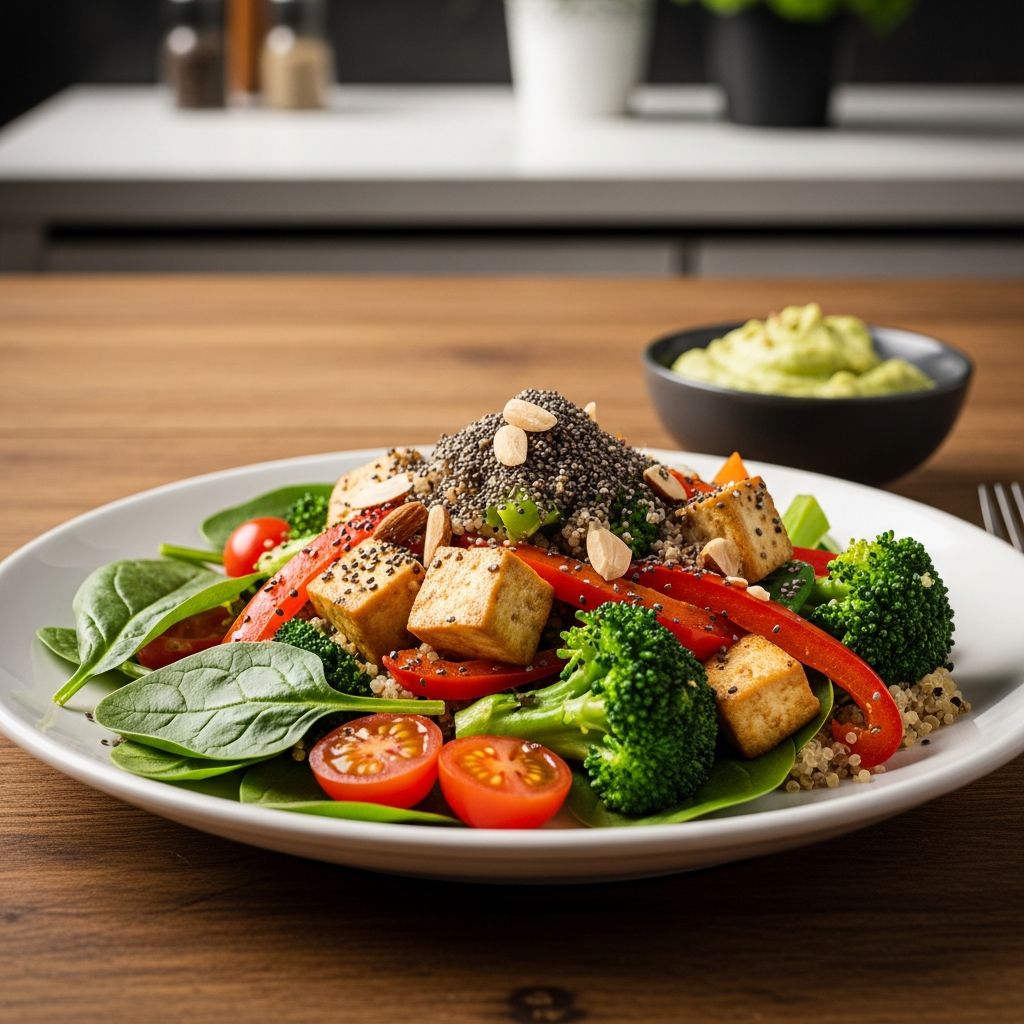
Embrace the power of plant-based eating with these 30 high-protein vegetarian dinners that double as anti-inflammatory powerhouses. Designed for those seeking to reduce chronic inflammation while meeting protein needs, these recipes incorporate nutrient-dense ingredients like lentils, chickpeas, tofu, quinoa, and vibrant vegetables. Each meal delivers at least 20 grams of protein per serving, helping with satiety, muscle maintenance, and recovery. Anti-inflammatory stars such as turmeric, ginger, leafy greens, berries, and omega-rich nuts and seeds work together to combat oxidative stress and support immune health.
Why combine high protein with anti-inflammatory properties? Research from the National Institutes of Health highlights that chronic inflammation contributes to conditions like heart disease and arthritis, while adequate protein intake—especially from plants—promotes gut health and sustained energy. These dinners are quick to prepare, mostly under 45 minutes, and customizable for various dietary preferences.
Why High-Protein Vegetarian Meals Matter
Vegetarian diets can easily meet or exceed protein requirements through legumes, grains, nuts, and dairy alternatives. A study published in the Journal of the International Society of Sports Nutrition confirms plant proteins are as effective as animal sources for muscle synthesis when consumed adequately. Pairing this with anti-inflammatory foods like those rich in polyphenols (from berries and greens) and curcumin (from turmeric) creates meals that nourish the body holistically.
- Protein Sources: Lentils (18g per cup cooked), chickpeas (15g per cup), tofu (20g per 100g), quinoa (14g per cup), and Greek yogurt or paneer for added boost.
- Anti-Inflammatory Heroes: Turmeric, ginger, garlic, olive oil, berries, leafy greens, and fatty fish alternatives like walnuts or flaxseeds.
- Health Benefits: Reduced C-reactive protein levels, improved joint mobility, better digestion, and enhanced recovery post-exercise.
Meal Prep Tips for Success
Streamline your week by batch-cooking grains like quinoa and lentils, roasting vegetables in bulk, and portioning dressings. Store components separately for mix-and-match bowls. These recipes use pantry staples and seasonal produce for affordability and freshness.
Featured Recipes
Below are 30 curated recipes, each with detailed ingredients, instructions, protein estimates, and why they’re anti-inflammatory. Calories and macros are approximate based on standard servings.
1. Burnt Aubergine Veggie Chilli
A smoky, spicy chili loaded with aubergine (eggplant), beans, and tomatoes. Protein: 25g per serving.
- Ingredients: 2 aubergines, 1 can kidney beans, 1 onion, 2 garlic cloves, 1 tsp smoked paprika, 400g chopped tomatoes, chili flakes.
Instructions: Char aubergines under grill, chop and sauté with onion, garlic, spices, beans, and tomatoes. Simmer 20 minutes. Serve with brown rice.
Anti-Inflammatory Edge: Lycopene from tomatoes and fiber from beans reduce gut inflammation.
2. Indian Chickpeas with Poached Eggs
Fiber-rich chickpeas simmered in aromatic spices, topped with eggs. Protein: 28g.
- Ingredients: 1 can chickpeas, 1 onion, ginger, garlic, cumin, spinach, 2 eggs.
Instructions: Sauté base, add chickpeas and spinach, poach eggs on top. Ready in 15 minutes.
3. Lentil & Cauliflower Curry
Earthy curry with red lentils, cauliflower, and coconut yogurt. Protein: 22g.
- Ingredients: 1 cup lentils, 1 cauliflower head, curry paste, turmeric, coconut yogurt.
Instructions: Cook lentils with spices and cauliflower until tender, stir in yogurt.
Related Stories



4. Vegetarian Bolognese
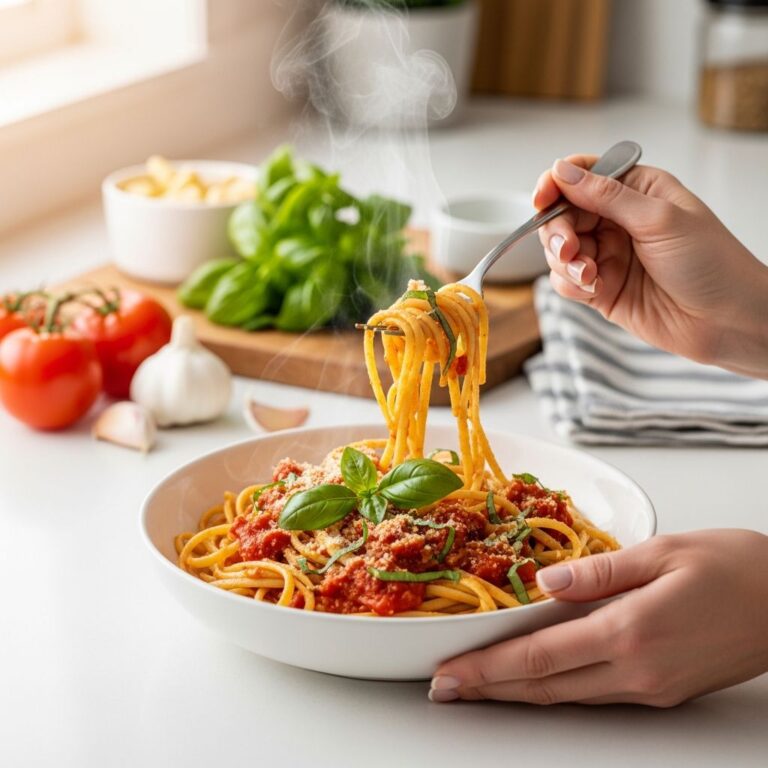
Lentil-based sauce over whole-grain pasta. Protein: 24g.
- Ingredients: 1 cup lentils, tomato passata, carrots, celery, herbs.
Instructions: Simmer lentils with veggies and tomatoes for 30 minutes.
5. Asparagus & New Potato Frittata
Quick egg-based frittata with seasonal veggies. Protein: 20g.
- Ingredients: 6 eggs, asparagus, new potatoes, cheese.
Instructions: Sauté veggies, pour eggs over, bake 20 minutes.
6. Teriyaki Tofu with Broccoli
Crispy tofu in sweet-savory sauce. Protein: 26g.
- Ingredients: 400g tofu, teriyaki sauce, broccoli, sesame seeds.
Instructions: Press and fry tofu, steam broccoli, glaze and combine.
7. Quinoa with Fried Eggs & Black Beans
Protein-packed bowl with avocado. Protein: 24g.
- Ingredients: 1 cup quinoa, black beans, avocado, 2 eggs.
Instructions: Cook quinoa with beans, top with fried eggs and avocado.
8. Lentil Bolognese
Superhealthy ragu for pasta. Protein: 23g.
- Ingredients: Puy lentils, veg stock, tomatoes, herbs.
Instructions: Slow-simmer for rich flavor, freezes well.
9. Saag Paneer Kedgeree
Indian fusion with spinach and paneer. Protein: 27g.
- Ingredients: Paneer, spinach, rice, eggs, spices.
Instructions: Cook rice with spiced spinach and paneer.
10. Puy Lentils with Smoked Tofu
Flavorful combo with peppers. Protein: 25g.
- Ingredients: Puy lentils, smoked tofu, paprika, peppers.
Instructions: Sauté tofu and peppers, mix with cooked lentils.
11. Quinoa Lentil Salad
Fresh salad with tahini dressing. Protein: 24g.
- Ingredients: Quinoa, lentils, cucumber, tomatoes, tahini, lemon.
Instructions: Toss cooked grains with veggies and whisked dressing.
12. Roasted Sweet Potato & Brussels Sprouts Bowl
Turmeric-roasted veggies. Protein: 20g (with nuts).
- Ingredients: Sweet potatoes, Brussels sprouts, turmeric, walnuts.
Instructions: Roast at 400°F for 30 minutes, top with nuts.
13. Chickpea & Avocado Salad
Creamy, crunchy salad. Protein: 22g.
- Ingredients: Chickpeas, avocado, spinach, lime, olive oil.
Instructions: Mix and dress simply.
14. Cashew Crunch Edamame Salad
Veggie-packed with peanut dressing. Protein: 30g.
- Ingredients: Edamame, cashews, mango, quinoa.
Instructions: Combine with chili-lime dressing.
15. Lemon Garlic Tempeh Noodles
Sweet-sour noodles with tempeh. Protein: 25g.
- Ingredients: Tempeh, rice noodles, veggies, sauce.
Instructions: Fry tempeh, toss with noodles.
16. Coconut Curry Ramen
Broth with tofu and veggies. Protein: 25g.
- Ingredients: Ramen, tofu, coconut milk, curry paste.
Instructions: Simmer into creamy ramen.
17. Turmeric Lentil Soup
Hearty one-pot soup. Protein: 22g.
- Ingredients: Lentils, turmeric, carrots, onion.
Instructions: Simmer 25 minutes.
18. Sweet Potato Lentil Soup
Fiber-rich and healing. Protein: 19g.
- Ingredients: Lentils, sweet potatoes, turmeric.
Instructions: Blend for creaminess.
19. Teriyaki Tofu Bowl
With rice and edamame. Protein: 28g.
- Ingredients: Tofu, rice, edamame, avocado.
Instructions: Glaze tofu, assemble bowl.
20. Chickpea Tofu Sheet Pan
Roasted with tahini. Protein: 28g.
- Ingredients: Tofu, chickpeas, butternut squash.
Instructions: One-pan roast at 425°F.
21. Kale Quinoa Power Bowl
Protein: 24g. Massage kale with quinoa, berries, nuts.
22. Black Bean Sweet Potato Chili
Protein: 23g. Smoky chili with anti-inflammatory spices.
23. Spinach Chickpea Curry
Protein: 26g. Coconut-based with ginger.
24. Tofu Stir-Fry with Broccoli
Protein: 25g. Ginger-garlic sauce.
25. Red Lentil Dal
Protein: 21g. With spinach and turmeric.
26. Edamame Fried Rice
Protein: 22g. Veggie-packed.
27. Paneer Veggie Skewers
Protein: 27g. Grilled with yogurt marinade.
28. Quinoa Stuffed Peppers
Protein: 24g. Beans and corn filling.
29. Cauliflower Lentil Tacos
Protein: 23g. Spiced and topped with slaw.
30. Berry Chia Protein Pudding Parfait
Dinner dessert hybrid. Protein: 20g. With Greek yogurt layers.
Nutrition Comparison Table
| Recipe | Protein (g) | Calories | Key Anti-Inflam. Ingredient |
|---|---|---|---|
| Burnt Aubergine Chilli | 25 | 350 | Turmeric |
| Teriyaki Tofu | 26 | 400 | Ginger |
| Quinoa Bowl | 24 | 380 | Walnuts |
Frequently Asked Questions (FAQs)
Q: Can these recipes help with weight loss?
A: Yes, high protein and fiber promote fullness; pair with portion control for best results.
Q: Are they suitable for vegans?
A: Most are; swap eggs/paneer for tofu or tempeh.
Q: How to store leftovers?
A: Refrigerate up to 4 days; freeze soups and chilies for 3 months.
Q: What’s the minimum protein intake daily?
A: Aim for 0.8g per kg body weight; athletes need more.
Q: Do anti-inflammatory diets really work?
A: Studies show reduced markers like CRP with consistent plant-rich eating.
References
- High-Protein Vegetarian Recipes — BBC Good Food. 2023-05-15. https://www.bbcgoodfood.com/recipes/collection/high-protein-vegetarian-recipes
- Protein and Muscle Synthesis — Journal of the International Society of Sports Nutrition. 2018-01-20. https://jissn.biomedcentral.com/articles/10.1186/s12970-017-0177-8
- Anti-Inflammatory Diets — Harvard T.H. Chan School of Public Health. 2024-02-10. https://www.hsph.harvard.edu/nutritionsource/anti-inflammatory-diet/
- Chronic Inflammation Overview — National Institutes of Health (NIH). 2023-11-01. https://www.nccih.nih.gov/health/inflammation
- Plant-Based Proteins — USDA Dietary Guidelines. 2025-01-15. https://www.dietaryguidelines.gov/
Similar Articles








Read full bio of medha deb