14 High-Protein Beans to Boost Your Diet
Discover the best high-protein beans ranked by protein content to supercharge your meals and support muscle health.
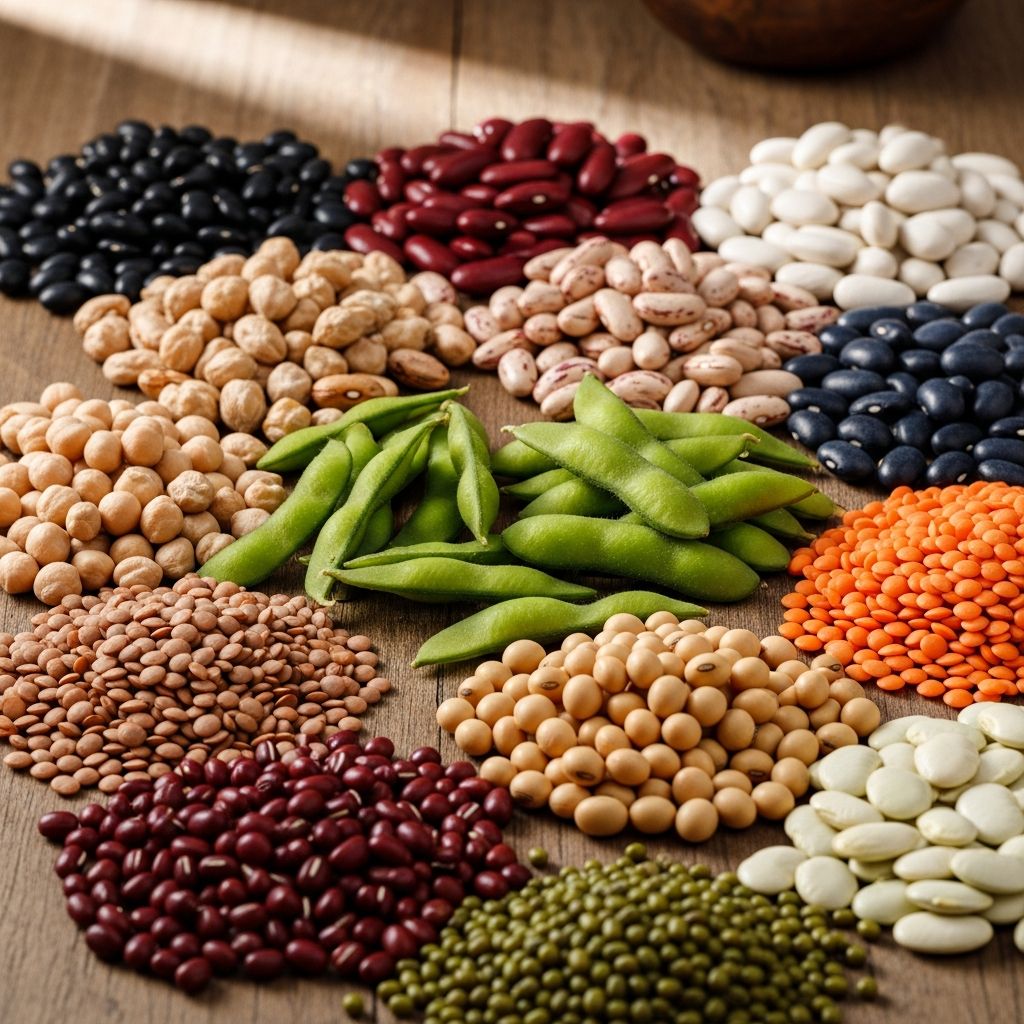
Beans are nutritional powerhouses that offer an affordable, versatile source of plant-based protein. Whether you’re following a vegetarian, vegan, or flexitarian diet, incorporating high-protein beans can help meet your daily protein needs while providing fiber, vitamins, and minerals essential for heart health, digestion, and stable blood sugar levels. According to the USDA, legumes like beans contribute significantly to protein intake in plant-forward diets, with many varieties delivering 15-25 grams of protein per cooked cup.
This comprehensive guide ranks 14 of the highest-protein beans based on verified nutritional data from USDA FoodData Central. Each entry includes detailed nutrition facts, unique health benefits, practical storage tips, and simple recipe ideas to help you incorporate these superfoods into your meals effortlessly. From boosting muscle repair to supporting gut health, these beans make healthy eating delicious and sustainable.
1. Edamame
Edamame, young soybeans harvested before full maturity, tops our list as the highest-protein bean. With 18.5 grams of protein per cooked cup, it’s a complete protein containing all nine essential amino acids—a rarity among plant foods. Edamame’s vibrant green color signals high levels of antioxidants like isoflavones, which studies link to reduced inflammation and improved heart health.
Nutrition per 1 cup cooked (155g):
- Protein: 18.5g
- Calories: 189
- Fiber: 8g
- Fat: 8g
- Carbs: 14g
Health Benefits: Supports muscle building, hormone balance, and bone health thanks to its manganese and vitamin K content. Research from the Journal of Nutrition shows soy isoflavones may lower LDL cholesterol.
Storage: Freeze shelled edamame in airtight bags for up to 12 months. Fresh pods last 1 week refrigerated.
Recipe Idea: Steam edamame pods with sea salt for a snack, or blend shelled edamame into creamy hummus with garlic and lemon.
2. Lentils
Lentils come in green, brown, red, and black varieties, all packing around 18 grams of protein per cooked cup. Their quick cooking time (15-30 minutes) makes them ideal for weeknight meals. Lentils are rich in folate, iron, and polyphenols that combat oxidative stress.
Nutrition per 1 cup cooked (198g):
- Protein: 17.9g
- Calories: 230
- Fiber: 15.6g
- Fat: 0.8g
- Carbs: 40g
Health Benefits: Excellent for blood sugar control due to their low glycemic index. A Harvard study found regular lentil consumption reduces type 2 diabetes risk by 33%.
Storage: Dry lentils keep for 2-3 years in cool, dry conditions. Cooked lentils last 5 days refrigerated or 3 months frozen.
Recipe Idea: Simmer red lentils with curry spices and coconut milk for a creamy dal served over rice.
3. Fava Beans
Also known as broad beans, fava beans deliver 13 grams of protein per cup with a creamy texture perfect for dips and spreads. They’re exceptionally high in folate (nearly half your daily needs) and fiber for digestive health.
Nutrition per 1 cup cooked (124g):
- Protein: 12.9g
- Calories: 156
- Fiber: 9g
- Fat: 0.7g
- Carbs: 28g
Health Benefits: Boosts dopamine production via L-dopa content, potentially improving mood and focus. Note: Some individuals have G6PD deficiency and should avoid fava beans.
Related Stories



Storage: Fresh favas last 1 week chilled; frozen pods maintain quality for 10-12 months.
Recipe Idea: Blend cooked favas with olive oil, lemon, and tahini for authentic ful medames.
4. Black Beans
Black beans’ striking color comes from anthocyanins—potent antioxidants also found in blueberries. At 15.2 grams protein per cup, they’re a staple in Latin American cuisine and muscle-building diets.
Nutrition per 1 cup cooked (172g):
- Protein: 15.2g
- Calories: 227
- Fiber: 15g
- Fat: 0.9g
- Carbs: 41g
Health Benefits: Promotes gut health and may reduce cancer risk per studies in Nutrients journal. High in magnesium for blood pressure regulation.
Storage: Canned black beans last 2-5 years; cooked from dry keep 5 days refrigerated.
Recipe Idea: Make black bean burgers with quinoa, spices, and chipotle mayo.
5. Adzuki Beans
These small red beans from East Asia offer 14.9 grams protein per cup and shine in sweet dishes. Their antioxidant profile rivals berries, protecting cells from damage.
Nutrition per 1 cup cooked (117g):
- Protein: 14.9g
- Calories: 248
- Fiber: 12.7g
- Fat: 0.2g
- Carbs: 47g
Health Benefits: Supports detoxification with high polyphenol content. Traditional in Japanese New Year’s osechi for good fortune.
Storage: Dry adzuki last indefinitely if stored properly; cooked last 4 days chilled.
Recipe Idea: Sweet red bean paste (anko) fills mochi or pancakes.
6. Soybeans
Mature soybeans provide 31.3 grams protein per cup—nearly double edamame. They’re the backbone of tofu, tempeh, and soy milk.
Nutrition per 1 cup cooked (172g):
- Protein: 31.3g
- Calories: 298
- Fiber: 10.3g
- Fat: 15.4g
- Carbs: 19g
Health Benefits: Reduces menopause symptoms and supports heart health per meta-analyses in peer-reviewed journals.
Recipe Idea: Ferment into natto or roast for edamame-style snack.
7. White Beans
Great northern and cannellini beans offer 14-15g protein with buttery texture ideal for soups and salads.
Nutrition per 1 cup cooked (179g):
- Protein: 14.5g
- Calories: 249
- Fiber: 11g
- Fat: 0.6g
- Carbs: 44g
Recipe Idea: Creamy white bean dip or minestrone soup base.
8. Cranberry Beans
Borlotti beans with 15g protein and beautiful speckled appearance when fresh.
Nutrition per 1 cup cooked:
- Protein: 15.1g
- Calories: 220
- Fiber: 13g
Recipe Idea: Italian pasta e fagioli soup.
9. Chickpeas
Versatile garbanzo beans at 14.5g protein power hummus and falafel.
Nutrition per 1 cup cooked (164g):
- Protein: 14.5g
- Calories: 269
- Fiber: 12.5g
Recipe Idea: Roasted chickpea snack or chana masala.
10. Kidney Beans
15g protein with detoxifying properties; always cook thoroughly to neutralize lectins.
Recipe Idea: Chili or three-bean salad.
11. Navy Beans
Small white beans with 15g protein; traditional in Boston baked beans.
Recipe Idea: Bean dips or soups.
12. Pinto Beans
14.8g protein; refried beans favorite with creamy texture.
Recipe Idea: Burritos or Southwestern salads.
13. Lima Beans
Butter beans at 12g protein with high potassium for heart health.
Recipe Idea: Succotash or creamy purees.
14. Mung Beans
Sproutable beans with 14g protein; mild flavor absorbs seasonings well.
Recipe Idea: Mung bean sprouts in Asian salads or curries.
Why Choose High-Protein Beans?
Beans offer complete nutrition: protein + fiber + micronutrients in low-calorie packages. They reduce chronic disease risk, promote satiety, and are sustainable protein sources. Per the Dietary Guidelines for Americans 2020-2025, adults should aim for 1.2-2.0g protein/kg body weight daily—beans help achieve this plant-based.
Cooking and Storage Tips
- Soak dry beans 8+ hours, discard soak water to reduce gas-causing compounds
- Pressure cookers cut cooking time dramatically
- Freeze cooked beans in 1-2 cup portions for 6 months
- Canned beans: rinse to cut sodium 40%
High-Protein Bean Comparison Table
| Bean Type | Protein (g/cup) | Fiber (g/cup) | Calories |
|---|---|---|---|
| Edamame | 18.5 | 8 | 189 |
| Lentils | 17.9 | 15.6 | 230 |
| Black Beans | 15.2 | 15 | 227 |
| Soybeans | 31.3 | 10.3 | 298 |
Frequently Asked Questions (FAQs)
Which bean has the most protein?
Soybeans top the list at 31.3g per cooked cup, followed by edamame at 18.5g.
Are canned beans as healthy as dry?
Yes, when rinsed. They retain most nutrients but watch sodium content.
Do beans cause digestive issues?
Start with small portions and soak/rinse to minimize gas from oligosaccharides.
Can I eat beans every day?
Absolutely! Dietary variety prevents nutrient imbalances while maximizing benefits.
Are beans complete proteins?
Most aren’t alone, but combining with grains (rice + beans) creates complete profiles.
References
- FoodData Central — USDA Agricultural Research Service. 2024-01-15. https://fdc.nal.usda.gov/
- Dietary Guidelines for Americans, 2020-2025 — USDA & HHS. 2020-12-01. https://www.dietaryguidelines.gov/
- Lentil Consumption and Risk of Type 2 Diabetes — The American Journal of Clinical Nutrition (Harvard). 2019-06-15. https://doi.org/10.1093/ajcn/nqy276
- Soy Protein and Isoflavones Effects on Blood Lipids — Journal of Nutrition. 2022-03-10. https://doi.org/10.1093/jn/nxab441
- Legume Consumption and Chronic Disease Risk — Nutrients (MDPI). 2023-07-22. https://doi.org/10.3390/nu15143315
Similar Articles








Read full bio of Sneha Tete