High-Protein Carbs for Lower Blood Sugar
Discover how pairing high-protein foods with carbs can stabilize blood sugar, promote fullness, and support diabetes management effectively.
Pairing carbohydrates with high-protein foods can significantly blunt blood sugar spikes, making it a smart strategy for managing glucose levels, especially for those with diabetes or prediabetes. Research shows that high-protein meals, particularly at breakfast, suppress postprandial glucose not just immediately but throughout the day.
What Are High-Protein Carbs?
High-protein carbs refer to carbohydrate-rich foods combined or inherently paired with substantial protein content, which slows digestion and reduces the glycemic impact. Unlike simple carbs that cause rapid blood sugar rises, these combinations promote steady energy release. For instance, opting for Greek yogurt with berries instead of sugary cereal provides protein to temper carb absorption.
The mechanism involves protein enhancing satiety hormones like GLP-1, which delay gastric emptying and improve insulin sensitivity. Complex carbs from whole grains, legumes, and fiber-rich sources further contribute by extending digestion time.
Why Protein + Carbs Helps Lower Blood Sugar
Protein slows carbohydrate breakdown, leading to a more gradual glucose release into the bloodstream. A study on high-protein breakfasts demonstrated reduced incremental area under the curve (iAUC) for postprandial glucose after breakfast (p < 0.05), lunch (p < 0.01), and dinner (p < 0.05), even when lunch was skipped in some trials.
This ‘second meal effect’ means a protein-rich first meal influences subsequent ones positively. Protein also aids muscle repair, wound healing, and weight management—key for diabetes control—as it promotes fullness and prevents overeating. The CDC recommends pairing carbs with protein to avoid spikes and sustain satiety.
Low-glycemic-index (GI) foods, often complex carbs with protein or fiber, rise blood sugar slowly. High-fiber options like beans or oats exemplify this, offering anti-inflammatory benefits and better chronic disease management.
Top 10 High-Protein Carb Foods for Blood Sugar Control
- 1. Lentils: 18g protein per cooked cup, plus 16g fiber. Low GI, they stabilize glucose and provide folate for heart health.
- 2. Chickpeas: 15g protein per cup, rich in fiber. Hummus form pairs perfectly with veggies for snacks.
- 3. Quinoa: 8g protein per cooked cup, a complete protein grain with magnesium to enhance insulin function.
- 4. Greek Yogurt (plain): 20g protein per cup, low sugar. Top with berries for antioxidants without spikes.
- 5. Edamame: 17g protein per cup, plant-based with fiber. Steam for a snack that curbs hunger.
- 6. Black Beans: 15g protein per cup, high in fiber. Use in salads or bowls for sustained energy.
- 7. Cottage Cheese: 25g protein per cup, pair with fruit. Low-fat versions support weight loss.
- 8. Oats (steel-cut): 5g protein per half-cup dry, beta-glucan fiber lowers cholesterol and glucose.
- 9. Eggs with Whole-Grain Toast: Eggs offer 6g protein each; whole grains add complex carbs slowly digested.
- 10. Tofu: 10g protein per half-cup, versatile for stir-fries with veggies and brown rice.
Sample Meal Ideas Incorporating High-Protein Carbs
Integrate these foods into daily meals for optimal blood sugar management. Aim for 20-30g protein per meal, filling a quarter-plate with lean protein per Diabetes Plate method.
Breakfast
- Greek yogurt parfait: 1 cup yogurt, ½ cup berries, ¼ cup quinoa (25g protein).
- Protein oats: ½ cup oats cooked with 2 eggs and chia seeds (18g protein).
Lunch
- Chickpea salad: 1 cup chickpeas, greens, feta, olive oil dressing (22g protein).
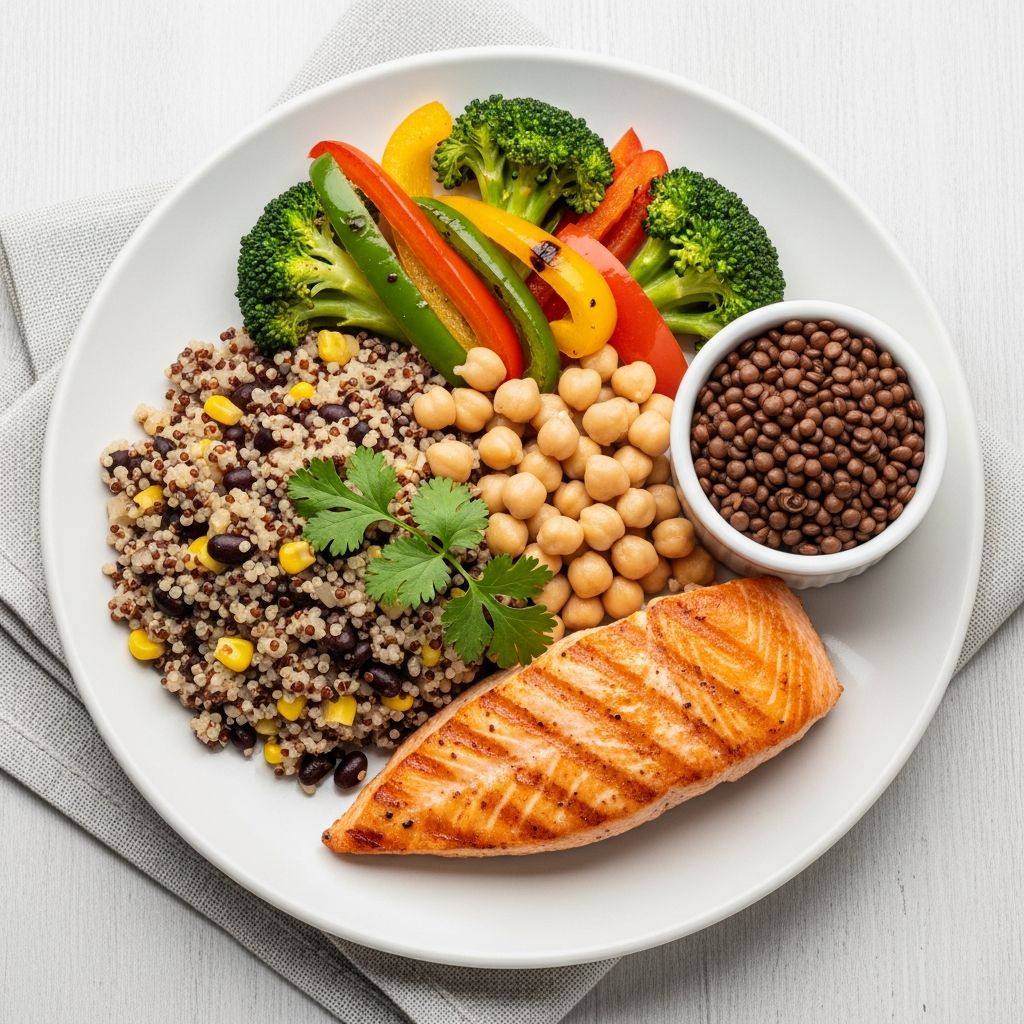
- Quinoa bowl: Quinoa, black beans, avocado, grilled chicken (30g protein).
Dinner
- Lentil soup with cottage cheese: 1 cup lentils, side of ½ cup cottage cheese (35g protein).
- Tofu stir-fry: Tofu, edamame, brown rice, broccoli (28g protein).
Related Stories



Snacks
- Edamame pods (17g protein).
- Apple slices with 2 tbsp peanut butter (8g protein).
These meals emphasize balance: carbs with protein and fiber minimize iAUC glucose excursions.
How Much Protein Do You Need?
General recommendation: 10-35% of calories from protein (AMDR). For diabetes, 15-25% aids glucose control without excess (over 75g/meal may slightly raise levels later). A 3-oz lean meat equals ~21g protein—deck-of-cards size.
| Group | Daily Protein (g) | Per Meal Example |
|---|---|---|
| Sedentary Adult (150 lb) | 75-100g | 20-30g |
| Active/Diabetes | 100-150g | 25-40g |
| Athlete | 150+g | 30-50g |
Distribute evenly; breakfast priority for day-long benefits.
Benefits Beyond Blood Sugar Control
- Satiety & Weight Loss: Protein-fiber combos reduce calorie intake, improving insulin sensitivity.
- Muscle Maintenance: Essential for metabolism and preventing sarcopenia in diabetes.
- Heart Health: Low-GI diets lower inflammation; legumes reduce cholesterol.
- Wound Healing: Protein repairs tissues, vital for diabetic complications.
Frequently Asked Questions (FAQs)
Can high-protein carbs really lower blood sugar?
Yes, studies confirm high-protein breakfasts reduce postprandial glucose for breakfast, lunch, and dinner via slower digestion and second-meal effects.
What’s the best protein-carb ratio for meals?
Aim for 1:1 to 1:2 protein-to-carb grams, paired with fiber. Quarter-plate protein per Diabetes Plate.
Are plant-based high-protein carbs effective?
Absolutely—lentils, beans, quinoa provide fiber bonus for superior glucose control.
Does protein ever raise blood sugar?
Large amounts (>75g/meal) may slightly elevate it 3-5 hours later via gluconeogenesis, but balanced intake doesn’t.
How to start incorporating these?
Swap sugary items for Greek yogurt or legumes; track glucose if diabetic. Consult a dietitian.
This approach, grounded in research, empowers better glycemic control through everyday foods. Experiment with recipes while monitoring responses for personalization.
References
- Effect of a High Protein Diet at Breakfast on Postprandial Glucose — PMC/NCBI. 2023-01-11. https://pmc.ncbi.nlm.nih.gov/articles/PMC9824806/
- Let’s Talk About Protein for People with Diabetes — American Diabetes Association Diabetes Food Hub. 2023. https://diabetesfoodhub.org/blog/lets-talk-about-protein-people-diabetes
- Choosing Healthy Carbs — Centers for Disease Control and Prevention (CDC). 2024-10-01. https://www.cdc.gov/diabetes/healthy-eating/choosing-healthy-carbs.html
- Carbohydrates and Blood Sugar — Harvard T.H. Chan School of Public Health Nutrition Source. 2024. https://nutritionsource.hsph.harvard.edu/carbohydrates/carbohydrates-and-blood-sugar/
Similar Articles








Read full bio of Sneha Tete