High-Protein Diabetes-Friendly Summer Dinners
Discover delicious, high-protein summer dinner recipes designed to help manage blood sugar levels.
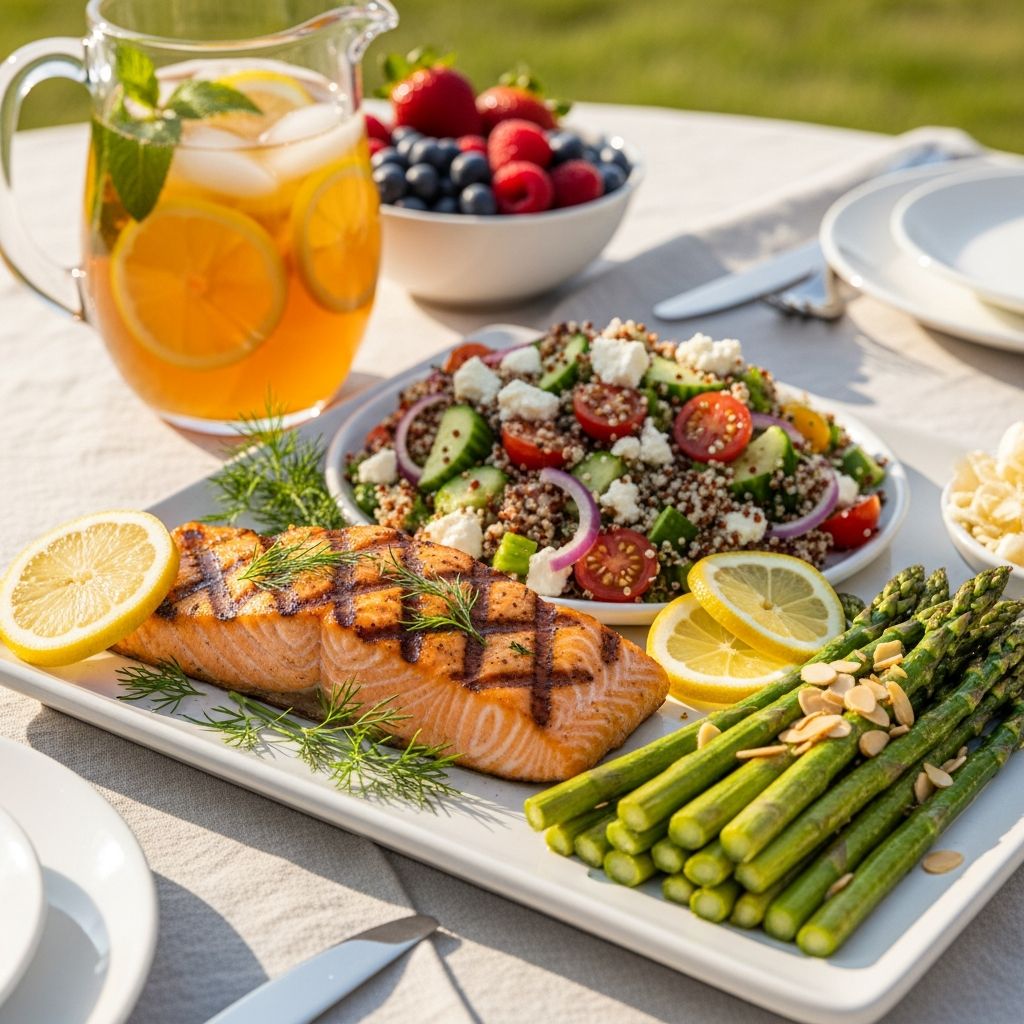
Managing diabetes doesn’t mean sacrificing delicious summer meals. When you have diabetes, one of the most effective dietary approaches is choosing meals that are higher in protein and fiber while lower in refined carbohydrates. Summer offers an abundance of fresh ingredients perfect for creating satisfying, diabetes-friendly dinners that support healthy blood sugar levels and keep you feeling full and energized throughout warm months.
The key to successful diabetes management through diet is understanding that protein plays a crucial role in slowing carbohydrate digestion, preventing rapid blood sugar spikes. Combined with fiber-rich vegetables and healthy fats, high-protein dinners become an excellent strategy for maintaining stable glucose levels while enjoying flavorful, season-appropriate meals.
Why High-Protein Dinners Matter for Diabetes Management
Protein is essential for individuals with diabetes for several important reasons. When you consume adequate protein at dinner, it helps slow gastric emptying—the rate at which food moves from your stomach to your intestines. This slower digestion process prevents the rapid blood sugar spikes that can occur after eating simple carbohydrates.
Additionally, protein increases satiety, meaning you feel fuller for longer periods. This reduces the likelihood of overeating and reaching for high-sugar snacks later in the evening. High-protein meals also support muscle maintenance and metabolism, both of which become increasingly important as you age.
Summer provides an ideal opportunity to incorporate lean proteins that are naturally lighter and more refreshing than winter fare. Grilled fish, poultry, and legume-based dishes pair beautifully with fresh seasonal vegetables, creating meals that are both nutritious and satisfying.
Top Protein Sources for Summer Dinners
When planning diabetes-friendly summer dinners, focus on lean protein sources that are naturally lower in saturated fat and rich in beneficial nutrients:
- Fish and Seafood: Salmon, tuna, cod, and shrimp are excellent choices. Fatty fish like salmon provide omega-3 fatty acids that support heart and brain health. These proteins are versatile—grill them, bake them, or incorporate them into salads and bowls.
- Poultry: Chicken and turkey breast offer lean protein with minimal fat. Removing the skin further reduces saturated fat content while maintaining protein density.
- Plant-Based Proteins: Tofu, tempeh, and legumes like chickpeas and lentils provide protein alongside fiber, creating a dual benefit for blood sugar management.
- Eggs: Whole eggs are nutrient-dense, containing all essential amino acids. They’re quick to prepare and perfect for quiches, frittatas, or salads.
- Lean Beef and Pork: Choose cuts like sirloin, tenderloin, or pork loin, and trim visible fat before cooking.
Essential Vegetables and Low-Carb Alternatives
Summer vegetables are naturally lower in carbohydrates and rich in fiber, vitamins, and minerals. Include plenty of non-starchy vegetables in your dinners:
- Leafy greens (spinach, arugula, lettuce)
- Cruciferous vegetables (broccoli, cauliflower, Brussels sprouts)
- Bell peppers in various colors
- Zucchini and cucumber
- Green beans and asparagus
- Tomatoes (in moderation)
- Mushrooms
For recipes traditionally made with rice or pasta, consider cauliflower rice, spiralized zucchini, or spaghetti squash as low-carb substitutes that reduce overall carbohydrate intake while maintaining satisfying portion sizes and appealing textures.
Recipe Ideas: Ginger-Garlic Chicken and Cauliflower Rice
This Asian-inspired dish combines lean protein with a nutrient-dense grain alternative. Chicken breast is marinated in fresh ginger, garlic, and low-sodium soy sauce, then stir-fried with homemade cauliflower rice. The ginger and garlic provide anti-inflammatory compounds without adding significant carbohydrates or calories.
Related Stories



For added nutrition and satiety, incorporate green beans, broccoli, or spinach into the stir-fry. These vegetables add fiber, vitamins, and minerals while keeping carbohydrate content minimal. Finish with a light drizzle of sesame oil and fresh chives for authentic flavor without relying on high-calorie sauces.
Recipe Ideas: Broccoli and Cheddar Crustless Quiche
A crustless quiche eliminates unnecessary carbohydrates while delivering robust nutrition. This recipe combines eggs, broccoli, and cheddar cheese—providing approximately 20 grams of protein per serving. The broccoli contributes vitamins K, C, B vitamins, and selenium, making this a nutrient-dense option.
To reduce saturated fat, substitute heavy cream with whole milk or a non-dairy alternative. The quiche can be prepared ahead of time, making it perfect for busy summer schedules. Serve it warm or at room temperature alongside a fresh garden salad for a complete, balanced meal.
Recipe Ideas: Tuna Salad with Cranberries and Walnuts
Tuna salad offers a quick, protein-packed lunch or light dinner option. Canned or fresh tuna provides lean protein while walnuts add omega-3 fatty acids, antioxidants, and essential nutrients that support heart and brain health. For those concerned about mercury exposure, selecting brands like Safe Catch can minimize potential risks.
To reduce sugar content, omit the dried cranberries or use them sparingly, replacing them with fresh berries or additional vegetables like diced cucumber and bell pepper. Serve the salad on a bed of leafy greens, lettuce wraps, or celery sticks for a lower-carb presentation that maintains visual appeal and satisfaction.
Recipe Ideas: Summer Roll Bowls
Summer rolls traditionally require wrapping ingredients in rice paper, which adds carbohydrates. Instead, create a “roll bowl” by arranging all components—fresh vegetables, herbs, tofu or shrimp protein, and peanut sauce—in a bowl for a deconstructed presentation. This dish delivers under 500 calories with 34 grams of protein, primarily from tofu and peanut butter, promoting satiety and stable blood sugar.
Choose a no-sugar hoisin sauce or prepare your own sauce using natural peanut butter, lime juice, soy sauce, and ginger. This approach allows you to control sugar content while achieving authentic Asian flavors that make summer dining exciting and enjoyable.
Additional High-Protein Summer Dinner Options
Beyond the recipes mentioned above, numerous other high-protein, diabetes-friendly options suit summer dining:
- Grilled Salmon with Garlic Chickpeas: Pepper-crusted salmon paired with seasoned chickpeas provides protein, healthy fats, and fiber in one elegant dish.
- Chipotle Spiced Shrimp: Quick-cooking shrimp seasoned with spices delivers minimal carbohydrates and maximum flavor.
- Turkey and Veggie Stir-Fry: Ground turkey or sliced turkey breast combined with colorful vegetables creates a balanced, satisfying meal.
- Cauliflower Mock Potato Salad: Substituting cauliflower for potatoes reduces carbohydrate content while maintaining the familiar comfort-food appeal.
- Beef Kabobs: Marinated lean beef paired with summer vegetables (peppers, onions, zucchini) cooked on the grill offers a fun, interactive dinner experience.
Practical Cooking Tips for Summer Diabetes-Friendly Dinners
Maximize nutrition and minimize preparation time with these practical strategies:
- Grill Instead of Frying: Grilling requires minimal added fat while imparting delicious smoky flavors to proteins and vegetables.
- Batch Prepare: Cook proteins and vegetables in advance, storing them in portion-controlled containers for quick assembly throughout the week.
- Herbs and Spices: Replace high-calorie, high-sodium sauces with fresh herbs (basil, cilantro, dill) and spices that add flavor without carbohydrates.
- Healthy Fats: Use olive oil, avocado oil, or sesame oil in modest quantities to support nutrient absorption and flavor development.
- Acidic Elements: Incorporate lemon juice, lime juice, vinegar, or salsa to enhance flavor without added sugars or calories.
Building a Balanced Plate
The American Diabetes Association recommends filling half your plate with non-starchy vegetables, one-quarter with lean protein, and one-quarter with carbohydrate-containing foods. For summer dinners, this translates to:
- Half the plate: Mixed salad greens, grilled vegetables, or raw vegetable sides
- One-quarter: Grilled fish, poultry, tofu, or legumes
- One-quarter: Whole grain options (if tolerated) or additional vegetables
This approach ensures adequate nutrition while maintaining stable blood sugar levels and promoting sustainable weight management.
Summer Entertaining with Diabetes-Friendly Meals
Hosting summer gatherings doesn’t require separate meals for those managing diabetes. Many diabetes-friendly options appeal to all guests. Grilled chicken and fish naturally satisfy diverse dietary preferences, while vegetable-based sides complement any meal. Salads featuring leafy greens, colorful vegetables, nuts, and lean proteins work for various dietary needs while remaining delicious and visually appealing.
When bringing dishes to potlucks or barbecues, consider protein-rich salads like tuna salad or broccoli salad with seeds, which satisfy diabetes management goals while contributing to shared meals.
Frequently Asked Questions
Q: How much protein should I include in each dinner?
A: Most adults should aim for 25-35 grams of protein per meal. However, individual needs vary based on age, activity level, and kidney function. Consult your healthcare provider or registered dietitian for personalized recommendations.
Q: Can I eat fruit with diabetes?
A: Yes, but in moderation and as part of a balanced meal. Choose whole fruits over juices, pair fruit with protein or healthy fats to slow digestion, and monitor portion sizes. Fresh berries are particularly good choices due to lower sugar content.
Q: Are whole grains acceptable for diabetes-friendly dinners?
A: Yes, whole grains in appropriate portions can fit into a diabetes management plan. Choose high-fiber whole grains like brown rice, quinoa, or barley, and pair them with adequate protein and vegetables to minimize blood sugar impact.
Q: How can I reduce sodium in diabetes-friendly recipes?
A: Use fresh herbs, spices, lemon juice, and vinegar instead of salt-based seasonings. Choose low-sodium or no-sodium broths, and rinse canned beans before using. Fresh ingredients naturally contain less sodium than processed options.
Q: Can I meal prep high-protein summer dinners in advance?
A: Absolutely. Cook proteins and vegetables separately, storing them in airtight containers for up to four days. Assemble complete meals just before eating to maintain optimal texture and freshness. Dressings and sauces should be stored separately.
References
- 5 Summer Recipes That Are Diabetes-Friendly — Healthline. 2025-05-29. https://www.healthline.com/health/diabetes/diabetes-friendly-summer-recipes
- Diabetes Meal Plan Recipes — Mayo Clinic. https://www.mayoclinic.org/healthy-lifestyle/recipes/diabetes-meal-plan-recipes/rcs-20077150
- Diabetes-Friendly Recipes — American Diabetes Association. https://diabetesfoodhub.org/recipes
- Diabetes-Friendly Recipes — BBC Good Food. https://www.bbcgoodfood.com/recipes/collection/diabetes-recipes
Similar Articles








Read full bio of Sneha Tete