High-Protein Diet Benefits: Weight Loss & Body Composition
Discover how high-protein diets enhance weight loss, preserve muscle, and improve body composition through proven nutritional science.
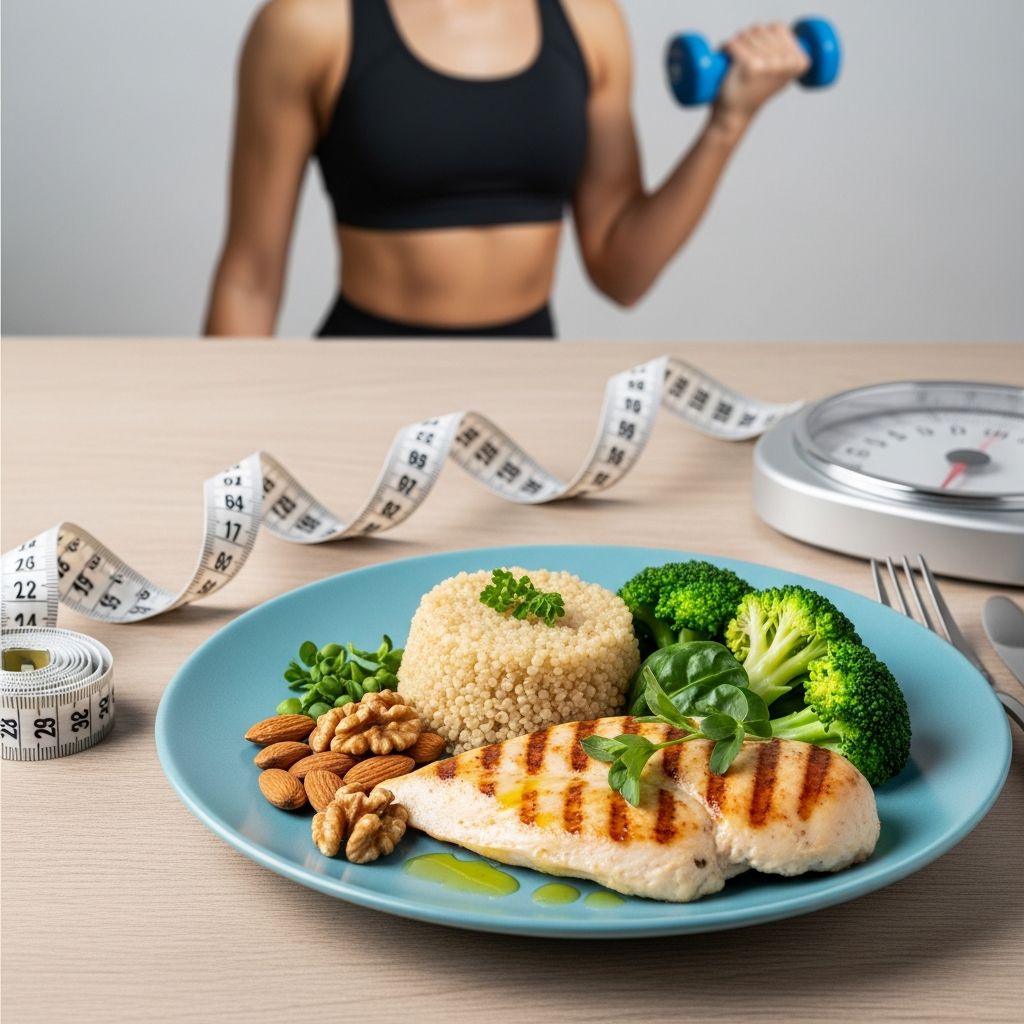
Understanding High-Protein Diets
A high-protein diet involves consuming protein levels above the recommended dietary allowance (RDA), which is typically 0.8 grams per kilogram of body weight for sedentary adults. High-protein diets generally provide 18–25% or more of daily calories from protein sources, compared to standard diets that contain around 15% of calories from protein. These diets have gained significant popularity due to their scientifically supported benefits for weight management and body composition improvement.
The appeal of high-protein diets extends beyond simple weight loss. Clinical evidence demonstrates that elevated protein consumption produces measurable changes in body composition, particularly by reducing fat mass while preserving lean muscle tissue, even when total calorie intake remains unchanged. This distinction is crucial because many traditional weight-loss approaches result in loss of both fat and muscle, leading to a less desirable body composition.
How High-Protein Diets Promote Weight Loss
High-protein diets facilitate weight loss through multiple interconnected biological mechanisms. Understanding these mechanisms helps explain why protein-focused nutrition can be more effective than other dietary approaches.
Increased Satiety and Appetite Suppression
One of the primary mechanisms through which high-protein diets promote weight loss is by increasing feelings of fullness and satiety. Protein affects appetite regulation through several pathways:
- Hormone modulation: Protein intake elevates levels of appetite-suppressing hormones including glucagon-like peptide-1 (GLP-1), cholecystokinin (CCK), and peptide YY (PYY), which are secreted in the gut. Simultaneously, protein consumption decreases ghrelin, an orexigenic hormone that triggers hunger signals.
- Amino acid concentration: Elevated blood amino acid levels resulting from protein digestion contribute to increased satiety signals.
- Metabolic demand: The increased oxygen requirements for metabolizing dietary protein enhance satiety through physiological mechanisms.
These hormonal changes create a natural reduction in appetite, helping individuals consuming high-protein diets feel satisfied with fewer calories and experience fewer hunger cravings throughout the day.
Diet-Induced Thermogenesis
Protein has a markedly higher diet-induced thermogenesis (DIT)—also called the thermic effect of food—compared to carbohydrates and fats. DIT represents the energy expenditure required to digest, absorb, and process nutrients from consumed food. Protein requires approximately 20–30% of its calories for digestion, whereas carbohydrates require 5–10% and fats require only 0–3%. This difference means that consuming 100 calories of protein requires more energy expenditure than consuming the same calories from carbohydrates or fats.
This elevated energy expenditure contributes to a negative energy balance—a state where energy output exceeds energy input—facilitating weight loss without necessarily reducing overall calorie consumption.
Preservation of Resting Energy Expenditure
During weight loss, the body typically experiences a decline in resting energy expenditure (REE), also known as metabolic adaptation or metabolic slowdown. This adaptation is a significant challenge in long-term weight management. High-protein diets help prevent this decline by preserving lean muscle mass (fat-free mass). Research analyzing 24 randomized controlled trials found that while both high-protein and standard-protein diet groups experienced reduced REE, the high-protein groups maintained a higher REE—approximately 142 additional kilocalories per day. This preservation of metabolic rate supports more sustainable weight loss over time.
Related Stories



Enhanced Gluconeogenesis and Ketogenesis
High protein intake increases hepatic gluconeogenesis (the production of glucose from non-carbohydrate sources) and ketogenesis (the production of ketone bodies), both of which contribute to increased satiety and energy expenditure. These metabolic processes require additional energy and alter hormonal signaling in ways that support weight loss.
Body Composition Improvements
Beyond weight loss, high-protein diets produce superior body composition outcomes. A 6-month clinical trial comparing high-protein and high-carbohydrate diets found that participants following the high-protein approach lost significantly more weight (3.7 kg) and more fat mass (3.3 kg) compared to the high-carbohydrate group.
Perhaps most importantly, high-protein diets preserve fat-free mass (muscle tissue) while reducing fat mass. When participants consumed 18% of daily calories from protein compared to a control group consuming 15%, the protein group showed 50% less weight regain following initial weight loss. Critically, the weight regain in the protein group consisted primarily of fat-free mass (muscle), while the control group’s weight regain was predominantly fat. This distinction demonstrates that protein preservation helps maintain metabolic capacity and functional fitness after weight loss.
Long-Term Weight Management
Clinical trials spanning 6–12 months provide strong evidence that high-protein diets produce sustained weight loss and prevent weight regain after initial weight loss. This long-term effectiveness distinguishes high-protein approaches from many other dietary interventions that show diminishing results over time.
The ability of high-protein diets to prevent weight regain likely stems from the combination of sustained satiety, preserved muscle mass, and maintained metabolic rate. These factors work synergistically to make long-term weight maintenance more achievable for individuals who have successfully lost weight.
Safety Considerations and Potential Concerns
High-protein diets are generally well-tolerated in healthy individuals. However, certain considerations and potential concerns warrant attention:
Safe for Generally Healthy Individuals
For people without underlying medical conditions, high-protein diets do not cause documented medical problems. The evidence supports their safety as a weight-loss approach in this population.
Potential Issues with Restrictive Variants
Some extreme high-protein diets, such as the carnivore diet, severely restrict carbohydrate intake. These restrictive approaches may create several issues:
- Inadequate nutrient intake and insufficient dietary fiber
- Undesirable side effects including bad breath, headaches, and constipation
- Potential nutritional deficiencies if food variety is severely limited
Saturated Fat and Heart Health
Some high-protein diets emphasize red meat, processed meats, and foods high in saturated fat. These choices may increase the risk of heart disease and elevate low-density lipoprotein (LDL) cholesterol, commonly known as “bad” cholesterol. Careful protein selection mitigates this concern.
Kidney Health Considerations
For individuals with existing kidney disease, high-protein diets may worsen kidney function because the body may struggle to eliminate all waste products from protein metabolism. Anyone with kidney disease should consult healthcare providers before adopting a high-protein diet.
Choosing Quality Protein Sources
The type of protein consumed significantly impacts the health profile of a high-protein diet. The most beneficial protein choices include:
- Lean poultry (chicken and turkey breast without skin)
- Fish and seafood, particularly fatty fish rich in omega-3 fatty acids
- Plant-based proteins including soy products, beans, lentils, and legumes
- Nuts and seeds, which provide protein along with healthy fats and micronutrients
- Lean beef and pork trimmed of visible fat
- Low-fat dairy products including Greek yogurt, cottage cheese, and milk
- Egg whites and whole eggs (in moderation)
Prioritizing nutrient-dense, minimally processed protein sources maximizes the health benefits of high-protein diets while minimizing potential risks associated with processed meats and excessive saturated fat intake.
Balanced High-Protein Diet Approach
The most effective high-protein diets include all major food groups rather than relying exclusively on protein sources. A balanced approach incorporates adequate carbohydrates for energy, healthy fats for hormone production and nutrient absorption, and diverse micronutrient sources including vegetables and fruits. This comprehensive approach provides both the weight-loss benefits of elevated protein intake and the nutritional security of dietary diversity.
Who Should Consult Healthcare Providers
Certain individuals should discuss high-protein diets with healthcare providers before implementation:
- People with kidney disease or impaired kidney function
- Individuals with diabetes or glucose metabolism disorders
- Those with long-term (chronic) health conditions
- Anyone planning significant dietary changes
Professional guidance ensures that a high-protein approach aligns with individual health status and medical history.
Frequently Asked Questions About High-Protein Diets
Q: How much protein do I need daily on a high-protein diet?
A: High-protein diets typically provide 18–25% or more of daily calories from protein. This generally translates to 1.2–2.0 grams of protein per kilogram of body weight daily, depending on individual goals and health status. Professional guidance can help determine appropriate intake for your specific circumstances.
Q: Can high-protein diets cause weight loss without calorie restriction?
A: High-protein diets promote weight loss through increased satiety, elevated diet-induced thermogenesis, and preserved metabolic rate. While these mechanisms support weight loss even without strict calorie counting, sustained weight loss typically requires that total energy intake remains lower than energy expenditure, though the protein-induced changes help create this deficit naturally.
Q: How long does it take to see results from a high-protein diet?
A: Clinical trials demonstrate measurable weight loss and body composition improvements within 6 months of following a high-protein diet. Individual results vary based on baseline weight, metabolic rate, overall calorie intake, and adherence to the dietary approach.
Q: Is a high-protein diet safe for long-term use?
A: For healthy individuals without kidney disease or other contraindications, high-protein diets are safe for long-term use, with clinical evidence supporting benefits over 6–12 month periods and beyond. However, choosing nutrient-rich protein sources and maintaining dietary variety ensures optimal nutrition.
Q: Can vegetarians and vegans follow high-protein diets?
A: Yes. Plant-based protein sources including soy products, legumes, beans, lentils, nuts, and seeds provide adequate protein for high-protein diet approaches. Combining complementary plant proteins ensures complete amino acid profiles.
Q: Will a high-protein diet affect my workout performance?
A: High-protein diets support muscle preservation during weight loss and provide amino acids necessary for muscle repair and growth. This makes them particularly beneficial for individuals engaged in strength training or resistance exercise.
References
- Clinical Evidence and Mechanisms of High-Protein Diet-Induced Weight Loss and Improved Body Composition — National Institutes of Health, National Center for Biotechnology Information. 2020-09-01. https://pmc.ncbi.nlm.nih.gov/articles/PMC7539343/
- High-Protein Diets: Are They Safe? Frequently Asked Questions — Mayo Clinic. 2025-04-25. https://www.mayoclinic.org/healthy-lifestyle/nutrition-and-healthy-eating/expert-answers/high-protein-diets/faq-20058207
Similar Articles








Read full bio of Sneha Tete