High-Protein Dip Formula: 7 Best Variations
Create endless high-protein dips with this simple cottage cheese formula—perfect for snacking with veggies and fruits.
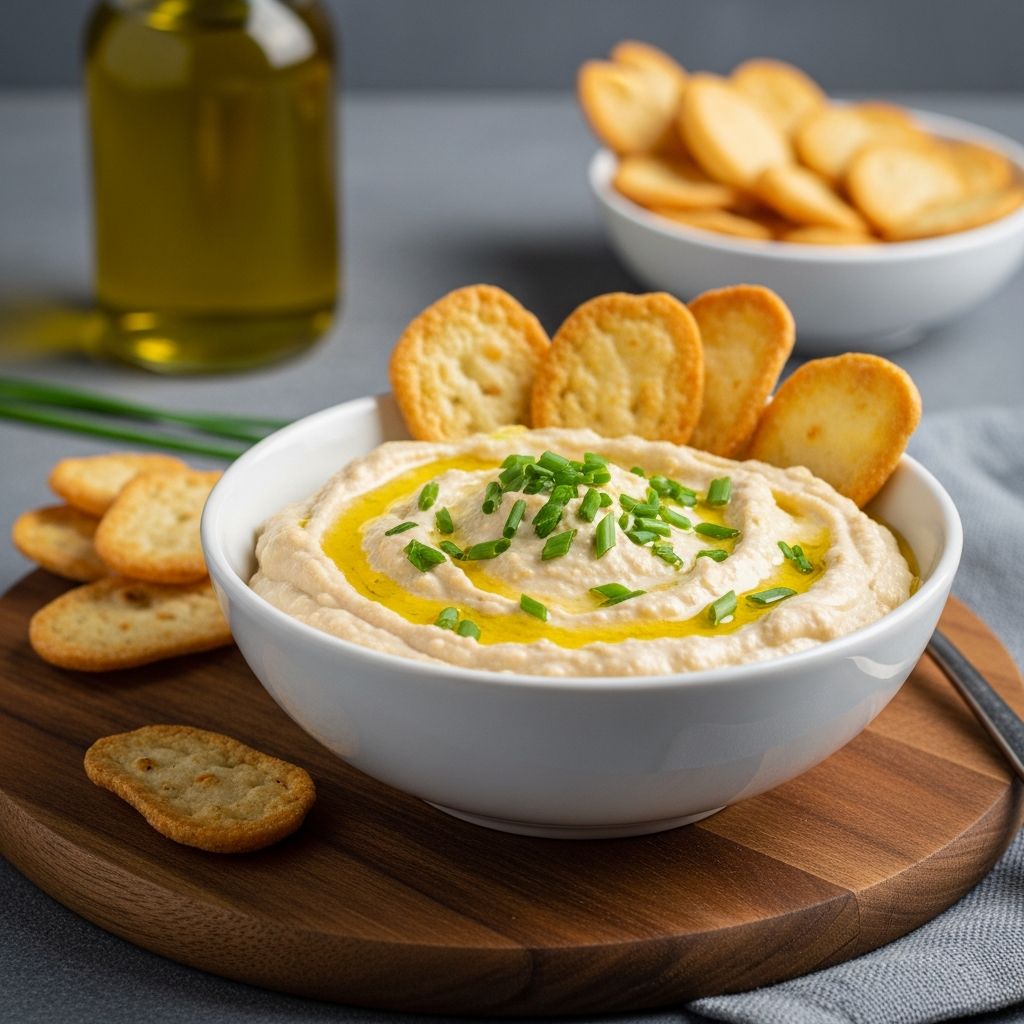
This versatile
high-protein dip formula
starts with blended nonfat cottage cheese as the creamy base, boosted with flavorful add-ins like pesto, herbs, spices, or grated cheeses. Whip it up in minutes for a nutritious snack or appetizer that pairs perfectly with crunchy veggies like mini bell peppers, carrot sticks, celery, or fresh fruits. Each serving delivers significant protein while keeping calories low, making it ideal for weight management, muscle support, or anytime hunger strikes.Nonfat cottage cheese provides a smooth, creamy texture when blended, offering about 14 grams of protein per half-cup serving without added fats. Customizing the formula allows endless variations—from savory pesto-Parmesan to zesty ranch or spicy Buffalo styles—ensuring you never get bored. This approach transforms a simple ingredient into guilt-free indulgence, supporting balanced eating with high satiety from protein and fiber-rich dippers.
How to Make the High-Protein Dip Formula
Creating this dip is straightforward and requires minimal equipment—a blender or food processor works best for that ultra-smooth consistency. Start with 2 cups of nonfat cottage cheese, which yields about 8 servings of dip. Blend until creamy, then stir in 3-4 tablespoons of your chosen flavor boosters. Chill for 30 minutes to let flavors meld, and serve with 3 cups of sliced veggies or fruits for a complete snack plate.
**Step-by-Step Instructions:**
- Step 1: Add 2 cups nonfat cottage cheese to a blender or food processor. Blend on high for 1-2 minutes until completely smooth and creamy, scraping down sides as needed. This eliminates any curds for a hummus-like texture.
- Step 2: Transfer the blended cheese to a bowl. Fold in your flavorings: 3 tablespoons pesto and 2 tablespoons grated Parmesan for the classic version, or experiment with alternatives listed below.
- Step 3: Taste and adjust seasoning with salt, pepper, or a squeeze of lemon juice. Cover and refrigerate for at least 30 minutes—or up to 3 days—for best flavor development.
- Step 4: Serve with dippers like 3 cups mini bell peppers (halved), sliced cucumbers, cherry tomatoes, apple slices, or whole-grain crackers. Portion into ¼ cup servings for controlled snacking.
Total prep time is just 5 minutes, with no cooking required. Store leftovers in an airtight container in the fridge for up to 5 days; stir before serving as separation may occur.
High-Protein Dip Variations
The beauty of this formula lies in its adaptability. Swap in different herbs, sauces, or cheeses to match your cravings or pantry staples. Here are tested variations, each maintaining the high-protein profile while adding unique twists:
- Pesto-Parmesan Dip: 3 Tbsp pesto + 2 Tbsp grated Parmesan. Italian-inspired, vibrant green, and garlicky. Pairs with bell peppers or cherry tomatoes.
- Ranch Dip: 1 tsp garlic powder + 1 tsp onion powder + 2 tsp dried dill + ½ tsp salt + chives for garnish. Cool, herby classic that’s lower in fat than traditional ranch.
- Everything Bagel Dip: 2 Tbsp everything bagel seasoning + 1 Tbsp chopped scallions. Savory, seed-packed flavor mimicking your favorite bagel topping.
- Buffalo Dip: 3 Tbsp Buffalo hot sauce + 1 Tbsp crumbled blue cheese. Spicy kick with cooling yogurt-like creaminess from cottage cheese.
- Chipotle Dip: 2 Tbsp chipotle peppers in adobo (blended) + 1 tsp lime juice + ½ tsp cumin. Smoky, spicy, and Mexican-inspired for tortilla chips or jicama sticks.
- Curry Dip: 1 Tbsp curry powder + 2 Tbsp plain Greek yogurt + chopped cilantro. Exotic, warming spices for an Indian flair with cucumber slices.
- Garlic-Herb Dip: 2 minced garlic cloves + 2 Tbsp fresh chopped herbs (basil, parsley, dill) + 1 tsp lemon zest. Fresh, Mediterranean vibe.
Each variation uses about 3-4 Tbsp total add-ins to keep the protein dominant. For sweeter options, try blending in 2 Tbsp honey or cinnamon with apple slices, though savory shines brightest here.
Nutrition Information
This dip formula prioritizes
protein
while minimizing carbs, fats, and sugars, aligning with low-glycemic eating. Per ¼ cup serving (based on pesto-Parmesan version with bell peppers):| Nutrient | Amount per Serving | % Daily Value* |
|---|---|---|
| Calories | 74.5 kcal | 4% |
| Total Fat | 3.4 g | 5% |
| Carbohydrates | 6 g | 2% |
| Sugars | 0.7 g | 1% |
| Protein | 5.3 g | 11% |
| Sodium | 167.2 mg | 8% |
| Fiber | 0.6 g | 2% |
*Based on a 2,000-calorie diet. Glycemic Index: 20 (Low), Glycemic Load: 1 (Low). Protein comes primarily from cottage cheese, a complete source with all essential amino acids. Pairing with veggies boosts fiber and micronutrients like vitamin C from bell peppers.
Related Stories



Benefits include sustained energy, muscle repair, and appetite control. USDA data confirms nonfat cottage cheese as an excellent protein source, with low calories supporting weight loss diets. For higher protein, use low-fat cottage cheese (25g protein per cup).
Best Dippers for High-Protein Dips
Choose low-calorie, nutrient-dense dippers to keep the snack balanced. Aim for 3 cups total per batch:
- Veggies: Mini bell peppers (sweet, crunchy), carrot and celery sticks, sliced cucumbers, broccoli florets, radishes, zucchini rounds, endive leaves.
- Fruits: Apple or pear slices (sprinkle with lemon to prevent browning), grapes, strawberries for a sweet-savory contrast.
- Other: Whole-grain pita chips, rice cakes, or roasted chickpeas for crunch without excess calories.
Avoid high-fat dippers like regular chips to preserve the health focus. This combo yields a snack under 100 calories with 10g+ protein when including dippers.
Storage and Make-Ahead Tips
Prepare the base ahead: blended cottage cheese stores in the fridge for 5 days. Add flavors just before serving to maintain freshness, as fresh herbs or pesto can oxidize. Freeze portions in ice cube trays for single-serve dips (thaw overnight). Always use clean utensils to avoid contamination.
Frequently Asked Questions (FAQs)
What makes cottage cheese ideal for high-protein dips?
Cottage cheese blends into a creamy, neutral base with 14g protein per ½ cup, low fat, and minimal carbs. It’s versatile and budget-friendly.
Can I make this without a blender?
Yes, stir vigorously or use an immersion blender, though texture may be slightly curdled. A food processor yields the smoothest results.
Is this dip suitable for meal prep?
Absolutely—portion into containers with pre-sliced veggies for grab-and-go snacks lasting 3-5 days.
How can I make it dairy-free?
Substitute with blended silken tofu or white beans + nutritional yeast for protein, adjusting flavors accordingly.
Does it taste like cottage cheese?
No, blending eliminates the tangy taste, and bold add-ins like pesto mask it completely for a premium dip experience.
Why This High-Protein Dip Formula Works for Everyone
Whether you’re following a high-protein diet, managing blood sugar, or seeking kid-friendly healthy snacks, this formula delivers. It’s naturally gluten-free, low-carb, and customizable for dietary needs (e.g., vegan swaps). Families love the fun dipper assembly, while athletes appreciate the macro-friendly profile. Expand your snack game beyond hummus or yogurt dips—this cottage cheese hack is a game-changer for flavor without compromise.
Experiment boldly: double garlic for vampires, add sriracha for heat lovers, or go sweet-savory with everything bagel on apple slices. Track your macros easily since the base is consistent. Nutrition experts endorse cottage cheese for its casein protein, which digests slowly for lasting fullness.
References
- Dietary Guidelines for Americans, 2020-2025 — U.S. Department of Agriculture and U.S. Department of Health and Human Services. 2020-12-01. https://www.dietaryguidelines.gov/sites/default/files/2020-12/Dietary_Guidelines_for_Americans_2020-2025.pdf
- Protein Foods Group: Cottage Cheese Nutrition — USDA FoodData Central. 2024-01-15. https://fdc.nal.usda.gov/fdc-app.html#/food-details/172179/nutrients
- High-Protein Snacks for Weight Management — National Institutes of Health (NIH), Office of Dietary Supplements. 2023-06-20. https://ods.od.nih.gov/factsheets/Protein-HealthProfessional/
- Glycemic Index Database — University of Sydney Glycemic Index Research Service. 2025-01-01. http://www.glycemicindex.com/foodSearch.php
- Snacking Patterns and Diet Quality — Harvard T.H. Chan School of Public Health. 2024-09-12. https://nutritionsource.hsph.harvard.edu/healthy-snacks/
Similar Articles








Read full bio of medha deb