High-Protein Foods: Best Sources for a Healthy Diet
Discover the best protein sources to support your health and wellness goals.
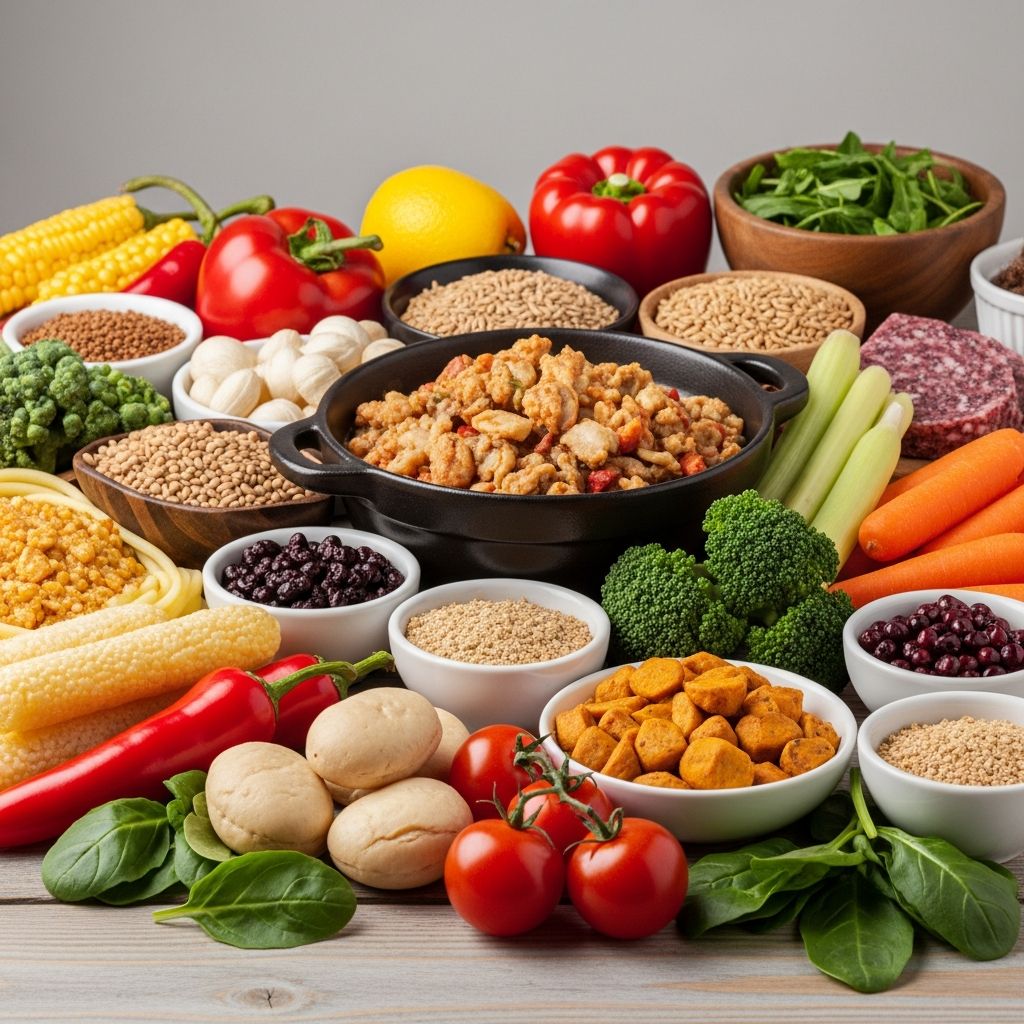
Protein is one of the three essential macronutrients your body needs to function properly, alongside carbohydrates and fats. It plays a crucial role in building and repairing muscles, producing enzymes and hormones, supporting immune function, and maintaining healthy skin and hair. However, not all protein sources are created equal. The source of your protein—what researchers call the protein “package”—matters more than the total amount you consume. Understanding which protein sources offer the most health benefits can help you make informed dietary choices that support long-term wellness.
How Much Protein Do You Really Need?
One of the most common questions about protein is how much you should eat each day. The answer depends on several factors, including your age, sex, activity level, and overall health status. According to Harvard nutrition experts, a general rule of thumb is to calculate your protein needs based on your body weight. For most adults, the recommendation is approximately 0.36 to 0.45 grams of protein per pound of body weight per day. For example, a 140-pound person with a normal body mass index would need roughly 50 to 63 grams of protein daily under normal circumstances.
For those engaging in regular exercise or strength training, protein requirements may be higher. However, it’s important not to exceed 2 grams per kilogram of ideal body weight, which would amount to approximately 125 grams per day for a 140-pound person with a normal BMI. The key is finding the right balance for your individual needs rather than following trendy high-protein diets that may exceed recommended intakes.
Understanding Protein Quality: Animal vs. Plant-Based Sources
When evaluating protein sources, quality matters significantly. Protein quality refers to how well a food provides all nine essential amino acids that your body cannot produce on its own. Animal-based proteins tend to be complete proteins, meaning they contain all essential amino acids in adequate amounts. These sources include meat, poultry, fish, eggs, and dairy products.
Plant-based proteins, found in fruits, vegetables, grains, nuts, and seeds, often lack one or more essential amino acids. However, this doesn’t mean they’re inferior options. By consuming a variety of plant-based proteins throughout the day, you can obtain all the amino acids your body needs to synthesize new proteins. Additionally, complete plant proteins like quinoa and chia seeds provide all essential amino acids in a single food.
Research consistently shows that the source of protein matters more for health outcomes than the quantity. Eating healthy protein sources like beans, nuts, fish, and poultry instead of red meat and processed meat can significantly lower your risk of cardiovascular disease, certain cancers, and premature death.
Plant-Based Protein Sources: Your Healthiest Option
Plant-based proteins offer numerous health advantages. They’re naturally rich in unsaturated fats, fiber, vitamins, minerals, and beneficial phytochemicals like flavonoids. Unlike many animal proteins, plant-based options contain no dietary cholesterol and help lower LDL (“bad”) cholesterol levels in your bloodstream. Research demonstrates that diets higher in plant-based proteins such as legumes, soy, and nuts result in lower total and LDL cholesterol compared to diets centered on red meat.
Legumes: The Protein Powerhouses
Legumes—beans, peas, and lentils—are among the most nutritious protein sources available. They’re affordable, versatile, and packed with protein alongside significant amounts of fiber and essential nutrients. Eating just one daily serving of beans, chickpeas, lentils, or peas can increase feelings of fullness, which may support better weight management and weight loss. Legume options include:
Related Stories



- Lentils
- Beans (adzuki, black, fava, chickpeas/garbanzo, kidney, lima, mung, pinto)
- Peas (green, snow, snap, split)
- Edamame and soybeans
- Soy products (tofu, tempeh)
- Peanuts
Nuts and Seeds: Nutrient-Dense Options
Nuts and seeds provide concentrated protein along with healthy fats, vitamins, and minerals. They make excellent snacks or additions to meals and salads. Quality options include almonds, pistachios, cashews, walnuts, hazelnuts, pecans, hemp seeds, pumpkin seeds, sunflower seeds, flax seeds, sesame seeds, and chia seeds. These foods are particularly beneficial for heart health and weight management.
Whole Grains: Complete Protein Sources
Several whole grains provide meaningful amounts of protein. Options include kamut, teff, wheat, quinoa, rice, wild rice, millet, oats, and buckwheat. Quinoa deserves special mention as a complete protein containing all nine essential amino acids, making it an excellent choice for vegetarians and vegans.
Vegetables with Higher Protein Content
While most vegetables contain modest protein amounts compared to legumes and grains, some varieties offer more substantial quantities. These include corn, broccoli, asparagus, Brussels sprouts, and artichokes.
Animal-Based Protein Sources: Making Better Choices
If you consume animal-based proteins, selection is critical. Not all animal proteins offer equal health benefits due to differences in fat composition and processing methods.
Poultry: A Lean Option
Chicken, turkey, and duck are generally considered the best animal protein choices. They’re leaner than red meat and contain less saturated fat. Research shows that eating chicken without skin is associated with less weight gain, while chicken with skin promotes greater weight gain. Removing skin significantly reduces fat and calorie content while preserving protein benefits.
Seafood: Heart-Healthy Protein
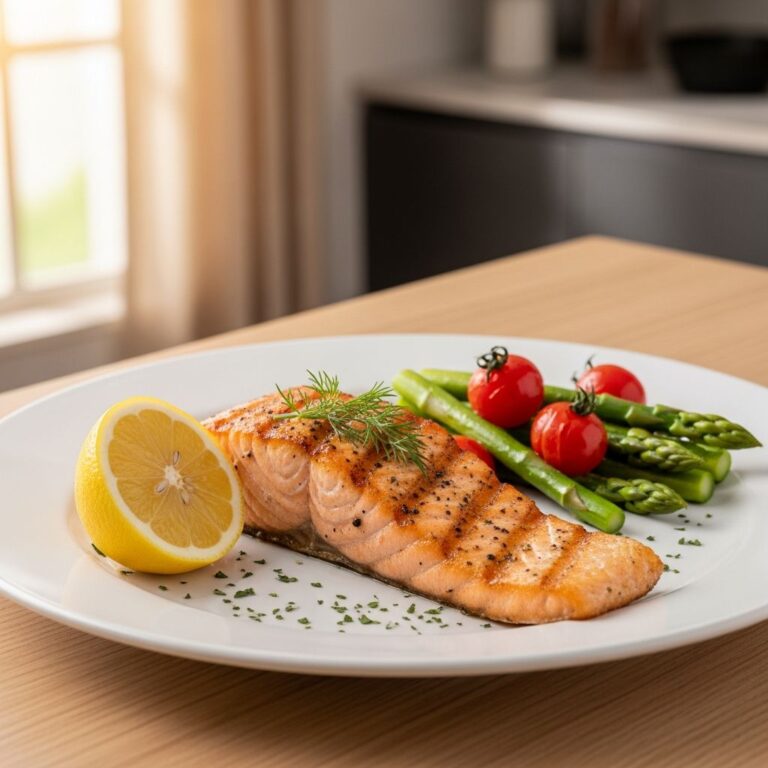
Fish and other seafood (crustaceans and mollusks) rank among the healthiest protein sources. Fatty fish like salmon provide omega-3 fatty acids, which support cardiovascular and brain health. The Mediterranean and DASH diets, recognized by Harvard experts as excellent dietary patterns, emphasize seafood as a primary protein source.
Eggs: A Complete Protein
Eggs provide all essential amino acids and contain choline, which supports brain health. They’re versatile, affordable, and suitable for various dietary preferences. However, preparation method matters—boiling or poaching is preferable to frying in butter or oil.
Dairy: Choose Wisely
Dairy products provide complete protein and calcium for bone health. However, Harvard experts recommend consuming dairy in moderation—approximately one to two servings daily. Prioritize low-fat or fat-free options and emphasize yogurt rather than obtaining all servings from milk or cheese. Research shows that yogurt, particularly plain varieties, is associated with less weight gain compared to regular cheese.
Red Meat: Consume Sparingly
Red meat, including unprocessed beef, pork, and lamb, should be limited. These meats contain higher levels of saturated fat and cholesterol, which increase cardiovascular disease risk. Diets high in red meat and higher saturated fat amounts may increase risks for heart disease and colon cancer. When you do consume red meat, choose lean cuts and keep portions moderate.
Processed Meat: Avoid When Possible
Processed meats like bacon, sausage, and deli meats should be largely avoided. They contain added sodium and preservatives and are associated with increased risks for heart disease, colon cancer, and other health conditions.
Creating a Balanced High-Protein Diet
Successfully incorporating adequate protein into your diet requires a thoughtful approach that considers both quantity and quality.
Key Strategies for Healthy Protein Consumption
- Consult your healthcare provider: Discuss whether you have any health conditions, such as kidney disease, that might require modified protein intake.
- Choose healthy protein sources: Prioritize low-fat dairy products, fish, nuts, beans, and lean poultry while avoiding processed proteins high in saturated fat and refined carbohydrates.
- Distribute protein throughout the day: Rather than consuming most protein at one meal, spread your intake across breakfast, lunch, dinner, and snacks.
- Maintain overall diet balance: Combine proteins with plenty of vegetables, fruits, whole grains, and healthy fats.
- Consider meal order: Eating vegetables first provides volume for satiety, followed by protein to signal fullness to your brain, with carbohydrates last for optimal blood sugar control.
Following Evidence-Based Diet Patterns
Two dietary patterns recommended by Harvard experts for protein balance are the Mediterranean diet and the DASH (Dietary Approaches to Stop Hypertension) diet. Both emphasize plant-based proteins, healthy fats, whole grains, and abundant vegetables and fruits while limiting red meat and processed foods. These patterns have demonstrated benefits for cardiovascular health, weight management, and disease prevention.
The Risks of Excessive Protein Intake
While protein is essential, consuming too much can present health risks. U.S. adults currently consume an average of 2.9 ounces of protein daily—approximately 20% more than recommended amounts. This trend has been driven partly by food industry marketing, as companies have quadrupled high-protein product sales over the past decade despite no increased need for protein among the general population.
Excessive protein consumption, particularly from animal sources high in saturated fat, may increase kidney stone risk. Additionally, since protein contains more calories per volume than vegetables, consuming very high amounts without adjusting overall calorie intake can contribute to unintended weight gain.
Frequently Asked Questions
Q: How can vegetarians and vegans meet their protein needs?
A: By consuming a variety of plant-based proteins including legumes, nuts, seeds, and whole grains, vegetarians and vegans can easily meet their protein requirements and obtain all essential amino acids. Complete plant proteins like quinoa and chia seeds are particularly valuable options.
Q: Is high-protein diet safe for everyone?
A: For most healthy people, higher protein intake isn’t dangerous, but it’s important to speak with your healthcare provider if you have kidney disease or other health conditions that might be affected by increased protein consumption.
Q: Can plant-based proteins support muscle building?
A: Yes, plant-based proteins can support muscle development when consumed in adequate amounts and distributed throughout the day. Combining various plant protein sources ensures you obtain all essential amino acids needed for muscle synthesis.
Q: Why is the source of protein more important than the amount?
A: The protein “package” includes not just amino acids but also accompanying nutrients like fats, fiber, vitamins, and minerals. Plant-based proteins provide beneficial fiber and unsaturated fats, while red meat contains saturated fat and cholesterol that increase disease risk. These differences make protein source more significant for health outcomes than total quantity.
Q: How should I adjust protein intake if I exercise regularly?
A: Athletes and those engaged in regular strength training may benefit from higher protein intake, but even then, keeping total protein below 2 grams per kilogram of ideal body weight is generally recommended. Consult with a nutritionist or your healthcare provider for personalized guidance based on your specific training goals.
References
- Harvard scientists reveal how much protein we should really be eating — Food Bible. 2025-06-19. https://www.foodbible.com/health/diet/how-much-protein-should-you-eat-636314-20250619
- Protein – The Nutrition Source — Harvard T.H. Chan School of Public Health. 2025. https://nutritionsource.hsph.harvard.edu/what-should-you-eat/protein/
- Demystifying Protein — Academy of Nutrition and Dietetics. 2020. https://www.anfponline.org/docs/default-source/legacy-docs/docs/ce-articles/nc072020.pdf
- Protein is important—but we’re eating too much, experts say — Harvard School of Public Health News. 2025. https://hsph.harvard.edu/news/protein-is-important-but-were-eating-too-much-experts-say/
- The truth about high-protein diets – Harvard Gazette — Harvard University. 2025-11. https://news.harvard.edu/gazette/story/2025/11/looking-to-build-muscle-lose-weight-need-more-protein-right-probably-not/
Similar Articles








Read full bio of Sneha Tete