High-Protein Foods List According to a Dietitian
Discover the best high-protein foods recommended by dietitians to boost muscle health, satiety, and overall wellness effectively.
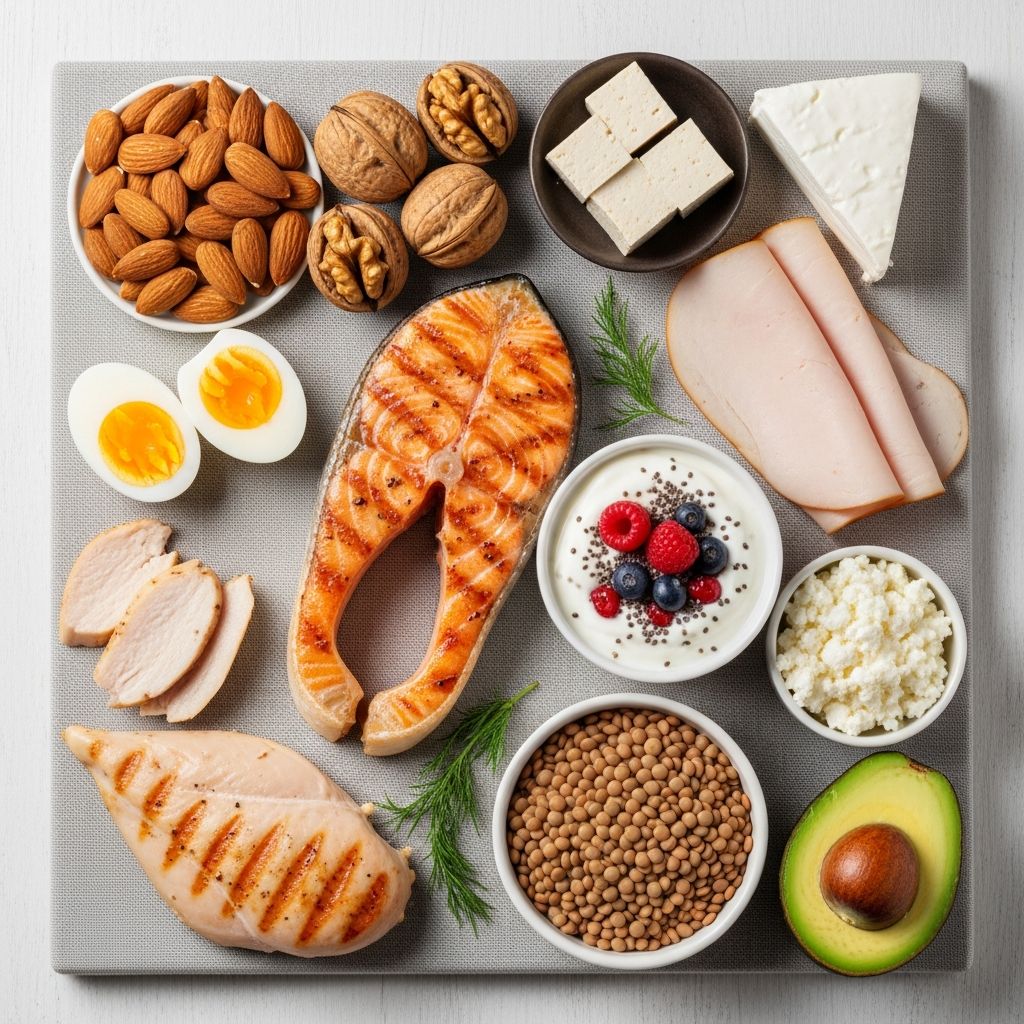
Protein is essential for building and repairing tissues, supporting muscle growth, maintaining strong bones, and bolstering immune function. As a macronutrient composed of amino acids, it forms the foundation of every cell in the body. Many people associate high-protein intake with large meat portions, but a variety of affordable, nutrient-dense foods can help meet needs effectively.
This guide, informed by dietitian insights, outlines top high-protein foods, their nutritional profiles, and versatile ways to incorporate them into meals. Whether aiming for satiety, muscle maintenance, or overall health, these options provide complete or complementary proteins alongside vitamins, minerals, and fiber.
What Is Protein?
Protein serves as the building block for muscles, known as amino acids, and is present in every cell. It supports muscle repair, bone strength, immune health, and hormone production. Foods contain 20 amino acids, nine of which are essential and must come from diet. Animal sources like meat and eggs offer complete proteins with all essentials, while plant sources like legumes often pair well for completeness.
Beyond muscle building, protein aids satiety by slowing digestion, helps regulate blood sugar, and preserves lean mass during weight loss. Insufficient intake can lead to muscle loss, weakened immunity, and fatigue, making consistent consumption key.
How Much Protein Do You Need?
The Recommended Dietary Allowance (RDA) for protein is 0.8 grams per kilogram of body weight for sedentary adults, or about 46 grams for women and 56 grams for men daily. For a 150-pound person, this equates to roughly 55 grams. Active individuals, older adults, or those building muscle may need 1.2–2.0 grams per kilogram.
Most Americans meet or exceed needs, but distribution matters—aim for 20–30 grams per meal to optimize muscle protein synthesis. Factors like age, activity level, and health goals influence requirements. Consult a dietitian for personalized targets, especially during pregnancy, recovery, or athletic training.
| Group | RDA (g/kg body weight) | Example for 150 lb (68 kg) Person |
|---|---|---|
| Sedentary Adult | 0.8 | 54 grams/day |
| Active Adult | 1.2–1.6 | 82–109 grams/day |
| Athlete/Strength Training | 1.6–2.0 | 109–136 grams/day |
| Older Adult (65+) | 1.0–1.2 | 68–82 grams/day |
Table sourced from dietary guidelines; adjust based on individual needs.
1. Lean Beef
A 3-ounce serving of lean beef delivers about 25 grams of protein, covering roughly 50% of average daily needs. Choose cuts like sirloin, tenderloin, or 93% lean ground beef to minimize saturated fat while gaining B vitamins, zinc, and iron for immune support and oxygen transport.
Research supports moderate beef consumption for muscle health without excess risk when portioned at 3–4 ounces a few times weekly. Grill, stir-fry, or slow-cook for tender results. Pair with vegetables for balanced plates.
- Protein: 25g per 3 oz cooked
- Benefits: High-quality complete protein, heme iron, zinc
- Ideas: Beef stir-fry, tacos, salads
2. Chicken Breast
Boneless, skinless chicken breast offers 27 grams of protein per 3 ounces—more than beef—with less saturated fat, making it heart-friendly. It’s versatile, budget-friendly, and rich in B vitamins for energy metabolism.
Dietitians recommend it as a lean staple for salads, soups, or grilling. Bake, poach, or air-fry to retain moisture without added fats.
Related Stories



- Protein: 27g per 3 oz cooked
- Benefits: Low-fat, versatile, supports heart health
- Ideas: Grilled skewers, wraps, sheet-pan dinners
3. Salmon
Three ounces of cooked salmon provide 19–22 grams of protein plus omega-3 fatty acids for heart and brain health. Opt for frozen or canned to save money and extend shelf life.
Bake, broil, or pan-sear; aim for two servings weekly per guidelines.
- Protein: 19g per 3 oz
- Benefits: Omega-3s, anti-inflammatory
- Ideas: Baked fillets, patties, salads
4. Eggs
One large egg contains 6 grams of protein, making them the most affordable source at under 25 cents per serving. Complete protein with choline for brain health; use in any meal.
Boil, scramble, or bake; limit to 1–2 daily if cholesterol-conscious.
- Protein: 6g per large egg
- Benefits: Budget-friendly, versatile
- Ideas: Omelets, hard-boiled snacks, frittatas
5. Peanut Butter
Two tablespoons offer 8 grams of protein. Choose natural varieties without added sugar; swap with almond butter if allergic. Pairs with carbs for sustained energy.
- Protein: 8g per 2 tbsp
- Benefits: Healthy fats, satisfying
- Ideas: On toast, in smoothies, with apples
6. Pasta
One cup cooked pasta provides 6–8 grams of protein alongside carbs. Enriched versions boost B vitamins; top with lean proteins for balance.
- Protein: 6g per cup
- Benefits: Energizing combo
- Ideas: Primavera, cold salads
7. Cottage Cheese
Half a cup low-fat cottage cheese packs 12–14 grams of protein. Versatile for sweet or savory uses; high in calcium for bones.
- Protein: 12g per ½ cup
- Benefits: Low-calorie, probiotic potential
- Ideas: With fruit, in dips, lasagna
8. Lentils
One cup cooked lentils delivers 18 grams of protein, fiber, and antioxidants. Shelf-stable, inexpensive plant-based complete protein when paired.
- Protein: 18g per cup
- Benefits: Fiber-rich, budget-friendly
- Ideas: Soups, salads, curries
Additional High-Protein Foods
Expand options with dietitian-approved picks: Edamame (9g per ½ cup), tofu (10g per ¾ cup), chickpeas (15g per cup), Greek yogurt (11g per ½ cup), turkey (26g per 3 oz), and nuts (6–7g per oz). These support diverse diets, including vegetarian.
Frequently Asked Questions (FAQs)
What are the best high-protein foods for muscle building?
Lean beef, chicken breast, eggs, and cottage cheese top the list due to high leucine content for muscle synthesis.
Can vegetarians get enough protein?
Yes, via lentils, chickpeas, tofu, edamame, and Greek yogurt; combine for complete profiles.
Is too much protein harmful?
Up to 2g/kg is safe for healthy kidneys; balance with fiber and hydration.
How to add more protein daily?
Incorporate into snacks like yogurt parfaits or top salads with eggs and nuts.
What’s the cheapest protein source?
Eggs and lentils offer the best value per gram.
References
- High-Protein Foods List, According to a Dietitian — EatingWell (via YouTube transcript). 2023. https://www.eatingwell.com/article/7938628/high-protein-foods-list-according-to-a-dietitian/
- Try These 21 High-Protein Foods — Cleveland Clinic Health Essentials. 2023-05-10. https://health.clevelandclinic.org/high-protein-foods
- Protein Foods Group – One of the Five Food Groups — MyPlate.gov (USDA). 2024. https://www.myplate.gov/eat-healthy/protein-foods
Similar Articles








Read full bio of Sneha Tete