High-Protein Grains to Add to Your Pantry
Boost your meals with these nutrient-packed, high-protein grains that support muscle health, digestion, and sustained energy.
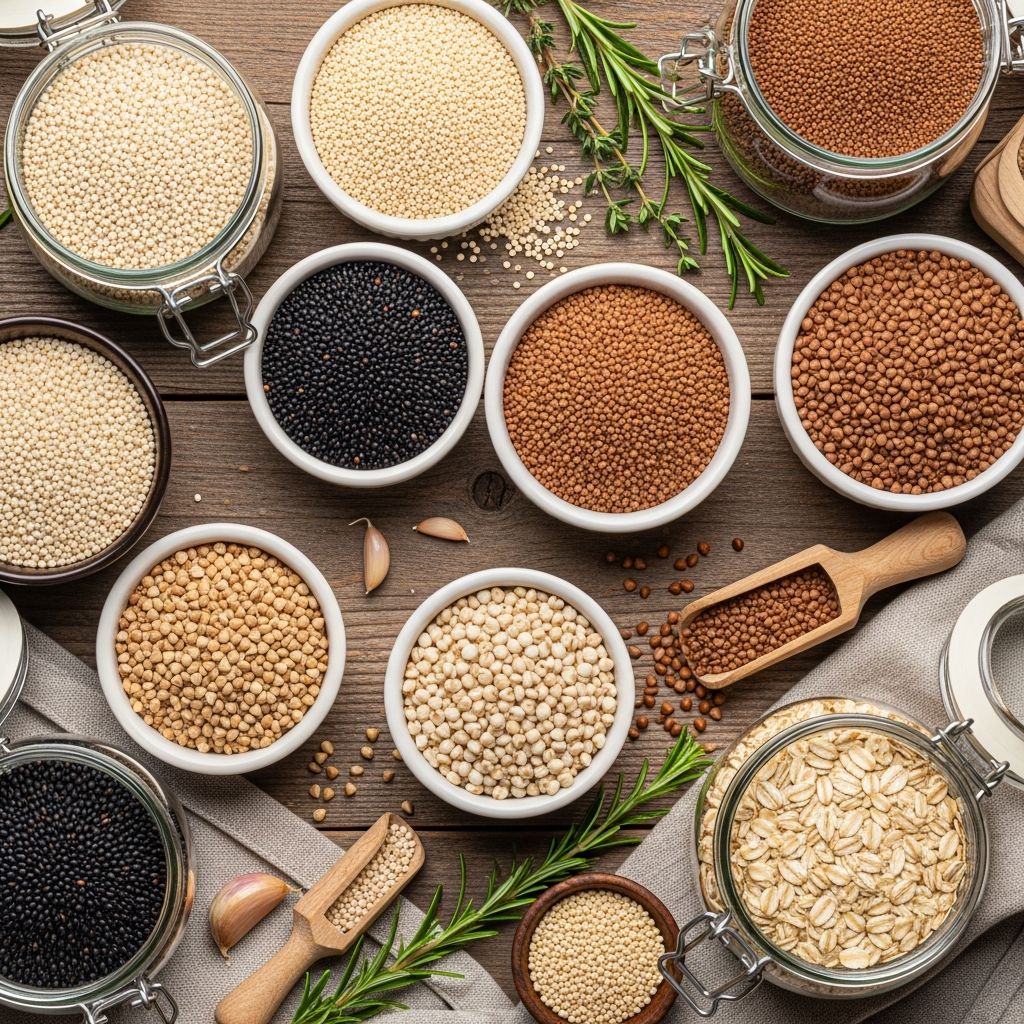
Grains are a cornerstone of many diets, providing essential carbohydrates for energy, but not all grains are created equal when it comes to protein content. High-protein grains stand out as versatile pantry staples that deliver substantial plant-based protein alongside fiber, vitamins, and minerals. These pseudo-cereals and whole grains like quinoa, amaranth, and teff offer complete or near-complete amino acid profiles, making them ideal for vegetarians, vegans, and anyone aiming to boost protein intake without relying solely on animal sources. Incorporating them supports muscle repair, sustained energy, digestive health, and even blood sugar control.
Unlike refined grains, which lose nutrients during processing, these high-protein options retain their bran and germ, maximizing nutritional density. For instance, the U.S. Department of Agriculture’s MyPlate guidelines emphasize whole grains for their role in reducing heart disease risk through fiber that lowers cholesterol. Similarly, the American Heart Association recommends at least three servings daily for optimal health benefits. This article explores nine top high-protein grains, detailing their protein punch per cooked cup, key nutrients, health perks, and simple recipe ideas to get you started.
Why Choose High-Protein Grains?
High-protein grains provide more than just amino acids; they are nutrient powerhouses. They are typically low in saturated fats, rich in soluble and insoluble fiber for gut health, and loaded with B vitamins, magnesium, iron, and antioxidants that combat oxidative stress. For athletes or active individuals, these grains aid muscle recovery and energy production by facilitating oxygen transport.
Plant-based proteins from grains help meet daily needs—adults require about 0.8 grams per kilogram of body weight, but active people may need more—while promoting satiety to aid weight management. Many are gluten-free, accommodating various dietary needs, and their low glycemic index prevents blood sugar spikes. Whole grains like these are linked to lower risks of type 2 diabetes, heart disease, and certain cancers compared to refined counterparts.
1. Quinoa
Quinoa, often hailed as the “mother of all grains” by the Incas, is a gluten-free seed with 8 grams of protein per cooked cup. It’s a complete protein, containing all nine essential amino acids, which enhances its digestibility and utilization by the body. Beyond protein, quinoa boasts omega-3 fatty acids, antioxidants, folate, magnesium, zinc, and iron for immune support and heart health.
- Health Benefits: Supports sustained energy, reduces inflammation, and aids digestion with 5 grams of fiber per serving.
- How to Use: Rinse and cook like rice; add to salads, bowls, or as a breakfast porridge with fruits and nuts.
- Recipe Idea: Quinoa-stuffed bell peppers: Mix cooked quinoa with black beans, corn, and spices, bake in halved peppers.
2. Amaranth
Amaranth, a protein-packed pseudo-cereal related to spinach, delivers 9 grams of protein per cooked cup. Nearly a complete protein, it’s rich in iron, manganese, magnesium, phosphorus, and antioxidants that fight inflammation and may ease arthritis. With 5 grams of fiber, it’s gluten-free and promotes heart health.
- Health Benefits: Boosts mineral intake for bone health and reduces chronic disease risk through anti-inflammatory properties.
- How to Use: Cook into a creamy porridge or pop like popcorn for snacks.
- Recipe Idea: Amaranth breakfast pudding: Simmer with almond milk, top with berries and chia seeds.
3. Teff
Tiny teff seeds pack 10 grams of protein per cooked cup, plus iron and calcium—key nutrients often lacking in diets. This Ethiopian ancient grain is gluten-free, high in fiber, and has a mild, nutty flavor. Its creamy texture mimics polenta.
Related Stories



- Health Benefits: Addresses iron deficiency, supports bone density, and aids bowel regularity.
- How to Use: Use flour for baking or cook whole for porridge and grain bowls.
- Recipe Idea: Teff injera flatbread: Ferment batter for traditional Ethiopian pancakes, serve with stews.
4. Kamut (Khorasan Wheat)
Kamut offers 10 grams of protein and 7.5 grams of fiber per cooked cup, outperforming modern wheat in nutrient density. Rich in minerals, it’s higher in protein for pasta made from it.
- Health Benefits: Enhances satiety, supports digestion, and provides sustained energy.
- How to Use: Cook as a side or grind into flour for bread.
- Recipe Idea: Kamut salad with veggies, feta, and lemon vinaigrette.
5. Millet
Millet, a gluten-free seed, provides 6 grams of protein per cooked cup, with zinc, phosphorus, copper, and a low glycemic index. Its antioxidants earn it the “nutricereal” nickname.
- Health Benefits: Stabilizes blood sugar, boosts immunity, and promotes gut health.
- How to Use: Substitute for rice in pilafs or use in baking.
- Recipe Idea: Millet-stuffed squash: Fill with millet, cranberries, and nuts.
6. Sorghum
Sorghum delivers 8 grams of protein per cup, with zinc, selenium, copper, iron, phosphorus, and B vitamins. Gluten-free and drought-resistant, it’s a global staple.
- Health Benefits: Strengthens immunity and provides versatile nutrition for food security.
- How to Use: Pop like popcorn or grind for flour.
- Recipe Idea: Sorghum grain bowl with roasted veggies and tahini.
7. Buckwheat
Buckwheat groats offer 6 grams of protein per cup, with 12 amino acids, high fiber, and no gluten despite the name. It’s a barley alternative.
- Health Benefits: Supports heart health and provides complete nutrition for gluten-sensitive eaters.
- How to Use: Make kasha or blini pancakes.
- Recipe Idea: Buckwheat soba noodle stir-fry.
8. Wheat Berries
Wheat berries top the list with the highest protein among common grains, plus magnesium, phosphorus, and iron. Chewy and nutty, they’re whole wheat kernels.
- Health Benefits: Maximizes protein from grains, aids muscle repair and mineral balance.
- How to Use: Cook for salads or soups.
- Recipe Idea: Wheat berry tabbouleh with parsley and tomatoes.
9. Cornmeal
Cornmeal provides 5 grams of protein per cup, with fiber, vitamin A, zinc, niacin, and potassium. Pair with complete proteins for balance.
- Health Benefits: Low-calorie, vitamin-rich option for diverse meals.
- How to Use: Grits, polenta, tortillas.
- Recipe Idea: Cornmeal pancakes or arepas.
Nutritional Comparison Table
| Grain | Protein (g/cup cooked) | Fiber (g) | Key Nutrients | Gluten-Free? |
|---|---|---|---|---|
| Quinoa | 8 | 5 | Magnesium, Iron, Omega-3 | Yes |
| Amaranth | 9 | 5 | Iron, Manganese | Yes |
| Teff | 10 | High | Iron, Calcium | Yes |
| Kamut | 10 | 7.5 | Minerals | No |
| Millet | 6 | High | Zinc, Phosphorus | Yes |
| Sorghum | 8 | High | Selenium, Copper | Yes |
| Buckwheat | 6 | High | Amino Acids | Yes |
| Wheat Berries | High | High | Magnesium, Iron | No |
| Cornmeal | 5 | High | Vitamin A, Niacin | Yes |
Frequently Asked Questions (FAQs)
What are high-protein grains?
High-protein grains are whole or pseudo-cereals like quinoa and amaranth offering 5-10g protein per cooked cup, plus fiber and minerals superior to refined grains.
Are high-protein grains gluten-free?
Many are, including quinoa, teff, millet, sorghum, buckwheat, and amaranth; kamut and wheat berries contain gluten.
How do I cook high-protein grains?
Most cook like rice (1:2 grain-to-water ratio, simmer 15-40 minutes); rinse pseudo-cereals to remove saponins.
Can high-protein grains help with weight loss?
Yes, their fiber and protein promote fullness and stable blood sugar, aiding portion control.
Are they suitable for vegans?
Absolutely, they provide complete plant proteins essential for vegan diets.
References
- High Protein Grains: The Complete List — 8Fit. 2023. https://8fit.com/nutrition/high-protein-grains-the-complete-list/
- 9 High-Protein Grains (and How to Add Them to Your Diet) — One Peloton. 2023. https://www.onepeloton.com/blog/high-protein-grains
- 11 High-Protein Grains Worth Adding to Your Diet — GoodRx. 2024. https://www.goodrx.com/well-being/diet-nutrition/high-protein-grains
- Compare Nutrients in Various Grains — Whole Grains Council. 2023. https://wholegrainscouncil.org/whole-grains-101/health-studies-health-benefits/compare-nutrients-various-grains
- Grains Group – One of the Five Food Groups — MyPlate.gov (USDA). 2025. https://www.myplate.gov/eat-healthy/grains
- 7 Whole-Grain Foods You Should Try — American Heart Association. 2024. https://www.heart.org/en/healthy-living/healthy-eating/eat-smart/nutrition-basics/types-of-whole-grains
Similar Articles








Read full bio of medha deb