High-Protein Grains: 15 Best Options for Plant-Based Protein
Boost your protein intake with these nutrient-dense grains that support muscle health, digestion, and sustainable eating habits.
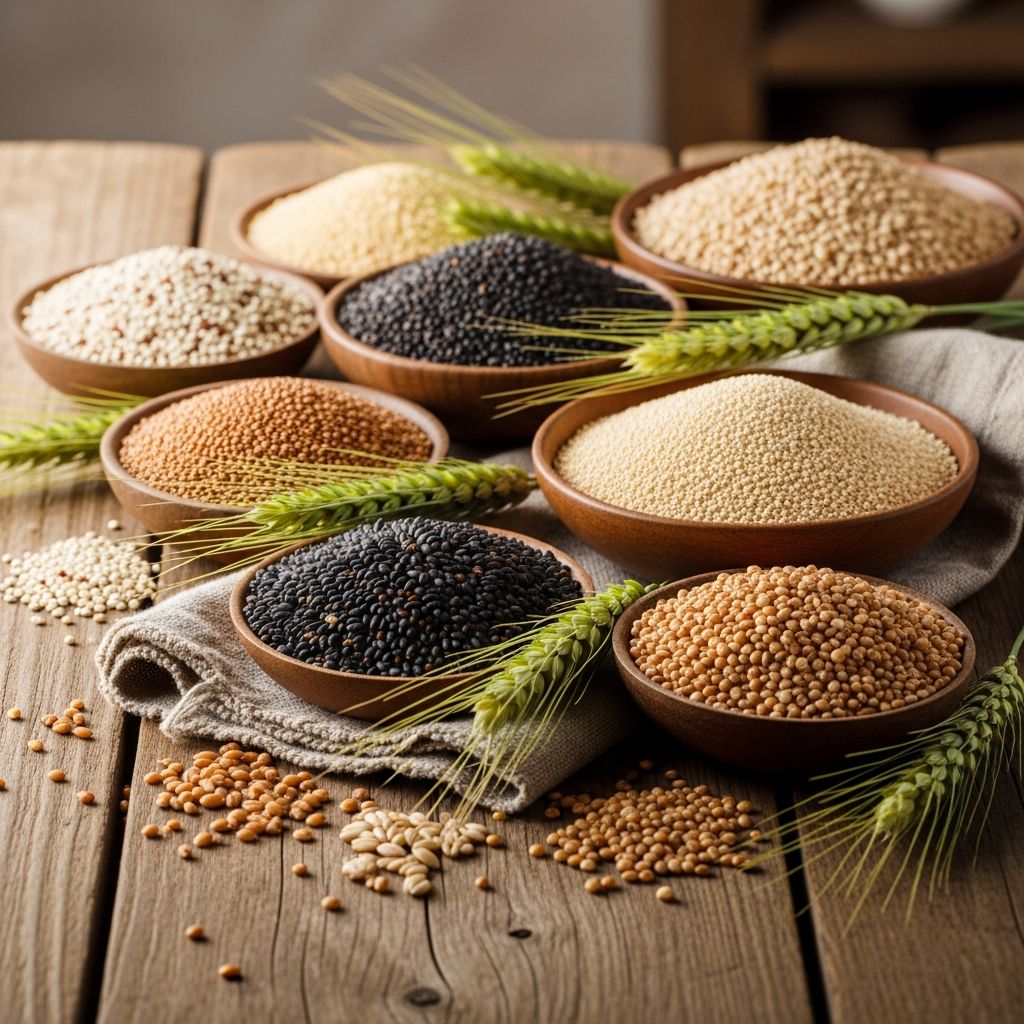
Grains have long been a dietary staple, providing essential carbohydrates, fiber, and now increasingly recognized for their protein content. Cereal grains serve as a major source of sustainable plant-based protein worldwide, contributing significantly to energy, proteins (25%–30% in some diets), and other nutrients like fiber (40%–60%), iron, and folate. Only 41% of grains are currently used for human consumption, highlighting their untapped potential for healthy, low-environmental-impact diets. Incorporating
high-protein grains
can help meet daily protein needs, especially for vegetarians, vegans, and those seeking sustainable alternatives to animal proteins.Why Choose High-Protein Grains?
High-protein grains offer a dual benefit: they deliver quality carbohydrates alongside plant proteins, supporting muscle maintenance, satiety, and gut health. Unlike refined grains, whole high-protein varieties retain bran and germ layers rich in
dietary fiber
(up to 13g per 100g in some grains) and phytochemicals that promote health benefits like reduced disease risk. These grains also provide minerals such as calcium, iron, and selenium, making them versatile for bakery products, porridges, and meat analogues. Their lower environmental footprint compared to animal proteins positions them as key for sustainable eating.Research emphasizes grains’ role in balanced diets: for instance, consuming 84g of rye whole-grain bread or 290g of oat porridge can supply about 5.8g of additional protein, paired with fiber equivalent to 20% of daily needs. However, protein quality varies; cereal proteins may need complementary foods for optimal amino acid profiles and bioavailability.
1. Quinoa
Quinoa, often called a ‘supergrain,’ stands out as a complete protein source containing all nine essential amino acids. Per 100g cooked, it provides about 4.4g of protein, making it ideal for plant-based diets. It’s naturally gluten-free and rich in fiber (2.8g per 100g), magnesium, and antioxidants.
- Protein content: 14g per 100g dry (4.4g cooked)
- Key benefits: Supports heart health, aids digestion, and stabilizes blood sugar due to its low glycemic index.
- How to use: Salads, pilafs, or as a rice substitute in stir-fries.
Quinoa’s versatility extends to breakfast bowls or baked goods, enhancing meals without compromising nutrition.
2. Oats
Oats are powerhouse grains with 13g protein per 100g dry weight, plus beta-glucan fiber that lowers cholesterol. They contribute to 30% of dietary energy and significant protein in many diets. Oats excel in innovations like pulled oats (meat substitutes) and dairy alternatives.
- Protein content: 13-17g per 100g dry
- Key benefits: Promotes gut health via fermentable fibers; tryptophan metabolites from oats link to reduced disease risk.
- How to use: Overnight oats, smoothies, or oat flour in baking.
| Nutrient | Per 100g Dry Oats |
|---|---|
| Protein | 13g |
| Fiber | 10g |
| Carbs | 66g |
This profile makes oats a breakfast staple for sustained energy.
3. Farro
Farro, an ancient wheat variety, delivers 14g protein per 100g dry. Its chewy texture and nutty flavor make it popular in Mediterranean diets, with high fiber content aiding digestion.
- Protein content: 14g per 100g dry
- Key benefits: Rich in zinc and B vitamins for immune support.
- How to use: Soups, grain bowls, or risotto-style dishes.
Farro’s phytochemicals complement its protein, enhancing overall nutrient density.
4. Barley
Barley offers 12g protein per 100g dry, with hulled varieties providing more fiber (17g). It’s used in bakery products and porridges, contributing to mineral intake like selenium.
Related Stories



- Protein content: 12g per 100g dry
- Key benefits: Beta-glucans improve heart health and blood sugar control.
- How to use: Soups, salads, or as a rice alternative.
Pearled barley is quicker-cooking but lower in fiber; opt for hulled for max benefits.
5. Bulgur
Bulgur, parboiled wheat, packs 12g protein per 100g dry. Quick to prepare, it’s fiber-rich (12g) and gluten-containing.
- Protein content: 12g per 100g dry
- Key benefits: High in manganese for bone health.
- How to use: Tabbouleh, pilafs, or veggie burgers.
6. Freekeh
Freekeh, roasted green wheat, has 12g protein per 100g dry. Its smoky flavor and high fiber (12g) support weight management.
- Protein content: 12g per 100g dry
- Key benefits: Antioxidants from roasting process.
- How to use: Salads, stuffings, or grain bowls.
7. Spelt
Spelt, an ancient grain, provides 14.6g protein per 100g dry. Nutty and digestible for some with wheat sensitivities.
- Protein content: 14.6g per 100g dry
- Key benefits: Iron and phosphorus for energy metabolism.
- How to use: Breads, pasta, or pancakes.
8. Amaranth
Amaranth, a pseudo-grain, boasts 14g protein per 100g dry and is gluten-free with high lysine.
- Protein content: 14g per 100g dry
- Key benefits: Supports bone health with calcium and magnesium.
- How to use: Porridge, popped as cereal, or thickeners.
9. Teff
Teff, tiny Ethiopian grain, offers 13g protein per 100g dry. Iron-rich and gluten-free.
- Protein content: 13g per 100g dry
- Key benefits: Resistant starch for gut health.
- How to use: Injera flatbreads or porridges.
10. Sorghum
Sorghum provides 11g protein per 100g dry, gluten-free with antioxidants. Global production: 3.3M tons for food.
- Protein content: 11g per 100g dry
- Key benefits: Drought-resistant, aids celiac diets.
- How to use: Flours, porridges, gluten-free baking.
11. Millet
Millet, with 11g protein per 100g dry, is mineral-packed and gluten-free. Production: 2.8M tons.
- Protein content: 11g per 100g dry
- Key benefits: Alkaline properties balance diet.
- How to use: Pilafs, flatbreads, birdseed alternatives.
12. Buckwheat
Buckwheat (pseudo-grain) has 13g protein per 100g dry, rich in flavonoids.
- Protein content: 13g per 100g dry
- Key benefits: Heart-protective rutin compound.
- How to use: Soba noodles, pancakes, groats.
13. Kamut
Kamut (Khorasan wheat) delivers 15g protein per 100g dry, higher in selenium.
- Protein content: 15g per 100g dry
- Key benefits: Easier digestion for some.
- How to use: Pastas, breads, salads.
14. Rye
Rye offers 10-15g protein per 100g dry, with fiber promoting gut metabolites.
- Protein content: 10-15g per 100g dry
- Key benefits: Increases indolepropionic acid production.
- How to use: Breads, crispbreads.
15. Wheat and Products
Wheat leads with 65.3M tons production, 16g protein per 100g in some forms.
- Protein content: 10-16g per 100g
- Key benefits: Versatile for pastas, breads.
- How to use: Daily staples like bread, cereals.
Benefits of High-Protein Grains
Beyond protein, these grains supply 40-60% of fiber intake, vitamins (thiamin 25-35%), and minerals in diets. They reduce bloating risks when whole, support microbiota, and enable protein targets via simple swaps like oat porridge.
How to Incorporate High-Protein Grains
- Start breakfast with quinoa or oat porridge.
- Swap rice for farro or bulgur in lunches.
- Use sorghum flour in gluten-free baking.
- Combine grains for complete proteins, e.g., millet with legumes.
Aim for 3-5 servings daily, focusing on whole forms to maximize fiber (10-20% of grain weight).
Frequently Asked Questions
What are the highest protein grains?
Quinoa, Kamut, and spelt top the list with 14-15g per 100g dry, offering complete or near-complete amino acid profiles.
Are high-protein grains gluten-free?
Yes for quinoa, amaranth, teff, sorghum, millet, buckwheat; no for farro, barley, bulgur, spelt, Kamut, rye, wheat.
Can grains replace meat for protein?
Partially; combine with pulses for balanced amino acids. 290g oats provide 5.8g protein plus fiber.
How much protein from grains daily?
Grains can supply 25-30% of needs; target 84g rye bread for extra 5.8g.
Do they aid weight loss?
Yes, high fiber promotes satiety; beta-glucans in oats/barley curb hunger.
References
- Grains – a major source of sustainable protein for health — PMC/NCBI. 2022-05-12. https://pmc.ncbi.nlm.nih.gov/articles/PMC9086769/
- Dietary Guidelines for Americans, 2020-2025 — USDA. 2020-12-01. https://www.dietaryguidelines.gov/sites/default/files/2020-12/Dietary_Guidelines_for_Americans_2020-2025.pdf
- Whole Grains, Legumes, and Human Health — Nutrition Reviews, Oxford Academic. 2023-07-15. https://doi.org/10.1093/nutrit/nuad045
- FAO Cereal Supply and Demand Brief — FAO. 2024-10-01. https://www.fao.org/worldfoodsituation/csdb/en/
- Protein Quality of Cereal Grains — Journal of Nutrition. 2022-11-01. https://doi.org/10.1093/jn/nxac123
Similar Articles








Read full bio of Sneha Tete