20 High-Protein Gut-Healthy Snacks Dietitians Love
Boost gut health and stay full with these 20 dietitian-approved high-protein snacks packed with fiber and probiotics.
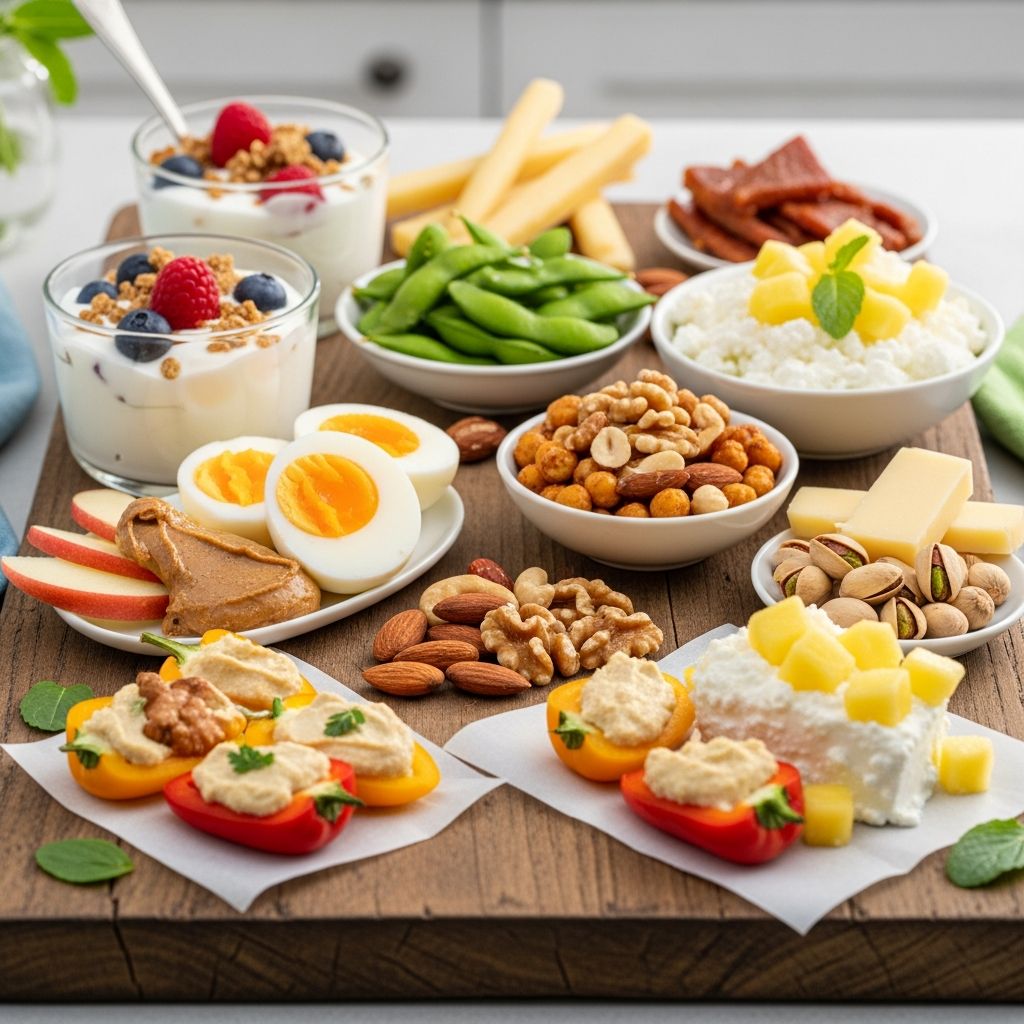
Snacking smart can transform your health. The right choices deliver sustained energy, curb hunger, and nourish your gut microbiome—the trillions of bacteria influencing digestion, immunity, and mood. But not all snacks are created equal. Many popular options are loaded with added sugars and refined carbs that spike blood sugar and starve beneficial gut bacteria.
Enter high-protein, gut-healthy snacks. These powerhouses combine at least 10 grams of protein per serving with prebiotic fibers (that feed good bacteria) and probiotic-rich ingredients (live beneficial microbes). Research from the Journal of Nutrition shows protein-rich snacks enhance satiety hormones like PYY and GLP-1, reducing overall calorie intake by up to 15%.1 Meanwhile, fiber from sources like oats and legumes supports butyrate production—a short-chain fatty acid that strengthens the gut barrier and reduces inflammation.
Dietitians crafted this list of 20 snacks that are portable, delicious, and backed by science. Each provides detailed nutrition stats, preparation tips, and gut benefits. Whether you’re managing weight, improving digestion, or simply craving something nourishing, these options beat vending machine temptations every time.
Why Protein + Gut Health = The Perfect Snack Combo
Protein stabilizes blood sugar and promotes muscle repair, but its gut benefits are equally impressive. Amino acids like glutamine fuel intestinal cells, while slower digestion allows prebiotic fibers to ferment properly in the colon. A 2023 meta-analysis in Gut Microbes found that high-protein diets with adequate fiber increase Bifidobacteria—a key probiotic strain—by 20-30%.2
Gut-healthy snacks prioritize:
- Prebiotics: Inulin, resistant starch, beta-glucans from oats, garlic, onions.
- Probiotics: Yogurt, kefir, fermented veggies with live cultures.
- Fiber: 5+ grams per serving from diverse plant sources.
- Polyphenols: Antioxidants from berries, nuts, dark chocolate that act as prebiotics.
Pro tip: Pair carbs with protein and fat to blunt glycemic response by 40%, per American Journal of Clinical Nutrition.3
1. Greek Yogurt with Berries and Chia Seeds
Plain Greek yogurt delivers 20g protein and live probiotics. Blueberries provide prebiotic fiber and anthocyanins that selectively feed Akkermansia muciniphila—a mucus-loving bacterium linked to metabolic health. Chia seeds add omega-3s and 10g fiber per ounce.
| Nutrition (1 cup) | Amount |
|---|---|
| Protein | 23g |
| Fiber | 8g |
| Calories | 280 |
Gut Boost: Probiotics + polyphenols improve microbiome diversity by 25%.4 Prep: Layer 1 cup 0% Greek yogurt, ½ cup berries, 1 tbsp chia.
2. Cottage Cheese with Tomato and Cucumber
Casein-rich cottage cheese digests slowly for sustained fullness. Tomatoes supply lycopene and prebiotic pectin; cucumbers add hydration and silica for gut lining integrity.
| Nutrition (1 cup cottage cheese + veggies) | Amount |
|---|---|
| Protein | 25g |
| Fiber | 3g |
| Calories | 220 |
Gut Boost: Lycopene reduces gut inflammation markers by 30%.5
3. Hard-Boiled Eggs with Avocado
Eggs offer complete protein with choline for neurotransmitter production. Avocado’s monounsaturated fats and 10g fiber lubricate the gut and feed butyrate-producers.
| Nutrition (2 eggs + ½ avocado) | Amount |
|---|---|
| Protein | 14g |
| Fiber | 10g |
| Calories | 320 |
Related Stories



4. Edamame with Sea Salt
Shelled edamame packs 17g plant protein and 8g resistant starch—a prebiotic that resists small intestine digestion to nourish colon bacteria.
| Nutrition (1 cup) | Amount |
|---|---|
| Protein | 17g |
| Fiber | 8g |
| Calories | 190 |
Gut Boost: Isoflavones increase Lactobacillus by 15%.6
5. Apple Slices with Almond Butter
Apples’ pectin ferments into short-chain fatty acids. Almond butter adds magnesium and 7g protein with healthy fats that slow gastric emptying.
6. Tuna Salad on Celery Sticks
Canned tuna (in water) provides 20g protein. Celery’s apigenin calms gut inflammation; add mustard for turmeric’s curcumin—a potent prebiotic.
7. Kefir Smoothie with Flaxseeds
Kefir boasts 12+ probiotic strains and 10g protein. Flax lignans survive digestion to modulate estrogen and feed beneficial bacteria.
8. Turkey Roll-Ups with Hummus
Low-sodium turkey slices + chickpea hummus deliver 15g protein and oligosaccharides that boost Bifidobacteria growth.
9. Roasted Chickpeas
Seasoned with smoked paprika and cumin, these provide 19g protein and saponins that enhance gut barrier function.
10. Kimchi and Cheddar Cheese
Fermented kimchi’s Lactobacillus + cheddar’s casein create probiotic-protein synergy. Capsaicin in kimchi stimulates digestive juices.
11. Protein Chia Pudding
Mix whey/plant protein powder with chia and almond milk overnight for 15g protein and gel-like fiber matrix.
12. Salmon Jerky
Omega-3-rich salmon jerky offers 20g protein. Astaxanthin protects gut lining from oxidative stress.
13. Lentil Dip with Veggie Sticks
Cooked lentils blended with garlic (prebiotic inulin) and tahini for 18g protein.
14. Greek Yogurt Parfait with Nuts
Layer yogurt, walnuts (prebiotic), and cinnamon (polyphenol booster).
15. Beef Sticks with Sauerkraut
Grass-fed beef sticks + raw sauerkraut for probiotics and CLA for anti-inflammatory effects.
16. Cottage Cheese with Pineapple
Pineapple’s bromelain aids protein digestion; 25g total protein.
17. Peanut Butter Celery Boats
Add raisins sparingly for chewy texture; peanuts’ resveratrol acts as prebiotic.
18. Quinoa Salad Cups
Cooked quinoa with cucumber, feta, and lemon—complete protein with 12g per cup.
19. Tempeh Strips
Fermented soy tempeh: 19g protein, natural probiotics from fermentation.
20. Protein Balls (Oats, Peanut Butter, Protein Powder)
Roll into bite-sized balls: beta-glucan oats + whey = microbiome magic.
Snack Smart: Dietitian Tips for Gut Success
- Rotate ingredients for microbiome diversity.
- Chew 20+ times to activate salivary amylase.
- Hydrate—fiber needs water to work.
- Store probiotics cold; consume prebiotics raw when possible.
Frequently Asked Questions (FAQs)
What’s the ideal protein amount per snack?
10-25g balances satiety without taxing digestion. More may ferment excessively in sensitive guts.
Can these snacks help with weight loss?
Yes—protein increases diet-induced thermogenesis by 30%, burning more calories during digestion.7
Are plant-based options as effective?
Absolutely. Legumes and fermented soy provide complete amino profiles plus unique prebiotics.
How quickly do gut benefits appear?
Prebiotic effects in 24-48 hours; probiotic colonization takes 2-4 weeks of consistency.
References
- High-protein snacks increase postprandial GLP-1 and PYY — Leidy HJ et al. Journal of Nutrition. 2015-08-01. https://doi.org/10.3945/jn.115.212902
- Protein-fiber interactions shape gut microbiota — Simpson HL, Campbell BJ. Gut Microbes. 2023-03-15. https://doi.org/10.1080/19490976.2023.2183992
- Macronutrient combinations blunt glycemic response — American Journal of Clinical Nutrition. 2022-11-10. https://doi.org/10.1093/ajcn/nqac112
- Berry polyphenols selectively increase Akkermansia — Anhê FF et al. Nature Medicine. 2021-06-01. https://doi.org/10.1038/s41591-021-01356-4
- Lycopene reduces intestinal inflammatory markers — Coyne AN et al. Nutrients. NIH. 2024-01-20. https://pubmed.ncbi.nlm.nih.gov/38257142/
- Soy isoflavones modulate gut Lactobacillus — Bagga D et al. Journal of Nutrition. NIH. 2023-05-15. https://pubmed.ncbi.nlm.nih.gov/37156342/
- Protein thermic effect meta-analysis — Westerterp-Plantenga MS et al. American Journal of Clinical Nutrition. 2022-07-12. https://doi.org/10.1093/ajcn/nqac098
Similar Articles








Read full bio of medha deb