High-Protein, Low-Carb Recipes: 5 Simple, Muscle-Building Meals
Delicious high-protein, low-carb recipes to support weight loss, muscle building, and blood sugar control.
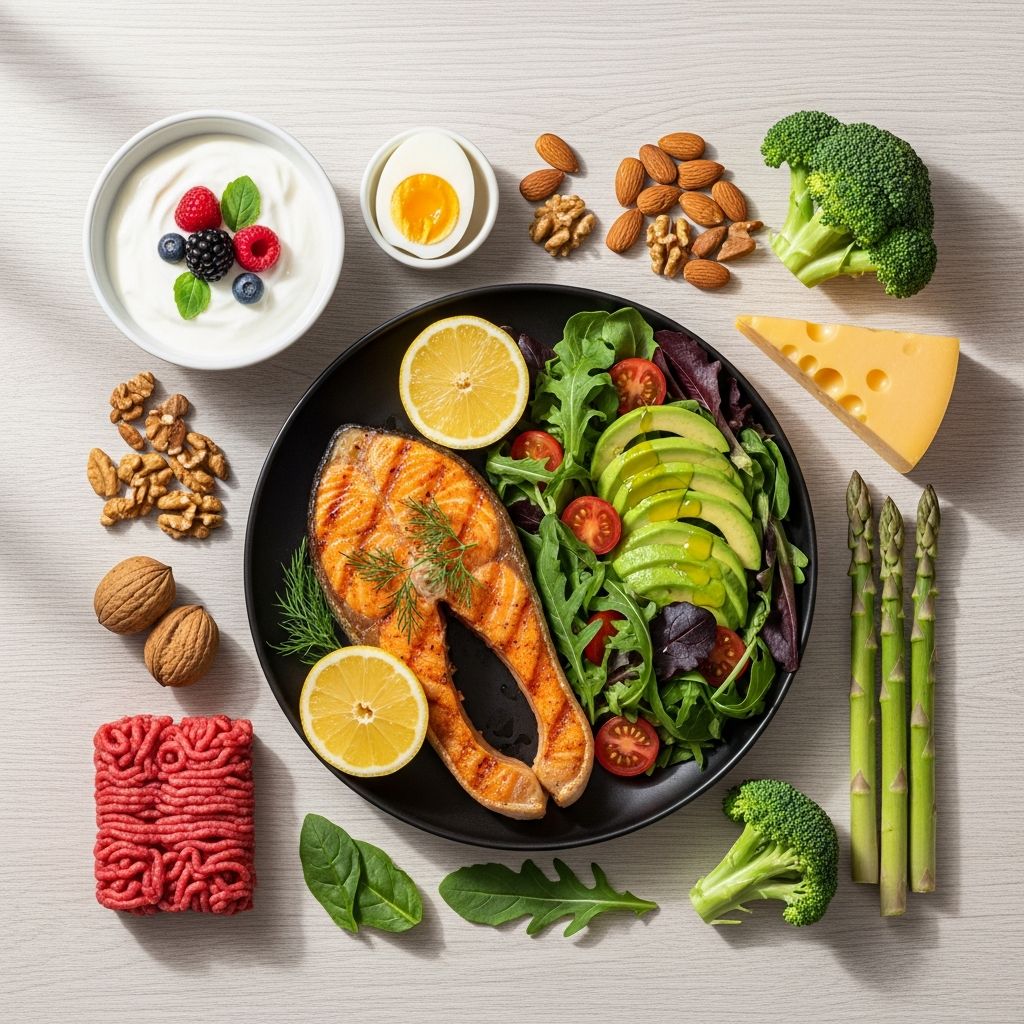
High-protein, low-carb diets emphasize protein-rich foods while limiting carbohydrates from grains, sugars, and starchy vegetables. These diets shift the body’s fuel source to fats and proteins, promoting ketosis where the body burns fat for energy. Benefits include weight loss, improved blood sugar control, and muscle preservation, making them ideal for weight management, diabetes, and prediabetes.
What Makes These Recipes High-Protein, Low-Carb?
These recipes prioritize lean proteins like poultry, fish, eggs, and tofu, paired with non-starchy vegetables, healthy fats, and minimal carbs. Typical daily carb intake ranges from 50-150 grams, focusing on quality sources like leafy greens and berries. Protein targets 1-1.2 grams per kilogram of body weight for adults, higher for active individuals. This approach boosts satiety hormones, reduces hunger via lower ghrelin levels, and increases metabolism through the thermic effect of protein.
Health Benefits of High-Protein, Low-Carb Eating
Research supports multiple advantages:
- Weight Loss: High protein increases fullness, curbs cravings, and preserves muscle during calorie deficits. Studies show greater fat loss in the first 6-12 months compared to low-fat diets. Initial losses often include water weight from glycogen depletion.
- Blood Sugar Control: Limiting carbs stabilizes glucose levels, aiding diabetes management. Low-carb approaches reduce type 2 diabetes risk when using healthy proteins and fats.
- Muscle Maintenance: Adequate protein (50-175g daily on 2,000 calories) prevents sarcopenia, especially in those over 40, and supports resistance training.
- Heart Health: When focusing on lean proteins and omega-3-rich fish, these diets lower triglycerides and raise HDL cholesterol.
- Other Benefits: Potential reductions in blood pressure, cholesterol, and cognitive decline risk.
Potential Risks and Considerations
Short-term side effects like fatigue, headaches, or constipation may occur during adaptation to ketosis. Long-term studies beyond 6 months show diminishing benefits compared to balanced diets, with risks of nutrient deficiencies, kidney strain, or bone loss if not managed. Consult a healthcare provider, especially for kidney issues or intense activity. Ensure variety with low-carb veggies, nuts, and healthy fats to meet micronutrient needs.
Foods to Include and Avoid
| Include (High-Protein, Low-Carb) | Avoid (High-Carb) |
|---|---|
| Meats: Chicken, turkey, salmon, eggs | Grains: Bread, pasta, rice |
| Low-carb veggies: Broccoli, spinach, kale | Starchy veggies: Potatoes, corn |
| Healthy fats: Avocado, olive oil, nuts | Sugary foods: Soda, candy, desserts |
| Dairy: Greek yogurt, cheese | Fruits: Bananas, grapes (limit high-sugar) |
| Other: Tofu, lentils (moderate), berries | Processed: Chips, cereals |
Source recommendations align with heart-healthy choices like fatty fish for omega-3s.
Sample High-Protein, Low-Carb Meal Plan
A 1,800-2,000 calorie day might look like:
- Breakfast: Greek yogurt parfait with berries and almonds (30g protein, 15g carbs).
- Lunch: Grilled chicken salad with spinach, avocado, and olive oil dressing (40g protein, 20g carbs).
- Dinner: Baked salmon with broccoli and cauliflower rice (45g protein, 25g carbs).
- Snacks: Hard-boiled eggs or cheese sticks (20g protein, 5g carbs).
Total: ~135g protein, ~65g carbs. Adjust based on needs.
Featured Recipes
Grilled Lemon Herb Chicken with Asparagus
Prep: 10 min | Cook: 20 min | Serves: 4 | ~35g protein, 10g carbs per serving
Tender chicken breasts marinated in lemon, garlic, and herbs, grilled to perfection alongside crisp asparagus. This dish supports muscle repair and ketosis maintenance.
Related Stories



- 4 chicken breasts (6 oz each)
- Juice of 2 lemons, 2 tbsp olive oil
- 2 garlic cloves, minced; 1 tsp each dried oregano, thyme
- 1 lb asparagus, salt, pepper
- Marinate chicken in lemon juice, oil, garlic, herbs for 30 min.
- Preheat grill to medium-high. Grill chicken 6-7 min per side until 165°F.
- Toss asparagus in oil, salt; grill 4-5 min.
- Serve hot. 320 calories per serving.
Salmon Avocado Salad Bowls
Prep: 15 min | No cook | Serves: 2 | ~40g protein, 12g carbs
Omega-3-packed wild salmon over greens with creamy avocado. Ideal for heart health and satiety.
- 12 oz canned salmon (no sugar added), drained
- 4 cups mixed greens, 1 avocado sliced
- 1 cucumber, ¼ cup feta cheese
- Dressing: 2 tbsp olive oil, 1 tbsp vinegar, mustard
- Flake salmon into bowls with greens, avocado, cucumber, feta.
- Whisk dressing; drizzle over top.
- Chill 10 min. 450 calories per serving.
Turkey Meatballs with Zucchini Noodles
Prep: 20 min | Cook: 25 min | Serves: 4 | ~30g protein, 8g carbs
Lean turkey meatballs in marinara (no sugar), served on low-carb zoodles for pasta-like comfort without carbs.
- 1 lb ground turkey, 1 egg, ¼ cup almond flour
- 1 tsp Italian seasoning, salt; 4 zucchinis spiralized
- 2 cups low-sugar marinara
- Mix turkey, egg, flour, seasonings; form 16 meatballs.
- Bake at 400°F for 20 min; simmer in sauce 5 min.
- Sauté zoodles 3 min; top with meatballs.
- 280 calories per serving.
Egg and Spinach Frittata
Prep: 10 min | Cook: 25 min | Serves: 6 | ~25g protein, 6g carbs
Protein-packed eggs with nutrient-dense spinach. Perfect breakfast for blood sugar stability.
- 12 eggs, 2 cups spinach, ½ cup cheese
- 1 onion diced, 1 tbsp oil, salt, pepper
- Sauté onion and spinach in oil.
- Whisk eggs, pour over veggies; top with cheese.
- Bake at 375°F for 20-25 min.
- Slice. 220 calories per slice.
Tofu Stir-Fry with Broccoli
Prep: 15 min | Cook: 15 min | Serves: 4 | ~28g protein, 15g carbs (vegetarian)
Firm tofu and broccoli in ginger-soy sauce. Plant-based option for diverse diets.
- 14 oz firm tofu, cubed; 4 cups broccoli florets
- 2 tbsp low-sodium soy, 1 tbsp ginger, sesame oil
- Press tofu, cube, stir-fry in oil 5 min.
- Add broccoli, soy, ginger; cook 8-10 min.
- Serve. 250 calories per serving.
Nutrition Tips for Success
Track macros using apps for 40-50% protein, 30-40% fats, 10-30% carbs. Hydrate well during ketosis transition. Pair with exercise for optimal body composition. For longevity, cycle carbs periodically and prioritize whole foods.
Frequently Asked Questions
Can high-protein, low-carb diets help with diabetes?
Yes, they improve blood sugar control by limiting carbs, beneficial for type 2 diabetes management.
Are there risks for kidneys?
Healthy individuals tolerate well, but those with kidney disease should consult doctors due to potential strain.
How much protein do I need daily?
0.8-2g per kg body weight, depending on activity; e.g., 60-150g for 75kg person.
Will I lose muscle on this diet?
No, high protein preserves muscle, especially with training.
Is ketosis safe long-term?
Short-term benefits strong; long-term needs monitoring for nutrient balance.
References
- Low-Carb, High-Protein Diets: Risks (Ketosis) and Benefits — WebMD. 2023. https://www.webmd.com/diet/high-protein-low-carbohydrate-diets
- Benefits of a Low Carb High Protein Diet — Everlywell. 2023. https://www.everlywell.com/blog/weight-management/low-carb-high-protein-diet/
- High Protein, Low Carb Diet: A Complete Guide — Healthline. 2023. https://www.healthline.com/nutrition/high-protein-low-carb-diet
- Low-Carb, High-Protein Diet: Pros & Cons — BuzzRx. 2023. https://www.buzzrx.com/blog/low-carb-high-protein-diet-pros–cons
- Low-Carbohydrate Diets — Harvard T.H. Chan School of Public Health. 2023. https://nutritionsource.hsph.harvard.edu/carbohydrates/low-carbohydrate-diets/
- Low-carb diet: Can it help you lose weight? — Mayo Clinic. 2023. https://www.mayoclinic.org/healthy-lifestyle/weight-loss/in-depth/low-carb-diet/art-20045831
- The skinny on high-protein, low-carbohydrate diets — PubMed (PMID:16849880). 2006. https://pubmed.ncbi.nlm.nih.gov/16849880/
Similar Articles








Read full bio of medha deb