High-Protein Snacks to Build Muscle and Control Hunger
Discover the best high-protein snacks to fuel muscle growth and keep hunger at bay throughout your day.
High-Protein Snacks to Build Muscle and Keep Hunger at Bay
In today’s fast-paced world, maintaining consistent protein intake throughout the day has become essential for anyone serious about building muscle and managing their weight. Rather than consuming all your daily protein in one or two large meals, spreading protein consumption across multiple snacks and meals allows your body to digest and utilize this vital macronutrient more effectively. High-protein snacking offers a practical solution for busy professionals, fitness enthusiasts, and anyone looking to optimize their nutritional intake while keeping hunger pangs at bay.
Why High-Protein Snacks Matter for Muscle Building
Protein is the fundamental building block of muscle tissue, making it absolutely crucial for anyone engaged in resistance training or strength-building activities. When you consume protein throughout the day via strategic snacking, you’re essentially providing your muscles with a continuous supply of amino acids needed for repair and growth. Rather than overwhelming your digestive system with a massive protein dose at dinner, distributing protein intake into smaller portions allows for better absorption and utilization by your body.
Current research and nutritional guidelines suggest that individuals aiming to build muscle should consume approximately 1.2 to 2.2 grams of protein per kilogram of body weight daily. This is significantly higher than the general population recommendation of 0.8 grams per kilogram. For perspective, a 70-kilogram individual focused on muscle building would need between 84 to 154 grams of protein daily. By incorporating high-protein snacks throughout your day, you can more easily meet these elevated requirements without resorting to excessive supplementation.
The key advantage of consistent protein snacking is maintaining steady amino acid levels in your bloodstream. This continuous supply supports muscle protein synthesis—the process by which your body builds new muscle tissue—more effectively than consuming large amounts sporadically.
The Satiety Advantage: How Protein Keeps You Fuller Longer
Beyond muscle building, high-protein snacks offer remarkable benefits for appetite control and weight management. Protein is the most satiating macronutrient, meaning it creates a stronger feeling of fullness compared to carbohydrates or fats. This property stems from protein’s ability to reduce levels of ghrelin, often called the “hunger hormone,” while simultaneously increasing satiety-promoting hormones like peptide YY and glucagon-like peptide-1.
When you consume protein, it sends powerful signals to your brain indicating that you’re satisfied and full. This mechanism is particularly valuable in office environments or situations where you’re tempted by less nutritious snack options. By choosing high-protein snacks, you naturally reduce cravings for sugary treats and processed foods that contribute to weight gain. Additionally, protein has a higher thermic effect than other macronutrients, meaning your body burns more calories digesting it—another advantage for weight management goals.
High-protein snacking also helps stabilize blood sugar levels throughout the day. Protein slows the absorption of carbohydrates into your bloodstream, preventing dramatic blood sugar spikes that lead to energy crashes and subsequent cravings for quick-energy foods.
Related Stories



Best High-Protein Snack Options
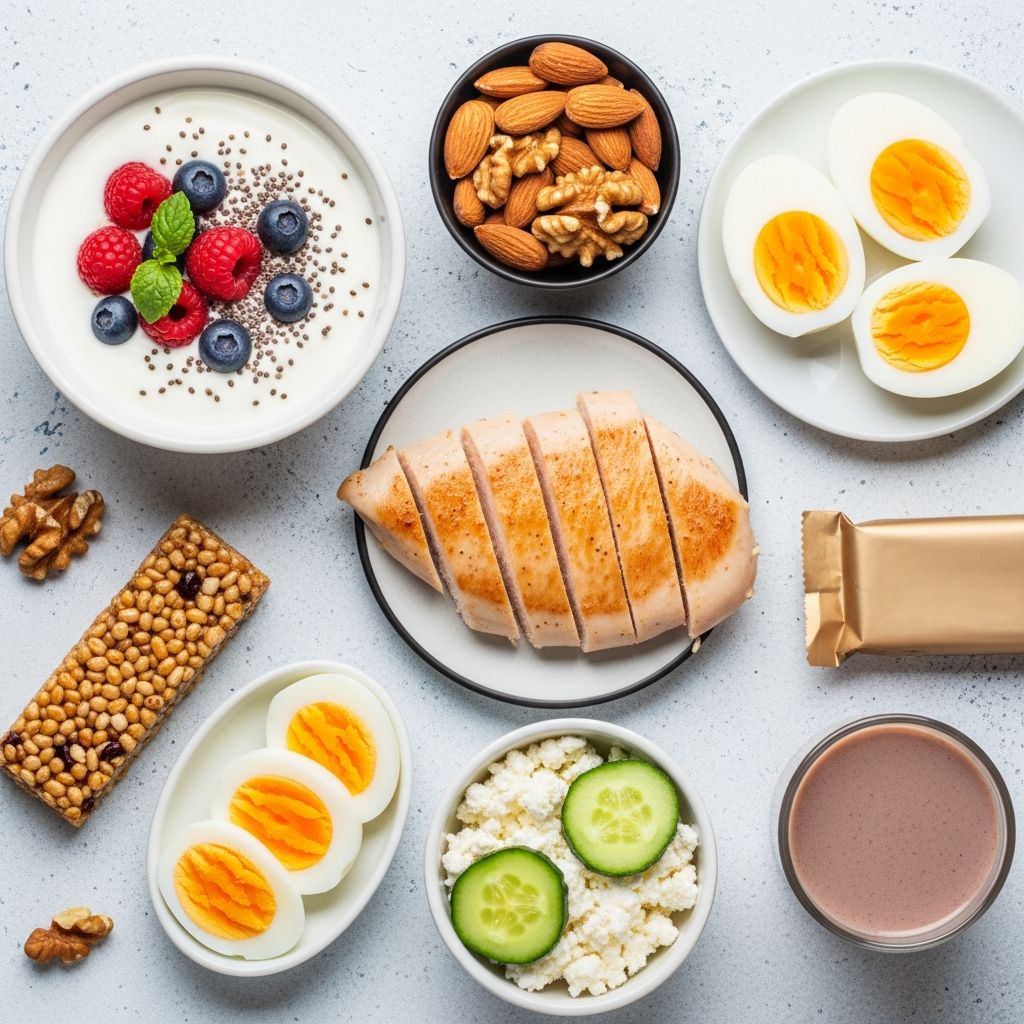
There’s a remarkable variety of delicious, convenient high-protein snacks available to support your fitness and nutritional goals. Here are some of the most effective options:
Nuts and Seeds
Almonds stand out as nutritional powerhouses among nuts, delivering approximately 21 grams of protein per serving. Rich in healthy monounsaturated fats and vitamin E—a potent antioxidant—almonds make an excellent portable snack. They require no preparation and travel well, making them ideal for office environments or on-the-go situations.
Pumpkin seeds offer an impressive 19 grams of protein per serving, along with substantial amounts of zinc and magnesium. These nutrients support testosterone production, immune function, and overall male health. Pumpkin seeds are particularly versatile—you can enjoy them raw, roasted, or incorporated into various dishes.
Pistachios provide approximately 7 grams of protein per serving while offering unique micronutrients including vitamin B6 for blood sugar regulation and potassium for hydration and electrolyte balance. Their satisfying crunch and natural flavor make them an enjoyable snacking option.
Protein-Rich Dairy Products
Greek yogurt contains roughly 11 grams of protein per serving and boasts extraordinary versatility. You can customize it with berries for added nutrition, granola for fiber and texture, or nuts for additional protein. Its creamy texture makes it particularly satisfying as a snack. Opt for unsweetened varieties to minimize added sugars.
Cottage cheese is a bodybuilding staple, with protein comprising over 70% of its calories. With about 14 grams of protein per serving and minimal carbohydrates, cottage cheese offers exceptional value for muscle building. Choose low-sodium or sodium-free varieties to minimize sodium intake.
Prepared and Convenient Options
Beef jerky delivers approximately 10 grams of protein per serving in a portable, shelf-stable format. Made from lean beef cuts marinated in spices and seasonings, jerky provides essential minerals including zinc and iron that support immunity and energy production. Its long shelf life makes it perfect for office drawers or travel.
Protein bars represent a convenient solution for busy schedules, offering high protein content with minimal carbohydrates. Quality bars contain essential vitamins and minerals supporting muscle function and athletic performance. When selecting protein bars, prioritize options with real food ingredients and a balanced ratio of protein to carbohydrates, similar to a piece of chicken with rice.
Microwave chicken satay offers an impressive 37 grams of protein per serving, making it one of the most protein-dense options available. Prepared at home and reheated at work, these convenient portions help maintain optimal daily protein intake. Chicken remains the gold standard lean protein for muscle building.
Peanut butter protein cake provides an exceptional 42 grams of protein per serving, prepared in just six minutes using a microwave and mug. This convenient option combines indulgence with substantial nutritional benefit, making it particularly appealing for those with demanding schedules.
Strategic Protein Timing and Distribution
How you distribute your protein intake throughout the day significantly impacts both muscle-building results and appetite control. Rather than consuming your entire daily protein requirement in one or two meals, divide it across multiple eating occasions. This approach offers several advantages: improved amino acid availability for muscle protein synthesis, better digestive efficiency, and more consistent satiety throughout the day.
Experts recommend including protein with every meal and snack you consume. This consistent approach maintains elevated amino acid levels and provides continuous satiety signals to your brain. Additionally, the order in which you consume foods matters significantly. Start with vegetables to create volume and fullness, follow with protein to signal satiety to your brain, and consume carbohydrates last for optimal blood sugar control.
Choosing Quality Protein Sources
While convenient, highly processed protein options shouldn’t form the foundation of your protein intake. Harvard Health recommends sourcing most of your protein from whole food options including low-fat dairy products, nuts, beans, chicken, and turkey. These naturally nutrient-dense sources provide not only protein but also vitamins, minerals, and other beneficial compounds absent in highly processed alternatives.
When time is limited and convenience is necessary, choose protein products with real food ingredients, balanced macronutrient ratios, and minimal artificial additives. Quality matters—a protein bar with real nuts and wholefood ingredients provides superior nutritional value compared to heavily processed alternatives loaded with artificial sweeteners and chemicals.
Balancing Protein Within Overall Nutrition
While protein is essential, it shouldn’t overshadow other nutritional needs. Harvard Health recommends integrating high-protein intake into a balanced diet rich in fruits, vegetables, and fiber. The Mediterranean and DASH diets represent excellent frameworks for achieving this balance while maintaining adequate protein consumption.
Remember that protein contains significantly more calories than vegetables—approximately six times more per unit volume. While this caloric density helps create satiety, it also means excessive protein consumption can lead to surplus calories that must be burned through activity. Focus on meeting your individual protein requirements based on body weight and fitness goals rather than pursuing unnecessarily high intakes.
Practical Implementation for Busy Lifestyles
Incorporating high-protein snacks into a hectic schedule doesn’t require elaborate meal preparation. Keep shelf-stable options like almonds, pumpkin seeds, beef jerky, and quality protein bars readily available at your desk or in your bag. Prepare cottage cheese portions or Greek yogurt ahead of time for grab-and-go convenience.
For more substantial snack options, prepare portions of microwave chicken satay or peanut butter protein cakes during your meal prep session. These require minimal time to reheat and provide substantial protein in convenient portions. The key is removing barriers to making nutritious choices by keeping appropriate options immediately accessible.
Frequently Asked Questions
Q: How much protein do I actually need daily to build muscle?
A: Most individuals focused on muscle building should aim for 1.2 to 2.2 grams of protein per kilogram of body weight daily. This varies based on training intensity, experience level, and individual goals. Athletes may need additional protein beyond general recommendations.
Q: Will high-protein snacks interfere with my regular meals?
A: Strategic snacking between meals won’t interfere with regular meals when portions are appropriate. Protein-rich snacks actually enhance overall nutrition by distributing intake throughout the day and maintaining steady satiety.
Q: Are processed protein bars as effective as whole food sources?
A: Whole food sources should form the foundation of your protein intake due to superior micronutrient profiles and absence of artificial additives. However, quality protein bars with real food ingredients serve as convenient supplements when whole foods aren’t available.
Q: Can high-protein snacking help with weight loss?
A: Yes, protein’s satiety-promoting effects help reduce overall calorie intake by keeping you fuller longer and reducing cravings. Additionally, protein’s high thermic effect means your body burns additional calories during digestion.
Q: What’s the best timing for protein snacks throughout the day?
A: Distribute protein intake evenly across meals and snacks rather than concentrating it in one or two sittings. Including protein with every eating occasion maintains optimal amino acid levels for muscle protein synthesis and consistent satiety.
Q: Should I avoid carbohydrates with my protein snacks?
A: No, combining protein with carbohydrates provides balanced nutrition. Choose snacks with appropriate carbohydrate-to-protein ratios, similar to a serving of chicken with rice. This combination supports both muscle building and blood sugar stability.
Conclusion
High-protein snacking represents a scientifically-supported approach to supporting muscle building goals, managing hunger, and maintaining consistent energy levels throughout your day. By selecting from the diverse array of available options—from convenient nuts and seeds to prepared proteins and whole food sources—you can easily integrate adequate protein intake into your lifestyle without requiring elaborate meal preparation or significant time investment.
The most important principle is consistency: include protein with every eating occasion, distribute your total daily intake across multiple snacks and meals, and prioritize whole food sources whenever possible. This strategic approach to protein snacking supports your fitness goals while keeping you satisfied and energized from morning through evening.
References
- Looking to Build Muscle, Lose Weight? Need More Protein? Probably Not. — Harvard Gazette. 2025-11-15. https://news.harvard.edu/gazette/story/2025/11/looking-to-build-muscle-lose-weight-need-more-protein-right-probably-not/
- Harvard Scientists Share 4 Things You Must Do on High Protein Diet — Food Bible. 2025-06-19. https://www.foodbible.com/health/diet/harvard-scientists-share-4-things-do-protein-diet-664060-20250619
- 10 Best High Protein-Packed Office Snacks — Men’s Health UK. https://www.menshealth.com/uk/nutrition/a755382/10-protein-packed-office-snacks/
Similar Articles








Read full bio of Sneha Tete