High-Protein Strawberry Peanut Butter Overnight Oats Recipe
Easy, nutritious overnight oats recipe packed with protein and fresh strawberries.
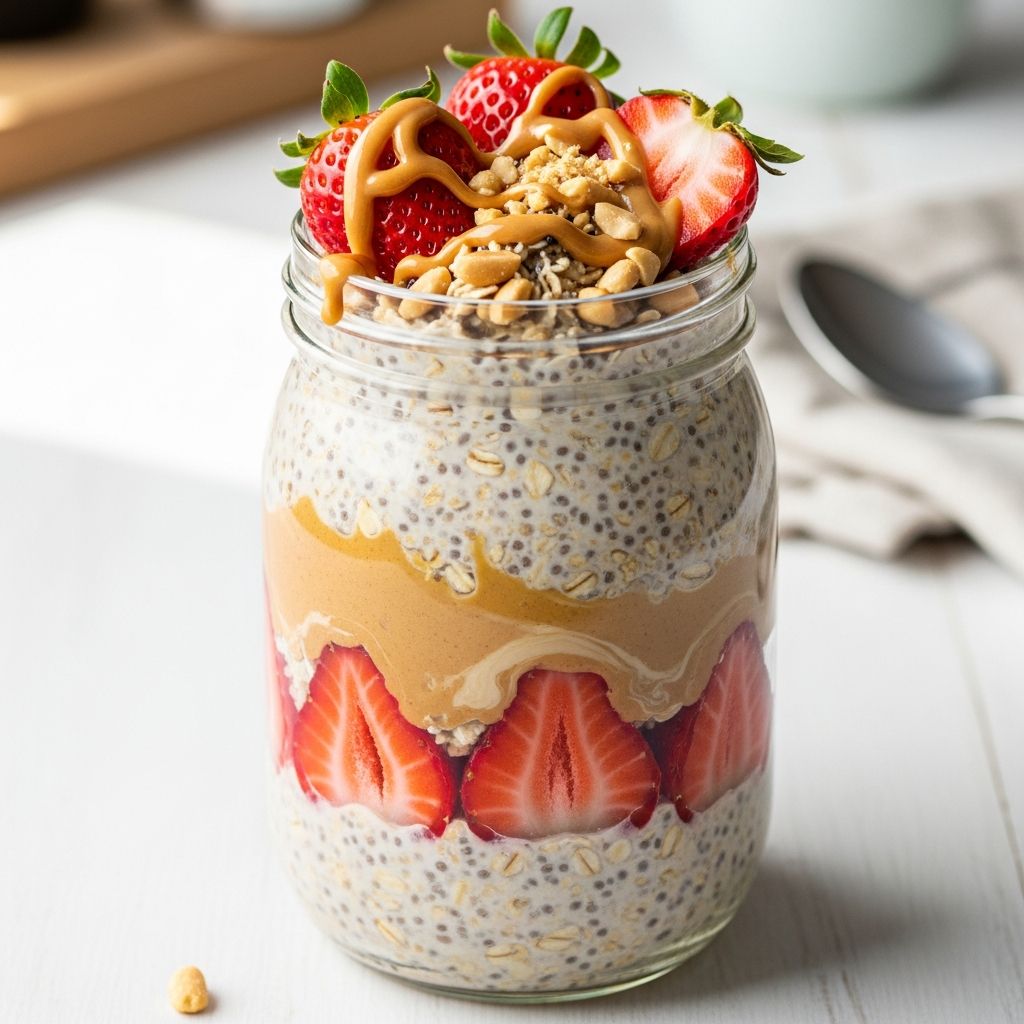
High-Protein Strawberry Peanut Butter Overnight Oats
Overnight oats have become a beloved breakfast staple for health-conscious individuals and busy professionals alike. This high-protein strawberry peanut butter overnight oats recipe combines the nutritional benefits of whole grains, plant-based protein, and fresh fruit into one convenient meal that requires minimal morning preparation. Whether you’re rushing to work, heading to the gym, or simply looking for a nutritious start to your day, this recipe delivers both taste and nutrition in every spoonful.
The beauty of overnight oats lies in their simplicity and versatility. By preparing your breakfast the night before, you can enjoy a wholesome meal in seconds, without sacrificing quality or nutrition. The combination of creamy peanut butter, antioxidant-rich strawberries, and protein-packed ingredients creates a balanced breakfast that keeps you satisfied throughout the morning while supporting your fitness and wellness goals.
Why Choose Overnight Oats?
Overnight oats represent an innovative approach to breakfast preparation that aligns with modern lifestyle demands. Unlike traditional cooked oatmeal, overnight oats undergo a no-cook preparation method where raw oats are soaked in liquid overnight, allowing them to soften naturally while developing a creamy, pudding-like texture. This method preserves heat-sensitive nutrients and requires zero cooking time in the morning.
The time-saving advantage is particularly valuable for individuals with hectic schedules. Rather than spending 10-15 minutes cooking oatmeal in the morning, you simply grab your prepared container from the refrigerator and enjoy your meal immediately. This convenience factor makes it easier to maintain consistent, nutritious breakfast habits rather than skipping meals or reaching for less healthy options.
Beyond convenience, overnight oats offer superior digestibility compared to some other breakfast options. The extended soaking process begins breaking down the oat structure, making nutrients more bioavailable and reducing the chance of digestive discomfort. Additionally, the cold preparation method helps preserve beneficial enzymes and compounds that might be damaged during high-heat cooking.
Ingredients Overview
Creating the perfect high-protein strawberry peanut butter overnight oats requires quality ingredients that work together harmoniously. Here’s what you’ll need:
- Rolled Oats: The foundation of this recipe, rolled oats provide complex carbohydrates, dietary fiber, and beta-glucan, a soluble fiber known for supporting heart health and sustained energy levels.
- Greek Yogurt: This ingredient provides significant protein content—approximately 15-20 grams per serving—while adding a creamy texture and tangy flavor that complements the strawberry and peanut butter combination.
- Milk: Dairy or non-dairy milk options work equally well. Choose based on your dietary preferences and nutritional goals. Milk creates the soaking liquid that transforms raw oats into a creamy consistency.
- Natural Peanut Butter: Select peanut butter with minimal ingredients—ideally just peanuts and salt. Natural peanut butter provides healthy monounsaturated fats, vitamin E, and plant-based protein without added sugars or hydrogenated oils.
- Fresh Strawberries: These berries deliver antioxidants, particularly anthocyanins and ellagic acid, while adding natural sweetness and vibrant color to your breakfast.
- Honey or Maple Syrup: A touch of natural sweetener balances the flavors without requiring artificial additives or refined sugar.
- Chia Seeds: Optional but recommended, chia seeds add omega-3 fatty acids, additional fiber, and further boost the protein content of your overnight oats.
Detailed Recipe Instructions
Step-by-Step Preparation Guide
Step 1: Gather Your Materials
Begin by collecting a mason jar or similar glass container with a tight-fitting lid. Glass containers work best because they’re durable, don’t absorb flavors or odors, and allow you to see the layers of your overnight oats at a glance. Ensure your container is clean and dry before starting.
Step 2: Layer Your Ingredients
In your prepared jar, start with a base layer of rolled oats—approximately one-half cup. This quantity provides the right ratio of oats to liquid for proper hydration overnight. Next, add one-third cup of Greek yogurt, spreading it evenly across the oats. This creates a creamy layer that will integrate with the oats as they soak.
Related Stories



Step 3: Add Your Liquid Base
Pour in one-half cup of your chosen milk—whether that’s dairy milk, almond milk, oat milk, or any other variety. The liquid-to-oat ratio is crucial for achieving the desired consistency. Too much liquid results in a soupy texture, while insufficient liquid leaves the oats dry and chewy.
Step 4: Mix in Peanut Butter and Sweetener
Add two tablespoons of natural peanut butter and one tablespoon of honey or maple syrup. If your peanut butter is thick and doesn’t incorporate easily, gently warm it or mix it with a small amount of milk first before adding to your jar. Stir thoroughly to distribute these ingredients evenly throughout the oat mixture.
Step 5: Prepare the Strawberries
Wash and hull approximately one-half cup of fresh strawberries. Cut them into bite-sized pieces or slice them thinly, depending on your texture preference. Add most of the strawberries to your jar, reserving a few pieces for topping your finished bowl in the morning.
Step 6: Add Optional Boosters
If using chia seeds, sprinkle one tablespoon over the mixture. These seeds will absorb liquid overnight and add a pleasant texture to your finished oats. You might also add a pinch of vanilla extract or cinnamon for additional flavor complexity.
Step 7: Refrigerate Overnight
Seal your jar tightly and place it in the refrigerator. The oats require a minimum of four hours to properly soften, though overnight refrigeration (8-12 hours) provides the best results. The extended cold soaking allows the oats to fully absorb the liquid and develop their characteristic creamy texture.
Nutritional Benefits Analysis
Understanding the nutritional profile of this recipe helps you appreciate how it supports your health and wellness objectives. This overnight oats preparation delivers approximately 350-400 calories per serving, with a macronutrient distribution that supports sustained energy and satiety.
The protein content deserves particular attention. With Greek yogurt contributing 15-20 grams and peanut butter adding 8 grams, this recipe easily provides 23-28 grams of complete protein per serving—comparable to many protein-focused breakfast options. This protein concentration supports muscle recovery, maintains stable blood sugar levels, and promotes extended feelings of fullness that help prevent mid-morning hunger.
The carbohydrate component comes primarily from rolled oats, which provide complex carbohydrates along with substantial dietary fiber. A single serving contains approximately 5-7 grams of fiber, representing roughly 20% of the daily recommended intake. Dietary fiber supports digestive health, helps regulate blood sugar response, and feeds beneficial gut bacteria.
Healthy fats from peanut butter and chia seeds (if included) provide satiety and support nutrient absorption. These monounsaturated and polyunsaturated fats have been associated with improved heart health when consumed as part of a balanced diet. Strawberries add virtually no fat while delivering powerful antioxidants—vitamins C and polyphenols that support immune function and reduce oxidative stress.
Customization Options and Variations
While this strawberry peanut butter combination is delicious, overnight oats thrive on customization. Consider these variations to keep your breakfast routine fresh and exciting:
- Chocolate Peanut Butter Variation: Replace strawberries with sliced bananas and add one tablespoon of unsweetened cocoa powder mixed with the peanut butter for a decadent chocolate-peanut combination.
- Berry Blend Option: Mix strawberries with blueberries, raspberries, and blackberries for a wider range of antioxidants and varied flavor profile.
- Tropical Twist: Substitute strawberries with mango chunks and coconut milk for the dairy component, creating a tropical variation with peanut butter undertones.
- Apple Cinnamon Variation: Replace strawberries with diced apples, increase cinnamon to one-quarter teaspoon, and add a splash of vanilla extract for a warm, comforting flavor profile.
- Protein Powder Addition: Mix in one scoop of vanilla or unflavored protein powder to boost the protein content even further for post-workout recovery.
- Nut Butter Swaps: Experiment with almond butter, sunflower seed butter, or tahini as alternatives to peanut butter while maintaining the core recipe structure.
Storage and Make-Ahead Guidelines
One of overnight oats’ greatest advantages is their exceptional shelf life. Properly prepared overnight oats maintain their quality in the refrigerator for 4-5 days, making them ideal for meal-prep enthusiasts. Prepare multiple jars at the beginning of the week, and you’ll have nutritious breakfasts ready every morning without additional effort.
When storing multiple jars, ensure they’re sealed tightly to prevent refrigerator odors from affecting your oats and to prevent any potential spills. Glass mason jars with plastic lids work optimally for this purpose. Keep your prepared jars on a dedicated shelf in your refrigerator, away from strong-smelling foods that might transfer their flavors.
If you find the texture becomes too thick after a few days, simply add a splash of milk when serving to restore your preferred consistency. This adjustment accounts for continued oat hydration during extended refrigeration.
Tips for Perfect Overnight Oats
- Liquid-to-Oat Ratio: The ideal ratio is approximately 1 part oats to 1.5-2 parts liquid (by volume). This ensures proper hydration without creating an overly soupy consistency.
- Quality Peanut Butter: Choose natural peanut butter without added oils, sugars, or preservatives. If you notice oil separation at the top of your peanut butter jar, simply stir it back in before measuring.
- Fresh Strawberries: For best flavor, use ripe, in-season strawberries when possible. If fresh strawberries aren’t available, frozen strawberries work equally well and actually thaw perfectly in the cold oat mixture overnight.
- Greek Yogurt Texture: Full-fat Greek yogurt creates the creamiest texture, but low-fat or fat-free varieties work if you prefer reduced calories.
- Preparation Timing: Prepare your overnight oats in the evening and consume them within 4-5 days. This timing window ensures optimal freshness and texture.
- Serving Temperature: Some prefer overnight oats cold directly from the refrigerator, while others warm them in the microwave for 30-60 seconds. Choose based on personal preference and seasonal considerations.
Why This Recipe Works for Your Goals
Whether your focus is weight management, athletic performance, sustained energy, or simply establishing consistent healthy eating habits, this high-protein strawberry peanut butter overnight oats recipe supports your objectives. The protein content maintains muscle tissue and promotes satiety, the complex carbohydrates provide sustained energy without blood sugar spikes, and the antioxidant-rich strawberries support overall health and recovery.
This recipe removes barriers to healthy eating by eliminating morning preparation time while delivering exceptional nutrition. By preparing your breakfast the night before, you’re making a commitment to yourself—a non-negotiable appointment with nutritious eating that becomes increasingly difficult to skip as the days progress.
Frequently Asked Questions
Q: Can I prepare overnight oats without Greek yogurt?
A: Yes, you can substitute Greek yogurt with additional milk or non-dairy yogurt alternatives. However, Greek yogurt provides significant protein and creamy texture, so the recipe will be slightly less protein-rich without it. Add an extra quarter cup of milk if omitting yogurt.
Q: How long can overnight oats stay in the refrigerator?
A: Properly stored overnight oats maintain quality for 4-5 days. After this period, the oats may become overly soft and the texture will deteriorate. For best results, consume within 3-4 days of preparation.
Q: Can I use rolled oats instead of steel-cut oats?
A: Rolled oats are actually preferred for overnight oats because they soften better during cold soaking. Steel-cut oats require longer soaking times and may not achieve the ideal creamy texture. If you prefer steel-cut oats, increase the soaking time to 12-24 hours.
Q: Is this recipe suitable for a gluten-free diet?
A: Yes, provided you use certified gluten-free rolled oats. All other ingredients—Greek yogurt, milk, peanut butter, strawberries, and honey—are naturally gluten-free. Always verify labels to ensure no cross-contamination during processing.
Q: Can I warm overnight oats in the microwave?
A: Absolutely. Transfer your overnight oats to a microwave-safe bowl and heat for 30-60 seconds, stirring halfway through. Add a splash of milk if the mixture seems too thick after warming. Some people prefer warm oats during colder months, while others enjoy them chilled year-round.
Q: What milk alternatives work best for this recipe?
A: Dairy milk, almond milk, oat milk, and coconut milk all work well. Oat milk provides additional creaminess and pairs particularly well with the peanut butter and strawberry combination. Avoid ultra-thin milk alternatives that may not provide sufficient hydration for the oats.
References
- Health Benefits of Oats and Oatmeal: Nutrition, Benefits, and More — Harvard School of Public Health. 2024. https://www.hsph.harvard.edu/nutritionsource/food-features/oats/
- Protein and Health — National Institutes of Health, National Library of Medicine. 2023. https://pubmed.ncbi.nlm.nih.gov/
- Strawberries, Antioxidants, and Human Health — United States Department of Agriculture (USDA) Agricultural Research Service. 2024. https://www.ars.usda.gov/
- Nuts and Cardiovascular Health — American Heart Association. 2023. https://www.heart.org/en/healthy-living/healthy-eating/eat-smart/nutrition-basics/nut-consumption-and-cardiovascular-disease
- Dietary Fiber: Essential for a Healthy Diet — Centers for Disease Control and Prevention (CDC). 2023. https://www.cdc.gov/nutrition/healthy-eating/fruits-vegetables/index.html
Similar Articles








Read full bio of medha deb