High-Protein Vegetarian Casserole Recipes
Discover delicious and nutritious high-protein vegetarian casseroles perfect for weeknight dinners.
High-Protein Vegetarian Casserole Recipes for Satisfying Meals
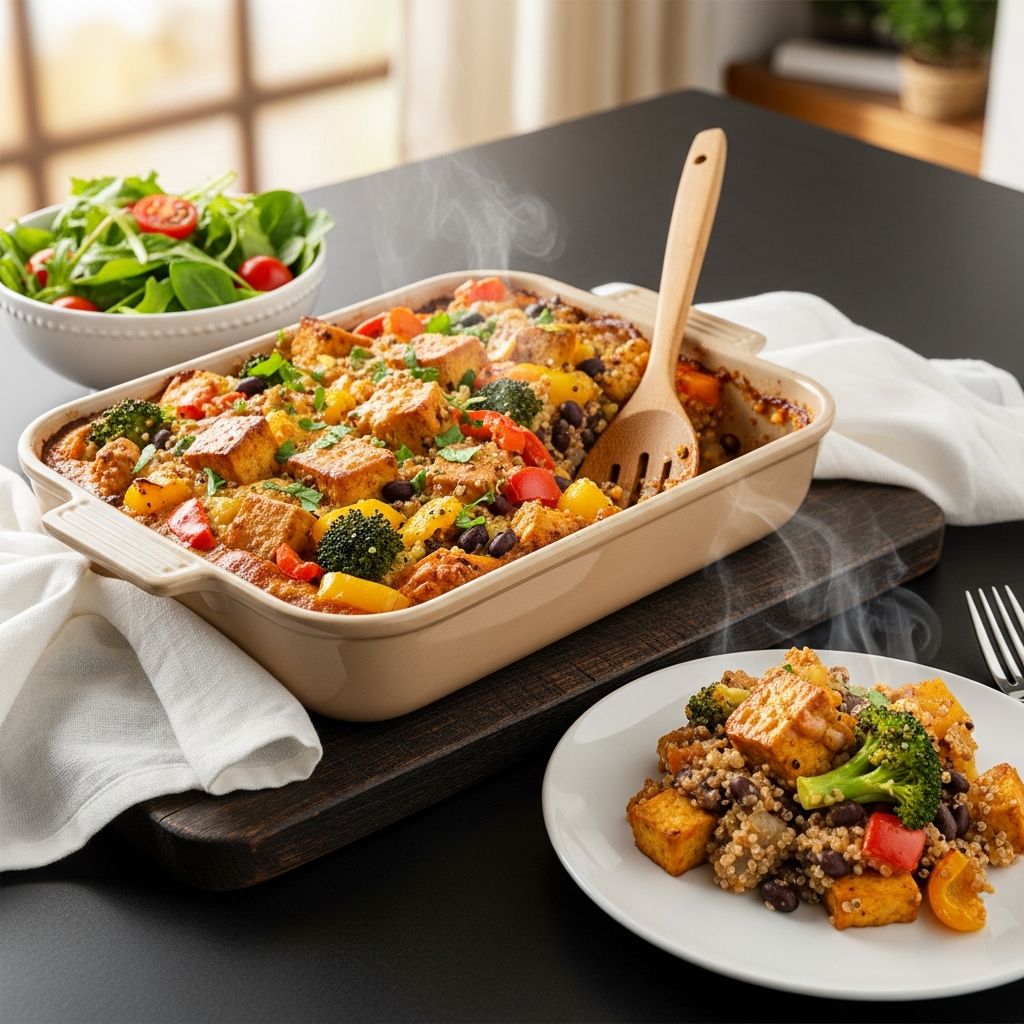
Vegetarian casseroles are the perfect answer for home cooks looking to create satisfying, protein-packed meals without meat. Whether you’re following a vegetarian lifestyle, trying Meatless Mondays, or simply seeking variety in your dinner rotation, high-protein vegetarian casseroles offer delicious solutions that satisfy even the heartiest appetites. These one-dish wonders combine nutrient-dense ingredients like legumes, whole grains, nuts, seeds, and dairy products to deliver complete proteins and sustained energy throughout the day.
Casseroles have long been celebrated as comfort food classics because they’re convenient, economical, and forgiving when it comes to ingredient substitutions. When you focus on building high-protein versions, you create meals that support muscle recovery, maintain satiety, and provide essential amino acids your body needs. The beauty of vegetarian casseroles is their versatility—you can customize them based on seasonal vegetables, personal preferences, and dietary needs while maintaining impressive nutritional profiles.
Why Choose High-Protein Vegetarian Casseroles?
High-protein vegetarian casseroles address common concerns about plant-based eating, particularly regarding adequate protein intake. Many people worry that removing meat from their diet means sacrificing protein content, but properly constructed vegetarian casseroles prove this misconception wrong. By combining complementary plant proteins—such as beans with grains, or nuts with legumes—you create complete amino acid profiles that rival meat-based dishes.
These casseroles offer multiple advantages for busy families and health-conscious cooks:
- Nutritional Completeness: Combining various plant-based protein sources ensures you receive all nine essential amino acids your body cannot produce independently.
- Budget-Friendly: Vegetarian proteins like beans, lentils, and tofu are significantly less expensive than meat, making these casseroles economical for large families.
- Meal Prep Friendly: Casseroles can be prepared in advance, refrigerated, and reheated, making them ideal for busy schedules.
- Flexibility: Easily accommodate dietary restrictions, allergies, and preferences by swapping ingredients without compromising flavor or nutrition.
- Sustainability: Plant-based meals have a lower environmental footprint than meat-based alternatives, supporting personal and planetary health.
Essential Protein Sources for Vegetarian Casseroles
Legumes and Beans
Legumes stand as the foundation of high-protein vegetarian cooking. Black beans, chickpeas, kidney beans, and lentils deliver substantial protein content along with fiber, iron, and antioxidants. A single cup of cooked lentils provides approximately 18 grams of protein, comparable to meat servings. These ingredients are incredibly versatile, absorbing flavors from surrounding ingredients while maintaining their nutritional integrity through cooking.
Tofu and Tempeh
Soy-based proteins offer complete amino acid profiles and neutral flavors that adapt to any casserole style. Tofu provides about 10 grams of protein per half-cup serving, while tempeh delivers even more at 15 grams per 3-ounce serving. These ingredients work particularly well in creamy casseroles and can be crumbled, cubed, or sliced depending on the desired texture.
Nuts and Seeds
Almonds, walnuts, sunflower seeds, and pumpkin seeds add protein, healthy fats, and textural interest to casseroles. Beyond protein content, these ingredients provide vitamin E, magnesium, and other micronutrients essential for overall health. They work wonderfully in toppings, mixed throughout the casserole, or ground into sauces.
Whole Grains
Incorporating quinoa, brown rice, farro, or other whole grains complements legumes perfectly by providing complementary amino acids. Quinoa is particularly valuable as a complete protein containing all essential amino acids, making it an excellent choice for vegetarian casseroles.
Dairy Products
For vegetarians who include dairy, cheese, Greek yogurt, and cottage cheese contribute significant protein while adding creaminess and flavor. Ricotta cheese provides approximately 14 grams of protein per half-cup, making it particularly valuable in layered casseroles.
Related Stories



Classic High-Protein Vegetarian Casserole Varieties
Bean and Cheese Enchilada Casserole
This southwestern-inspired casserole layers tortillas with seasoned black beans or pinto beans, cheese, and a zesty tomato-based sauce. Bell peppers, onions, and jalapeños add vegetables and flavor complexity. A single serving provides 15-18 grams of protein from the combination of beans and cheese, creating a satisfying dish that appeals to both vegetarians and meat-eaters alike. Top with avocado, cilantro, and Greek yogurt for additional nutrition and fresh flavors.
Lentil and Mushroom Bolognese Casserole
By replacing ground meat with cooked lentils and finely chopped mushrooms, you create an earthy, protein-rich casserole that satisfies cravings for Italian comfort food. The umami flavors from mushrooms provide depth similar to traditional meat-based versions. Layer with whole wheat pasta, your lentil-mushroom mixture, and ricotta cheese for a casserole that delivers approximately 20 grams of protein per serving.
Chickpea Tikka Masala Casserole
Bring Indian flavors to your casserole by combining chickpeas in a creamy, spiced tomato sauce. This aromatic casserole features warm spices like turmeric, cumin, and garam masala, creating complex flavors that satisfy sophisticated palates. Serve over rice within the casserole for a complete meal that provides 14-16 grams of protein per serving.
Tofu Vegetable Casserole
Pressed tofu crumbled and scrambled with nutritional yeast, turmeric, and vegetables creates a breakfast or dinner casserole reminiscent of egg-based dishes. This option accommodates vegan preferences while delivering substantial protein. The mild flavor allows seasonal vegetables to shine while providing 12-15 grams of protein per serving.
Tempeh and Sweet Potato Casserole
Combine cubed tempeh with layers of sweet potatoes, kale, and a cashew cream sauce for a nutrient-dense casserole bursting with color and flavor. This combination provides complex carbohydrates, protein, and phytonutrients that support comprehensive health and sustained energy. Each serving offers approximately 16-18 grams of protein.
Building Your Perfect Casserole: Step-by-Step Strategy
Creating successful high-protein vegetarian casseroles follows a simple framework that ensures balanced nutrition and delicious results:
- Select Your Protein Base: Choose one or more plant-based proteins that complement your chosen flavor profile. For example, black beans work beautifully with Mexican flavors, while lentils pair wonderfully with Mediterranean herbs.
- Add Vegetables: Include at least three different vegetables for variety, nutrition, and visual appeal. Raw or pre-cooked vegetables should be incorporated based on their cooking time requirements.
- Create a Binding Sauce: Develop a flavorful sauce using vegetable broth, tomato sauce, coconut milk, or cream to bind ingredients and create moisture. This prevents your casserole from becoming dry.
- Choose Your Base: Select pasta, rice, grains, or potatoes to provide additional protein and substance. This component makes your casserole more filling and substantial.
- Design a Topping: Create texture contrast and additional nutrition with toppings like breadcrumbs mixed with herbs, nuts, seeds, or cheese.
- Season Boldly: Don’t shy away from herbs, spices, garlic, and other seasonings. Vegetarian dishes often benefit from more aggressive seasoning than meat-based alternatives.
Nutritional Benefits of High-Protein Vegetarian Casseroles
Beyond satisfying hunger, high-protein vegetarian casseroles deliver comprehensive nutritional benefits that support health and wellness goals. The combination of plant-based proteins, whole grains, and abundant vegetables creates meals rich in fiber, vitamins, minerals, and phytonutrients.
Fiber Content: Most plant-based proteins deliver 6-8 grams of fiber per serving, compared to zero grams in meat. This fiber supports digestive health, feeds beneficial gut bacteria, and promotes satiety that helps with weight management.
Antioxidants and Phytonutrients: Plant-based meals contain thousands of bioactive compounds that combat inflammation and oxidative stress. These compounds are absent in animal products, making vegetarian meals particularly valuable for disease prevention.
Heart Health: Research demonstrates that plant-based diets rich in legumes and whole grains reduce heart disease risk, lower cholesterol levels, and support healthy blood pressure. These casseroles naturally fit within heart-healthy eating patterns.
Sustained Energy: The combination of protein, fiber, and complex carbohydrates in vegetarian casseroles provides steady energy release, avoiding the blood sugar spikes that processed foods create.
Practical Tips for Casserole Success
- Prep Ingredients in Advance: Chop vegetables, cook grains, and prepare proteins the night before assembly for streamlined cooking days.
- Don’t Overfill: Leave at least one inch of space at the top of your casserole dish to prevent overflowing during cooking.
- Cover Appropriately: Use foil for the first 25-30 minutes of baking to trap moisture, then uncover to allow browning on top if desired.
- Allow Resting Time: Let your casserole rest for 5-10 minutes after removing from the oven. This allows the structure to set and makes serving cleaner.
- Customize to Taste: Feel empowered to substitute vegetables, proteins, or seasonings based on preferences and what you have available.
- Plan for Leftovers: Casseroles typically yield 6-8 servings, providing convenient lunches throughout the week. Most refrigerate well for 3-4 days and freeze excellently for future meals.
Frequently Asked Questions About High-Protein Vegetarian Casseroles
Q: How much protein should be in a high-protein vegetarian casserole?
A: Aim for at least 12-15 grams of protein per serving to qualify as truly high-protein. This amount provides meaningful satiety and contributes substantially to daily protein requirements of 50-60 grams for average adults.
Q: Can I make vegetarian casseroles vegan?
A: Absolutely! Replace dairy cheese with nutritional yeast or vegan cheese alternatives, use cashew cream or coconut milk instead of dairy cream, and ensure all other ingredients are plant-based. The protein content remains equally impressive.
Q: How long can I store vegetarian casseroles?
A: Refrigerate for up to 4 days in an airtight container, or freeze for up to 3 months. Reheat gently in the oven at 350°F until warmed through, adding a splash of vegetable broth if needed to restore moisture.
Q: What if I don’t have a specific ingredient?
A: Vegetarian casseroles are remarkably flexible. Substitute any legume for another, swap vegetables based on season and preference, and use any combination of whole grains. The fundamental structure remains solid.
Q: Are vegetarian casseroles good for meal prep?
A: Casseroles are ideal for meal prep. Prepare the entire dish, divide into individual portions, and refrigerate or freeze. Simply reheat portions throughout the week for convenient, nutritious meals.
Q: How can I ensure a crispy top on my casserole?
A: After baking covered for 25-30 minutes, remove foil and increase oven temperature to 425°F for the final 10-15 minutes. This allows the topping to brown and crisp while the interior remains moist.
Q: What beverages pair well with vegetarian casseroles?
A: Light wines like Pinot Grigio or Sauvignon Blanc complement most vegetarian casseroles beautifully. For non-alcoholic options, herbal teas or infused water work wonderfully.
References
- Dietary Guidelines for Americans, 2020-2025 — U.S. Department of Agriculture and U.S. Department of Health and Human Services. 2020. https://www.dietaryguidelines.gov/
- Plant-Based Diets and Health Outcomes: A Systematic Review of Meta-Analysis Studies — PubMed Central, National Institute of Health. 2022. https://www.ncbi.nlm.nih.gov/pmc/articles/PMC8848739/
- Protein in Plant-Based Diets: Considerations for Vegetarians and Vegans — Academy of Nutrition and Dietetics. 2023. https://www.eatright.org/
- Nutritional Composition and Health Benefits of Legumes — Nutrients Journal. 2021. https://www.mdpi.com/2072-6643/10/11/1484
- Vegetarian and Vegan Diets for Cardiovascular Disease Prevention — American Heart Association. 2024. https://www.heart.org/
Similar Articles








Read full bio of medha deb