High-Protein Vegetarian Pasta Recipes: 6 Satisfying Dinners
Delicious plant-based pasta dishes packed with protein for nutritious meals.
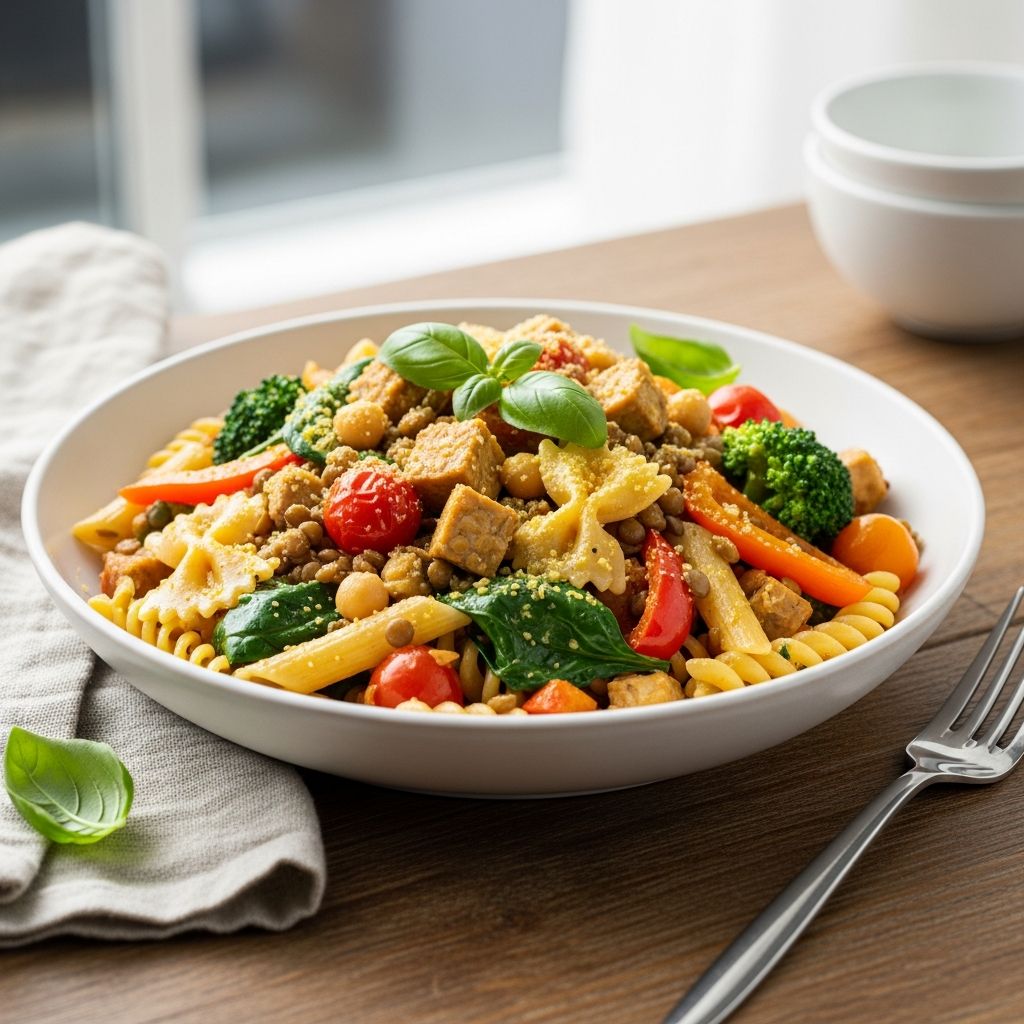
Vegetarian pasta dishes don’t have to be low in protein or lacking in nutritional value. By strategically incorporating plant-based protein sources, you can create satisfying, flavorful pasta meals that rival their meat-containing counterparts. Whether you’re committed to a vegetarian lifestyle or simply looking to incorporate more meatless meals into your weekly rotation, these high-protein vegetarian pasta recipes offer the perfect solution for delicious and nourishing dinners.
Why Choose High-Protein Vegetarian Pasta?
Pasta is a beloved staple in countless cuisines worldwide, and vegetarian versions can be equally satisfying and nutritious. Protein is an essential macronutrient that supports muscle maintenance, tissue repair, and overall bodily functions. When preparing vegetarian pasta dishes, incorporating adequate protein ensures that your meals are balanced, filling, and contribute to your daily nutritional goals.
The key to creating high-protein vegetarian pasta lies in combining complementary ingredients that work together to enhance both flavor and nutritional density. From legumes like chickpeas and lentils to nuts, seeds, and plant-based dairy alternatives, there are numerous ways to boost the protein content of your favorite pasta recipes.
Top Protein Sources for Vegetarian Pasta Dishes
Understanding which ingredients pack the most protein is essential for building satisfying vegetarian pasta recipes. Here are the primary protein sources that work beautifully in pasta dishes:
Legumes and Pulses
- Chickpeas: Versatile and creamy, chickpeas provide approximately 15 grams of protein per cooked cup and work wonderfully in creamy pasta sauces or as a textured base.
- Lentils: Available in red, green, and brown varieties, lentils offer 18 grams of protein per cooked cup and add hearty texture to sauces and pasta dishes.
- Black Beans: With 15 grams of protein per cooked cup, black beans add earthiness and depth to pasta preparations.
- Kidney Beans: Containing 13 grams of protein per cooked cup, kidney beans are excellent for heartier pasta sauces.
Nuts and Seeds
- Pine Nuts: Traditional in pesto, pine nuts provide 4 grams of protein per ounce along with healthy fats.
- Walnuts: Offering 4 grams of protein per ounce, walnuts create rich, textured sauces when ground or chopped.
- Sesame Seeds: These tiny powerhouses contain 3 grams of protein per tablespoon and add nutritional depth.
- Hemp Seeds: Complete proteins containing all nine essential amino acids, hemp seeds provide 10 grams of protein per three tablespoons.
Plant-Based Dairy and Proteins
- Tofu: Containing 10 grams of protein per half cup, tofu absorbs flavors beautifully and provides a creamy texture.
- Tempeh: With 19 grams of protein per three-ounce serving, tempeh offers a firmer texture than tofu.
- Nutritional Yeast: This deactivated yeast provides 8 grams of protein per two tablespoons and adds a savory, cheese-like flavor.
- Plant-Based Pasta: Legume-based and whole grain pastas contain significantly more protein than refined white pasta varieties.
Essential High-Protein Vegetarian Pasta Recipes
Creamy Chickpea and Spinach Pasta
This elegant yet simple dish combines the creaminess of chickpeas with the nutritional benefits of leafy greens. The recipe involves sautéing garlic and onions, then adding canned chickpeas and fresh spinach to a light cream sauce made from plant-based milk and nutritional yeast. The chickpeas break down slightly during cooking, creating a naturally creamy texture without heavy dairy. Toss with whole grain pasta and finish with lemon zest and fresh herbs for a dish that delivers approximately 18 grams of protein per serving.
Related Stories



Lentil Bolognese with Mushrooms
A hearty and deeply satisfying alternative to traditional meat-based bolognese, this recipe combines cooked lentils with finely chopped mushrooms, tomatoes, and aromatic vegetables. The mushrooms provide an umami-rich, meaty texture while the lentils contribute substantial protein. Garlic, tomato paste, and Italian herbs create authentic flavors, while a splash of balsamic vinegar adds complexity. This sauce develops flavor beautifully when simmered for 30 minutes, and each serving provides approximately 20 grams of protein when paired with whole grain pasta.
Walnut and Herb Pesto Pasta
Moving away from traditional pine nut pesto, this recipe uses ground walnuts combined with fresh basil, garlic, lemon juice, and quality olive oil. Walnuts provide a similar richness to pine nuts while being more budget-friendly and sustainable. By incorporating nutritional yeast instead of parmesan, the pesto remains entirely plant-based while maintaining that savory, umami quality. Toss with pasta and add white beans for additional protein, creating a dish with over 15 grams of protein per serving.
Tofu Ricotta and Tomato Lasagna
This plant-based interpretation of classic lasagna features a creamy ricotta alternative made from blended silken tofu, nutritional yeast, garlic, and fresh herbs. Layered between pasta sheets, a robust tomato sauce, and fresh spinach, this lasagna delivers comfort food satisfaction with significant nutritional value. Each layer contributes protein from different sources, resulting in a finished dish providing approximately 22 grams of protein per serving.
Tempeh and Black Bean Pasta
This Latin-inspired pasta combines seasoned, crumbled tempeh with black beans, creating a hearty texture-rich sauce. Cumin, chili powder, and lime juice provide authentic flavors, while bell peppers and onions add vegetables. Served over pasta and topped with fresh cilantro and avocado slices, this dish is both filling and flavorful, delivering approximately 19 grams of protein per serving.
Hemp Seed and Garlic Pasta
Inspired by aglio e olio but elevated with nutrition, this simple recipe toasts hemp seeds in olive oil infused with garlic and red pepper flakes. The hemp seeds create a naturally creamy texture while providing complete protein. Toss with pasta, add some sautéed leafy greens, and finish with lemon juice and fresh parsley. This minimalist approach showcases how just one protein source can transform a simple pasta dish into something nutritionally substantial, delivering approximately 12 grams of protein per serving.
Building Balanced High-Protein Vegetarian Pasta Meals
Creating nutritionally complete vegetarian pasta meals involves more than just adding protein sources to pasta and sauce. A balanced approach considers complementary proteins, diverse nutrients, and flavor harmony.
Complementary Protein Pairing
While plant-based proteins often contain all essential amino acids when varied throughout the day, combining specific proteins in a single meal enhances amino acid profiles. Pairing legumes (beans, lentils, chickpeas) with whole grains (pasta, brown rice) creates complete proteins. Additionally, incorporating nuts and seeds adds healthy fats that improve nutrient absorption and increase satiety.
Vegetable Integration
Incorporating diverse vegetables ensures your pasta dishes provide vitamins, minerals, and phytonutrients. Dark leafy greens like spinach and kale offer iron and calcium, while colorful bell peppers provide vitamin C that enhances iron absorption. Mushrooms, tomatoes, and zucchini add volume, flavor, and additional nutrients without significantly increasing calorie content.
Sauce Selection and Preparation
The sauce foundation of your pasta dish significantly impacts its nutritional profile. Tomato-based sauces offer lycopene and are naturally lower in calories, while cream-based sauces made with plant-based milk and nutritional yeast provide richness and additional protein. Oil-based sauces highlight the quality of individual ingredients while keeping preparations simple.
Shopping and Preparation Tips
Stock Your Pantry
- Keep various dried and canned legumes on hand for quick meal preparation
- Maintain a selection of nuts and seeds for texture and protein variety
- Stock multiple pasta varieties, including legume-based and whole grain options
- Keep pantry staples like canned tomatoes, garlic, onions, and quality olive oil available
- Store nutritional yeast and plant-based milk alternatives for creamy sauces
Time-Saving Strategies
- Batch cook legumes and freeze in portion-sized containers
- Prepare fresh herb blends and store in olive oil
- Make extra sauce and refrigerate or freeze for quick meals
- Use pre-chopped frozen vegetables when fresh options are inconvenient
- Prepare nuts and seeds in advance by toasting and storing in airtight containers
Nutritional Benefits of High-Protein Vegetarian Pasta
Consuming high-protein vegetarian pasta dishes offers numerous health benefits beyond simply meeting daily protein requirements. These meals typically contain higher fiber levels than traditional pasta dishes, supporting digestive health and stable blood sugar levels. The variety of plant-based ingredients ensures adequate micronutrient intake, including iron, magnesium, zinc, and B vitamins.
Legume-based dishes offer resistant starch, a type of carbohydrate that functions similarly to dietary fiber and supports healthy gut bacteria. The combination of protein, fiber, and healthy fats in these recipes promotes sustained satiety, making them excellent choices for weight management and overall wellness.
Adapting Recipes for Dietary Preferences
High-protein vegetarian pasta recipes offer flexibility for various dietary considerations. Those following a gluten-free diet can substitute traditional pasta with gluten-free options made from legumes or rice. Nut allergies can be accommodated by focusing on legume-based protein sources and seeds instead. For those limiting saturated fat, oil-based preparations and plant-based protein sources naturally align with heart-healthy dietary patterns.
Frequently Asked Questions (FAQs)
Q: How much protein does a serving of high-protein vegetarian pasta typically contain?
A: Most well-planned high-protein vegetarian pasta dishes contain between 12-22 grams of protein per serving, depending on the protein sources and quantities used. This is comparable to or exceeds traditional meat-based pasta dishes.
Q: Can I prepare these recipes in advance?
A: Yes, most high-protein vegetarian pasta recipes are excellent for meal preparation. Prepare sauces and store them in the refrigerator for up to four days or freeze for up to three months. Cook pasta separately and combine just before serving to maintain optimal texture.
Q: Are legume-based pastas better than traditional pasta for protein?
A: Legume-based pastas contain approximately double the protein of refined white pasta and significantly more than whole wheat pasta. However, the protein source in your sauce remains the most important factor in creating a high-protein dish.
Q: What’s the best way to cook dried beans and lentils for pasta dishes?
A: Dried beans should be soaked overnight, then simmered for 45-60 minutes until tender. Lentils don’t require soaking and cook in approximately 20-30 minutes. Alternatively, canned versions save time and provide comparable nutrition, with minimal sodium if rinsed thoroughly.
Q: How do I ensure complete protein in vegetarian pasta?
A: Combine legumes or beans with whole grain pasta, or use legume-based pasta alone. Adding nuts, seeds, or soy products increases the amino acid variety and ensures all essential amino acids are present.
Q: Can these recipes accommodate vegan diets?
A: Yes, the recipes mentioned are primarily plant-based. Simply ensure you use plant-based milk alternatives in creamy sauces and substitute nutritional yeast for any cheese. All suggested recipes can easily be adapted to be entirely vegan.
Q: What fresh herbs pair best with high-protein vegetarian pasta?
A: Basil, parsley, oregano, and thyme are classic choices that enhance vegetarian pasta dishes. Fresh mint and cilantro work wonderfully with globally-inspired recipes, while dill complements lighter preparations.
References
- USDA Food Data Central — United States Department of Agriculture. 2024. https://fdc.nal.usda.gov/
- Plant-Based Proteins: Nutritional Profile and Health Benefits — Academy of Nutrition and Dietetics. https://www.eatright.org/
- Legumes and Pulses: A Nutritional Perspective — Food and Agriculture Organization of the United Nations. 2020. https://www.fao.org/
- Complementary Protein Combinations in Plant-Based Diets — National Institutes of Health, Office of Dietary Supplements. https://ods.od.nih.gov/
- Vegetarian and Vegan Diets: Nutritional Adequacy — Mayo Clinic. https://www.mayoclinic.org/
Similar Articles








Read full bio of medha deb