High Red Blood Cell Count: Causes, Symptoms & Treatment
Understanding erythrocytosis: Learn about high RBC counts, their causes, symptoms, and effective treatment options.
What Is a High Red Blood Cell Count?
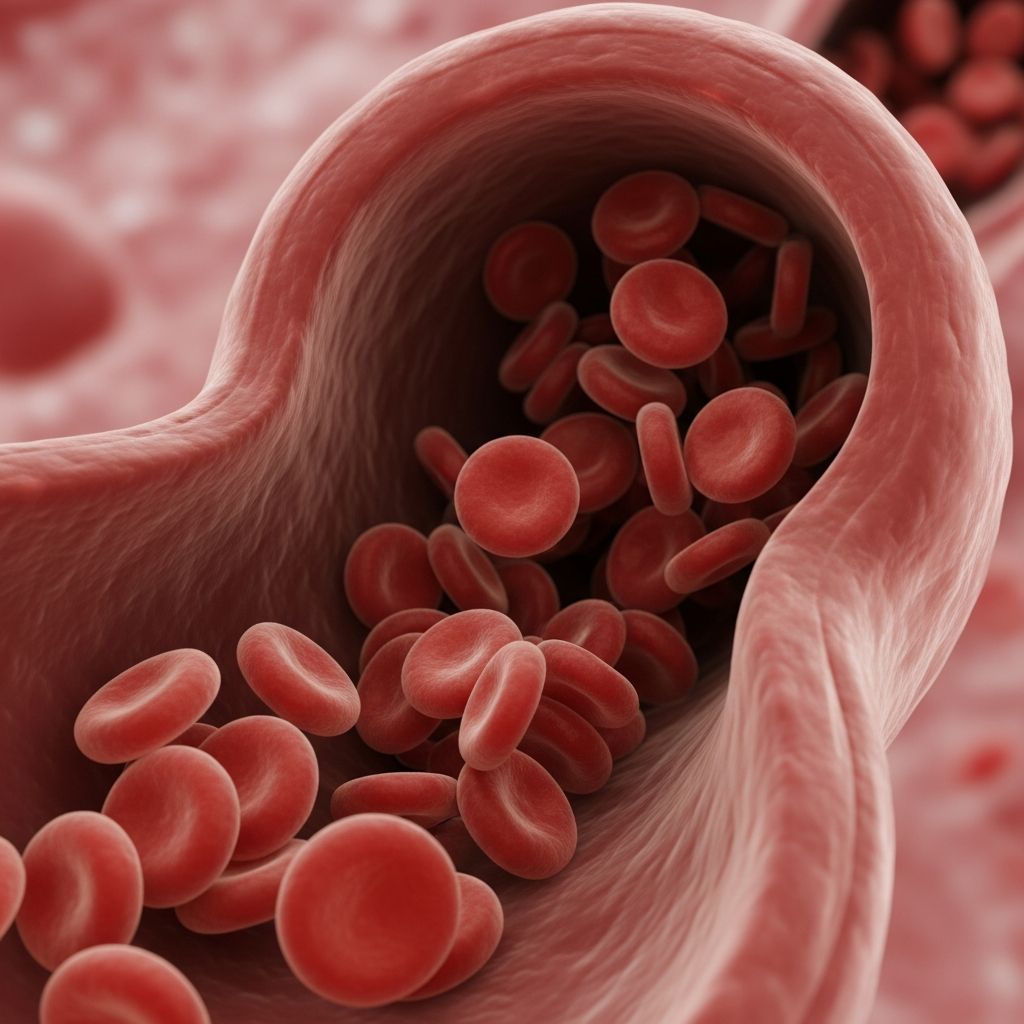
A high red blood cell count, also known as erythrocytosis, refers to a condition where you have a higher-than-normal concentration of red blood cells (erythrocytes) in your blood. Red blood cells are crucial components of your circulatory system, responsible for transporting oxygen throughout your body and keeping your tissues oxygenated, nourished, and healthy. When you have too many red blood cells, your blood can become thicker and more viscous, which may lead to serious health complications.
Erythrocytosis is sometimes only discovered during a routine blood test performed for another reason, and it involves having high hematocrit and/or hemoglobin levels. The condition can be caused by numerous factors, ranging from temporary and benign causes like dehydration to more serious underlying blood disorders such as polycythemia vera. Understanding whether your elevated red blood cell count is due to a minor cause or a significant medical condition is essential for proper management and preventing potential complications.
Why Red Blood Cells Matter
Red blood cells play a vital role in maintaining your overall health and wellness. These specialized cells contain hemoglobin, a protein responsible for binding to oxygen molecules and transporting them from your lungs to tissues and organs throughout your body. Additionally, hemoglobin helps carry carbon dioxide waste from your body back to your lungs for exhalation. Without adequate red blood cells, your body cannot receive the oxygen it needs to function properly. Conversely, having too many red blood cells can also create problems by making your blood thicker and potentially reducing circulation efficiency.
Symptoms of High Red Blood Cell Count
People with elevated red blood cell counts may experience various symptoms that can range from mild to severe. The symptoms often arise from an increase in total blood volume and red blood cell mass, which can lead to dilated capillaries and other blood vessels. Common symptoms include:
- Headache (often described as diffuse heaviness)
- Dizziness or lightheadedness
- Vision problems, including blurred or double vision
- Fatigue or weakness
- Red or flushed skin, particularly in the face, hands, and feet
- Itchy skin, especially after bathing or showering
- Shortness of breath
- Abdominal discomfort or pain
- Easy bruising or bleeding problems, such as nosebleeds
- High blood pressure
- Confusion or difficulty concentrating
- Ringing in the ears (tinnitus)
- Gout or joint pain and swelling
It’s important to note that many people with a high red blood cell count may experience no symptoms at all and only discover the condition through routine laboratory testing. For those who do experience symptoms, the severity typically depends on the underlying cause of the elevated red blood cell count and how quickly the condition developed.
Causes of High Red Blood Cell Count
A high red blood cell count can result from multiple different causes, which are generally classified into two main categories: primary and secondary erythrocytosis. Understanding the underlying cause is crucial for determining the appropriate treatment approach.
Primary Causes
Related Stories



Primary erythrocytosis occurs when the problem originates within the bone marrow itself, leading to overproduction of red blood cells. The most common primary cause is polycythemia vera, a serious blood disorder in which your bone marrow produces too many red blood cells. This is a myeloproliferative neoplasm that can lead to severe complications if left untreated, including blood clots, heart attacks, and strokes.
Secondary Causes
Secondary erythrocytosis develops when your body produces excess red blood cells in response to another condition or factor. Common secondary causes include:
- Dehydration: Loss of body fluid concentrates red blood cells in your bloodstream
- Heart disease: Conditions affecting heart function can trigger increased red blood cell production
- Lung disease: Various respiratory conditions, including chronic obstructive pulmonary disease (COPD)
- Scarring of the lungs: Often due to cigarette smoking or other causes
- Sleep apnea: A sleep disorder that causes repeated breathing interruptions, reducing oxygen levels
- Kidney cancer: Can produce erythropoietin, a hormone that stimulates red blood cell production
- High altitude living: Reduced oxygen availability triggers increased red blood cell production
- Certain medications: Including erythropoietin-stimulating agents
- Smoking: Can contribute to chronic hypoxia and increased red blood cell production
How High Red Blood Cell Count Affects Your Body
The effects of an elevated red blood cell count can vary depending on the underlying cause and severity of the condition. In mild cases, you may experience only minor symptoms like occasional headaches or fatigue. However, in more serious situations, particularly with polycythemia vera, the thick blood resulting from excessive red blood cells can have significant consequences.
When red blood cells are too concentrated, your blood becomes thicker and more sluggish, which impedes normal circulation. This thickness increases your risk of developing blood clots, which can potentially lead to deep vein thrombosis (DVT), pulmonary embolism (PE), heart attacks, or strokes. Additionally, the extra red blood cells can overwork your spleen, the organ responsible for filtering blood and removing old cells, potentially causing it to become enlarged and tender (splenomegaly).
High red blood cell turnover also produces elevated uric acid levels in your body, which can contribute to secondary conditions such as kidney stones and gout. Furthermore, the excess red blood cells can trigger increased stomach acid production, potentially leading to peptic ulcer disease, with people having polycythemia vera being four times more likely to develop this condition than the general population.
Diagnosis and Testing
Your healthcare provider may perform various tests and procedures to determine if you have a high red blood cell count and identify its underlying cause. The diagnostic process typically begins with a complete blood count (CBC) test, which measures your red blood cell count, hemoglobin levels, and hematocrit percentage.
Erythrocytosis is defined by an abnormal elevation in hematocrit levels (greater than 48% in women or 49% in men), hemoglobin concentration (above 16.0 g/dL in women or 16.5 g/dL in men), or red blood cell mass. Your healthcare provider will rule out relative erythrocytosis, which occurs when you have too little plasma in your blood rather than too many red blood cells, by asking questions about your medical history, medications, lifestyle, and symptoms.
If polycythemia vera is suspected, additional tests may include:
- A blood test to detect the JAK2 gene mutation, which is present in most polycythemia vera cases
- An ultrasound scan of your abdomen to check for kidney problems or abnormalities
- Additional molecular testing for other genetic mutations
- Bone marrow biopsy in some cases to confirm diagnosis
Treatment Options
Treatment for high red blood cell count depends on the underlying cause of your erythrocytosis. In some instances, simple lifestyle changes or medication adjustments may resolve the issue completely.
Managing Secondary Erythrocytosis
If your elevated red blood cell count is caused by a secondary condition, your healthcare provider will focus on treating that underlying cause. For example, if dehydration is responsible, increasing your fluid intake may normalize your red blood cell count. If a medication is causing the elevation, your provider may adjust or discontinue that medication. Individuals living at high altitude who develop erythrocytosis may find their condition improves by relocating to lower elevation areas with higher oxygen availability.
Managing Polycythemia Vera
For primary erythrocytosis caused by polycythemia vera, more aggressive treatment approaches are typically necessary. Your healthcare provider will monitor your condition closely and may recommend:
- Phlebotomy: Periodic removal of blood to reduce red blood cell count and blood viscosity
- Medication: Drugs such as hydroxyurea to suppress bone marrow production of red blood cells
- Aspirin therapy: Low-dose aspirin to reduce clotting risk in some patients
- Lifestyle modifications: Avoiding smoking, maintaining hydration, and managing stress
When to See a Healthcare Provider
You should contact your healthcare provider if you experience symptoms suggestive of high red blood cell count, particularly if you have persistent headaches, unexplained fatigue, vision problems, or frequent nosebleeds. Additionally, if you have a family history of polycythemia vera or other blood disorders, discuss screening options with your provider. If you have been diagnosed with erythrocytosis, attend all follow-up appointments and monitoring visits as recommended to ensure your condition is properly managed.
Frequently Asked Questions
Q: What is the difference between high red blood cell count and high hemoglobin?
A: While related, these are technically different measurements. High hemoglobin specifically refers to elevated levels of the hemoglobin protein in red blood cells, while a high red blood cell count refers to having too many red blood cells overall. However, both conditions are often present together and can indicate erythrocytosis or polycythemia.
Q: Can high red blood cell count be cured?
A: This depends on the cause. Secondary erythrocytosis caused by dehydration, altitude, or medications may be completely reversed by addressing the underlying factor. However, primary erythrocytosis like polycythemia vera is a chronic condition that requires ongoing management rather than cure, though treatment can effectively control symptoms and reduce complications.
Q: Is high red blood cell count dangerous?
A: It can be, particularly if the underlying cause is polycythemia vera or another primary disorder. The thickened blood associated with excessive red blood cells increases your risk of serious complications including blood clots, heart attacks, and strokes. However, secondary erythrocytosis is often manageable and less dangerous if the underlying cause is addressed promptly.
Q: How often do I need blood tests if I have elevated red blood cell count?
A: Your healthcare provider will recommend a testing schedule based on your specific diagnosis and severity. Those with polycythemia vera typically require regular monitoring, often every few months, to ensure their condition remains controlled and to adjust treatment as needed.
Q: Can lifestyle changes help manage high red blood cell count?
A: Yes, depending on the cause. If your elevated count is due to dehydration, smoking, or high altitude, addressing these factors can help normalize your levels. Even for primary conditions, lifestyle modifications like avoiding smoking, staying hydrated, managing stress, and maintaining a healthy weight can support overall management and reduce symptoms.
References
- Red Blood Cell (RBC) Count: MedlinePlus Medical Test — National Library of Medicine (U.S. National Institutes of Health). https://medlineplus.gov/lab-tests/red-blood-cell-rbc-count/
- Erythrocytosis — NHS (National Health Service). https://www.nhs.uk/conditions/erythrocytosis/
- Erythrocytosis (Polycythaemia): Definition, Causes & Treatment — Cleveland Clinic. https://my.clevelandclinic.org/health/diseases/23468-erythrocytosis
- Polycythemia Vera: What It Is, Symptoms & Treatment — Cleveland Clinic. https://my.clevelandclinic.org/health/diseases/17742-polycythemia-vera
- Erythrocytosis due to presumed polycythemia vera — Cleveland Clinic Journal of Medicine. 2016. https://www.ccjm.org/content/83/9/648
- High Hemoglobin Count: Causes, Testing & Treatment — Cleveland Clinic. https://my.clevelandclinic.org/health/symptoms/17789-high-hemoglobin-count
- Red Blood Cells: Function, Role & Importance — Cleveland Clinic. https://my.clevelandclinic.org/health/body/21691-function-of-red-blood-cells
Similar Articles








Read full bio of medha deb