High Testosterone Signs And Symptoms: Complete Guide
Recognize the signs of high testosterone in men and women, from acne and body hair to mood changes and serious health risks.
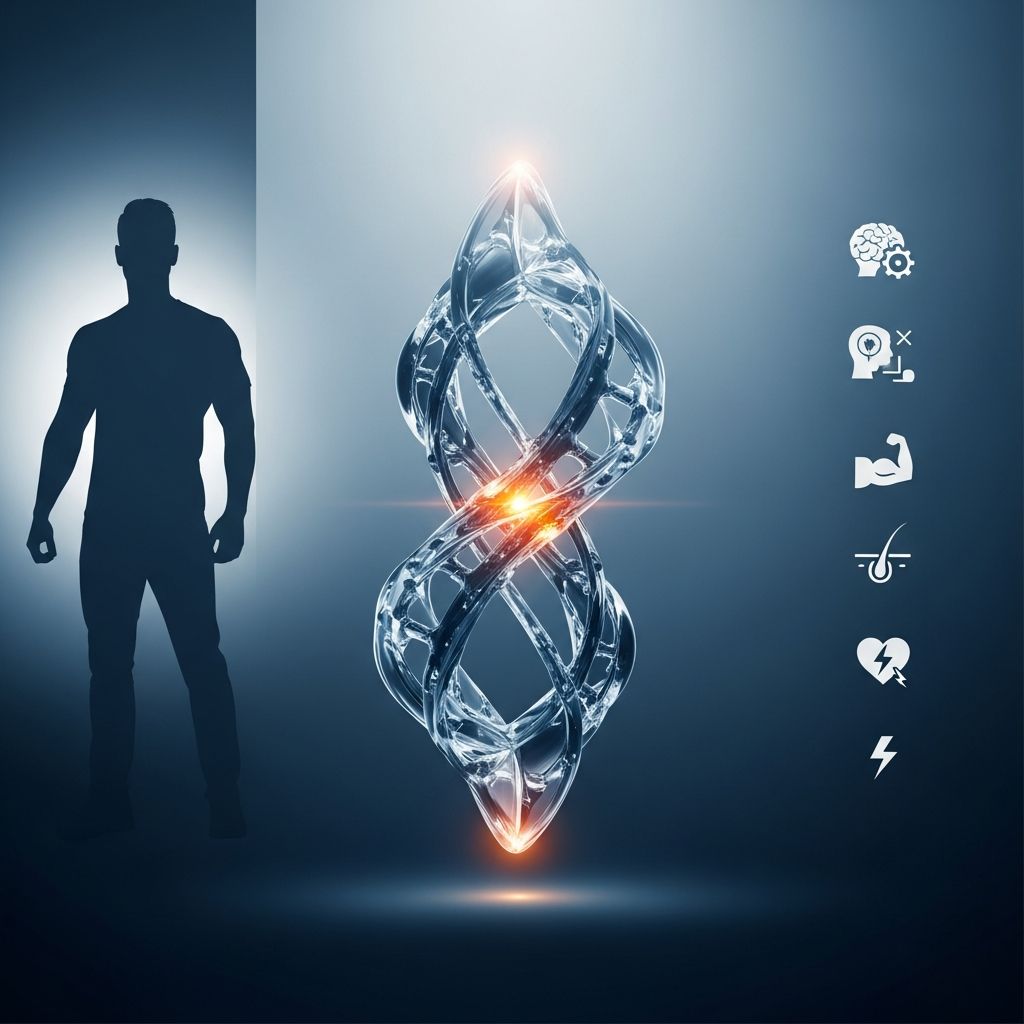
Testosterone, a vital hormone primarily associated with male characteristics, plays key roles in muscle mass, bone density, libido, and red blood cell production in both sexes. While essential for health, elevated levels—known as hyperandrogenism—can lead to noticeable physical, reproductive, and psychological symptoms in men and women. High testosterone disrupts normal bodily functions and may signal underlying conditions like polycystic ovary syndrome (PCOS) in women or anabolic steroid use in men.
This comprehensive guide explores the signs of high testosterone, differences by sex, potential causes, diagnosis, treatment options, and when to consult a healthcare provider. Understanding these symptoms empowers individuals to seek timely medical advice, preventing complications like infertility, cardiovascular issues, or prostate problems.
What Is Testosterone?
Testosterone is a steroid hormone produced mainly in the testes in men and ovaries and adrenal glands in women. In men, it drives puberty changes such as voice deepening, facial hair growth, muscle development, and sperm production. Women rely on it for libido, bone strength, and muscle maintenance, albeit at lower levels—typically 15-70 ng/dL versus 300-1,000 ng/dL in men.
Normal levels vary by age, sex, and time of day, peaking in the morning. High testosterone, or hyperandrogenism, occurs when levels exceed these ranges, often due to tumors, congenital adrenal hyperplasia, or external factors like supplements. In women, levels above 50 ng/dL may indicate issues; in men, consistently over 1,200 ng/dL warrants investigation.
High Testosterone in Men: Signs and Symptoms
Men with elevated testosterone often experience amplified masculine traits alongside health risks. Common symptoms include:
- Acne and oily skin: Excess oil production clogs pores, leading to persistent breakouts, even in adulthood.
- Excessive body and facial hair: Accelerated growth (hirsutism) on the chest, back, and face.
- Increased libido: Heightened sex drive, sometimes to disruptive levels.
- Mood changes: Irritability, aggression, risk-taking behaviors, or insomnia.
- Muscle mass increase and strength: Rapid gains without proportional training.
Serious indicators include:
- High blood pressure and heart strain, raising stroke or heart attack risk.
- Prostate enlargement (benign prostatic hyperplasia, BPH), causing urinary difficulties.
- Low sperm count and infertility due to suppressed natural production.
- Swelling in legs/feet (edema), headaches, and appetite surges leading to weight gain.
- Liver issues like adenomas from synthetic testosterone.
Bodybuilders using anabolic steroids commonly report these, as exogenous testosterone suppresses the body’s natural output via feedback loops.
High Testosterone in Women: Signs and Symptoms
In women, high testosterone manifests as virilization—male-like traits—often linked to PCOS, affecting up to 15% of reproductive-age females. Symptoms include:
- Hirsutism: Thick, dark hair on face, chest, back, or abdomen.
- Acne and oily skin: Severe, cystic acne unresponsive to typical treatments.
- Male-pattern baldness: Thinning at the crown or temples.
- Irregular periods: Oligomenorrhea (infrequent) or amenorrhea (absent), due to ovulation disruption.
- Increased muscle mass: Broader shoulders and reduced body fat.
Other signs:
- Deepening voice and clitoral enlargement.
- Reduced breast size and infertility.
- Mood disturbances like anxiety, depression, or irritability.
- Vaginal dryness and low libido paradoxically, despite high levels.
PCOS drives two-thirds of cases, with ovaries overproducing androgens, confirmed by ultrasound showing cysts and blood tests.
Causes of High Testosterone
Elevated levels stem from:
- PCOS in women: Ovaries produce excess androgens; hallmark is high free testosterone.
- Anabolic steroid use: Common in athletes, leading to synthetic overload.
- Adrenal disorders: Congenital adrenal hyperplasia or tumors.
- Testicular/ovarian tumors: Rare cancers secreting testosterone.
- Medications: Certain steroids or supplements.
Risk factors include obesity (increases androgen production), insulin resistance, and genetic predispositions.
Related Stories



High Testosterone vs. Low Testosterone: Key Differences
| Symptom | High Testosterone (Men) | Low Testosterone (Men) | High Testosterone (Women) | Low Testosterone (Women) |
|---|---|---|---|---|
| Acne/Oily Skin | Yes | No | Yes | No |
| Body Hair | Increased | Decreased | Increased (hirsutism) | Normal/Decreased |
| Muscle Mass | Increased | Decreased | Increased | Decreased |
| Libido | High | Low | Variable/Low | Low |
| Mood | Aggressive | Depressed | Irritable | Fatigued |
| Fertility | Reduced sperm | Reduced sperm | Infertility | Normal |
This table highlights overlaps and distinctions; blood tests differentiate accurately.
When to See a Doctor
Seek immediate care for severe symptoms like chest pain, breathing difficulty, fainting, stroke signs, or sudden swelling. Routine check for persistent acne, hair changes, irregular periods, or mood shifts. Early intervention prevents infertility, cardiovascular disease, or cancer risks.
Diagnosis
Diagnosis involves:
- Blood tests: Total/free testosterone, SHBG, LH/FSH, measured morning fasting.
- Imaging: Ultrasound for PCOS/ovarian issues, MRI for tumors.
- Physical exam: Assessing virilization or prostate size.
- Rule out confounders like medications.
Treatment Options
Treatments target causes:
- Lifestyle: Weight loss, low-glycemic diet, exercise reduce PCOS androgens.
- Medications: Spironolactone or OCPs for women; stop steroids for men.
- Surgery: Tumor removal.
- Fertility aids: Metformin or clomiphene for PCOS.
Monitoring prevents recurrence; hormone therapy balances levels.
Frequently Asked Questions (FAQs)
What are the first signs of high testosterone in men?
Early signs include acne, excessive body hair, high libido, and aggressive mood changes.
Can high testosterone cause infertility in women?
Yes, especially in PCOS, disrupting ovulation and leading to irregular cycles.
Does high testosterone increase heart disease risk?
Yes, via hypertension, high red blood cells, and cholesterol changes.
How is high testosterone treated in women with PCOS?
Lifestyle changes, anti-androgens like spironolactone, and birth control pills.
Can stress cause high testosterone?
Indirectly, via adrenal overproduction, but tumors or PCOS are primary.
High testosterone affects quality of life but is manageable with prompt care. Consult endocrinologists for personalized plans.
References
- High testosterone in males: Signs and symptoms — Medical News Today. 2023-10-15. https://www.medicalnewstoday.com/articles/signs-of-high-testosterone
- 28 Signs of High Testosterone in Men and Women — Healthline. 2023-08-20. https://www.healthline.com/health/signs-of-high-testosterone
- How to Treat High Testosterone in Women: Signs and Causes — Midi Health. 2024-02-10. https://www.joinmidi.com/post/how-to-treat-high-testosterone
- Testosterone: What It Is, Function & Levels — Cleveland Clinic. 2024-01-05. https://my.clevelandclinic.org/health/articles/24101-testosterone
Similar Articles








Read full bio of Sneha Tete