High White Blood Cell Count: Causes, Symptoms & Treatment
Understanding leukocytosis: causes, symptoms, diagnosis and effective treatment options.
Understanding High White Blood Cell Count (Leukocytosis)
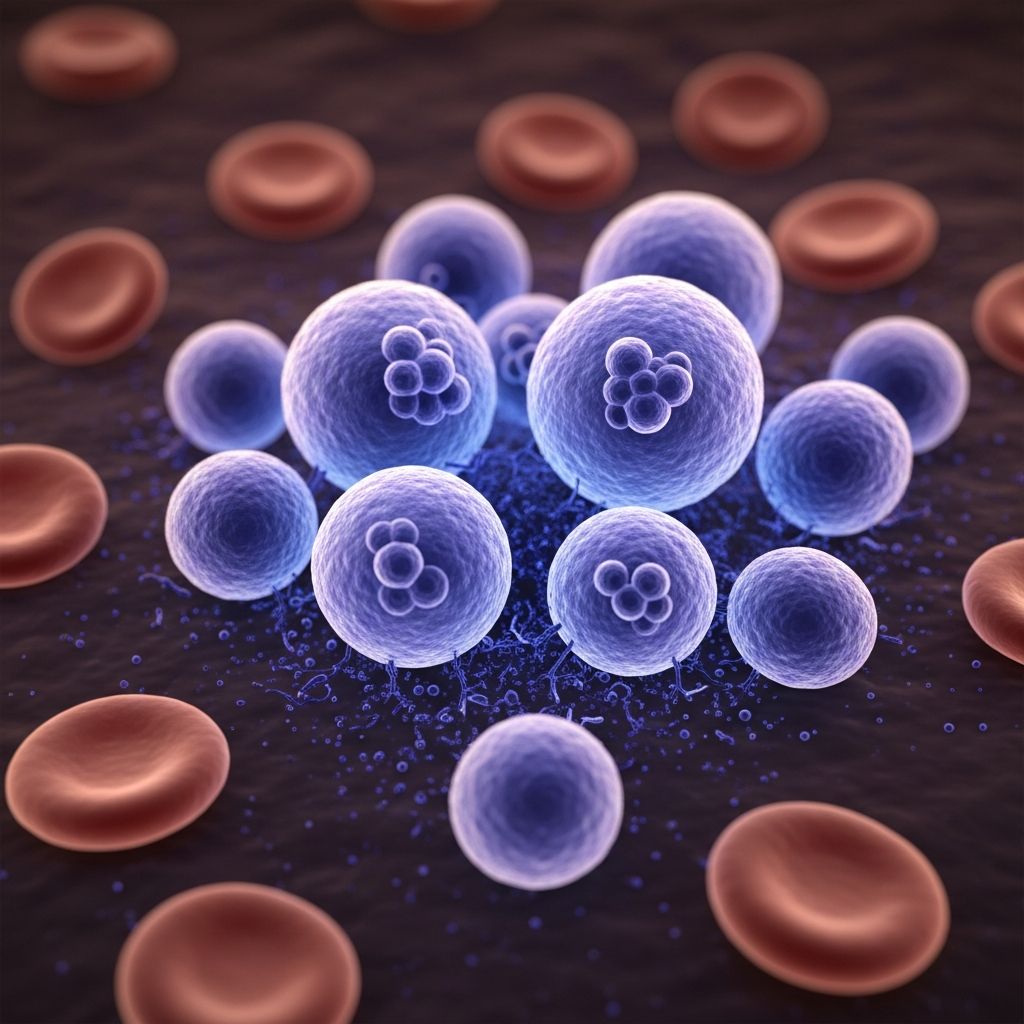
Leukocytosis refers to a condition where you have a higher than normal number of white blood cells circulating in your bloodstream. White blood cells are essential components of your immune system, playing a critical role in defending your body against infections, disease, and foreign invaders. These cells are produced in your bone marrow and work tirelessly to protect your health. However, when white blood cell counts become elevated, it can indicate that your body is responding to various underlying conditions or stressors.
Typically, if there are more than 11,000 white blood cells per microliter of blood, it is considered leukocytosis. In most cases, leukocytosis is a normal and healthy immune response, indicating that your body is actively fighting off infection or managing inflammation. However, in some instances, an elevated white blood cell count can signal more serious conditions that require medical attention and treatment. Understanding the causes, symptoms, and treatment options for high white blood cell counts is essential for maintaining your health and well-being.
What Are White Blood Cells and Why Are They Important?
White blood cells represent approximately 1% of your total blood volume, but their importance to your health cannot be overstated. These specialized cells function as your body’s defense system, constantly patrolling your bloodstream and tissues to identify and eliminate threats such as bacteria, viruses, and other pathogens. Your bone marrow, a spongy tissue found within your bones, continuously produces new white blood cells to maintain an adequate supply for immune defense.
There are three primary types of white blood cells, each with specific functions in your immune response:
- Granulocytes: Include neutrophils, eosinophils, and basophils, which work to fight infections and manage inflammatory responses
- Monocytes: Larger cells that engulf and destroy bacteria and dead cell debris
- Lymphocytes: Include T cells and B cells, which coordinate immune responses and produce antibodies
Common Causes of High White Blood Cell Count
Leukocytosis can result from various physiological and pathological conditions. Most commonly, elevated white blood cell counts indicate that your immune system is actively responding to a threat or stressor.
Infections
Bacterial, viral, and fungal infections are among the most common causes of elevated white blood cell counts. When your body detects an infection, it increases white blood cell production to mount an effective immune response. Common infections that may elevate white blood cell counts include pneumonia, urinary tract infections, appendicitis, and meningitis. Your healthcare provider will investigate the source of the infection to provide appropriate treatment.
Inflammation and Autoimmune Disorders
Inflammatory conditions and autoimmune disorders can trigger elevated white blood cell counts as your immune system responds to perceived threats or attacks your body’s own tissues. Conditions such as lupus and rheumatoid arthritis frequently present with elevated white blood cell counts. Understanding the underlying inflammatory or autoimmune condition is crucial for managing your overall health.
Physical or Emotional Stress
Your body naturally increases white blood cell production in response to physical stress such as intense exercise, surgery, or trauma, as well as emotional stress and anxiety. This is a normal physiological response and typically resolves once the stressor is removed. Similarly, pregnancy can cause elevated white blood cell counts as your body experiences the stress of carrying a developing fetus. Your healthcare provider will monitor your blood counts throughout pregnancy to ensure everything remains normal.
Related Stories



Medications
Corticosteroids, commonly prescribed for inflammation and immune suppression, can significantly elevate white blood cell counts. Research demonstrates that increases of up to 4.84 × 10^9/L cells may occur within 48 hours following high-dose corticosteroid administration. This medication-induced elevation typically peaks at 48 hours and is expected and generally not concerning. However, clinicians must carefully differentiate between steroid-induced leukocytosis and elevations caused by developing infections or other serious conditions.
Bone Marrow and Blood Disorders
Less commonly, leukocytosis may indicate serious blood cancers or bone marrow disorders. Conditions such as acute myeloid leukemia, chronic myelogenous leukemia, and chronic lymphocytic leukemia can present with significantly elevated white blood cell counts. Some patients with acute leukemias present with hyperleukocytosis, defined as very high white blood cell counts exceeding 100,000 cells per microliter, which constitutes a medical emergency.
Other Causes
Additional conditions that may elevate white blood cell counts include:
- Allergic reactions
- Smoking
- Certain medications including epinephrine
- Leukemia and lymphoma
- Spleen removal
- Certain hormonal conditions
Recognizing Symptoms of High White Blood Cell Count
Many individuals with elevated white blood cell counts experience no symptoms at all, and the condition is discovered only through routine blood work. However, when symptoms do occur, they often reflect the underlying condition causing the leukocytosis rather than the elevated white blood cell count itself. Common symptoms associated with high white blood cell counts include:
- Fever or chills, indicating possible infection
- Fatigue and general weakness
- Shortness of breath
- Persistent cough
- Frequent infections
- Swollen lymph nodes
- Easy bruising, which may indicate other blood abnormalities
- Unexplained weight loss
In cases of severe acute leukemia with extremely elevated white blood cells, a condition called hyperviscosity syndrome can develop. This occurs when the high concentration of white blood cells thickens the blood, decreasing blood flow throughout your body. Hyperviscosity syndrome can cause serious health complications including stroke, internal bleeding, and vision impairment, representing a medical emergency requiring immediate treatment.
Diagnosis of High White Blood Cell Count
If your healthcare provider suspects leukocytosis, they will perform a comprehensive evaluation to identify the underlying cause. The diagnostic process begins with a thorough physical examination, during which your provider will assess your overall health status and look for signs of infection or inflammation. Your healthcare provider will also ask detailed questions about your symptoms, medical history, current medications, and recent illnesses or exposures.
Complete Blood Count (CBC)
The primary diagnostic tool for evaluating white blood cell counts is the complete blood count, commonly referred to as a CBC. This routine blood test measures the number of red blood cells, white blood cells, and platelets in your blood. The CBC provides a comprehensive overview of your blood composition and can identify abnormalities that might indicate infection, inflammation, or more serious blood disorders. In many cases, a CBC with differential may be performed, which evaluates each type of white blood cell individually to provide more detailed information about your immune response.
Additional Testing
Depending on the findings from your initial evaluation and CBC results, your healthcare provider may recommend additional testing. A bone marrow test may be necessary to confirm certain diagnoses, particularly when blood cancers or bone marrow disorders are suspected. Blood cultures may be ordered if infection is suspected, allowing identification of the specific pathogen causing your elevated white blood cell count. Imaging studies such as chest X-rays or ultrasounds may also be performed to investigate potential sources of infection or inflammation.
Treatment Options for High White Blood Cell Count
The treatment approach for leukocytosis depends entirely on the underlying cause. Once your healthcare provider has identified the reason for your elevated white blood cell count, they will recommend appropriate treatment tailored to your specific condition.
Treating Infections
When leukocytosis results from a bacterial infection, your healthcare provider will likely prescribe antibiotics to eliminate the pathogen. The specific antibiotic chosen depends on the type of bacteria causing the infection and its susceptibility to various medications. If a viral infection is responsible, treatment is typically supportive, focusing on managing symptoms while your immune system combats the virus. Antiviral medications may be prescribed for certain serious viral infections.
Managing Underlying Conditions
For autoimmune or inflammatory conditions causing elevated white blood cell counts, treatment focuses on managing the underlying disease process. This may involve anti-inflammatory medications, immunosuppressant drugs, or other targeted therapies designed to control the inflammation or autoimmune response.
Addressing Medication-Related Elevations
If your elevated white blood cell count is caused by medications such as corticosteroids, your healthcare provider will discuss whether the medication can be discontinued or the dose reduced. In many cases, the white blood cell count will naturally return to normal once the medication is stopped or its dosage is adjusted.
Recovery Timeline
The time required to recover from leukocytosis varies depending on the underlying cause and type of treatment received. In most instances, your white blood cell count can return to normal within two to four weeks following appropriate treatment. If you are undergoing cancer treatment, recovery may take considerably longer, requiring ongoing monitoring and management by your healthcare team.
When to Seek Emergency Care
While most cases of elevated white blood cell counts are manageable in an outpatient setting, certain symptoms warrant immediate emergency medical attention. Contact emergency services or go to the nearest emergency room if you experience:
- Severe shortness of breath or chest pain
- Sudden vision changes or loss of vision
- Signs of stroke such as facial drooping, arm weakness, or speech difficulty
- Severe bleeding or unexplained bruising
- High fever with confusion or altered mental status
- Severe headache with fever and stiff neck
High White Blood Cell Count During Pregnancy
An elevated white blood cell count during pregnancy is completely normal and not a cause for concern. Your body naturally increases white blood cell production in response to the physiological stress of pregnancy. Your healthcare provider will perform routine blood tests throughout your pregnancy to monitor your blood counts and ensure that nothing unusual is occurring beyond the expected changes associated with pregnancy.
Understanding the Relationship Between White Blood Cell Count and Blood Clots
Recent research has identified an important relationship between elevated white blood cell counts and increased risk of thrombotic events such as blood clots, heart attacks, and deep vein thrombosis, particularly in patients with polycythemia vera. Studies demonstrate that as white blood cell count increases, the risk of blood clots increases proportionally. When white blood cell counts exceed 12,000 cells per microliter, a significantly elevated risk of thrombotic events has been documented. This finding underscores the importance of managing white blood cell counts as part of comprehensive risk stratification and treatment strategies for patients with blood disorders.
When Leukocytosis Indicates Cancer
While most cases of elevated white blood cell counts result from infections or benign conditions, leukocytosis can occasionally indicate certain blood cancers. Leukemia, characterized by the rapid growth of abnormal blood cells in the bone marrow, frequently presents with very high white blood cell counts. Similarly, lymphoma may present with elevated white blood cell counts. It is crucial to note that leukocytosis itself is not a disease but rather a symptom that reflects your body’s response to various stimuli. Your healthcare provider will perform comprehensive testing to determine whether cancer is responsible for your elevated white blood cell count.
Frequently Asked Questions
Q: Is leukocytosis always a sign of infection?
A: No, while infection is the most common cause of leukocytosis, elevated white blood cell counts can result from inflammation, stress, medications, autoimmune disorders, or blood cancers. Your healthcare provider will perform appropriate testing to determine the underlying cause.
Q: Can leukocytosis go away on its own?
A: In some cases, your white blood cell count may return to normal without intervention, particularly if the cause is stress or a mild infection that your immune system can resolve independently. However, most cases require identification and treatment of the underlying condition.
Q: How long does it take to recover from leukocytosis?
A: In most instances, white blood cell counts return to normal within two to four weeks following appropriate treatment of the underlying condition. Cancer treatment recovery may require significantly longer periods.
Q: Is a CBC blood test painful?
A: A CBC requires only a simple blood draw from your arm. Most people experience minimal discomfort during this routine procedure.
Q: Can corticosteroids cause permanent elevation of white blood cells?
A: No, corticosteroid-induced leukocytosis is typically temporary. White blood cell counts usually return to normal within a few days after stopping the medication or reducing the dose.
References
- Elevation in white blood cell count after corticosteroid use in hospitalized patients without malignancy, infection, or immune dysfunction — Journal of Hospital Medicine, Wiley Periodicals LLC. 2025-02-15. https://pubmed.ncbi.nlm.nih.gov/39932209/
- Elevated Blood Counts May Factor in Thrombotic Events in Polycythemia Vera — Cleveland Clinic. 2024. https://consultqd.clevelandclinic.org/elevated-blood-counts-may-factor-in-thrombotic-events-in-polycythemia-vera
- Leukocytosis (High White Blood Cell Count): Causes & Symptoms — Cleveland Clinic. 2024. https://my.clevelandclinic.org/health/diseases/17704-high-white-blood-cell-count
- Acute leukemia with a very high leukocyte count: Confronting a medical emergency — Cleveland Clinic Foundation. https://www.ccjm.org/content/ccjom/71/8/633.full.pdf
- White Blood Cells: Types, Function & Normal Ranges — Cleveland Clinic. 2024. https://my.clevelandclinic.org/health/body/21871-white-blood-cells
- Complete Blood Count (CBC): What It Is & Normal Ranges — Cleveland Clinic. 2024. https://my.clevelandclinic.org/health/diagnostics/4053-complete-blood-count
- Blood Disorders: Types, Symptoms & Treatments — Cleveland Clinic. 2024. https://my.clevelandclinic.org/health/diseases/21545-blood-disorders
Similar Articles








Read full bio of medha deb