Highly Sensitive Person: 12 Signs And Strategies To Thrive
Discover what it means to be a highly sensitive person (HSP), including traits, strengths, challenges, and coping strategies for thriving.

A highly sensitive person (HSP) possesses a heightened awareness of environmental stimuli, emotional cues, and subtle changes that others might overlook. This trait, known scientifically as sensory processing sensitivity (SPS), affects approximately 15-20% of the population and is characterized by deep processing of information, strong empathy, and a lower threshold for overstimulation.
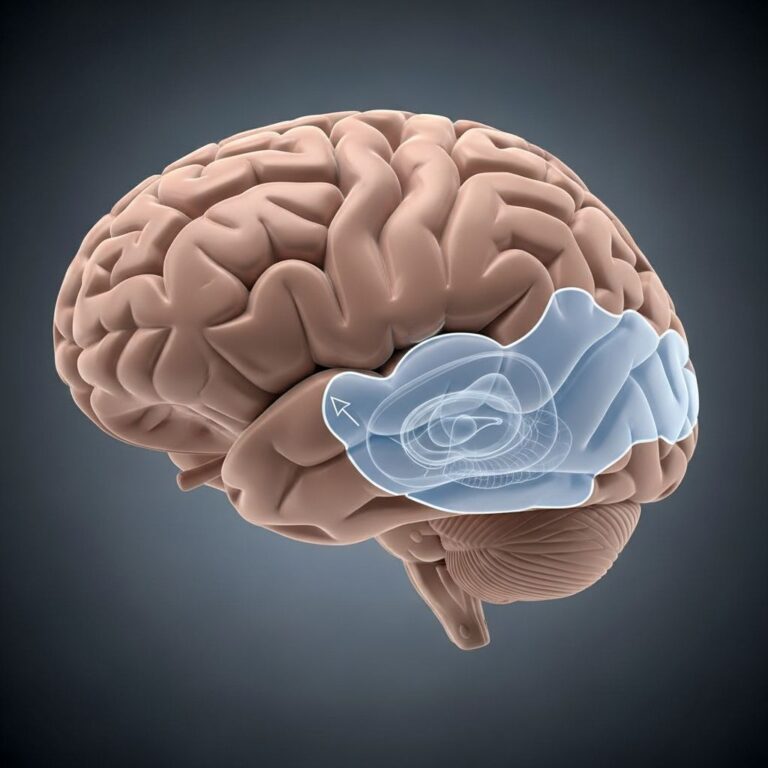
Coined by psychologist Elaine Aron in the 1990s, HSP is not a disorder but an innate personality trait rooted in neurobiology. HSP brains exhibit stronger activity in areas linked to awareness, empathy, and emotional regulation, making them more responsive to both positive and negative experiences—a concept called “differential susceptibility.” While this sensitivity fosters profound insights and creativity, it can also lead to overwhelm in high-stimulation environments.
What Is a Highly Sensitive Person?
Highly sensitive persons process sensory data more deeply than average, noticing nuances in sounds, lights, textures, and social dynamics. This “does not mean you are overly emotional or weak; rather, your nervous system is calibrated to detect subtleties for survival advantages, such as spotting dangers early.
Research shows HSPs have elevated neuroticism and introversion, correlating with higher risks of anxiety and depression, particularly among females. A meta-analysis of 33 studies confirmed moderate positive links between sensitivity and mental health issues like depression, PTSD, and anxiety, emphasizing the need for tailored clinical approaches.
Key neurobiological differences include:
- Stronger unconscious nervous system activation during stress.
- Heightened emotional reactivity to both positive and negative stimuli.
- Increased physiological responses to pain, hunger, and sensory input.
12 Signs You May Be a Highly Sensitive Person
Recognizing HSP traits can validate experiences and guide self-care. Here are common indicators backed by research:
- Overwhelmed by sensory input: Crowded places, loud noises, or bright lights cause quick fatigue.
- Deep emotional processing: You reflect extensively on experiences and conversations.
- High empathy: You absorb others’ moods, often prioritizing their feelings over your own.
- Sensitivity to pain and caffeine: Lower thresholds for discomfort or stimulants.
- Need for downtime: Alone time is essential to recharge after social interactions.
- Strong reactions to violence or negativity: Media or conflicts deeply unsettle you.
- Notice subtle changes: You detect shifts in tone, expressions, or environments others miss.
- Avoiding overstimulation: Prefer calm settings over chaotic ones.
- Rich inner life: Vivid imagination and creativity stem from deep processing.
- Sensitivity to hunger or temperature: Physical states affect mood profoundly.
- Conscientiousness: Detail-oriented with high standards.
- Overwhelmed by multitasking: Focus on one task yields better results.
If several resonate, consider Aron’s self-test on hsperson.com for further insight.
Is Being a Highly Sensitive Person a Bad Thing?
No—HSP is a neutral trait with adaptive benefits. In supportive environments, HSPs excel due to their perceptiveness. However, in high-stress settings, it heightens vulnerability to mental health challenges.
Pros and cons:
| Strengths | Challenges |
|---|---|
| Exceptional empathy aids relationships and leadership. | Risk of anxiety/depression from emotional absorption. |
| Acute environmental awareness detects opportunities/risks. | Overstimulation leads to exhaustion. |
| Creativity from deep processing. | Lower pain/sensory tolerance. |
| Strong social intuition improves negotiations. | Introversion may limit networking. |
Studies show HSPs benefit more from positive interventions, underscoring environmental quality’s role.
Related Stories



How to Know if You’re a Highly Sensitive Person
Beyond signs, formal assessment uses Aron’s 27-question Highly Sensitive Person Scale (HSPS), measuring sensory sensitivity, aesthetic sensitivity, and ease of excitation/overstimulation.
Traits cluster into DOE framework:
- Depth of processing: Analyzing experiences thoroughly.
- Overstimulation: Low tolerance for intensity.
- Emotional reactivity: Intense positive/negative responses.
- Subtle stimuli sensitivity: Detecting nuances.
Consult a therapist familiar with SPS for confirmation, distinguishing it from disorders like autism or ADHD.
Highly Sensitive Person vs. Introvert
HSP and introversion overlap but differ. 70% of HSPs are introverts, yet 30% are extroverts who recharge differently.
| Aspect | HSP | Introvert |
|---|---|---|
| Core Trait | Sensory/emotional sensitivity. | Energy from solitude. |
| Social Preference | Can be outgoing; overwhelmed by stimuli. | Avoids crowds for energy. |
| Stimulation | Low threshold regardless of social energy. | High social stimulation drains. |
HSPs notice more, introverts process inwardly.
Highly Sensitive Person Test
Aron’s free online test (hsperson.com) scores responses on a 1-7 scale. High scores (>5 average) indicate HSP. Example questions:
- Do you notice subtleties others miss?
- Are you easily overwhelmed by strong sensory input?
- Do you need time to recenter after crowds?
It’s not diagnostic; pair with professional evaluation.
Coping Strategies for Highly Sensitive People
Thriving involves self-advocacy and boundaries:
- Prioritize rest: Schedule quiet time daily.
- Manage environment: Use noise-cancelling headphones, dim lights.
- Set boundaries: Learn to say no to draining commitments.
- Practice mindfulness: Meditation regulates emotional reactivity.
- Journal: Process deep thoughts constructively.
- Seek therapy: HSP-informed CBT or DBT helps.
- Leverage strengths: Pursue creative or empathetic careers.
HSPs respond robustly to therapy, gaining more from positive environments.
What It’s Like Being a Highly Sensitive Person: Real Experiences
HSPs describe vivid worlds: “I feel others’ pain as my own, but it fuels compassion.” Challenges include decision paralysis from overanalysis, yet they form deep bonds. In chaos, they retreat; in harmony, they shine.
Highly Sensitive Child
15-20% of children are HSPs, showing intensity early. Parents foster resilience via routines, empathy validation, and stimulation limits. Research links supportive upbringing to superior adjustment.
Frequently Asked Questions
Is highly sensitive person a real thing?
Yes, it’s a validated trait (SPS) affecting 15-20%, not a disorder.
Are highly sensitive people narcissists?
No; HSP empathy contrasts narcissism’s self-focus.
What are highly sensitive people good at?
Empathy, creativity, intuition, leadership via nuance detection.
Do highly sensitive people cry a lot?
Often, due to emotional depth, but it’s strength in processing.
What hurts a highly sensitive person?
Criticism, overstimulation, invalidation.
What should you not say to a highly sensitive person?
“You’re too sensitive”—it dismisses their reality.
What are highly sensitive people prone to?
Anxiety, depression from deep processing.
References
- Prevalence of Highly Sensitive Personality and Its Relationship With… — PMC/NCBI. 2023-12-01. https://pmc.ncbi.nlm.nih.gov/articles/PMC10758235/
- Highly sensitive person: Signs, strengths, and challenges — Medical News Today. 2023-10-15. https://www.medicalnewstoday.com/articles/highly-sensitive-person
- People with sensitive personalities more likely to experience mental… — EurekAlert!/University of Surrey. 2024-11-12. https://www.eurekalert.org/news-releases/1094744
- Thriving as a Highly Sensitive Person (HSP) — YouTube/Dr. Fox. 2023-05-20. https://www.youtube.com/watch?v=LnEIr6RGhrA
- The Highly Sensitive Person — hsperson.com/Elaine Aron. 2024-01-01. https://hsperson.com
- Highly Sensitive Person — Psychology Today. 2024-06-15. https://www.psychologytoday.com/us/basics/highly-sensitive-person
Similar Articles








Read full bio of Sneha Tete