Hip Dysplasia In Infants: A Comprehensive Parent’s Guide
Discover causes, detection methods, and effective treatments for hip dysplasia in babies to ensure healthy joint development.
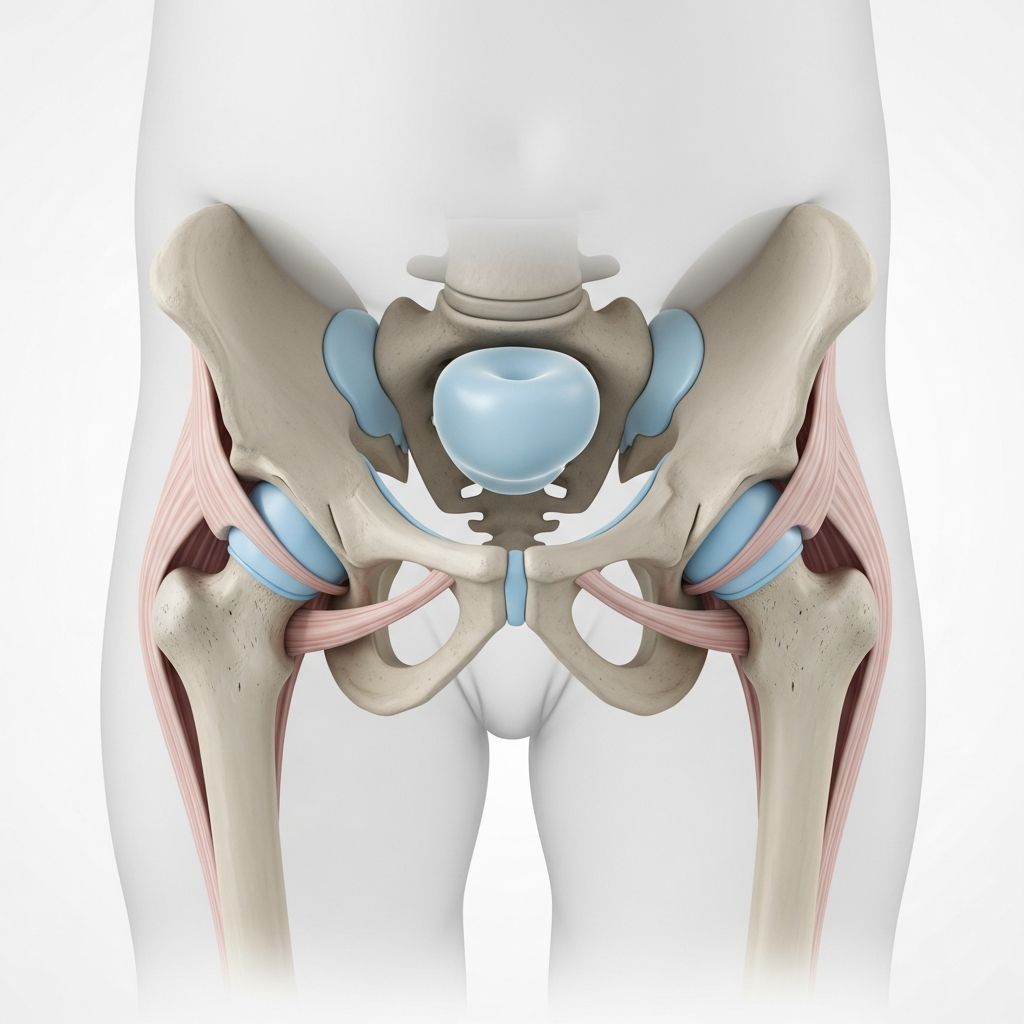
Developmental dysplasia of the hip (DDH), commonly known as hip dysplasia, is a condition where a baby’s hip joint does not form correctly, leading to the ball of the femur not fitting securely into the socket. This instability can range from loose ligaments to full dislocation, primarily affecting newborns and young infants. Early identification through routine newborn checks is vital, as timely intervention allows the joint to develop normally without future complications.
Understanding the Hip Joint in Newborns
The hip joint is a ball-and-socket structure where the rounded head of the femur (thigh bone) fits into the acetabulum (hip socket). In healthy infants, this joint is stable yet flexible to support growth. In DDH, the socket may be shallow, or the ligaments too lax, preventing proper seating of the femoral head. This issue often develops or becomes evident in the first few months post-birth, emphasizing the need for vigilant monitoring during routine pediatric visits.
Risk Factors Contributing to DDH
Several elements increase the likelihood of hip dysplasia in babies. Family history plays a significant role, with genetic predisposition making first-degree relatives more susceptible. Female infants are at higher risk, affected at a rate of about 1 in 600 compared to 1 in 3,000 for males, possibly due to hormonal influences during pregnancy that loosen ligaments.
- Breech presentation: Babies positioned buttocks or feet first in the womb face elevated risks, especially those delivered via cesarean or vaginal breech birth.
- Firstborn status: Limited uterine space may restrict optimal hip positioning.
- Maternal hormones: Relaxin, which aids vaginal delivery, can overly loosen infant hip ligaments if sensitivity is high.
- Improper swaddling or carriers: Tight leg extension in wraps or carriers forces hips straight, impeding natural ‘frog-leg’ flexion needed for development.
- Neuromuscular conditions: Disorders like cerebral palsy can contribute to joint instability.
Typically, the left hip is involved, but bilateral cases occur. Awareness of these factors empowers parents to advocate for screening.
Recognizing Early Signs and Symptoms
DDH is often painless in infancy, making detection challenging without professional exams. Subtle clues include:
- Uneven leg lengths or thigh creases when changing diapers.
- Limited hip abduction: One leg does not spread outward as far as the other.
- A noticeable ‘clunk’ or click felt during leg movement, termed Ortolani or Barlow maneuvers by doctors.
- Delayed walking milestones, limping, or waddling in toddlers aged 1-3 years if undiagnosed.
In newborns, skin fold asymmetry on buttocks or thighs may hint at dislocation. Parents should note these during daily care and report to pediatricians.
Diagnostic Approaches for Accurate Detection
Screening begins at birth with physical exams using gentle maneuvers to check hip stability. All newborns undergo this, with high-risk babies receiving follow-ups. Ultrasound imaging is preferred from 4-6 weeks as it visualizes soft tissues without radiation, confirming socket depth and femoral head position. X-rays are used after 4 months when bones ossify sufficiently.
| Age Group | Primary Diagnostic Tool | Purpose |
|---|---|---|
| Newborn to 4 weeks | Physical exam (Ortolani/Barlow) | Detect instability |
| 4 weeks to 4 months | Ultrasound | Assess joint coverage |
| Over 4 months | X-ray | Evaluate bone alignment |
Dynamic ultrasound during movement provides the most reliable assessment, guiding treatment decisions.
Treatment Strategies by Age and Severity
Related Stories



Treatment aims to reposition the femoral head into the socket and maintain it for normal growth. Success hinges on early action, with over 85% resolution using non-surgical methods in young infants.
Bracing with Pavlik Harness for Infants Under 6 Months
The Pavlik harness, a soft fabric brace, positions hips in flexion and abduction (M or frog-leg stance). Worn full-time initially for 6-12 weeks, it reduces to part-time as stability improves. Weekly ultrasounds monitor progress. This is first-line for newborns with dislocated hips, promoting socket deepening without surgery.
Options for Older Infants (6-18 Months)
If bracing fails or diagnosis is late, closed reduction under anesthesia repositions the joint, followed by a spica cast for 6-12 weeks. X-rays confirm placement. Persistent cases may require open reduction surgery to clear obstacles like tight capsules.
Management Beyond Infancy
Toddlers may need pelvic osteotomies to reshape the socket or femoral varus osteotomy for head realignment. Older children risk leg length differences or knee issues if untreated.
Success Rates: Pavlik harness achieves 85-95% success under 3 months; delays reduce efficacy, increasing surgical needs.
Long-Term Prognosis and Potential Complications
With prompt treatment, most children develop normal hips, enjoying full function without limitations. Untreated DDH leads to early osteoarthritis, pain, limping, and reduced mobility by adulthood. Regular follow-ups post-treatment, including imaging up to age 5-8, ensure stability. Factors like treatment adherence and initial severity influence outcomes.
Prevention Tips for Healthy Hip Development
Parents can minimize risks through safe practices:
- Swaddling correctly: Leave hips loose, knees bent, feet able to move apart.
- Baby carriers: Choose inward-facing models supporting thighs in M-position, knees above buttocks.
- Screening compliance: Attend all well-baby visits for hip checks.
- High-risk awareness: Request ultrasound if breech or family history present.
Baby-wearing in proper carriers may even protect against DDH by encouraging natural hip flexion.
Frequently Asked Questions (FAQs)
Is hip dysplasia painful for babies?
No, infants feel no pain from DDH, but untreated cases cause issues later.
How long does Pavlik harness treatment last?
Typically 6-12 weeks, with gradual weaning based on ultrasound results.
Can hip dysplasia resolve without treatment?
Mild cases may self-correct, but screening ensures intervention if needed.
What if my baby was breech—should I worry?
Breech babies warrant ultrasound screening around 6 weeks regardless of exam findings.
Does DDH affect walking?
Early treatment prevents delays; late cases cause limping or waddling.
Supporting Your Child Through Treatment
Caring for a baby in a Pavlik harness involves sponge baths, frequent clothing changes, and skin checks for irritation. Emotional support through play and cuddling maintains bonding. Pediatric orthopedists guide families, with success stories highlighting active futures post-treatment. Educating caregivers fosters early vigilance, reducing DDH prevalence.
This guide equips parents with knowledge for proactive management. Consult healthcare providers for personalized advice.
References
- Understanding Hip Dysplasia in Babies: Causes, Symptoms and Treatment — Telebaby. 2023. https://www.telebaby.com.au/articles/understanding-hip-dysplasia-babies-causes-symptoms-treatment
- Developmental dysplasia of the hip (DDH) — Better Health Channel, State Government of Victoria. 2023-10-04. https://www.betterhealth.vic.gov.au/health/conditionsandtreatments/developmental-dysplasia-of-the-hip-ddh
- Hip Dysplasia — Rady Children’s Hospital. 2024. https://www.rchsd.org/programs-services/hip-center/conditions-treated/hip-dysplasia/
- Treatment for Developmental Dysplasia of the Hip in Infants — Hospital for Special Surgery. 2023. https://www.hss.edu/health-library/conditions-and-treatments/developmental-dysplasia-of-the-hip-ddh
- Hip Dysplasia: Diagnosis & Treatment — NewYork-Presbyterian. 2024. https://www.nyp.org/orthopedics/hip-dysplasia/treatment
- Hip Dysplasia — Cleveland Clinic. 2023-08-28. https://my.clevelandclinic.org/health/diseases/17903-hip-dysplasia
Similar Articles








Read full bio of Sneha Tete