Hip Flexor Pain Causes, Symptoms, Treatment & Prevention Guide
Understand hip flexor pain causes, symptoms, treatments, exercises, and prevention strategies for effective relief and recovery.
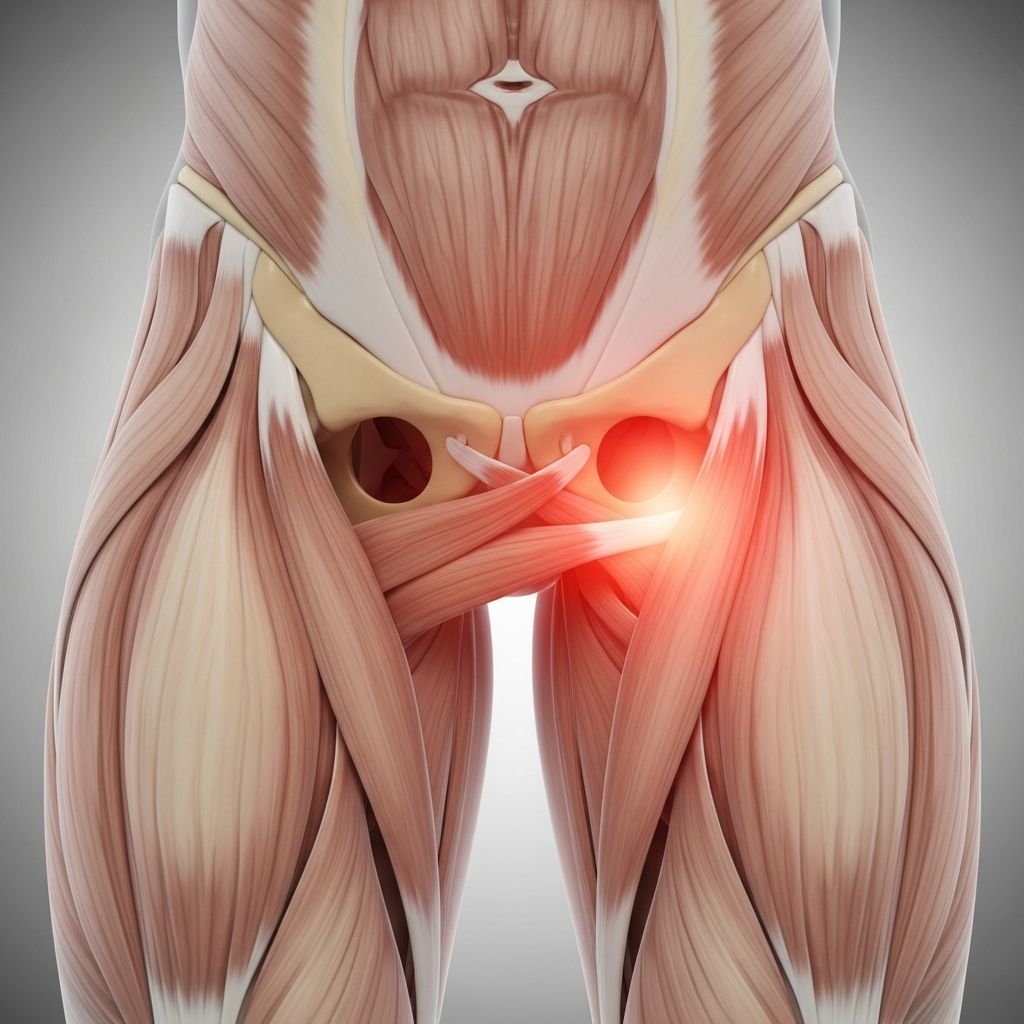
Hip flexor pain affects the muscles at the front of the hip, often due to strains from overuse or sudden movements, and can typically be managed with rest, ice, strengthening exercises, and physical therapy.
What Are the Hip Flexors?
The hip flexors are a group of muscles responsible for lifting the knee toward the chest and stabilizing the pelvis during movement. Key muscles include the iliacus, psoas major (together forming the iliopsoas), and rectus femoris. These muscles enable essential actions like walking, running, climbing stairs, and kicking. They connect the lower spine, pelvis, and femur, making them crucial for daily mobility.
When functioning properly, hip flexors allow fluid motion without discomfort. However, tightness or weakness from prolonged sitting, sedentary lifestyles, or repetitive activities can lead to pain and imbalance, contributing to lower back issues or compensatory injuries elsewhere.
Hip Flexor Pain Symptoms
Hip flexor pain primarily manifests as discomfort or sharp pain in the front of the hip or groin area, worsening with specific movements. Common symptoms include:
- Pain or aching in the front of the hip, groin, or upper thigh, especially during walking, running, or lifting the knee.
- Muscle weakness or instability, making activities like climbing stairs or rising from a chair difficult.
- Cramping, spasms, or tenderness upon touch, sometimes with swelling or bruising in severe cases.
- Limited range of motion, such as trouble bending the hip or kicking.
- Altered gait or limping to avoid pain.
Symptoms vary by severity: mild strains cause pulling sensations and limping, while severe tears involve intense pain, bulging muscles, and inability to walk normally. Pain may persist at rest or only appear during activity.
Causes of Hip Flexor Pain
Hip flexor pain often stems from strains, where muscle fibers tear due to overstretching. Common causes include:
- Sudden movements or trauma, like falls, sports kicks, sprints, or accidents that force the hip beyond its range.
- Overuse or repetitive stress from running, cycling, dancing, or high-step activities without adequate recovery.
- Muscle imbalances from weak glutes, core, or tight hip flexors due to prolonged sitting, leading to compensatory strain.
- Related conditions: tendonitis (inflammation from overuse), hip impingement (FAI, where bone spurs pinch muscles), or joint issues causing reflexive tightening.
Sedentary habits reduce flexibility, making muscles prone to injury during sudden demands. Athletes and active individuals face higher risks from intense training without progression.
Hip Flexor Strain Severity
Hip flexor strains are graded by damage extent:
| Grade | Description | Symptoms | Recovery Time |
|---|---|---|---|
| Grade 1 (Mild) | Minor fiber stretching | Mild pain, slight limp, no swelling | 1-2 weeks |
| Grade 2 (Moderate) | Partial tear | Sharp pain, weakness, moderate swelling | 3-6 weeks |
| Grade 3 (Severe) | Complete tear | Severe pain, bulging muscle, bruising, inability to walk | 8+ weeks, possible surgery |
Most cases are mild to moderate and resolve conservatively.
When to See a Doctor for Hip Flexor Pain
Seek medical attention if pain persists beyond two weeks, worsens, or includes severe swelling, bruising, inability to bear weight, or fever (suggesting infection). Also consult for recurring pain, numbness, or if home treatments fail. A provider may diagnose via exam, ultrasound, MRI, or X-ray to rule out fractures or tears.
Related Stories



Physical therapists or orthopedists assess for underlying issues like FAI.
Diagnosis of Hip Flexor Pain
Diagnosis starts with a physical exam testing hip strength, range, and pain triggers. Imaging like X-rays rules out bones issues; ultrasound or MRI visualizes soft tissue damage.
Treatment for Hip Flexor Pain
Initial treatment follows RICE: Rest, Ice (20 minutes every 2-3 hours), Compression, Elevation. NSAIDs like ibuprofen reduce inflammation (limit to 10 days).
- Physical therapy: Core treatment builds strength, flexibility; average 68% pain reduction in 12 weeks.
- Progressive loading: Gradually increase activity to adapt muscles without re-injury.
- Advanced options: Injections or surgery for severe tears (rare).
Stay active with modifications; avoid full rest beyond 48 hours to prevent stiffness.
Hip Flexor Exercises and Stretches
Exercises strengthen and stretch hip flexors, glutes, and core. Start gently; consult a PT. Perform 2-3 sets of 10-15 reps, 3-5 days/week.
- Kneeling Hip Flexor Stretch: Kneel on one knee, push hips forward until stretch in front hip. Hold 30 seconds/side.
- Bridge: Lie on back, lift hips squeezing glutes. Strengthens posterior chain.
- March in Place: Stand, alternate knee lifts slowly to activate flexors without strain.
- Leg Raises: Lie down, lift one leg to 90 degrees, lower slowly.
- Warrior I Yoga Pose: Lunge forward, hips square for stretch and balance.
Progress to lunges, squats once pain-free.
Prevention of Hip Flexor Pain
Prevent strains by:
- Warming up with dynamic stretches before activity.
- Balancing workouts with strength training for glutes/core.
- Avoiding sudden intensity increases; progress gradually.
- Incorporating flexibility routines like yoga.
- Maintaining activity to avoid sedentary tightness.
Frequently Asked Questions (FAQs)
How long does hip flexor pain last?
Mild strains heal in 1-2 weeks; moderate in 3-6 weeks with treatment. Severe cases take months.
Can I run with hip flexor pain?
Avoid until pain-free; start with walking, then gradual return under guidance.
Is hip flexor pain the same as a pulled muscle?
Yes, terms are interchangeable for strains.
Does sitting cause hip flexor pain?
Prolonged sitting tightens flexors, increasing strain risk.
Recovery Timeline
Week 1: RICE, gentle stretches. Weeks 2-4: Light exercises. Weeks 4+: Full activity if pain-free. PT accelerates recovery.
References
- Hip Flexor Pain: Exercises and Tips From Physical Therapists — Hinge Health. 2023. https://www.hingehealth.com/resources/articles/hip-flexor-pain/
- Understanding Hip Flexor Pain — Sports-Health. 2024. https://www.sports-health.com/sports-injuries/hip-injuries/understanding-hip-flexor-pain
- Hip Flexor Strain – Aftercare — MedlinePlus (U.S. National Library of Medicine). 2023-10-01. https://medlineplus.gov/ency/patientinstructions/000682.htm
- Hip Flexor Strain: Symptoms, Treatment & Recovery — Cleveland Clinic. 2024-05-15. https://my.clevelandclinic.org/health/diseases/23978-hip-flexor-strain
Similar Articles








Read full bio of medha deb