Hip Flexor Stretches: 2 Easy Desk-Friendly Moves For Relief
Combat sitting-related pain with effective hip flexor stretches for better mobility and health.
Do You Spend Most of Your Day Sitting? These Hip Flexor Stretches Are for You
If you’re among the vast majority of working Americans who sit for extended periods throughout the day, you’ve likely experienced some form of back pain or hip discomfort. The reality is stark: according to recent data from the U.S. Bureau of Labor Statistics, work-related musculoskeletal problems account for approximately 32 percent of all worker injuries and illnesses. This staggering statistic underscores a growing problem in our increasingly sedentary workforce. However, there’s encouraging news. Simple, targeted stretches can help prevent injuries and keep you functioning optimally at work. One of the most effective and recommended stretches is the hip flexor stretch, a simple yet powerful movement that can make a significant difference in your daily comfort and long-term health.
Understanding Your Hip Flexors
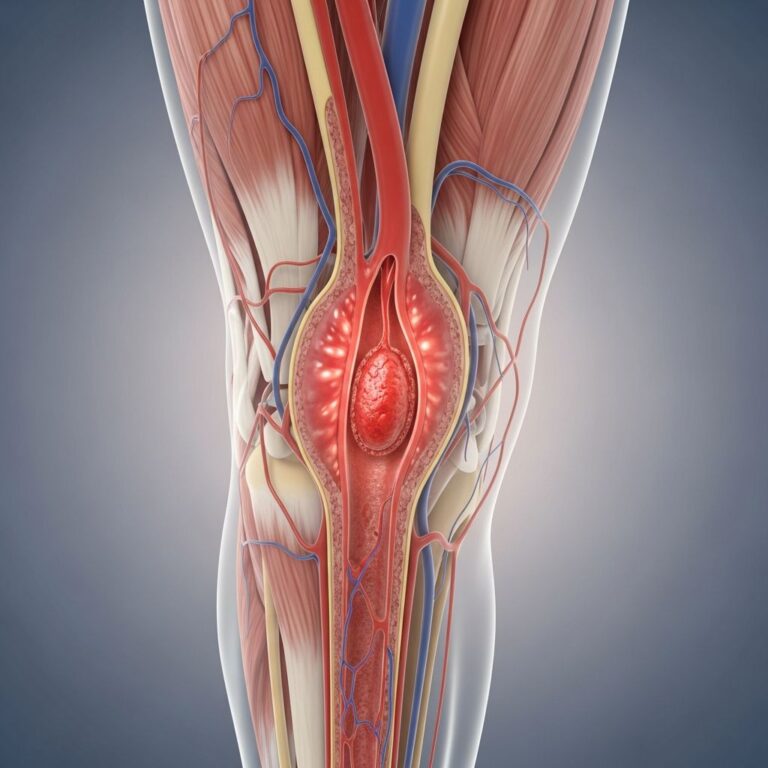
Before diving into specific stretching techniques, it’s important to understand what hip flexors are and why they matter. The hip flexor muscles are a group of muscles located at the front of your hip that play a crucial role in daily movement. The primary function of these muscles is to bring your thigh up toward your abdomen or to bring your abdomen toward your thighs. These movements are essential for everyday activities like climbing stairs, walking, sitting down, and getting up from a chair.
Common movements that engage your hip flexors include sit-ups and leg lifts. When you spend most of your day sitting, your hip flexors remain in a shortened, contracted state for hours at a time. This prolonged shortening causes the muscles to tighten and become less flexible, leading to discomfort, reduced range of motion, and potential back pain. Over time, tight hip flexors can contribute to poor posture, lower back strain, and compensatory movement patterns that affect your overall musculoskeletal health.
The Impact of Prolonged Sitting on Hip Flexors
Prolonged sitting has become the norm for millions of office workers and desk-based professionals. When you sit for extended periods, your hip flexors are constantly in a flexed position, which causes them to adapt to this shortened state. This adaptation leads to reduced flexibility and increased tightness in the muscle group. Additionally, sitting can disrupt proper spinal alignment and create imbalances in your core muscles, further contributing to pain and discomfort.
The negative effects of tight hip flexors extend beyond just hip and back pain. Stretching key muscle groups, such as the hip flexors, chest, and shoulders, helps counteract the negative effects of prolonged sitting, preventing tightness and imbalances that can lead to chronic pain. By maintaining flexibility in these areas, you support the natural curvature of your spine, improving both organ function and breathing capacity.
Benefits of Regular Hip Flexor Stretching
Incorporating regular hip flexor stretches into your daily routine offers numerous benefits that extend far beyond simple pain relief. Here are the key advantages:
Improved Flexibility and Performance – Regular stretching enhances your physical performance by keeping muscles supple and joints mobile. This allows your body to move through its full range of motion with greater fluidity, making everyday movements easier and more efficient. From walking up stairs to reaching for something on a high shelf, stretching ensures your body can handle these activities while reducing injury risk.
Enhanced Circulation – Stretching acts as a natural boost to your circulatory system, promoting increased blood flow throughout the body. This surge in circulation delivers essential oxygen and nutrients to muscles and organs, aiding in their optimal function. Simultaneously, stretching helps flush out metabolic waste that accumulates during muscle activity, improving recovery and reducing soreness.
Related Stories



Better Posture and Spinal Alignment – By stretching your hip flexors, you help maintain proper posture and prevent the forward-leaning slouch that often accompanies prolonged sitting. This improved alignment reduces strain on your lower back and promotes better overall body mechanics.
Injury Prevention – Consistent stretching helps prevent the development of musculoskeletal injuries by maintaining adequate flexibility and reducing muscle imbalances. Athletes and office workers alike benefit from improved posture, reduced muscle tension, and increased stamina when they incorporate stretching into their routines.
How to Perform Hip Flexor Stretches
Hip flexor stretches can be performed using two primary methods: kneeling and standing. Both are effective and can be chosen based on your comfort level, available space, and personal preference. Here’s a detailed guide to performing each stretch correctly.
The Kneeling Hip Flexor Stretch
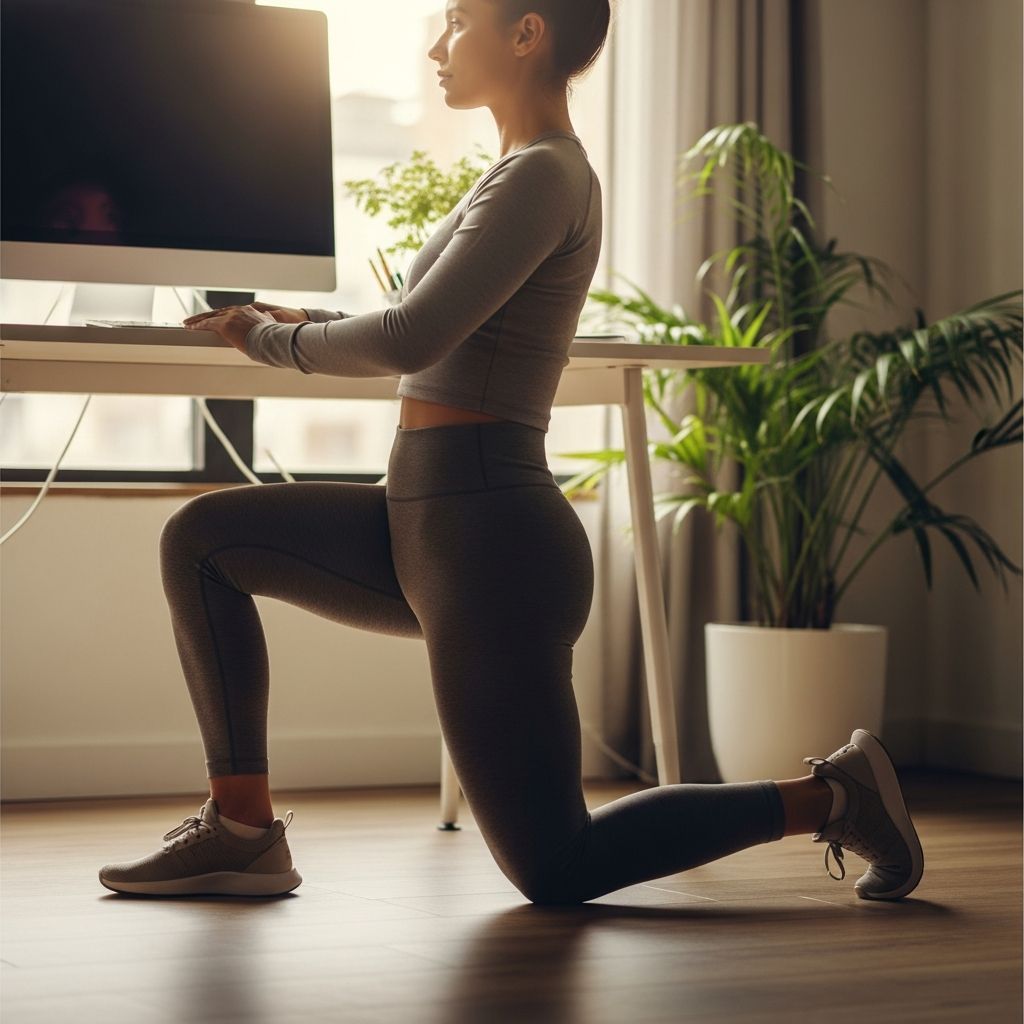
The kneeling hip flexor stretch is an excellent option for those who need additional stability or who find standing stretches challenging.
Step-by-Step Instructions:
1. Begin in a half-kneeling position with your right foot forward. Ensure that your right knee is directly over your right ankle and your right hip is bent to approximately 90 degrees.
2. Place both hands on your right thigh to help maintain a straight, tall spine and provide stability.
3. Pull your shoulder blades down and back, being careful not to arch your lower back. Tighten your core muscles to keep your spine and pelvis stable.
4. Lean slightly forward until you feel a gentle stretch in your left hip flexor muscles. The sensation should be mild tension, not sharp pain.
5. To achieve a greater stretch, you can raise your left arm overhead while leaning slightly to the right side. This advanced variation increases the intensity of the stretch.
6. Hold the stretch for 30 seconds and complete 2-3 repetitions per side.
7. To reduce any discomfort in the knee that’s on the ground, place a rolled-up mat or towel underneath it for cushioning.
The Standing Hip Flexor Stretch
The standing hip flexor stretch is a convenient option that can be performed almost anywhere, including at your desk during work breaks.
Step-by-Step Instructions:
1. Start from a standing position with good posture and your core engaged.
2. Take a step backward with your right foot, turning it slightly inward so that your foot points straight ahead. Maintain a tall, straight spine throughout the movement.
3. To balance, you may place your left hand on a wall or other stable surface if needed.
4. Contract your buttocks muscles enough to feel a slight stretch through the front of your hip. This activation helps isolate the hip flexor and increases the effectiveness of the stretch.
5. Lean slightly forward until you feel a gentle stretch in your right hip flexor muscles.
6. To achieve a greater stretch, raise your left arm overhead while leaning slightly to the left side. This variation intensifies the stretch and also engages your core muscles.
7. Hold the stretch for 30 seconds and complete 2-3 repetitions per side.
Stretching Guidelines and Best Practices
To maximize the benefits of your hip flexor stretches and prevent injury, follow these evidence-based guidelines:
Warm Up First – Always warm up before stretching to prevent injury. A quick 5-10 minute walk is sufficient to increase blood flow and prepare your muscles for stretching.
Hold Duration – Hold each stretch for 30 seconds without bouncing. Research has shown that stretching durations as short as 15 seconds can be beneficial, but 30 seconds is the recommended standard for optimal results. You should feel mild tension but not pain.
Frequency – Aim to perform hip flexor stretches at least 2-3 times per week as a starting point. As you become more comfortable with the stretches, you can increase to daily stretching routines. Research indicates that stretching five times per week for six weeks can increase range of motion by up to 2.4 degrees per week in each muscle group.
Consistency is Key – Flexibility takes time to develop. It may take weeks or months to see significant improvement, and consistent effort is needed to maintain gains. Make stretching a regular part of your routine rather than an occasional activity.
Listen to Your Body – Always pay attention to how your body feels during stretching. Stop immediately if you experience sharp pain or significant discomfort. Mild tension is normal and desired, but pain indicates that you’ve overstretched.
Daily Duration – Consistency is crucial to reaping stretching’s full benefits. Aim for 10-15 minutes of daily stretching, focusing on major muscle groups including hip flexors, hamstrings, calves, quadriceps, shoulders, neck, and lower back.
Integrating Stretching Into Your Daily Routine
Making stretching a consistent habit requires strategic planning and integration into your existing daily routine. Here are several effective strategies:
Anchor Stretching to Existing Habits – Pair your stretching routine with an activity you already do regularly. For example, stretch right after waking up, during your lunch break, or while watching your favorite television show. By anchoring stretching to an established habit, you’re more likely to stick with it long-term.
Start Small and Build Gradually – If you’re new to stretching, don’t overwhelm yourself with lengthy routines. Begin with just 5-10 minutes daily and gradually increase your stretching time as it becomes more ingrained in your routine. The goal is to make stretching a natural part of your day, not a chore.
Take Stretching Breaks at Work – If you work at a desk, take short stretching breaks every hour or two. Stand up, perform your hip flexor stretches, and include stretches for your chest and shoulders. These brief breaks can significantly reduce the negative effects of prolonged sitting.
Use Reminders and Trackers – Set reminders on your phone or use a fitness tracker to remind yourself to stretch. Many people find that external cues help them maintain consistency when establishing new habits.
Additional Considerations for Hip Flexor Health
Beyond stretching, there are several other strategies to promote hip flexor health and prevent tightness:
Dynamic Warm-Up Routines – Dynamic warm-up routines that include straight leg raises, controlled lunges, and hip rotations help activate the primary hip flexors, improving mobility and preparing your body for activity.
Strengthen Supporting Muscles – Strengthening the muscles that oppose the hip flexors, such as the glutes and hamstrings, helps maintain balance and prevent compensatory movement patterns. This balanced approach to muscle development is crucial for long-term musculoskeletal health.
Monitor Your Posture – Be mindful of your posture throughout the day. Avoid slouching and maintain neutral spine alignment, especially when sitting for extended periods. Good posture reduces unnecessary stress on your hip flexors and lower back.
Take Movement Breaks – Stand up and move around regularly throughout your workday. Even a few minutes of walking or light activity can help prevent the adaptive shortening of your hip flexors that occurs with prolonged sitting.
Common Questions About Hip Flexor Stretching
Q: How long does it take to see results from hip flexor stretching?
A: Results vary depending on your starting flexibility level and consistency with stretching. Most people notice improved comfort and reduced tightness within 2-4 weeks of regular stretching. Significant increases in flexibility may take 8-12 weeks of consistent practice.
Q: Can I perform hip flexor stretches if I have existing back pain?
A: Hip flexor stretches can often help relieve back pain caused by tight hip flexors. However, if you have acute back pain or a diagnosed spinal condition, consult with a healthcare provider or physical therapist before beginning a stretching routine.
Q: Is it better to stretch before or after work?
A: Stretching is beneficial at any time. Many people find that stretching before work helps prevent tightness throughout the day, while stretching after work relieves accumulated tension. The best time is whenever you can be most consistent.
Q: Can I overstretch my hip flexors?
A: Yes, overstretching can cause muscle soreness or injury. Always stretch to the point of mild tension, not pain, and avoid bouncing during stretches. If you experience pain during or after stretching, reduce the intensity or duration.
Q: Are there any contraindications for hip flexor stretching?
A: Hip flexor stretches are generally safe for most people. However, individuals with hip joint problems, recent surgery, or severe muscle strains should consult with a healthcare provider before beginning a stretching program.
References
- Hip Flexor Stretch — BIDMC of Boston. 2016-04-22. https://www.bidmc.org/about-bidmc/wellness-insights/sports-medicine-and-fitness/hip-flexor-stretch
- Harvard’s Groundbreaking Findings on Stretching for Energy and Longevity — Harvard Health Publishing. 2024. https://heal.me/articles/harvard-s-groundbreaking-findings-on-stretching-for-energy-and-longevity
- Work-Related Musculoskeletal Disorders — U.S. Bureau of Labor Statistics. 2024. https://www.bls.gov/
- The Importance of Stretching — Campbell Clinic Orthopaedics. 2024. https://www.campbellclinic.com/the-importance-of-stretching/
- 5 Everyday Habits That Are Tightening Your Hip Flexors — Brunswick Chiro. 2024. https://brunswickchiro.com.au/blog/general/5-everyday-habits-that-are-tightening-your-hip-flexors.php
Similar Articles








Read full bio of medha deb