Hip Pain: Causes, Symptoms & Treatment Options
Understanding hip pain: comprehensive guide to causes, symptoms, and effective treatment options for relief.
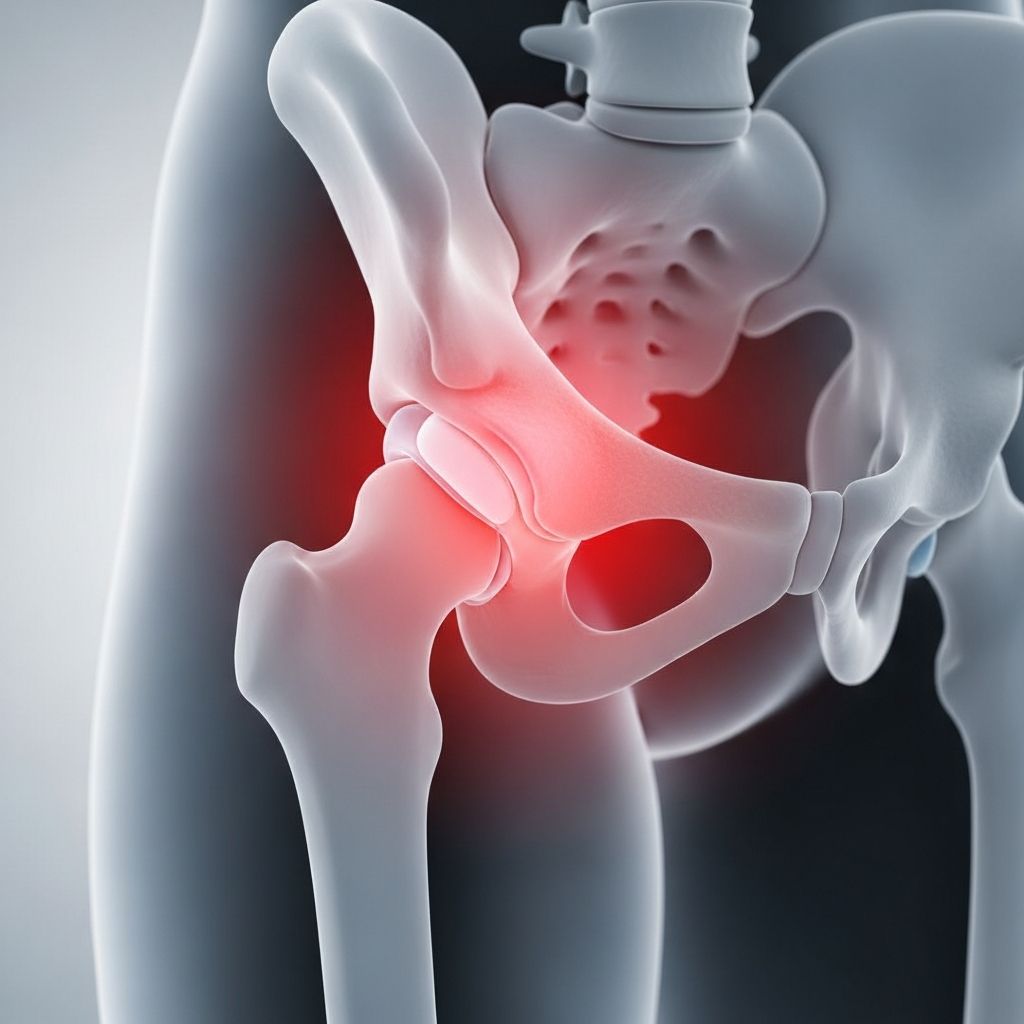
Hip Pain: Understanding Causes and Finding Relief
Hip pain is a common condition that affects people of all ages and activity levels. Whether you experience occasional discomfort or chronic pain, understanding what causes hip pain and how to treat it can help you get back to your normal activities. Hip pain can stem from various sources, including sports injuries, fractures, arthritis, and structural issues. The good news is that most cases of hip pain are treatable, and many people find relief through conservative approaches or professional medical intervention.
What Is Hip Pain?
Hip pain is a symptom that can indicate several different conditions affecting your hip joint and surrounding structures. This common complaint can range from mild discomfort to severe pain that limits your ability to move, work, or enjoy daily activities. The hip is a complex joint that connects your upper leg to your pelvis, and it bears significant weight during most physical activities. When something goes wrong with the bones, cartilage, tendons, or other soft tissues in this area, you may experience hip pain.
Common Causes of Hip Pain
Hip pain can develop for numerous reasons. Understanding the underlying cause is essential for determining the right treatment approach. Here are the primary causes of hip pain:
Arthritis
Arthritis is one of the most common causes of hip pain, particularly in older adults. Arthritis causes pain and inflammation in your joints and affects the cartilage that cushions your joint. Several types of arthritis can lead to hip pain, including osteoarthritis (a degenerative disease affecting cartilage) and rheumatic or inflammatory arthritis. Hip arthritis typically results in symptoms like pain, swelling, and stiffness that may worsen with activity.
Hip Injuries
Various injuries can cause hip pain, including:
– Fractures or broken bones in the hip area- Labral tears (injuries to the cartilage lining the hip socket)- Hip dislocation- Strains from overuse or repetitive movements- Acute traumatic injuries from falls or accidents
Bursitis
Bursitis is painful swelling in small, fluid-filled sacs called bursae that cushion spaces around bones and other tissue. Hip bursitis occurs when the bursa in your hip becomes irritated and swells. The two most common types are trochanteric bursitis (affecting the bursa near the greater trochanter) and iliopsoas bursitis (affecting the bursa near the groin).
Structural Issues
Structural problems with your hip joint can cause chronic pain. These may include hip impingement (femoroacetabular impingement or FAI), where the hip’s natural shape creates extra friction, and other anatomical variations that affect how your hip moves smoothly.
Gluteal Tendinopathy
Gluteal tendinopathy is a type of tendon disorder in your hips and buttocks area where the tendon tissue breaks down or deteriorates. This condition is particularly common in older women and can occur from tendon overuse or underuse.
Hip Flexor Strain
The hip flexor muscles can become strained from repetitive activities or sudden movements, causing pain in the front of the hip or upper thigh area.
Related Stories



Who Is at Risk for Hip Pain?
While anyone can develop hip pain, certain groups are more susceptible. Athletes who move their hips in all directions, such as dancers and gymnasts, are more likely to injure their hips. Additionally, people with certain health conditions, such as inflammatory arthritis, muscle weakness, or previous hip injuries, have a higher risk of developing hip pain. Age is also a factor, as osteoarthritis and other degenerative conditions become more common with advancing years.
Recognizing the Symptoms of Hip Pain
Hip pain can manifest in different ways depending on the underlying cause. Common symptoms include:
– Pain in the hip joint itself- Pain in the groin area- Pain in the outer hip and thigh- Pain that radiates down the leg- Stiffness in the hip, especially upon waking or after periods of inactivity- Swelling and inflammation around the hip- Difficulty with certain movements, such as walking, climbing stairs, or getting in and out of a car- Reduced range of motion in the hip joint
The pain may worsen with physical activity, prolonged sitting, or repetitive motions. In some cases, hip pain can interfere with sleep quality and significantly impact your daily functioning and quality of life.
When to See a Healthcare Provider
While many cases of mild hip pain resolve with rest and self-care, you should visit a healthcare provider if:
– Hip pain persists for more than a few days- The pain is severe or worsening- The pain interferes with your ability to walk, exercise, or sleep comfortably- You experience swelling, redness, or warmth in the hip area- The pain follows a significant fall or injury- You have difficulty bearing weight on the affected leg
A healthcare provider will ask about your symptoms, perform a physical examination, and may order imaging tests such as X-rays, MRI, or ultrasound to determine the exact cause of your pain.
Treatment Options for Hip Pain
Which treatments you need for hip pain depends on what’s causing it. A healthcare provider will suggest treatments based on the pain’s severity and its underlying cause. Treatment options range from conservative home care to surgical interventions.
Home Care and the RICE Method
For mild injuries like strains or bursitis, home care is often effective. The RICE method is an excellent starting point:
– Rest: Take a break from physical activities that aggravate your hip pain- Ice: Apply ice to the affected area for 15-20 minutes several times daily to reduce inflammation- Compression: Use an elastic bandage or compression wrap to reduce swelling- Elevation: Keep your hip elevated while resting to minimize swelling
Over-the-Counter Pain Relief
Most people can take over-the-counter nonsteroidal anti-inflammatory drugs (NSAIDs) such as ibuprofen, aspirin, and naproxen, or acetaminophen (Tylenol) to manage pain and inflammation. However, these medications should not be taken for more than 10 days in a row without consulting your healthcare provider. NSAIDs are particularly effective for pain related to inflammation, while acetaminophen may be preferred for those who cannot take NSAIDs.
Physical Therapy
Physical therapy is highly effective for many hip pain conditions. Your healthcare provider might suggest physical therapy if you have arthritis or a structural issue causing pain. A physical therapist will create a personalized plan with exercises and stretches designed to strengthen the muscles around your affected hip. These exercises improve stability and can significantly relieve pain. Many people with conditions like gluteal tendinopathy see substantial improvements with eight weeks of physical therapy exercises. Physical therapy exercises are typically performed during appointments with a therapist and continued at home for optimal results.
Prescription Medications
For more severe pain, your healthcare provider may prescribe stronger medications. These might include prescription-strength NSAIDs, muscle relaxants, or other pain management medications tailored to your specific condition and medical history.
Steroid Injections
In some cases, steroid injections directly into the hip joint can provide significant pain relief and reduce inflammation. These injections are particularly useful for arthritis and bursitis when conservative treatments have not provided adequate relief.
Hip Preservation Surgery
In some cases, hip preservation surgery may be the best option, particularly if you have healthy cartilage in the painful area. This surgical approach aims to repair problems with your hip joint and its bones and tissues to prevent further cartilage damage. Hip preservation surgery is designed to address structural issues while preserving your natural hip joint when possible.
Additional Surgical Options
For severe cases where conservative treatments have failed, additional surgical procedures may be necessary. These could include arthroscopic surgery to repair labral tears or address other intra-articular problems, or more extensive surgical reconstruction depending on your specific diagnosis.
Outlook and Prognosis
The prognosis for hip pain varies depending on its cause and severity. Many cases of acute hip pain resolve within a few weeks with appropriate rest and conservative treatment. For chronic conditions like arthritis or gluteal tendinopathy, about half of people will improve without formal treatment, though symptom relief may take considerable time—sometimes up to a year. However, with structured physical therapy and appropriate medical management, the majority of people experience significant improvement and can return to their normal activities.
Frequently Asked Questions About Hip Pain
Q: How long does hip pain typically last?
A: The duration of hip pain depends on its underlying cause. Acute injuries like strains may resolve within a few days to weeks with proper care. Chronic conditions like arthritis may persist longer but can be effectively managed with appropriate treatment. If pain persists beyond a few days or worsens, consult a healthcare provider.
Q: Can I exercise with hip pain?
A: It depends on the cause and severity of your pain. For mild pain, gentle activities and specific therapeutic exercises may actually help. However, high-impact activities should be avoided during acute phases. Your healthcare provider or physical therapist can recommend appropriate exercises based on your condition.
Q: What is the difference between hip bursitis and arthritis?
A: Hip bursitis is inflammation of a fluid-filled sac (bursa) near your hip joint, often caused by repetitive motion or overuse. Arthritis is degeneration or inflammation of the hip joint itself, typically causing progressive cartilage breakdown. Both conditions cause hip pain but have different underlying causes and treatment approaches.
Q: Are there ways to prevent hip pain?
A: Yes, several preventive measures can reduce your risk of hip pain, including maintaining a healthy weight, staying physically active with regular exercise, practicing proper form during sports and activities, warming up before exercise, and gradually increasing activity intensity rather than sudden changes.
Q: Should I rest or exercise for hip pain?
A: The approach depends on the cause. For acute injuries, initial rest is appropriate, followed by gradual return to activity. For chronic conditions like arthritis, regular movement and physical therapy exercises are essential to maintain mobility and reduce stiffness. Your healthcare provider can guide you on the appropriate balance.
Q: When is surgery necessary for hip pain?
A: Surgery is typically considered when conservative treatments have failed to provide relief, or when structural damage requires repair. Hip preservation surgery may be recommended if you have healthy cartilage but structural issues. Your healthcare provider will discuss whether surgery is appropriate for your specific condition.
References
- Hip Pain: Causes and Treatment — Cleveland Clinic. 2023-06-05. https://my.clevelandclinic.org/health/symptoms/21118-hip-pain
- Hip Pain Treatment — Cleveland Clinic. https://my.clevelandclinic.org/services/hip-pain-treatment
- Gluteal Tendinopathy: Symptoms, Causes & Treatment — Cleveland Clinic. https://my.clevelandclinic.org/health/diseases/22960-gluteal-tendinopathy
- Trochanteric Bursitis: Symptoms, Causes & Treatments — Cleveland Clinic. https://my.clevelandclinic.org/health/diseases/4964-trochanteric-bursitis
- Hip Arthritis: Causes, Symptoms & Treatment Options — Cleveland Clinic. https://my.clevelandclinic.org/health/diseases/hip-arthritis
- Hip Impingement (Femoroacetabular Impingement or FAI): Types — Cleveland Clinic. https://my.clevelandclinic.org/health/diseases/hip-impingement-femoroacetabular-impingement
- Hip Flexor Strain: Symptoms, Treatment & Recovery — Cleveland Clinic. https://my.clevelandclinic.org/health/diseases/23978-hip-flexor-strain
Similar Articles








Read full bio of medha deb