Hip Problems: Causes, Symptoms, and Treatment Options
Comprehensive guide to understanding hip problems, from diagnosis to recovery and management strategies.
Understanding Hip Problems
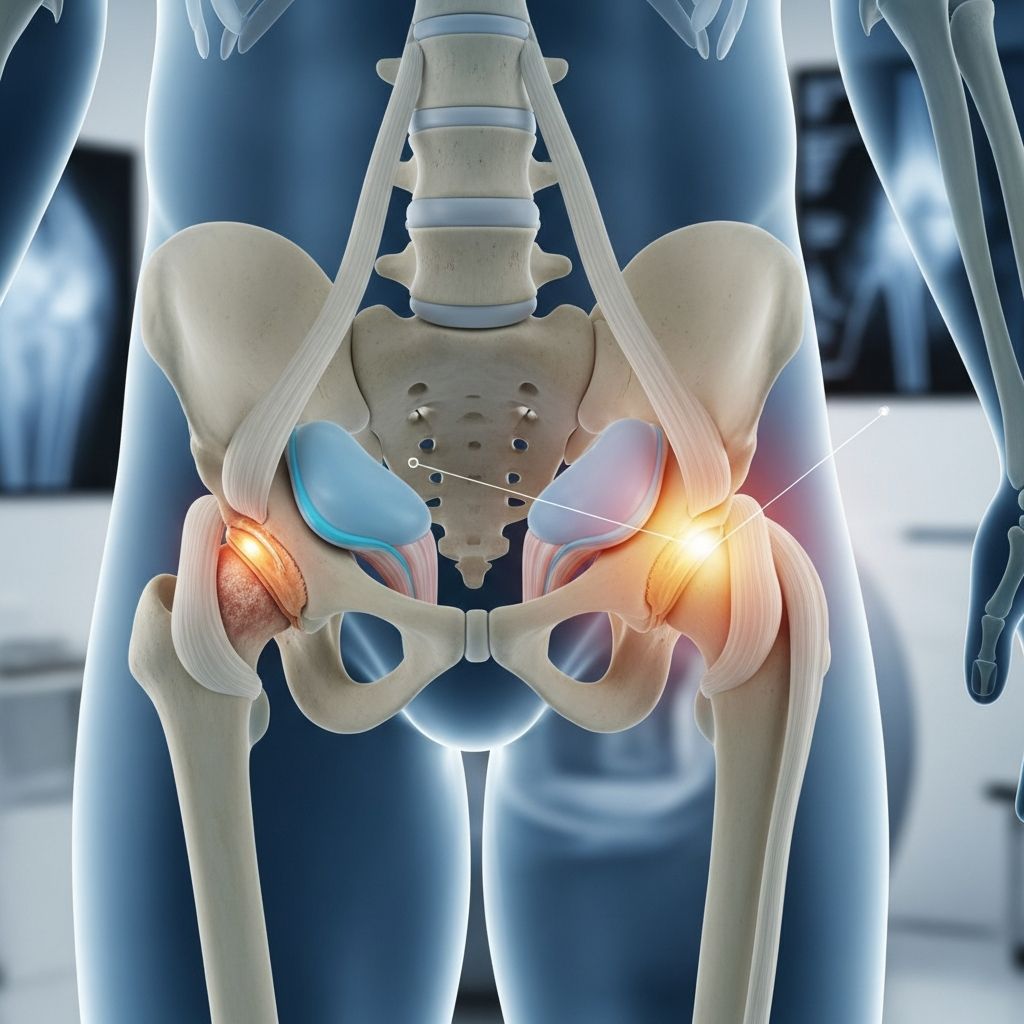
Hip problems affect millions of people worldwide and can significantly impact quality of life and daily activities. The hip is a complex joint that bears considerable weight and enables movement in multiple directions. When issues arise in this vital joint, they can cause pain, reduce mobility, and limit your ability to perform everyday tasks. Understanding the nature of hip problems, their symptoms, causes, and available treatment options is essential for anyone experiencing hip discomfort or concerned about their hip health.
Hip pain can range from mild discomfort that comes and goes to severe, debilitating pain that restricts movement and affects sleep. The causes of hip problems are diverse, ranging from arthritis and injuries to structural abnormalities. Recognizing the warning signs early and seeking appropriate medical evaluation can lead to better outcomes and help prevent the condition from worsening.
Common Hip Problems and Conditions
Several conditions can affect the hip joint, each with distinct characteristics and treatment approaches. The most prevalent hip problems include osteoarthritis, hip impingement, labral tears, and hip fractures. Understanding these conditions helps identify symptoms and determine when professional medical evaluation is necessary.
Osteoarthritis of the Hip
Osteoarthritis is one of the most common causes of hip pain in adults. This degenerative joint disease occurs when the protective cartilage that cushions the hip joint gradually wears away over time. As cartilage deteriorates, the bones of the hip joint begin to rub against each other, causing friction, inflammation, and pain. Osteoarthritis typically develops slowly and worsens progressively as more cartilage is lost.
Hip Impingement (Femoroacetabular Impingement)
Hip impingement, medically known as femoroacetabular impingement or FAI, occurs when the femoral head (the ball of the hip joint) pinches against the acetabulum (the socket of the hip joint). This condition develops when there is abnormal hip bone growth or structural abnormalities that cause the bones to encroach upon each other. Hip impingement commonly affects younger populations, typically between ages 14 to 40, though it can occur at any age.
Labral Tears
The hip labrum is a ring of cartilage that surrounds the hip socket and provides stability and cushioning to the joint. Labral tears can result from trauma, repetitive stress, or degenerative changes in the hip. These tears can cause pain, catching sensations, and reduced range of motion in the affected hip.
Hip Fractures
Hip fractures are breaks in the upper portion of the thighbone, involving the top of the shaft, the neck, or the head of the femur. These injuries are particularly common in older adults with osteoporosis and can result from falls or direct trauma. Hip fractures require prompt medical attention and often necessitate surgical intervention.
Recognizing Hip Problem Warning Signs
Early recognition of hip problems is crucial for successful treatment and preventing further deterioration. Several warning signs indicate a potential hip problem that warrants medical attention:
- Groin pain or pain in the hip joint that is often associated with stiffness
- Pain that radiates down the anterior (front) thigh toward the knee
- Posterior (back) buttock pain or lateral (side) hip pain
- Development of a limp or altered gait over time
- Increased pain with prolonged walking or standing
- Difficulty rising from a seated position after sitting for extended periods
- Problems performing everyday activities such as bending, squatting, or climbing stairs
- Difficulty with personal care activities like tying shoes or putting on socks
Related Stories



The most common complaint among patients with hip problems is groin pain, often accompanied by stiffness that may worsen with activity or improve with rest. If you experience any of these warning signs persistently, it is important to consult with a healthcare provider for proper evaluation and diagnosis.
Activities That Aggravate Hip Problems
Certain movements and activities tend to exacerbate hip pain in individuals with hip problems. Understanding which activities trigger or worsen symptoms can help you manage your condition more effectively:
- Prolonged walking or standing without rest
- Attempting to stand up after sitting for extended periods
- Bending at the hip, particularly deep bending motions
- Squatting or lunging movements
- Navigating stairs, whether ascending or descending
- Sitting in positions that compress the hip crease
- High-impact activities such as running or jumping
- Certain sports or athletic activities that stress the hip joint
By identifying these aggravating activities, you can modify your behavior to reduce pain and prevent further joint damage while undergoing treatment.
Diagnosis of Hip Problems
Accurate diagnosis is fundamental to developing an effective treatment plan. Healthcare providers employ various diagnostic methods to identify hip problems:
Physical Examination: Your doctor will perform a thorough physical examination, assessing your range of motion, noting areas of pain, and evaluating your gait. Specific maneuvers and tests help identify the underlying cause of your hip pain.
Imaging Studies: X-rays are typically the first imaging study ordered to visualize bone structures and detect signs of arthritis, fractures, or structural abnormalities. MRI scans provide detailed images of soft tissues, including cartilage, labrum, and muscles, helping identify tears or inflammation. Ultrasound may be used to assess soft tissue structures and guide injections.
Laboratory Tests: Blood tests may be performed to rule out inflammatory conditions such as rheumatoid arthritis or infections that could cause hip pain.
Diagnostic Injections: Injecting numbing medication into the hip joint can help confirm that pain originates from the hip rather than nearby structures like the lower back or knee.
Non-Surgical Treatment Options
For many hip problems, conservative treatment approaches are effective in managing symptoms and improving function. These non-surgical interventions should typically be tried before considering surgical options.
Physical Therapy
Physical therapy is a cornerstone of hip problem management. A licensed physical therapist develops a customized exercise program designed to strengthen the muscles surrounding the hip joint, improve flexibility, and restore proper joint mechanics. Physical therapy helps reduce pain, improve range of motion, and enhance overall function. Many patients experience significant symptom improvement through dedicated physical therapy without requiring surgery.
Activity Modification
Modifying your daily activities to avoid movements that trigger or worsen pain can help reduce symptoms. This includes taking breaks during prolonged standing or walking, using proper body mechanics when performing daily tasks, and temporarily avoiding high-impact activities.
Assistive Devices
Using assistive devices such as a cane or crutches can help offload weight from the affected hip joint, reducing pain and stress on the damaged structures. These devices provide support while allowing you to maintain mobility during the healing process.
Medications
Anti-inflammatory medications, both over-the-counter and prescription, can help reduce pain and inflammation associated with hip problems. These medications should be used as directed by your healthcare provider and are often most effective when combined with physical therapy and other conservative measures.
Injections
Corticosteroid injections into the hip joint can provide temporary pain relief and reduce inflammation, particularly for osteoarthritis and hip impingement. These injections are typically administered by a physician using ultrasound or fluoroscopic guidance for accuracy. Hyaluronic acid injections may also be considered for certain patients.
Surgical Treatment: Hip Replacement Surgery
When conservative treatments fail to adequately relieve symptoms or when hip damage is extensive, surgical intervention may be necessary. Total hip replacement, also called total hip arthroplasty, is one of the most common and successful orthopedic procedures performed today.
What is Total Hip Replacement?
Total hip replacement is a surgical procedure in which the damaged ball and socket of the hip joint are removed and replaced with artificial implants. The procedure involves making an incision on either the front or side of the hip to access the joint. Once the damaged cartilage and bone are exposed, the surgeon removes the deteriorated femoral head (ball) and prepares the acetabulum (socket). The damaged structures are replaced with a combination of metal, plastic, and ceramic implants that restore the function and stability of the hip joint.
Candidates for Hip Replacement Surgery
A good candidate for hip replacement surgery typically has the following characteristics:
- Documented, debilitating hip arthritis or significant hip damage
- Symptoms that significantly affect daily activities and quality of life
- Symptoms that have not responded adequately to non-operative treatment
- Sufficient overall health to tolerate surgery and post-operative rehabilitation
- Realistic expectations about the surgery and recovery process
- Motivation to participate in post-operative physical therapy
The Hip Replacement Procedure
Hip replacement surgery typically requires one to two hours to complete. The procedure is performed under general anesthesia or spinal anesthesia, and the surgical team includes orthopedic surgeons, anesthesiologists, nurses, operating room technicians, and other support staff. During the procedure, the surgeon carefully removes the damaged joint structures and positions the artificial implants to restore normal hip anatomy and function. Modern surgical techniques and advanced technology have made hip replacement a safe procedure with excellent outcomes.
Benefits of Hip Replacement
Patients who undergo hip replacement surgery can expect significant benefits:
- Dramatic and sustained relief from hip pain
- Improved range of motion in the hip joint
- Restoration of function and ability to perform daily activities
- Enhanced quality of life and overall well-being
- Ability to return to recreational activities and hobbies
- Better sleep quality due to pain relief
Risks and Complications
While hip replacement is a safe procedure with modern techniques, certain risks and complications can occur. These include infection, blood clots, hip dislocation, fractures, limb length inequality, and damage to blood vessels or nerves. However, it is important to note that these complications are relatively rare because advances in surgical technology and techniques have greatly reduced these risks. Your surgical team takes extensive precautions to minimize complications.
Recovery and Rehabilitation After Hip Replacement
Successful recovery from hip replacement requires active participation in rehabilitation and adherence to post-operative instructions. Most patients will need at least three to six weeks of formal outpatient physical therapy. However, rehabilitation extends beyond formal physical therapy sessions, and most patients are encouraged to continue home exercises even after completing formal therapy.
Pain Management
Recent advances in pain management have significantly improved the post-operative experience. Patients can expect excellent pain control starting from the day after surgery, with multimodal pain management approaches that minimize reliance on opioid medications.
Physical Therapy and Exercise
Physical therapy begins shortly after surgery and focuses on regaining strength, range of motion, and functional mobility. Your therapist will provide specific exercises to perform at home and guide you through progressive strengthening and flexibility activities. Consistency with home exercises is crucial for optimal recovery.
Activity Progression
Recovery follows a progressive timeline, with most patients returning to normal daily activities within several weeks. Return to more strenuous activities and sports may take several months. Your surgeon and physical therapist will provide guidance on appropriate activity progression based on your individual recovery.
Hip Arthroscopy for Hip Impingement
Hip arthroscopy is a minimally invasive surgical procedure used to treat hip impingement and other hip problems when conservative treatment fails. During this procedure, the surgeon uses a small camera and specialized instruments to visualize the hip joint and perform the necessary repairs. Hip arthroscopy typically results in less tissue trauma, faster recovery, and reduced pain compared to traditional open surgery.
Living With Hip Problems
Whether you are managing hip problems conservatively or recovering from surgery, several strategies can help you maintain and improve hip health:
- Maintain a healthy body weight to reduce stress on the hip joint
- Engage in low-impact exercises such as swimming, walking, or cycling
- Perform regular stretching and strengthening exercises as recommended by your therapist
- Use proper body mechanics when performing daily activities
- Take breaks during prolonged activities to avoid overuse
- Apply ice or heat as appropriate to manage pain and inflammation
- Follow your healthcare provider’s recommendations regarding medications and injections
- Attend follow-up appointments to monitor your condition
Frequently Asked Questions About Hip Problems
Q: What is the most common cause of hip pain?
A: Osteoarthritis is the most common cause of hip pain in adults. This degenerative condition develops as the protective cartilage in the hip joint wears away over time. Other common causes include hip impingement, labral tears, and muscle strains.
Q: When should I see a doctor about hip pain?
A: You should see a doctor if you experience persistent hip pain that lasts more than a few days, if pain interferes with your daily activities, if pain worsens despite self-care measures, or if you develop a limp or significant mobility limitations. Early evaluation can help prevent progression of the underlying condition.
Q: Can hip problems be treated without surgery?
A: Yes, many hip problems can be effectively managed with conservative treatment including physical therapy, activity modification, anti-inflammatory medications, and injections. Surgery is typically considered only when conservative treatments fail to provide adequate relief.
Q: How long does recovery take after hip replacement surgery?
A: Most patients require three to six weeks of formal outpatient physical therapy, with full recovery typically taking three to six months. However, recovery timelines vary based on individual factors including age, overall health, and adherence to rehabilitation protocols.
Q: What exercises are safe for people with hip problems?
A: Low-impact exercises such as swimming, water aerobics, walking on flat surfaces, and cycling are generally safe for people with hip problems. Avoid high-impact activities like running or jumping, and deep bending or squatting motions until cleared by your healthcare provider. Your physical therapist can recommend specific exercises appropriate for your condition.
Q: Can hip problems be prevented?
A: While some hip problems cannot be completely prevented, you can reduce your risk by maintaining a healthy weight, staying physically active, using proper body mechanics, avoiding high-impact activities that stress the joint, and promptly addressing any hip pain or discomfort.
Q: What is hip impingement and how is it treated?
A: Hip impingement occurs when abnormal hip bone growth causes the femoral head to pinch against the acetabulum. Initial treatment focuses on physical therapy to strengthen muscles and improve hip mobility. If conservative treatment fails, hip arthroscopy may be recommended to address the structural problem.
Q: How successful is hip replacement surgery?
A: Hip replacement surgery has excellent success rates, with most patients experiencing significant pain relief and improved function. Modern surgical techniques and implant materials have led to improved longevity and outcomes. The vast majority of patients are satisfied with their results and report significant improvements in quality of life.
References
- Hip Joint Pain | Q&A with Dr. Julius Oni — Johns Hopkins Medicine. December 09, 2016. https://www.youtube.com/watch?v=jh15BOPMXXI
- Hip Impingement Q&A with Alex Johnson and Brian Lee — Johns Hopkins Medicine. August 15, 2023. https://www.youtube.com/watch?v=42p346s280w
- Hip Replacement: A Patient’s Guide to Total Hip Arthroplasty — Johns Hopkins University Press. https://www.press.jhu.edu/books/title/12233/hip-replacement
Similar Articles








Read full bio of medha deb