Hip Problems: Causes, Symptoms, Diagnosis, And Treatment Guide
Comprehensive guide to hip problems: causes, symptoms, diagnosis, and effective treatments for all ages.
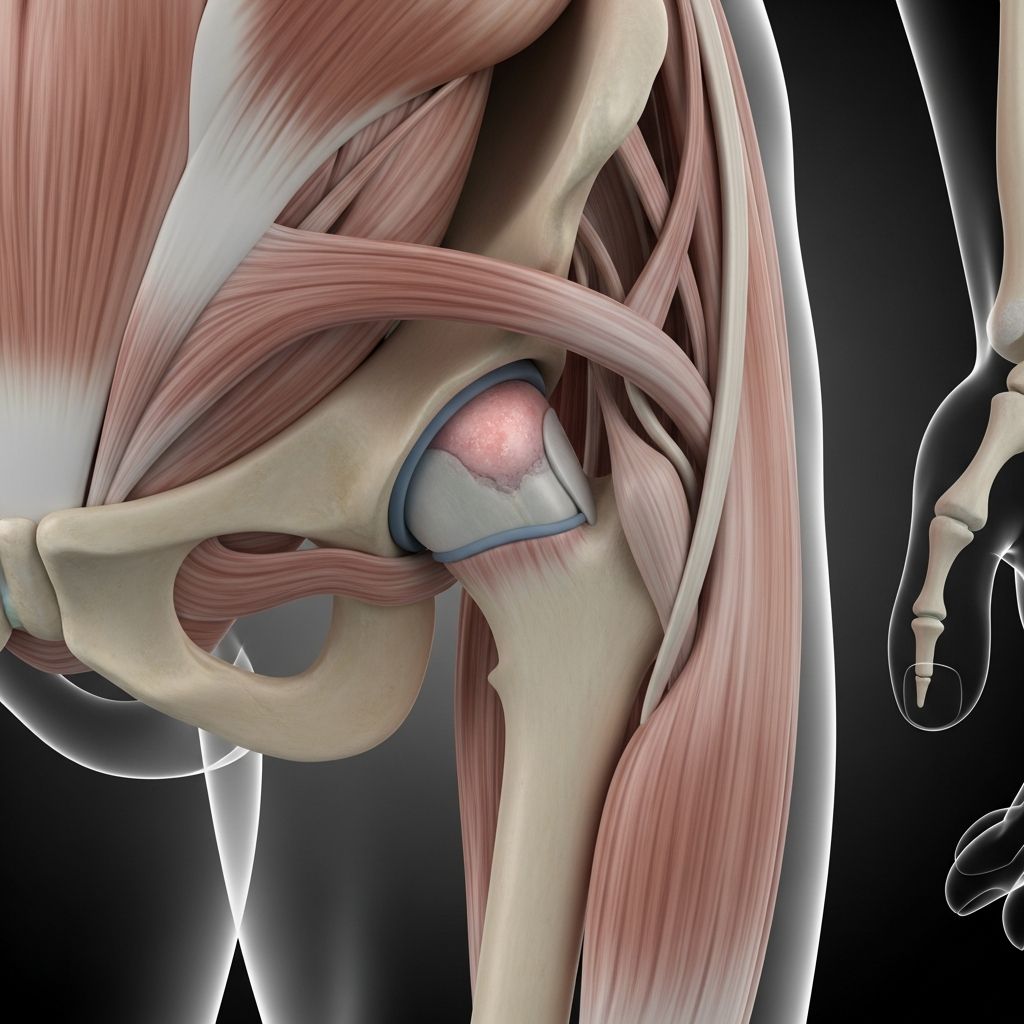
Hip problems are very common and can affect people of all ages, causing symptoms such as pain, stiffness, weakness, and difficulty walking. These issues arise from various causes, including wear-and-tear arthritis, structural abnormalities, infections, and developmental conditions in children.
Causes of hip problems in adults
Hip pain in adults stems from intra-articular (inside the joint) and extra-articular (outside the joint) pathologies. A systematic approach involving history, clinical exam, and imaging helps identify the root cause.
Osteoarthritis
**Osteoarthritis (OA)** is the most common cause of hip problems in adults. It develops when joint repair cannot keep pace with wear and tear, exacerbated by age, excess body weight, prior injuries, fractures, infections, or joint deformities. OA leads to cartilage breakdown, bone-on-bone friction, pain, stiffness, and reduced mobility. Risk factors include obesity, genetics, and repetitive stress. In chronic cases, it is the leading reason for hip replacement surgery.
Femoroacetabular impingement (FAI)
Femoroacetabular impingement (FAI) occurs due to subtle abnormalities in the hip’s ball-and-socket shape, causing abnormal contact between the femoral head and acetabulum. This damages cartilage and labrum, leading to pain, especially in young active adults. FAI is increasingly recognized as a precursor to early OA. Symptoms include groin pain worsened by flexion, adduction, and internal rotation (FADIR test positive). Diagnosis uses X-rays, MRI, or MR arthrography; treatment starts conservatively but may require arthroscopic surgery.
Rheumatoid arthritis
Rheumatoid arthritis (RA), the second most common arthritis, is an autoimmune condition where the immune system attacks joint linings. It typically affects multiple small joints like hands and feet first, with hip involvement rarer and usually later. Hip RA causes inflammatory pain, stiffness (worse mornings), and potential destruction requiring replacement.
Septic arthritis
Septic arthritis is a rare but serious joint infection requiring urgent antibiotics and drainage. It affects any age, presenting with acute severe pain, fever, swelling, and inability to bear weight. Prompt diagnosis via aspiration and blood tests prevents joint destruction.
Other causes
- Greater trochanteric pain syndrome (GTPS) or trochanteric bursitis: Outer hip/thigh pain from inflamed bursae or tendons (gluteus medius/minimus). Common in middle-aged women, worsened by lying on the side.
- Labral tears and soft tissue issues: Often from trauma or dysplasia, causing catching/snapping. MR arthrography is key for diagnosis.
- Tendinopathies and strains: Overuse or acute injuries to iliopsoas, gluteals, or hamstrings.
- Referred pain: From spine, sacroiliac joint, or knee.
Causes of hip problems in children
Hip pain in children demands urgent evaluation as it may signal serious issues like infection, fracture, or malignancy. Always compare to the unaffected side and examine spine, SI joint, knee.
Developmental dysplasia of the hip (DDH)
**Developmental dysplasia of the hip (DDH)** is a painless instability in newborns where the femoral head poorly fits the acetabulum, risking dislocation and abnormal development if untreated. Screening via ultrasound in at-risk infants (breech, family history) is standard. Treatments include Pavlik harness for mild cases or surgery for severe.
Perthes’ disease
Perthes’ disease (Legg-Calvé-Perthes) affects children aged 4-8, mostly boys, where the femoral head loses blood supply, leading to avascular necrosis, pain, limp, and stiffness. The bone reforms but often irregularly, predisposing to early OA. Management: bracing, physio, or surgery to contain the head.
Related Stories



Other pediatric causes
- Slipped capital femoral epiphysis (SCFE): Femoral head slips off neck in obese adolescents; surgical pinning needed.
- Transient synovitis: Benign post-viral inflammation; self-limiting.
- Septic arthritis or osteomyelitis: Fever, refusal to bear weight; urgent intervention.
- Muscle strains/snapping hip: Common in active kids; rest and physio suffice.
Symptoms of hip problems
Common symptoms include:
- Pain: Typically groin (joint origin) or lateral hip (GTPS); may refer to thigh/knee. Worsens with weight-bearing, rotation.
- Stiffness: Limited flexion, abduction, internal rotation.
- Giving way/Instability: Leg buckles unexpectedly.
- Muscle wasting: Thigh atrophy from disuse.
- Limp/Difficulty walking: Antalgic gait.
- In children: Limp, morning stiffness, refusal to bear weight (red flag).
Diagnosis of hip problems
Diagnosis starts with history (onset, trauma, systemic symptoms) and exam (ROM, special tests like FADIR, FABER, Trendelenburg). Imaging:
| Modality | Use |
|---|---|
| X-ray | First-line for OA, FAI, fractures, Perthes, DDH |
| Ultrasound | Children <6 months for DDH; effusions |
| MRI/MR arthrography | Soft tissues: labrum, cartilage, tendons |
| CT | Complex anatomy, surgical planning. |
Red flags: Fever, weight loss, trauma prompt urgent referral.
Treatment of hip problems
Treatment is tailored to cause, severity, age.
Conservative management
- Medication: NSAIDs (ibuprofen) for pain/inflammation; paracetamol; topical gels.
- Physiotherapy: Stretching (hip flexors, ITB), strengthening (glutes, core), hydrotherapy, massage. Improves biomechanics, prevents recurrence.
- Injections: Corticosteroids for bursitis, GTPS; hyaluronic acid trials.
- Activity modification: Weight loss, aids (cane).
Surgical options
- Arthroscopy: For FAI, labral repair, loose bodies.
- Hip replacement: Gold standard for end-stage OA; total hip arthroplasty (THA) relieves pain, restores function. Risks: dislocation (early post-op), infection, loosening. Recovery: Physio crucial; precautions on positions.
- Osteotomy: Correct deformities in young patients.
- Children: Harness for DDH, pinning for SCFE/Perthes.
Hip pain exercises
Exercises improve ROM, strength, biomechanics. Sample routine:
- Range of movement: Hip circles, pendulum swings (10 reps x 3).
- Stretches: Figure-4 (piriformis), lunge (iliopsoas) hold 30s x 3.
- Strengthening: Bridges, clamshells, side-lying leg lifts (10-15 reps x 3).
- Glute work: Squats, single-leg stance.
Consult physio before starting.
Frequently Asked Questions (FAQs)
Q: What is the most common cause of hip pain in adults?
A: Osteoarthritis, due to cartilage wear from age, weight, or injury.
Q: How is DDH treated in babies?
A: Pavlik harness or bracing for 6-12 weeks; surgery if severe.
Q: When is hip replacement recommended?
A: Severe OA with pain limiting daily activities, failed conservative treatment.
Q: Can hip exercises cure pain?
A: They manage symptoms, strengthen support muscles, but not cure underlying pathology like OA.
Q: Is hip pain always from the hip joint?
A: No, can be referred from spine, SI joint, or extra-articular like bursitis.
References
- Hip Problems: Causes, Symptoms, and Treatments — Patient.info. 2023. https://patient.info/bones-joints-muscles/hip-problems
- Understanding Painful Hip in Young Adults: A Review Article — PMC/NCBI (StatPearls). 2019-09-29. https://pmc.ncbi.nlm.nih.gov/articles/PMC6726866/
- Hip Pain in Children (Causes, Symptoms, and Treatment) — Patient.info. 2023. https://patient.info/doctor/paediatrics/painful-hips-in-children
- Hip Pain Exercise Videos — Patient.info. 2023. https://patient.info/features/healthy-living/video-hip-pain-exercises
- Perthes’ Disease: Symptoms, Causes, and Treatment — Patient.info. 2023. https://patient.info/bones-joints-muscles/hip-problems/perthes-disease
- Hip Replacement: Procedure, Types, and Recovery — Patient.info. 2023. https://patient.info/bones-joints-muscles/hip-problems/hip-replacement
Similar Articles








Read full bio of Sneha Tete