Hip Replacement Surgery: Complete Guide to Treatment
Comprehensive guide to hip replacement surgery, recovery, and rehabilitation options.
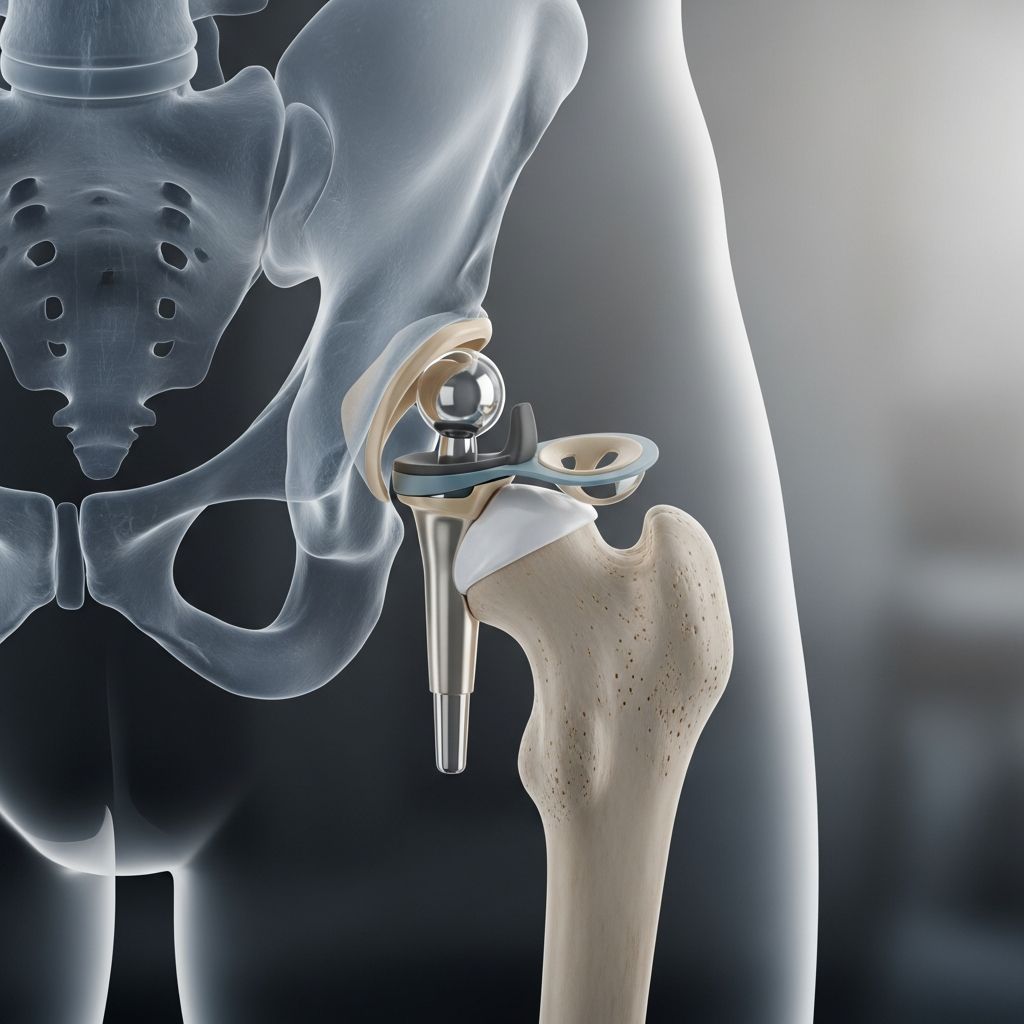
Hip Replacement Surgery: A Comprehensive Guide
Hip replacement surgery, also known as total hip arthroplasty, is a surgical procedure in which damaged parts of the hip joint are removed and replaced with prosthetic components. This life-changing operation has helped millions of patients overcome hip arthritis and regain their mobility, independence, and quality of life. Whether you have been recently diagnosed with hip arthritis or are considering surgery, this guide will walk you through every aspect of the procedure, from preparation to recovery.
Understanding Hip Arthritis and the Need for Hip Replacement
Hip arthritis occurs when the smooth cartilage that covers the bones in the hip joint deteriorates over time. This degeneration can result from osteoarthritis, rheumatoid arthritis, or other joint conditions. As the cartilage wears away, the bones rub together, causing pain, stiffness, limited movement, and decreased quality of life.
When conservative treatments such as physical therapy, medications, weight management, and activity modification no longer provide relief, hip replacement surgery becomes a viable option. Your orthopedic surgeon will evaluate your condition through imaging studies and physical examination to determine whether you are a suitable candidate for surgery.
Is Hip Replacement Right for You?
Several factors help determine if you are ready for hip replacement surgery. These include the severity of your hip pain, the extent of joint damage shown on imaging, your overall health status, your age and activity level, and how much your condition impacts daily activities. Your surgeon will discuss these factors with you during your consultation and help you make an informed decision about proceeding with surgery.
It is important to exhaust conservative treatment options first before considering surgery. However, if non-surgical treatments have not provided adequate relief and your hip pain significantly interferes with your quality of life, hip replacement may be the right choice for you.
Preparing for Hip Replacement Surgery
Proper preparation before surgery is crucial for successful outcomes and smoother recovery. Your preparation should begin several weeks before your scheduled surgery date.
Pre-Surgical Medical Evaluation
Your surgical team will order several tests to ensure you are healthy enough for surgery. These typically include blood work, an electrocardiogram (EKG), and chest X-rays. Depending on your medical history, you may need consultations with specialists such as your primary care physician, cardiologist, pulmonologist, or dentist. It is essential to complete all required medical clearances before your surgery date to prevent postponement.
Arrange Your Support System
Identify a care partner who will be with you at the hospital and assist you during the initial recovery period at home. This person should be available to help with household tasks, transportation, and personal care during the first few weeks after surgery.
Prepare Your Home
Make your home as comfortable and accessible as possible for your recovery. Remove throw rugs and other tripping hazards, install grab bars in bathrooms, arrange furniture to allow clear pathways, and place frequently used items at waist level to avoid bending. Prepare a comfortable recovery area on the main floor of your home if possible, close to a bathroom.
Related Stories



Pre-Surgical Exercise and Conditioning
Begin a low-impact exercise program to strengthen your body before surgery. Using equipment such as stationary bikes, elliptical machines, or water aerobics can improve your cardiovascular fitness and muscle strength. Strong muscles surrounding your hip will aid in your recovery and help you return to normal activities more quickly. Your physical therapist can provide specific exercises tailored to your needs.
Gather Necessary Items
Purchase comfortable, loose-fitting clothing that is easy to put on and remove. Flat shoes with closed backs and good rubber soles are essential for walking safely with assistive devices after surgery. Consider obtaining assistive devices such as a reacher, sock aid, and leg lifter before surgery to make daily tasks easier during recovery.
Understanding the Hip Replacement Procedure
Hip replacement surgery typically takes 60 to 90 minutes. Your surgeon will use one of several surgical approaches, each with specific advantages. The direct anterior approach is a minimally invasive technique that avoids cutting muscles, tendons, or ligaments, resulting in reduced pain and faster recovery compared to traditional techniques.
The Surgical Process
During surgery, your anesthesiologist will administer anesthesia, typically spinal anesthesia, though other options may be available depending on your medical situation. Your surgeon will make an incision, usually 3 to 4 inches in length, and carefully position the muscles to access the hip joint. The damaged portions of bone are removed, and the hip socket is prepared by smoothing the bone. A metal cup or acetabular shell is inserted into the socket. A polyethylene liner is placed inside the cup to create a bearing surface. The head of the thighbone is removed, and the surgeon inserts a titanium stem into the thighbone and places a ceramic ball on top to recreate the ball-and-socket joint. Once all components are in place, your surgeon tests the hip for proper range of motion and stability. The incision is then closed with dissolvable sutures or staples.
What to Expect During Your Hospital Stay
Most patients remain in the hospital for one to two days following hip replacement surgery. Understanding what to expect during this time can help reduce anxiety and prepare you mentally for the experience.
Immediately After Surgery
You will be taken to the recovery room where medical staff will monitor your vital signs and pain levels. You will begin gentle movement and may start walking with a walker for support. Your incision will be covered with a special dressing called an Aquacel dressing, which should remain in place for seven days. An IV line will remain in place to deliver medications and fluids. Pain management is a priority, and your medical team will work with you to keep you as comfortable as possible.
Hospital Activities
During your hospital stay, you will work with physical therapists and nurses on gentle exercises and walking. Your physical therapy team will provide instructions on proper movement, restrictions, and precautions following surgery. Occupational therapists may also work with you to address any mobility or independence concerns. Your surgeon will visit you to check your incision and overall progress. A dietitian may provide nutritional guidance to support healing.
Discharge Planning
Before leaving the hospital, your medical team will provide detailed discharge instructions. You will learn about wound care, pain management, activity restrictions, medication management, and when to contact your surgeon if complications arise. Your team will also help arrange in-home physical therapy and schedule your first outpatient physical therapy appointment.
Recovery and Rehabilitation at Home
Recovery from hip replacement surgery is a gradual process that typically progresses over several months. Your commitment to rehabilitation during this time is critical for achieving the best possible outcomes.
Wound Care and Activity Restrictions
Keep your incision clean and dry, and do not remove the Aquacel dressing for seven days. On the seventh day, you may remove the dressing and should see dissolvable sutures underneath. Follow your surgeon’s instructions regarding bathing and showering. Avoid high-impact activities and movements that place excessive stress on your healing hip. Most surgeons recommend avoiding hip flexion beyond 90 degrees, hip adduction past the midline, and hip internal rotation during the initial recovery period.
Early Exercises and Movement
Begin gentle exercises as soon as possible to promote healing and restore function. Ankle pumps, where you move your ankle back and forth as if pressing a gas pedal, help prevent blood clots. Heel slides involve sliding your heel along the bed to bend and straighten your hip and knee. Hip abduction exercises, performed while lying on your back, help strengthen the muscles around your hip. Your physical therapist will provide additional exercises tailored to your recovery stage.
Physical Therapy Program
Physical therapy is essential for your recovery and should begin in-home shortly after discharge. Most patients then transition to outpatient physical therapy two to three times per week for 10 to 12 weeks following surgery. During these sessions, therapists use specialized equipment and techniques to improve your strength, flexibility, balance, and mobility. They will gradually progress your exercises as you heal and will teach you proper body mechanics to protect your new hip.
Timeline for Recovery
Most patients can perform basic daily activities within 4 to 6 weeks after surgery. Return to driving typically occurs around 6 to 8 weeks, depending on which leg was operated on and your comfort level. Many patients resume light recreational activities after 3 to 4 months. However, full recovery can take 6 to 12 months, and some patients continue to see improvements even after one year. Your surgeon will provide specific timelines based on your individual situation.
Pain Management After Surgery
Pain is expected following hip replacement surgery, but it should gradually decrease over time. Your surgeon will prescribe pain medications to help manage discomfort during the initial recovery period. Use these medications as directed, taking them before pain becomes severe. Apply ice to the incision area as directed to reduce swelling and inflammation. Elevate your hip when resting to minimize swelling. As healing progresses, you may gradually reduce your reliance on pain medications. Always consult your surgeon before discontinuing any prescribed medications.
Preventing Complications
While hip replacement surgery is generally safe, complications can occur. Being aware of potential complications and taking steps to prevent them is important.
Blood Clots
Hip surgery carries a risk of deep vein thrombosis, a blood clot that forms in the legs. Your surgeon may prescribe blood-thinning medications or recommend wearing compression stockings. Performing ankle pumps and early ambulation help prevent clot formation. Contact your surgeon immediately if you experience calf swelling, warmth, or pain.
Infection
Infection of the surgical wound or prosthetic joint is a serious but uncommon complication. Keep your incision clean and dry, take antibiotics as prescribed, and follow all wound care instructions. Watch for signs of infection such as fever, increased redness, warmth, drainage, or severe pain.
Hip Dislocation
In the weeks following surgery, the hip can dislocate if moved beyond certain angles. Follow all movement restrictions provided by your surgical team. Use assistive devices such as elevated toilet seats and shower chairs. Avoid crossing your legs, bending your hip beyond 90 degrees, or twisting your torso.
Long-Term Outcomes and Expectations
Hip replacement surgery has excellent long-term outcomes. Most patients experience significant pain relief and improved function that allows them to resume an active lifestyle. Modern hip implants are designed to last 15 to 20 years or longer, depending on your activity level and other factors.
After full recovery, many patients can enjoy activities such as walking, swimming, cycling, and golf. However, high-impact activities such as running and contact sports may not be recommended. Your surgeon will discuss which activities are appropriate for your specific situation.
Attend all follow-up appointments with your surgeon to monitor your progress and ensure your hip is functioning properly. Maintain a healthy weight and continue regular low-impact exercise to support the longevity of your hip replacement.
Frequently Asked Questions
Q: How long does hip replacement surgery take?
A: Most hip replacement procedures take 60 to 90 minutes from start to finish, depending on the surgical approach and individual factors.
Q: When can I start walking after hip replacement surgery?
A: You will begin walking with a walker on the day of surgery or the day after, under supervision from your physical therapy team.
Q: How long will I need physical therapy?
A: Most patients require outpatient physical therapy two to three times per week for 10 to 12 weeks, along with in-home therapy immediately after discharge.
Q: When can I return to normal activities?
A: Basic activities typically resume within 4 to 6 weeks. Driving may resume around 6 to 8 weeks, and full recovery usually takes 6 to 12 months.
Q: How long do hip replacements last?
A: Modern hip implants typically last 15 to 20 years or longer, depending on your activity level and other individual factors.
Q: What should I avoid after hip replacement surgery?
A: Avoid crossing your legs, bending your hip beyond 90 degrees, high-impact activities, and hip internal rotation during the initial recovery period. Follow all specific restrictions provided by your surgeon.
Q: Will I set off metal detectors after hip replacement?
A: Modern hip replacements may trigger metal detectors at airports and other security checkpoints. You can request a pat-down search, or your surgeon can provide a medical identification card indicating your hip replacement.
References
- Hip Replacement Surgery — Johns Hopkins Medicine. 2024. https://www.hopkinsmedicine.org/health/treatment-tests-and-therapies/hip-replacement-surgery
- Hip Replacement — Johns Hopkins University Press. 2024. https://www.press.jhu.edu/books/hip-replacement
- Direct Anterior Hip Replacement Surgery Guide — Matthew Harb MD Orthopaedic Surgery. 2024. https://www.matthewharbmd.com/hip-replacement-book-hip-knee-replacement-washington-germantown-md.html
- Joint Replacement Education Video — Johns Hopkins Medicine Department of Orthopaedic Surgery. 2024. https://www.youtube.com/watch?v=Idyasf-0Jow
- Total Hip Arthroplasty: Current Evidence and Practice — American Academy of Orthopaedic Surgeons. 2023. https://www.aaos.org
- Patient Guide to Hip Replacement Recovery — National Institute of Arthritis and Musculoskeletal and Skin Diseases. 2024. https://www.niams.nih.gov
Similar Articles








Read full bio of Sneha Tete