Hirsutism: Causes, Diagnosis, and Treatment Options
Understanding excessive hair growth: Medical causes, diagnostic approaches, and effective treatment strategies for hirsutism.
Understanding Hirsutism: A Comprehensive Guide
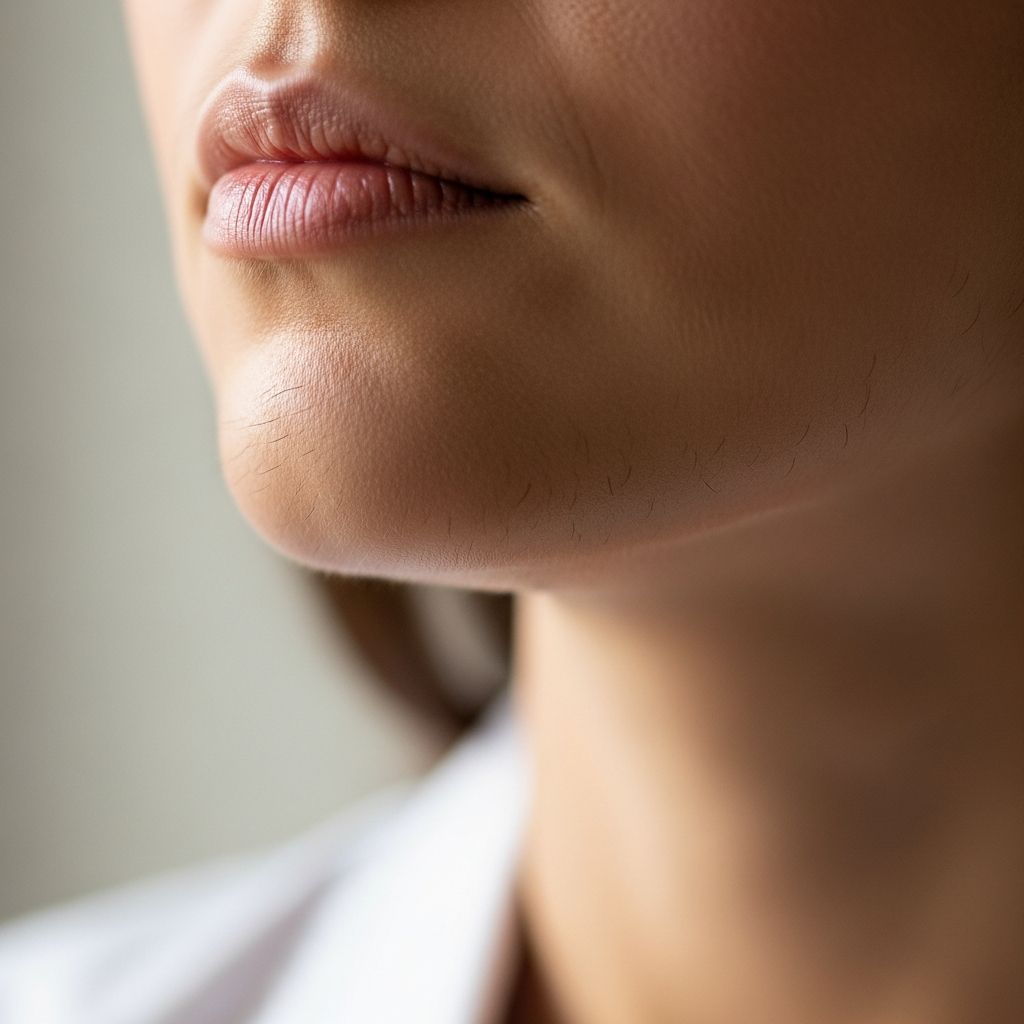
Hirsutism is a medical condition characterized by unwanted, excessive hair growth in women and people assigned female at birth in a male-pattern distribution. This condition affects the face, chest, abdomen, back, and inner thighs, and can be a significant source of anxiety and emotional distress for those experiencing it. While excess hair growth may seem like a cosmetic concern, hirsutism often signals an underlying hormonal imbalance or endocrine condition that requires proper medical evaluation and management.
The condition is clinically defined and graded according to the Ferriman-Gallwey scale, which provides a standardized method for healthcare providers to assess the severity of hair growth across different body areas. A Ferriman-Gallwey score of 8 or higher is considered diagnostic for hirsutism. Understanding the causes, diagnostic approach, and available treatment options is essential for anyone experiencing this condition.
What Causes Hirsutism?
Hirsutism results from elevated levels of androgens (male hormones) or increased sensitivity of hair follicles to normal androgen levels. Multiple underlying conditions can produce hirsutism, making accurate diagnosis crucial for effective treatment.
Polycystic Ovary Syndrome (PCOS)
Polycystic ovary syndrome is one of the most common causes of hirsutism, affecting up to 70% of women with the condition. PCOS is characterized by irregular menstrual cycles, infertility, weight gain, and metabolic complications including acanthosis nigricans, insulin resistance, type 2 diabetes, and cardiovascular disease risk. The syndrome results in elevated androgen production by the ovaries, leading to excessive hair growth and other androgenic symptoms.
Adrenal and Ovarian Disorders
Tumors of the adrenal gland or ovaries can produce excessive androgens, resulting in acute onset, severe, or rapidly progressive hirsutism. These conditions may be accompanied by virilization symptoms, including increased libido, deepened voice, clitoral enlargement, and male-pattern balding. Such presentations warrant urgent endocrinologic evaluation and imaging studies.
Cushing Syndrome
Cushing syndrome, characterized by excessive cortisol production, can produce hirsutism along with other distinctive features including central obesity, purple stretch marks, easy bruising, and proximal muscle weakness. The condition requires specialized diagnostic testing and treatment.
Acromegaly
Acromegaly, caused by excessive growth hormone secretion, presents with hirsutism alongside characteristic features such as visual field defects, coarse facial features, enlargement of the hands and feet, and jaw prominence. Diagnosis involves measurement of somatomedin C (insulin-like growth factor 1) levels.
Nonclassical Congenital Adrenal Hyperplasia
This condition, typically caused by 21-hydroxylase deficiency, represents a milder form of the enzyme defect responsible for classical congenital adrenal hyperplasia. Patients develop hirsutism due to increased adrenal androgen production but typically lack the severe salt-wasting or virilization seen in the classical form.
Other Endocrine Conditions
High prolactin levels, thyroid disorders, and metabolic conditions including type 2 diabetes mellitus can contribute to hirsutism development. Interestingly, hirsutism has been reported with the commencement of L-thyroxine therapy in patients with thyroid pathology. Androgenic medications, including anabolic steroids, and certain drugs such as valproic acid (Depakote) can also produce excess hair growth.
Related Stories



Idiopathic Hirsutism
Some women develop hirsutism despite having regular menstrual cycles and normal androgen levels, a presentation termed “idiopathic” hirsutism. In these cases, hair follicles may have increased sensitivity to normal androgen levels, or milder forms of functional ovarian and adrenal hyperandrogenism may be present.
Diagnostic Evaluation of Hirsutism
Medical History
A thorough medical history provides critical diagnostic clues in women with hirsutism. Healthcare providers should carefully document the onset and progression of hair growth, previous treatments attempted, and any cutaneous signs of hyperandrogenism such as acne, seborrhea, or acanthosis nigricans. A personal or family history of metabolic syndrome, type 2 diabetes mellitus, cardiovascular disease, polycystic ovary syndrome, or other androgenic conditions is important to establish. Patients should be queried about symptoms suggesting serious underlying conditions, including Cushing disease, acromegaly, or thyroid disorders. A detailed medication history is essential to identify drugs such as androgens, anabolic steroids, valproic acid, or L-thyroxine that may contribute to excess hair growth.
Physical Examination and Ferriman-Gallwey Scale
The physical examination should include use of the Ferriman-Gallwey hirsutism scoring system or a modified version thereof. This standardized assessment evaluates terminal hair growth on specific body areas including the upper lip, chin, chest, upper back, lower back, upper abdomen, lower abdomen, upper arms, forearms, thighs, and lower legs. Each area is scored from 0 to 4 based on hair density and distribution, with a total score of 8 or higher indicating hirsutism.
An important clinical finding is that terminal hair on the chin or lower abdomen (Ferriman-Gallwey score ≥ 2) demonstrates nearly 100% sensitivity and 27% specificity for predicting total-body hirsutism. The physical examination should also assess for signs of virilization, including male-pattern baldness, clitoral enlargement, and voice deepening, which would suggest more severe hyperandrogenism.
Laboratory Testing
Laboratory evaluation varies depending on the clinical presentation. Women with mild hirsutism and regular menstrual cycles may require only total and free testosterone level measurement. However, women with moderate or severe hirsutism, sudden onset or rapid progression, or hirsutism accompanied by signs suggesting polycystic ovary syndrome (such as menstrual irregularity, infertility, or metabolic features) require more extensive endocrinologic workup.
| Clinical Presentation | Condition | Recommended Tests |
|---|---|---|
| Hirsutism with regular menstrual cycle | Idiopathic hirsutism | Total and free testosterone levels |
| Hirsutism with irregular menstrual cycle, infertility, weight gain, acanthosis nigricans | Polycystic ovary syndrome | Total and free testosterone, pelvic ultrasound, metabolic screening |
| Hirsutism with acute onset, severe progression, virilization | Adrenal or ovarian tumor | DHEA-S, imaging (CT or MRI) |
| Hirsutism with visual field defect, coarse facies, large hands/feet | Acromegaly | Somatomedin C (IGF-1) level |
If total testosterone levels are elevated, hirsutism is moderate to severe, associated symptoms are present, or hirsutism has acute or progressive onset, further endocrinologic workup is warranted. This may include measurement of dehydroepiandrosterone sulfate (DHEA-S), 17-hydroxyprogesterone, and other hormone levels, along with imaging studies such as pelvic ultrasound or adrenal imaging.
Treatment Approaches for Hirsutism
Patient Education and Support
Patient education regarding the cause of hirsutism and reasonable treatment expectations is fundamental to management. Many patients develop significant anxiety about their appearance due to hirsutism, and emotional support from healthcare providers is crucial. Patients should understand that significant improvement in hair growth typically requires weeks or months of treatment, and that ongoing therapy may be necessary to maintain results.
Hair Removal Methods
Multiple options exist for removing excess hair, ranging from temporary cosmetic solutions to more permanent medical approaches. Temporary methods include shaving, plucking, waxing, and chemical depilation. While these approaches provide immediate cosmetic improvement, they require frequent repetition and offer no treatment of the underlying condition.
More durable hair removal options include electrolysis and laser therapy. Laser hair removal has become increasingly popular and effective for reducing terminal hair growth in hirsute areas. These methods can provide longer-lasting results compared to temporary removal techniques.
Medical Management
Pharmacologic treatment aims to reduce androgen production or block androgen action at the hair follicle level. The specific medication chosen depends on the underlying cause of hirsutism and the patient’s clinical presentation.
Treatment of Underlying Conditions
When hirsutism results from an identifiable endocrine disorder such as polycystic ovary syndrome, Cushing syndrome, or a hormone-secreting tumor, treatment of the underlying condition is essential. For example, women with PCOS may benefit from weight loss, improved insulin sensitivity, and hormonal therapies. Patients with Cushing syndrome require treatment of the underlying cause, whether surgical, radiation, or medical therapy. Those with adrenal or ovarian tumors typically require surgical intervention.
When to Seek Medical Evaluation
Certain presentations warrant prompt medical evaluation. Women with moderate or severe hirsutism should consult a healthcare provider, as should those with hirsutism of any degree with sudden onset or rapid progression. Hirsutism accompanied by signs or symptoms suggesting malignancy, such as severe virilization, or features consistent with polycystic ovary syndrome, including menstrual irregularity and infertility, requires professional assessment. Any patient experiencing emotional distress related to excess hair growth should seek medical attention to explore available treatment options.
The Ferriman-Gallwey Scale: Understanding Your Score
The Ferriman-Gallwey scale remains the gold standard for hirsutism assessment in clinical practice. This scoring system evaluates hair growth across 11 body areas, with each area scored based on the density and distribution of terminal hair. Scores range from 0 (no hair) to 4 (extensive hair coverage) for each area, resulting in a total score between 0 and 36. A score of 8 or higher indicates clinically significant hirsutism requiring evaluation and management.
Frequently Asked Questions About Hirsutism
Q: Is hirsutism the same as virilization?
A: No. Hirsutism refers specifically to increased body hair in a male-pattern distribution. Virilization is a more severe condition involving not only excess hair growth but also clitoral enlargement, voice deepening, increased libido, and male-pattern baldness. People with virilization typically have more severe hormonal imbalances than those with hirsutism alone.
Q: Can hirsutism be prevented?
A: While hirsutism caused by genetic factors or certain endocrine conditions cannot be prevented, maintaining a healthy weight and managing insulin resistance may help reduce symptoms in women with polycystic ovary syndrome. Additionally, avoiding medications known to cause hirsutism, such as anabolic steroids, can prevent drug-induced excess hair growth.
Q: How long does hirsutism treatment take to show results?
A: Results from hirsutism treatment vary depending on the approach used. Hair removal methods provide immediate cosmetic improvement. Medication-based treatment typically requires 3 to 6 months to demonstrate noticeable reduction in hair growth, as the medication must affect the hair growth cycle. Ongoing treatment is often necessary to maintain improvements.
Q: Does hirsutism affect fertility?
A: Hirsutism itself does not cause infertility. However, the underlying conditions causing hirsutism, particularly polycystic ovary syndrome, can significantly impact fertility by disrupting normal ovulation. Treating the underlying condition may improve fertility outcomes.
Q: Are there natural remedies for hirsutism?
A: While some women explore natural approaches, clinical evidence for their effectiveness is limited. Weight management and improved insulin sensitivity through diet and exercise may help women with PCOS-related hirsutism. However, medical evaluation and evidence-based treatment remain the most reliable approaches for managing this condition.
Q: Should I see a dermatologist or endocrinologist for hirsutism?
A: Both specialists play important roles. Endocrinologists specialize in diagnosing and treating the hormonal causes of hirsutism, while dermatologists excel at hair removal techniques and managing skin-related aspects of the condition. Many patients benefit from collaborative care involving both specialties.
References
- Update on the management of hirsutism — Harrison, S., Somani, N., & Bergfeld, W. F. Cleveland Clinic Journal of Medicine. 2010-06. https://pubmed.ncbi.nlm.nih.gov/20516250/
- Virilization: What It Is, Causes, Symptoms & Treatment — Cleveland Clinic. 2024. https://my.clevelandclinic.org/health/diseases/virilization
- PCOS (Polycystic Ovary Syndrome): Symptoms & Treatment — Cleveland Clinic. 2024. https://my.clevelandclinic.org/health/diseases/8316-polycystic-ovary-syndrome-pcos
- Hormonal Imbalance: Causes, Symptoms & Treatment — Cleveland Clinic. 2024. https://my.clevelandclinic.org/health/diseases/22673-hormonal-imbalance
Similar Articles








Read full bio of Sneha Tete