Hispanic Doesn’t Mean Immune to Skin Cancer
Debunking the myth: Hispanics face rising skin cancer risks and need proactive prevention strategies.
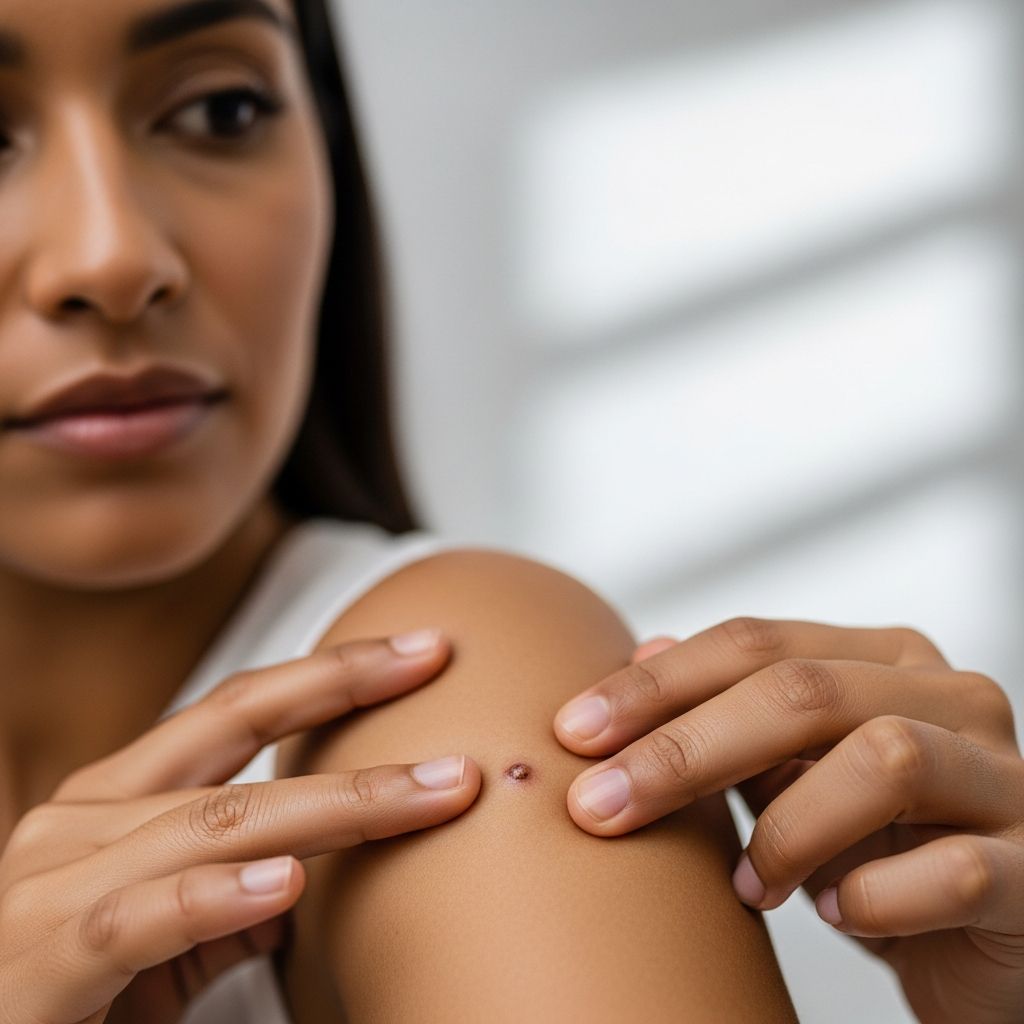
Many people believe that individuals with darker skin tones, including Hispanics, are protected from skin cancer. This dangerous myth leads to lower awareness, delayed diagnoses, and worse outcomes. In reality, melanoma rates among Hispanics have surged 20% over the past two decades, with diagnoses often occurring at advanced stages. Hispanics face unique challenges, such as skin cancers on less sun-exposed areas like palms, soles, and nails, and are 2.4 times more likely to present with advanced melanoma than non-Hispanic whites.
Skin Cancer Facts for Hispanics
Skin cancer represents 4-5% of all cancers in Hispanic people, with melanoma being the most deadly form. While the lifetime risk of melanoma is lower for Hispanics (1 in 167-200) compared to non-Hispanic whites (1 in 38), the consequences are often more severe. Hispanic patients are diagnosed younger (mean age 56), with thicker tumors, regional involvement, and distant metastases at higher rates: 35% thicker tumors (>1mm) vs. 25% in whites, 12% regional vs. 8%, and 7% distant vs. 4%.
- Hispanics with melanoma are 2.4 times more likely to have advanced-stage disease as adults and 3 times as kids compared to whites.
- 52% of non-Hispanic Black and 26% of Hispanic patients receive advanced-stage diagnoses vs. 16% of whites.
- Melanoma in people of color often appears on palms, soles, under nails (subungual), or mucous membranes—up to 60-75% of cases.
These disparities result in higher mortality. Early detection is key, yet cultural myths, low awareness, and access barriers hinder it.
What Increases Your Risk?
Several factors elevate skin cancer risk for Hispanics, beyond the myth of immunity.
Exposure to Ultraviolet Radiation
Most skin cancers stem from UV radiation from the sun or tanning beds. Studies show 47.1% of Hispanics rarely or never use sunscreen, viewing sun protection as non-essential. Outdoor occupations, sports, and beach culture amplify exposure in sunny regions like the Southwest U.S.
Skin Tone Variations
Hispanics have diverse ancestries (European, Native American, African), leading to varied skin tones. Lighter-skinned Hispanics face higher basal cell carcinoma (BCC) risk (lifetime ~30%), often pigmented in skin of color. Genetic analyses link European ancestry to higher squamous cell carcinoma (SCC) risk, modulated by pigmentation and sun exposure.
Uncommon Presentation Sites
Unlike whites, where melanoma favors sun-exposed areas, Hispanics see it on acral sites (palms, soles, nails) and mucosa. This delays recognition as ‘skin cancer.’
Other Risk Factors
- Family history or personal history of skin cancer.
- Many moles or atypical moles.
- Immunosuppression, albinism, chronic wounds, or radiation exposure.
| Risk Factor | Impact on Hispanics | Comparison to Whites |
|---|---|---|
| UV Exposure | High due to lifestyle; low sunscreen use (47% never/rarely) | Higher protection habits in whites |
| Diagnosis Age | Mean 56 years | Older in whites |
| Advanced Stage at Dx | 21-26% | 12.6-16% |
| Site of Melanoma | Acral (60-75%) | Sun-exposed areas |
Types of Skin Cancer in Hispanics
Melanoma
The deadliest, with superficial spreading (20-23%), nodular, and acral lentiginous subtypes common. Use ABCDE (Asymmetry, Border irregularity, Color variation, Diameter >6mm, Evolving) plus CUBED for acral sites (Color, Ulceration, Bleeding, Elevation, Delay).
Basal Cell Carcinoma (BCC)
Most common in Hispanics, especially lighter tones, on head/neck. Presents as pearly nodules or ulcers; 66% pigmented in skin of color.
Squamous Cell Carcinoma (SCC)
Second most common; linked to chronic sun, scars, or infections. Higher in those with European ancestry.
Why the Rise in Melanoma Among Hispanics?
Three main reasons:
- Low Awareness: Many ignore risks on palms, soles, nails, mouth. Few perform self-exams or see dermatologists.
- Socioeconomic Barriers: Limited access to care leads to late presentation.
- Cultural Factors: Myths of immunity, tanning ideals, low sunscreen priority.
Dr. Perez notes: “Hispanics present younger, with thicker tumors and metastases, worst survival.”
Prevention Tips
Proactive steps can slash risks.
- Generously apply broad-spectrum SPF 30+ sunscreen every 2 hours, reapply after swimming/sweating. Use 1 oz (shot glass) per application.
- Wear sun-protective clothing: long sleeves, pants, wide-brim hats, UV-blocking sunglasses.
- Seek shade 10 AM-4 PM; use UV umbrellas for extra protection.
- Avoid tanning beds entirely.
- Perform monthly skin self-exams: Check entire body, including scalp, palms, soles, nails, mouth, genitals.
For kids: Extra vigilance—dress in protective gear, use SPF 50+, limit sun.
Spot Skin Cancer Early
Know signs:
- New growth, sore that bleeds/ crusts/ doesn’t heal.
- Shiny/pearly bump, pink/red patch.
- Dome-shaped bloody bump, scar-like area.
- Asymmetry, irregular borders, varied colors, >6mm, changing spots.
For acral: Use CUBED. See a dermatologist for suspicious changes promptly.
Frequently Asked Questions (FAQs)
Are Hispanics immune to skin cancer?
No. While rates are lower, melanoma has risen 20%, with deadlier presentations.
Where does skin cancer appear on Hispanic skin?
Often palms, soles, nails (60-75%), not just sun-exposed areas.
How often should Hispanics check their skin?
Monthly self-exams; annual dermatologist visits, more if high-risk.
Does sunscreen work for darker skin?
Yes, essential for all. 47% of Hispanics rarely use it—start today!
Is tanning safe for Hispanics?
No, UV causes damage regardless of tone. Skip tanning beds.
Take Action for Your Skin
Join Skin Cancer Foundation events, advocate in your community. Early action saves lives. Show your skin love—protect, check, act.
References
- 3 Big Reasons Skin Cancer is Skyrocketing among Latinos — Salud America. 2023. https://salud-america.org/latinos-face-skin-cancer-risk/
- Skin Cancer in People of Color — Dartmouth Geisel School of Medicine. 2024. https://geiselmed.dartmouth.edu/students/student-wellness-resources/sun-safety-and-skin-cancer-prevention/skin-cancer-in-people-of-color/
- Disparities in Skin Cancer Outcomes in the Latine/Hispanic Population — MDedge Dermatology. 2023-10-01. https://mdedge.com/cutis/article/271504/diversity-medicine/disparities-skin-cancer-outcomes-latine/hispanic-population
- The Impact of Skin Cancer on the Hispanic Community — CINJ. 2023-05-01. https://cinj.org/impact-skin-cancer-hispanic-community
- Preventing Melanoma Among Hispanic Americans — Cure Melanoma. 2023. https://www.curemelanoma.org/blog/preventing-melanoma-among-hispanic-americans
- For the Hispanic Community: Show Your Skin Some Love! — Skin Cancer Foundation. 2023. https://www.skincancer.org/blog/hispanic-doesnt-mean-immune-to-skin-cancer/
Similar Articles








Read full bio of Sneha Tete