Histiocytosis: Types, Symptoms, and Treatment
Understanding histiocytosis: A comprehensive guide to rare blood disorders affecting histiocytes and their management.
Understanding Histiocytosis
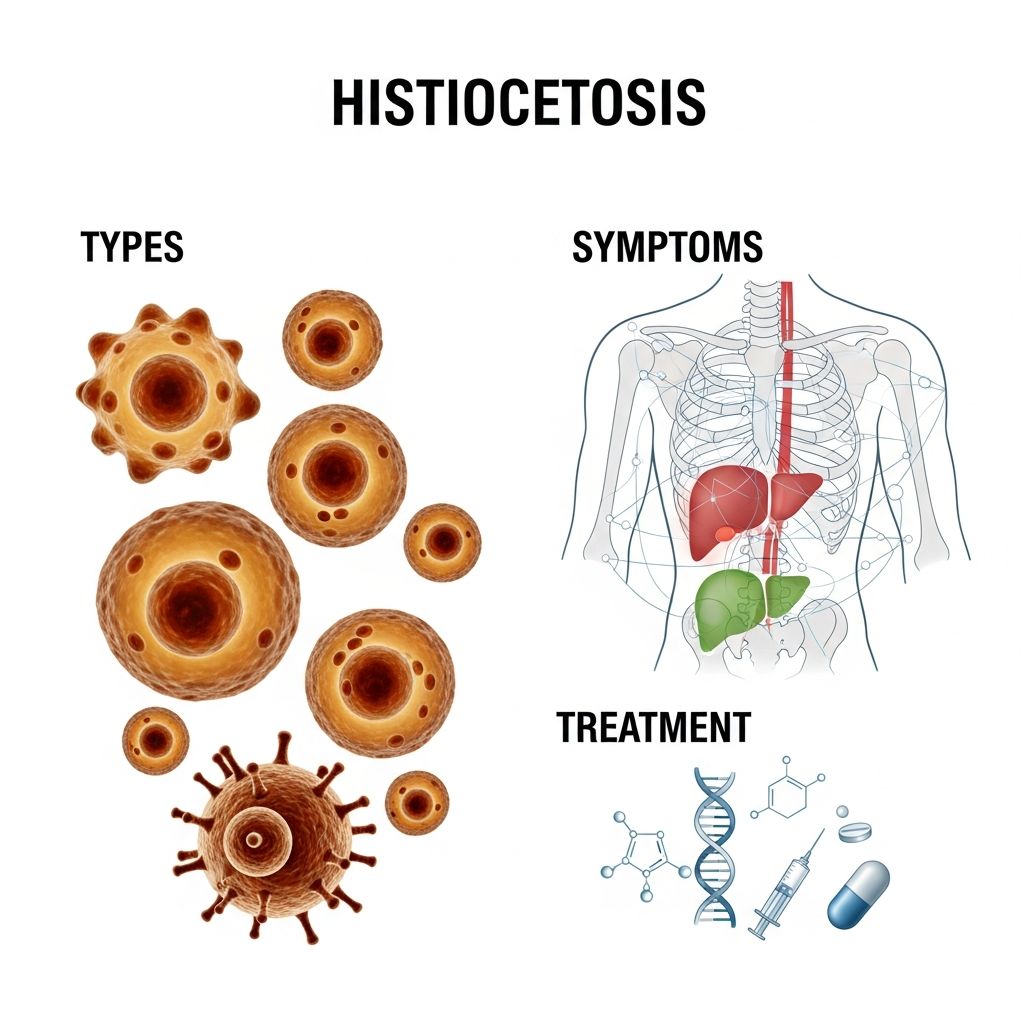
Histiocytosis is a rare group of disorders characterized by an abnormal proliferation of histiocytes, which are specialized white blood cells involved in the body’s immune response. These cells accumulate in various organs and tissues, potentially causing inflammation, tissue damage, and organ dysfunction. Histiocytosis can present in multiple forms, each with distinct characteristics, symptoms, and treatment approaches. Understanding this condition is essential for patients, families, and healthcare providers seeking to manage and treat these complex disorders effectively.
Types of Histiocytosis
Histiocytosis encompasses several distinct subtypes, each affecting different populations and presenting with unique clinical manifestations. The primary types include Langerhans cell histiocytosis (LCH), Rosai-Dorfman disease (RDD), Juvenile Xanthogranuloma (JXG), and Erdheim-Chester disease (ECD). Each variant requires specific diagnostic approaches and tailored treatment strategies to achieve optimal patient outcomes.
Langerhans Cell Histiocytosis (LCH)
Langerhans cell histiocytosis is the most common form of histiocytosis and represents an abnormal proliferation of Langerhans cells, which are dendritic cells found primarily in the skin. LCH can present as a single-system disease affecting only one organ or as multisystem disease involving multiple organs throughout the body. The condition can occur at any age, though it most frequently affects children, particularly those under five years old. LCH is caused by changes in genes within the MAPKinase pathway, specifically the MAPK pathway, which regulates cell growth and differentiation.
Rosai-Dorfman Disease (RDD)
Rosai-Dorfman disease is a rare histiocytic disorder that predominantly affects children, adolescents, and young adults. This condition is characterized by excessive numbers of histiocytes, often with lymphocytes passing through their cytoplasm. Some RDD patients present with KRAS and MAP2K variants, though many cases show no identified genetic mutations. RDD typically manifests with lymph node enlargement and can affect various organs throughout the body.
Juvenile Xanthogranuloma (JXG)
Juvenile xanthogranuloma is a benign form of histiocytosis that typically presents as skin lesions, often beginning as a single lesion. This condition most commonly affects infants and young children, with children under six months of age potentially developing multiple lesions. While JXG primarily affects the skin, it can rarely involve the bones, eyes, and brain. The condition’s symptoms can resemble those of LCH, making accurate diagnosis through biopsy essential.
Erdheim-Chester Disease (ECD)
Erdheim-Chester disease is a rare systemic histiocytic disorder that can affect multiple organ systems throughout the body. ECD can present in either children or adults and may cause widespread complications affecting bones, organs, and various body systems. This condition requires comprehensive evaluation and multidisciplinary management approaches to address its systemic effects.
Symptoms and Clinical Manifestations
The symptoms of histiocytosis vary significantly depending on the type of disease, the organs involved, and the extent of organ involvement. Patients may experience mild localized symptoms or life-threatening systemic manifestations requiring immediate medical intervention.
Langerhans Cell Histiocytosis Symptoms
Patients with LCH present with diverse symptoms that often resemble other common conditions, leading to delayed diagnosis in many cases. The condition can affect multiple organ systems, resulting in varied clinical presentations:
Related Stories



– Skin manifestations: Approximately half of LCH patients develop skin lesions, which may include painful rashes, seborrheic dermatitis-like scaling on the scalp, erythematous papular rashes, or purplish-brown lesions that can be mistaken for viral infections. Skin involvement often represents the initial presentation of the disease.- Bone involvement: Nearly four out of five LCH patients develop bone lesions, most commonly affecting the skull, followed by long bones of the extremities, ribs, and spine. Bone involvement causes pain and swelling in affected areas, and can result in pathological fractures from minor injuries.- Systemic symptoms: Patients frequently experience fever, bone pain, weight loss, malaise, and general feelings of illness. These symptoms reflect the body’s inflammatory response to histiocyte accumulation.- Organ involvement: When LCH affects internal organs, liver and spleen enlargement (organomegaly) can occur, causing liver dysfunction and swelling of extremities and abdomen. Lymph node involvement in the neck, armpits, and groin areas is common and may cause respiratory compromise if mediastinal nodes enlarge.- Endocrine complications: LCH affecting the pituitary gland causes diabetes insipidus, characterized by excessive thirst and urination. Damage to other pituitary regions may result in thyroid hormone, growth hormone, or reproductive hormone deficiencies, leading to growth delays and delayed puberty in children.- Neurological symptoms: Cerebellar involvement causes coordination problems, balance difficulties, speech disturbances, and learning abnormalities.
Rosai-Dorfman Disease Symptoms
Rosai-Dorfman disease typically presents with characteristic lymph node involvement and systemic symptoms:
– Swollen lymph nodes in the neck, with possible involvement in the chest, groin, and armpits- Skin lumps that may be itchy and painful- Fever, night sweats, and general feelings of sickness- Less commonly, lesions affecting bones, sinuses, chest and abdominal organs, eyes, and brain
Juvenile Xanthogranuloma Symptoms
JXG typically presents with benign skin lesions that usually require only observation. Infants under six months may develop multiple lesions, while older children typically present with single lesions. Rarely, the condition affects bones, eyes, and brain, producing symptoms similar to those of LCH.
Erdheim-Chester Disease Symptoms
ECD patients experience diverse symptoms reflecting the systemic nature of the disease:
– Significant bone pain, which is nearly universal in ECD patients, often without corresponding tumor locations- Weakness and fatigue- Fevers, night sweats, and general illness- Coordination problems, balance difficulties, speech issues, and cognitive changes if the nervous system is affected- Shortness of breath, fatigue, and leg swelling if the heart or lungs are involved- Eye complications including pain, redness, bulging eyes, double vision, or blurred vision
Symptoms in Children Versus Adults
Histiocytosis presentations differ between pediatric and adult populations. Children may experience abdominal pain, bone pain, delayed puberty, dizziness, chronic ear drainage, progressive eye protrusion, irritability, failure to thrive, fever, frequent urination, headaches, jaundice, limping, mental decline, seborrheic dermatitis of the scalp, seizures, short stature, swollen lymph glands, increased thirst and drinking, vomiting, and weight loss. Children over five years old often have isolated bone involvement without systemic symptoms.
Adult presentations typically include bone pain, chest pain, chronic cough, fever, general discomfort, increased urination, rash, shortness of breath, increased thirst, and weight loss. The symptom profile reflects the different organs typically affected in adult-onset disease.
Diagnosis and Evaluation
Accurate diagnosis of histiocytosis requires comprehensive clinical evaluation, imaging studies, laboratory testing, and histopathological examination. A biopsy remains essential for definitive diagnosis, as symptoms often resemble other common conditions. Healthcare providers obtain tissue samples from affected areas and examine them under a microscope to identify abnormal histiocyte accumulation and confirm the specific histiocytosis type.
Treatment Approaches
Treatment strategies for histiocytosis depend on the disease type, extent of organ involvement, and individual patient factors. Some forms, like stable JXG, may require only observation and monitoring. Other presentations require chemotherapy, radiation therapy, targeted immunotherapies, or surgical interventions. Treatment decisions should be made in consultation with specialists experienced in managing histiocytic disorders.
Frequently Asked Questions
Q: What causes histiocytosis?
A: Histiocytosis results from genetic mutations affecting genes in the MAPKinase pathway that control cell growth. These mutations cause abnormal proliferation and accumulation of histiocytes in various organs and tissues throughout the body.
Q: Is histiocytosis hereditary?
A: While histiocytosis is caused by genetic mutations, it is not typically inherited from parents. Most cases result from spontaneous mutations that occur during a person’s lifetime. However, family members of LCH patients have a higher incidence of thyroid disease.
Q: How is histiocytosis diagnosed?
A: Diagnosis involves clinical evaluation, imaging studies such as X-rays, CT scans, or MRI, laboratory tests, and most importantly, a biopsy of affected tissue. Microscopic examination of the biopsy sample reveals abnormal histiocyte accumulation and confirms the specific histiocytosis type.
Q: Can histiocytosis be cured?
A: Treatment outcomes vary depending on the histiocytosis type and disease extent. Some forms are self-limiting, while others require aggressive treatment. Modern therapeutic approaches have significantly improved survival rates and quality of life for many patients with histiocytosis.
Q: What organs can be affected by histiocytosis?
A: Histiocytosis can affect any organ system in the body, including skin, bones, lymph nodes, liver, spleen, lungs, brain, endocrine glands, and heart. The specific organs involved depend on the histiocytosis type and individual disease manifestation.
Q: Is there a cure for Langerhans cell histiocytosis?
A: While cure rates have improved with modern treatments, the prognosis depends on disease extent and organ involvement. Single-system LCH with skin or bone involvement often has better outcomes than multisystem disease affecting vital organs.
Q: How common is histiocytosis?
A: Histiocytosis is a rare group of disorders. LCH is the most common form but remains rare. Exact prevalence varies by histiocytosis type, with some forms affecting fewer than one in a million people annually.
References
- Types of Histiocytosis — Memorial Sloan Kettering Cancer Center. 2024. https://www.mskcc.org/cancer-care/types/histiocytosis/types-histiocytosis
- Histiocytosis: Symptoms, Causes, and Treatment — Penn Medicine. 2024. https://www.pennmedicine.org/conditions/histiocytosis
- Langerhans Cell Histiocytosis – Symptoms, Causes, Treatment — National Organization for Rare Disorders (NORD). 2024. https://rarediseases.org/rare-diseases/langerhans-cell-histiocytosis/
- Histiocytosis: Diagnosis and Treatment — Dana-Farber Cancer Institute. 2024. https://www.dana-farber.org/cancer-care/types/histiocytosis
- Langerhans Cell Histiocytosis — National Center for Biotechnology Information (NCBI), National Institutes of Health. 2024. https://www.ncbi.nlm.nih.gov/books/NBK430885/
- Langerhans Cell Histiocytosis: Symptoms, Diagnosis & Treatment — Cincinnati Children’s Hospital Medical Center. 2024. https://www.cincinnatichildrens.org/health/l/langerhans-cell-histiocytosis-lch
- Overview of Histiocytic Disorders — Histiocytosis Association. 2024. https://histio.org/histiocytic-disorders/
Similar Articles








Read full bio of Sneha Tete