Histoplasmosis: Causes, Symptoms, Diagnosis and Treatment
A comprehensive guide to histoplasmosis: understanding fungal infection symptoms and treatment options.
Histoplasmosis: Overview and Definition
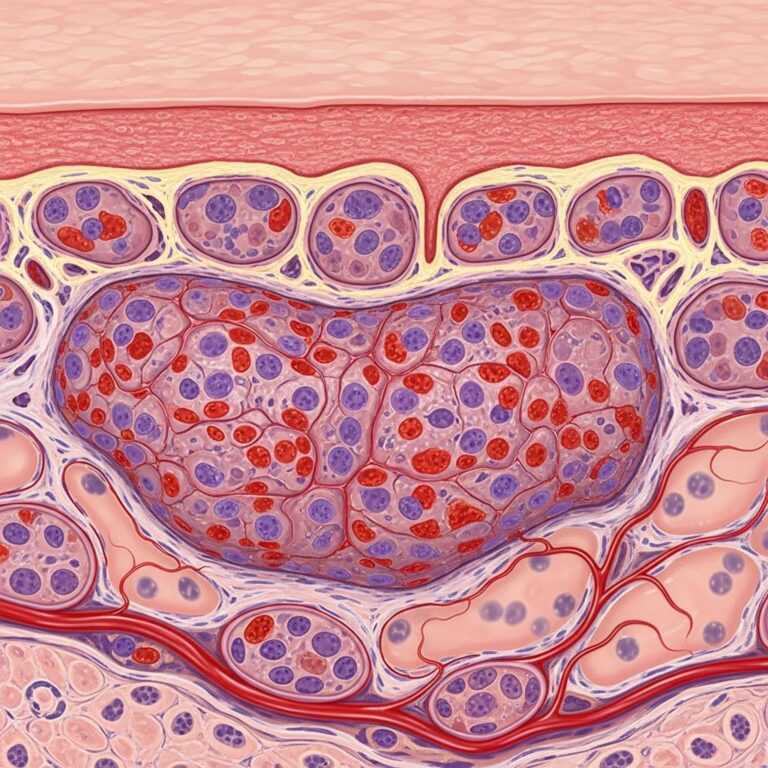
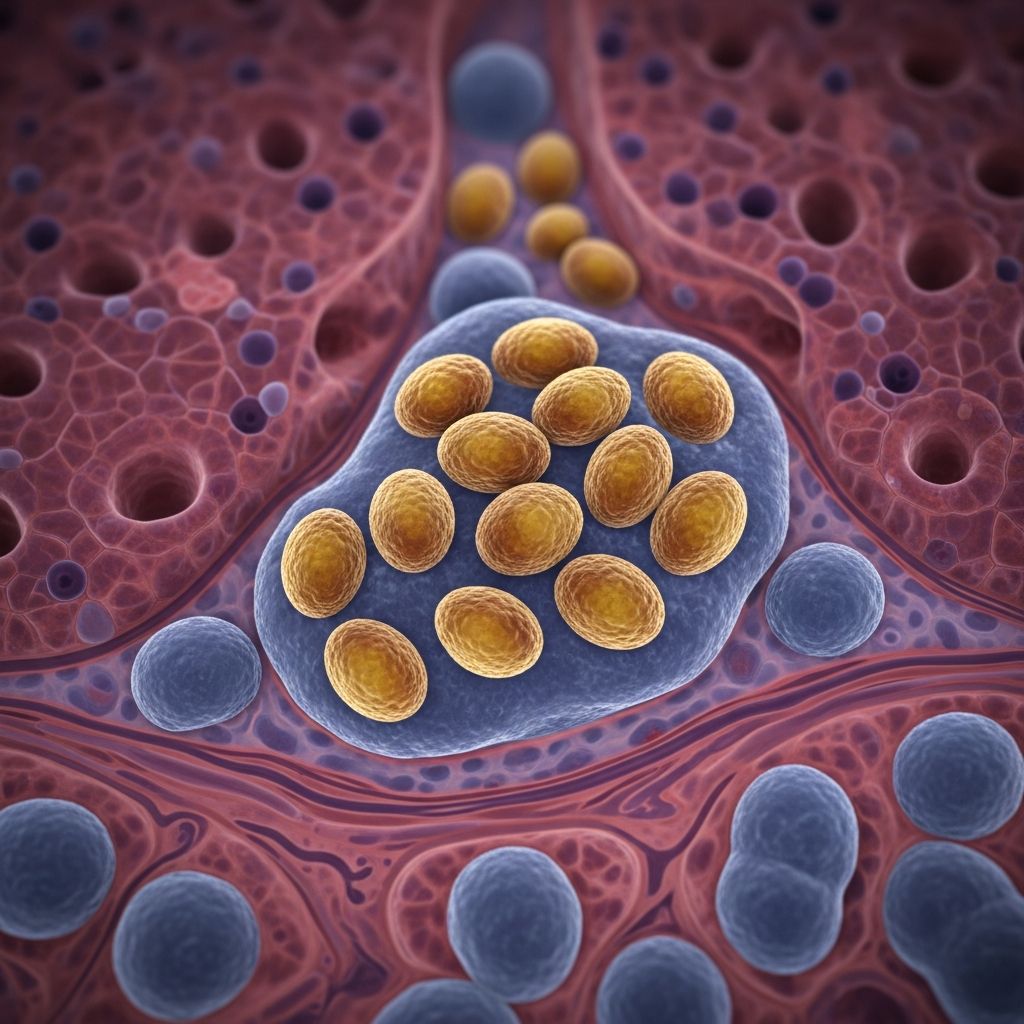
Histoplasmosis is a fungal infection caused by the dimorphic fungus Histoplasma capsulatum. This infection typically develops following inhalation of fungal spores and can range from asymptomatic to severe, depending on the inoculum size and the immune status of the affected individual. In many cases, particularly among immunocompetent patients, the infection is mild or asymptomatic, and individuals may not seek medical attention initially.
The disease is endemic in certain geographic regions, particularly areas with specific soil conditions where the fungus thrives. Understanding histoplasmosis is important for healthcare providers and patients in affected regions, as early recognition and appropriate management can prevent progression to severe disseminated disease.
Types and Forms of Histoplasmosis
Histoplasmosis manifests in several distinct clinical forms, each with different presentations and severity levels:
- Acute Primary Histoplasmosis: This is the initial form of infection following exposure to fungal spores. It presents as a syndrome with fever, cough, myalgias, chest pain, and malaise of varying severity. Acute pneumonia may develop, evident on physical examination and chest radiograph. Symptoms typically appear 3 to 17 days after spores are inhaled and usually resolve without treatment within 2 weeks, rarely lasting longer than 6 weeks.
- Chronic Pulmonary Histoplasmosis: In some individuals, the lung infection becomes chronic and persistent. This form is more common in patients with underlying lung disease and presents with ongoing respiratory symptoms including chest pain, shortness of breath, cough (possibly with hemoptysis), fever, and sweating.
- Disseminated Histoplasmosis: In a small number of people, especially those with weakened immune systems, the infection spreads throughout the body. This severe form causes inflammation and can affect multiple organ systems, potentially leading to serious complications if untreated.
Symptoms and Clinical Presentation
Most histoplasmosis infections are asymptomatic or mildly symptomatic, especially in immunocompetent patients. However, when symptoms do occur, they typically develop 3 to 17 days after exposure to the fungal spores.
Common Symptoms
The typical presentation of acute histoplasmosis includes:
- Fever (the most common symptom)
- Cough (nonproductive, present in less than half of disseminated cases)
- Fatigue and extreme tiredness
- Chills
- Headache
- Chest pain (pleuritic)
- Body aches and myalgias
- Malaise and general unwellness
- Weight loss and anorexia
- Night sweats
Physical Examination Findings
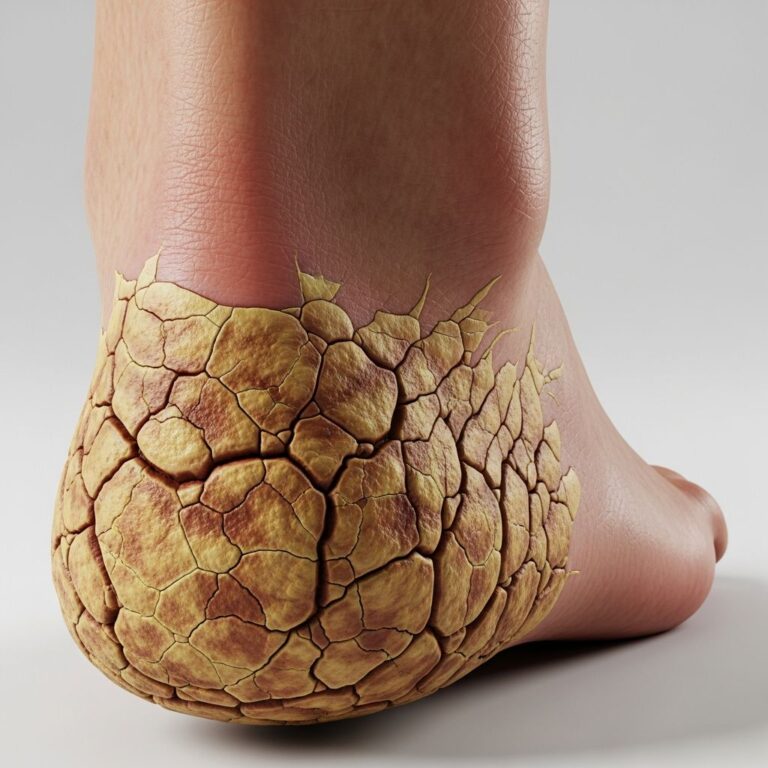
The physical examination is frequently unremarkable in acute histoplasmosis; however, certain findings may be observed in disseminated disease or severe cases. These can include hepatosplenomegaly (enlarged liver and spleen), lymph-node adenopathy, skin manifestations such as erythema nodosum and erythema multiforme, and mucocutaneous lesions including oropharyngeal ulceration. In severe cases with larger inoculum exposure, patients may exhibit dyspnea with hypoxia and signs of systemic illness.
Diagnosis of Histoplasmosis
Clinical index of suspicion for histoplasmosis must be high because symptoms are often nonspecific. Diagnosis is based on a combination of clinical suspicion associated with epidemiologic exposure and on the results of laboratory testing. A comprehensive diagnostic approach includes multiple modalities:
Diagnostic Methods
- Histopathology and Cultures: Identification of the organism in sputum, tissue samples, or other specimens is definitive. Cultures from respiratory specimens or tissue biopsies can isolate and identify Histoplasma capsulatum.
- Imaging Studies: Chest radiography or CT scans are essential for evaluating pulmonary involvement. Acute infection may show findings consistent with pneumonia, while chronic disease may reveal nodular or cavitary lesions.
- Antigen Testing: Specific antigen detection in serum and urine samples is a valuable diagnostic tool. These tests can provide rapid diagnosis and are useful for monitoring disease progression and treatment response.
- Serologic Testing: Antibody detection through complement fixation and other standard assays helps confirm diagnosis. Antibody tests are useful for diagnosis and management but are not diagnostic in all cases.
- Blood or Urine Tests: Laboratory analysis can detect histoplasmosis antigens and provide information about organ involvement and systemic response to infection.
- Bone Marrow Tests: In disseminated histoplasmosis, bone marrow examination may reveal fungal organisms and assess bone marrow involvement.
- Tissue Biopsy: A procedure to remove a small piece of lung tissue may be performed when other diagnostic methods are inconclusive.
Related Stories



Treatment and Management
Treatment decisions for histoplasmosis depend on the severity of the clinical syndrome, the form of disease, and the immune status of the patient.
Treatment Based on Severity
| Disease Severity | Treatment Approach | Duration |
|---|---|---|
| Mild Acute Pulmonary | Symptomatic treatment only (if symptoms persist less than 4 weeks) | Self-limited |
| Moderate Pulmonary | Itraconazole (Sporanox) 200 mg once or twice daily | 12 weeks |
| Severe Acute Pulmonary | Amphotericin B (0.7 mg/kg/day) with corticosteroids (prednisone 60 mg daily for 2 weeks), then itraconazole | 12 weeks itraconazole after amphotericin B |
| Severe Disseminated | IV liposomal amphotericin B daily for 2 weeks or until clinically stable, then oral itraconazole | 12 months itraconazole after fever resolution |
Antifungal Medications
Itraconazole is commonly used to treat histoplasmosis and can be given orally, making it suitable for outpatient management. Initial dosing is typically 3 times daily for 3 days, then reduced to twice daily for ongoing treatment. Treatment duration ranges from 3 months to 1 year, depending on severity and immune status.
Amphotericin B is reserved for severe infections and is administered intravenously. A decrease in fever occurs within a week of treatment in the majority of patients. Treatment can usually be changed to itraconazole within 3 to 14 days after amphotericin B initiation, which is desirable because amphotericin is associated with toxicity and requires intravenous administration. Nephrotoxicity is the most serious adverse effect, manifested by azotemia or hypokalemia requiring potassium supplementation. Normocytic anemia can also occur but usually resolves after discontinuation of medication.
Special Considerations
In patients with advanced HIV infection, itraconazole treatment is continued until CD4 cell counts are greater than 150 cells/mcL on antiretroviral therapy. Untreated progressive disseminated histoplasmosis has high mortality, emphasizing the importance of appropriate diagnosis and treatment in immunocompromised patients.
In otherwise healthy people with mild disease, the infection usually resolves without treatment. However, if patients are sick for more than 1 month or are having difficulty breathing, antifungal medication should be prescribed. Long-term treatment with antifungal drugs may be needed for up to 1 to 2 years in severe cases.
Prognosis and Recovery
For most immunocompetent individuals, acute primary histoplasmosis is self-limited, with symptoms typically resolving within 2 to 6 weeks even without specific antifungal treatment. Symptoms sometimes go away on their own without treatment in mild cases.
However, the prognosis is significantly different for patients with severe or disseminated disease. Without appropriate treatment, progressive disseminated histoplasmosis carries high mortality rates, particularly in immunocompromised patients. With appropriate antifungal therapy, most patients show clinical improvement, and the infection can be effectively controlled or cured.
Frequently Asked Questions
Q: Can histoplasmosis be transmitted from person to person?
A: No, histoplasmosis is acquired through inhalation of fungal spores from the environment, typically from soil contaminated with bird or bat droppings. It cannot be transmitted directly from person to person.
Q: How long does treatment for histoplasmosis typically last?
A: Treatment duration varies based on disease severity. Mild cases may require no treatment, moderate cases typically need 12 weeks of itraconazole, and severe or disseminated cases may require treatment for 3 months to 2 years.
Q: Is histoplasmosis more serious in people with weakened immune systems?
A: Yes, immunocompromised individuals, including those with advanced HIV infection, are at higher risk for disseminated histoplasmosis and more severe disease. Prompt diagnosis and aggressive treatment are essential in these populations.
Q: What are the side effects of amphotericin B?
A: Common serious side effects include nephrotoxicity (kidney damage) manifested by azotemia or hypokalemia, and normocytic anemia. These effects usually resolve after discontinuation of the medication.
Q: Can histoplasmosis recur after treatment?
A: Recurrence is possible, particularly in severely immunocompromised patients. Long-term suppressive therapy with itraconazole may be necessary in patients with advanced HIV infection until immune reconstitution is achieved.
References
- Histoplasmosis — Merck Manuals Professional Edition. 2024. https://www.merckmanuals.com/professional/infectious-diseases/fungal-infections/histoplasmosis
- Overview of Histoplasmosis — American Academy of Family Physicians. 2002. https://www.aafp.org/pubs/afp/issues/2002/1215/p2247.html
- About Histoplasmosis — Centers for Disease Control and Prevention. 2024. https://www.cdc.gov/histoplasmosis/about/index.html
- Histoplasmosis: Diagnosis & Treatment — Mayo Clinic. 2024. https://www.mayoclinic.org/diseases-conditions/histoplasmosis/diagnosis-treatment/drc-20373499
- Histoplasmosis — MedlinePlus, National Library of Medicine. 2024. https://medlineplus.gov/histoplasmosis.html
- Histoplasmosis: Causes, Symptoms, Diagnosis & Treatment — Cleveland Clinic. 2024. https://my.clevelandclinic.org/health/diseases/24811-histoplasmosis
- Histoplasmosis — StatPearls, National Center for Biotechnology Information. 2024. https://www.ncbi.nlm.nih.gov/books/NBK448185/
Similar Articles








Read full bio of Sneha Tete