Histoplasmosis: Causes, Symptoms, Diagnosis & Treatment
Understanding histoplasmosis: A comprehensive guide to fungal lung infection symptoms, diagnosis, and treatment options.
Understanding Histoplasmosis: A Fungal Lung Infection
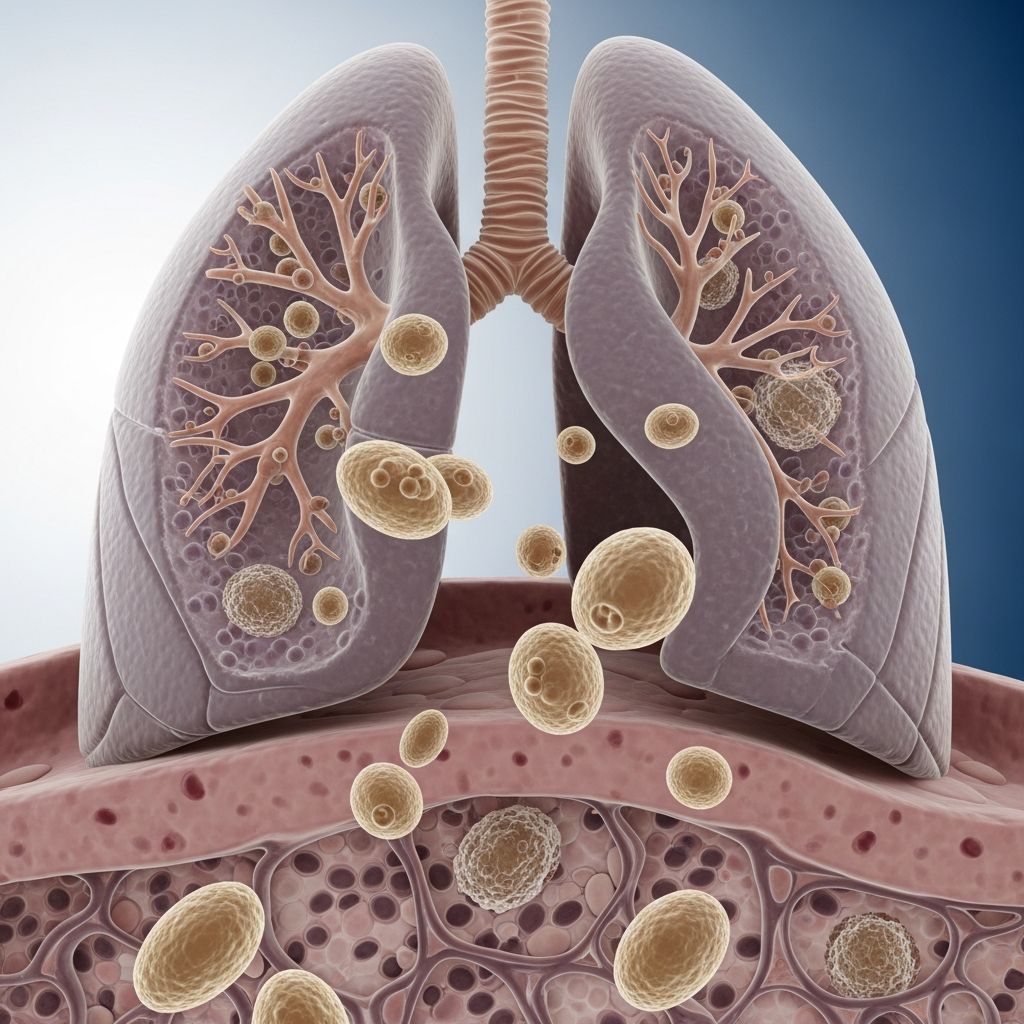
Histoplasmosis is a type of fungal infection that primarily affects your lungs. You acquire this infection by breathing in spores from the fungus Histoplasma capsulatum (H. capsulatum), which is found in soil and bird droppings, particularly in areas with high concentrations of these environmental sources. This condition represents one of the most common endemic fungal infections in the United States, especially in specific geographic regions.
The severity and presentation of histoplasmosis vary significantly depending on several factors, including your immune system status and the intensity of your exposure to the fungus. While most people experience mild symptoms that resolve naturally, some individuals develop severe complications requiring medical intervention.
Types of Histoplasmosis
Healthcare providers classify histoplasmosis into several distinct types based on how long you’ve had symptoms and whether the infection has spread to other parts of your body.
Acute Pulmonary Histoplasmosis
Acute pulmonary histoplasmosis is the most common form of the infection. Symptomatic infections typically appear between three to seventeen days after exposure to the fungus. This form primarily affects your lungs and usually presents with respiratory symptoms that may resemble those of other common respiratory conditions.
Chronic Cavitary Histoplasmosis
Chronic cavitary histoplasmosis develops primarily in individuals who have a history of pulmonary disease. This form of the infection causes progressive damage to lung tissue and may develop cavitations—hollow areas within the lungs. People with pre-existing lung conditions are at significantly higher risk for developing this chronic manifestation.
Progressive Disseminated Histoplasmosis
Progressive disseminated histoplasmosis occurs when H. capsulatum spreads from your lungs to many other parts of your body, including organs and tissues throughout the systemic circulation. This form most often develops in people with severely weakened immune systems, such as those with advanced HIV/AIDS. Symptoms may include progressive shortness of breath, fatigue, weight loss, and skin ulcers.
Central Nervous System and Ocular Histoplasmosis
You can also develop histoplasmosis that primarily causes symptoms in your brain (central nervous system histoplasmosis) or your eyes (ocular histoplasmosis, also known as Presumed Ocular Histoplasmosis Syndrome or POHS). These manifestations require specialized diagnostic approaches and treatment protocols.
Symptoms of Histoplasmosis
The symptoms of histoplasmosis vary depending on the type of infection and your immune status. Common symptoms typically include fever, cough, malaise, headache, chest pain, chills, and muscle aches (myalgias). In many cases, especially with acute pulmonary histoplasmosis in immunocompetent individuals, these symptoms are self-limiting and resolve without treatment.
More severe cases may present with progressive respiratory symptoms and systemic manifestations. Immunocompromised individuals often experience more severe symptoms that persist longer and may progress to disseminated disease affecting multiple organ systems.
Risk Factors and Exposure
Your risk for histoplasmosis increases significantly based on your occupation and recreational activities. You’re more at risk if you have a job or hobby that disturbs large concentrations of the fungus, which may include:
Related Stories



- Excavation work and construction activities
- Exploration of caves (spelunking)
- Bat exposure in enclosed spaces
- Cleaning contaminated spaces or structures
- Archaeological or demolition work
Additionally, you’re more at risk for severe or chronic cases of histoplasmosis if you have:
- A weakened immune system from HIV/AIDS
- Cancer or are receiving chemotherapy
- Organ transplant status
- Use of immunosuppressive medications, including TNF-inhibitors for rheumatologic conditions
- A history of pulmonary disease
- Diabetes
- Chronic lung disease
Diagnosis of Histoplasmosis
Healthcare providers use multiple diagnostic approaches to identify histoplasmosis accurately. The specific diagnostic strategy depends on the suspected type of infection and symptom severity.
Laboratory Testing Methods
Your healthcare provider might test your blood, urine, mucus from your lungs (sputum), bone marrow, or a sample of affected tissue to diagnose histoplasmosis. Common laboratory tests include:
Antigen Detection (EIA)
Histoplasma antigen detection in urine or serum is one of the most sensitive diagnostic methods and is typically performed via enzyme immunoassay (EIA). This test can be performed on urine, serum, cerebrospinal fluid, or bronchoalveolar lavage fluid. Urine antigen testing often provides the highest sensitivity among non-invasive diagnostic tests and offers the quickest turnaround time. This method is highly sensitive, particularly in immunocompromised patients, though antigen levels may decline with treatment.
Antibody Tests
Healthcare providers may perform immunodiffusion tests that detect H and M antibody bands. The H band indicates chronic or severe acute infection, while the M band develops within weeks of acute infection. These persist for months to years after the infection resolves. Complement-fixing antibody tests may take up to six weeks to appear after infection but demonstrate approximately 80% sensitivity.
Culture Methods
Fungal cultures from blood, lung fluid, or tissue samples can confirm the presence of H. capsulatum. While culture remains the gold standard for diagnosis, it may take up to six weeks to become positive and is most useful for diagnosing severe forms of histoplasmosis. A commercially available DNA probe can accelerate confirmation once growth is detected.
Microscopy and Histology
Microscopic examination of tissue samples can detect budding yeast cells characteristic of H. capsulatum. While this method has low sensitivity, it can provide quick confirmation if positive, particularly in severe infections.
PCR Testing
Polymerase chain reaction (PCR) for direct detection of Histoplasma from clinical specimens is promising and can be performed on serum, tissue, or bronchoalveolar lavage fluid, though it remains less widely available than other diagnostic methods.
Imaging Studies
Your healthcare provider will use imaging like chest X-rays or CT scans to look for changes or damage caused by H. capsulatum. A chest CT scan is more sensitive than a chest X-ray and provides detailed images of the lungs, lymph nodes, and surrounding structures. In people with histoplasmosis, imaging may reveal bilateral pulmonary opacities, enlarged mediastinal or hilar lymph nodes (particularly in moderate to severe infection), and calcified pulmonary nodules that may indicate subacute or previous infection. However, imaging alone is insufficient for diagnosis and must be correlated with laboratory tests.
Treatment and Recovery
Treatment approach depends on the severity of your infection and your immune status.
Mild to Moderate Cases
Mild to moderate cases of acute pulmonary histoplasmosis often resolve without treatment. Your healthcare provider may monitor your condition without initiating antifungal therapy in these instances.
Severe and Chronic Cases
Treatment is indicated for moderate to severe acute pulmonary, chronic pulmonary, disseminated, and central nervous system histoplasmosis. Antifungal agents proven effective include:
Amphotericin B
Amphotericin B, available in liposomal and lipid formulations, represents an effective treatment option, particularly for severe infections. For central nervous system involvement, liposomal amphotericin B is typically administered at 5 mg/kg per day for four to six weeks.
Itraconazole
Itraconazole is recommended for mild-to-moderate infections and serves as step-down therapy following initial amphotericin B treatment. Most infectious disease physicians follow IDSA (Infectious Diseases Society of America) treatment guidelines recommending itraconazole for acute pulmonary and mild-moderate disseminated histoplasmosis. For immunocompromised patients, itraconazole at 200 mg once or twice daily may be prescribed, with lifelong antifungal maintenance therapy sometimes required.
Therapeutic Drug Monitoring
Therapeutic drug monitoring should be considered for certain antifungals like itraconazole when treating histoplasmosis to ensure adequate dosing and optimize treatment outcomes.
Treatment Duration
Treatment duration varies based on the type of histoplasmosis. Severe disseminated histoplasmosis with central nervous system involvement requires itraconazole for a minimum of twelve months following initial amphotericin B therapy. Your healthcare provider will adjust treatment doses and duration based on your response, infection severity, and immune status.
Serious Complications
Serious complications of histoplasmosis include fibrosing mediastinitis, which is a rare progressive condition affecting the mediastinum (the central chest compartment). Other potential complications involve dissemination to multiple organ systems, particularly in immunocompromised individuals. Progressive disseminated disease can affect the central nervous system, causing meningitis or other CNS complications, and may lead to ocular involvement causing vision problems.
Frequently Asked Questions
Q: How is histoplasmosis transmitted?
A: Histoplasmosis is transmitted by inhaling spores from the fungus Histoplasma capsulatum found in soil and bird droppings. It is not spread from person to person through respiratory droplets or direct contact.
Q: What geographic areas have the highest risk of histoplasmosis?
A: Histoplasmosis is endemic to specific regions, particularly in the Ohio and Mississippi River valleys, and areas around bird-roosting sites. The fungus thrives in warm, moist soil environments.
Q: Can histoplasmosis be cured completely?
A: Most cases of acute pulmonary histoplasmosis resolve completely without treatment. Severe and disseminated cases require antifungal therapy, and immunocompromised patients may require lifelong maintenance therapy to prevent relapse.
Q: What is the difference between acute and chronic histoplasmosis?
A: Acute histoplasmosis develops shortly after exposure with symptoms appearing within three to seventeen days. Chronic histoplasmosis develops over time, particularly in individuals with pre-existing lung disease, and causes progressive lung damage with cavity formation.
Q: Can immunocompromised individuals develop severe histoplasmosis?
A: Yes, immunocompromised individuals, including those with advanced HIV, cancer patients undergoing chemotherapy, and transplant recipients, are at significantly higher risk for severe, disseminated, and progressive forms of histoplasmosis.
Q: Is there a vaccine for histoplasmosis?
A: Currently, no vaccine for histoplasmosis is available. Prevention focuses on avoiding exposure to contaminated soil and bird droppings, particularly for individuals at high risk.
Q: What symptoms suggest I need immediate medical attention?
A: Seek medical attention if you experience progressive shortness of breath, persistent high fever, severe chest pain, weight loss, or if you have a weakened immune system and develop respiratory symptoms after potential exposure.
References
- Histoplasmosis: Causes, Symptoms, Diagnosis & Treatment — Cleveland Clinic. 2024. https://my.clevelandclinic.org/health/diseases/24811-histoplasmosis
- Clinical Overview of Histoplasmosis — Centers for Disease Control and Prevention (CDC). 2024. https://www.cdc.gov/histoplasmosis/hcp/clinical-overview/index.html
- Management of Histoplasmosis by Infectious Disease Physicians — National Center for Biotechnology Information (NCBI/PMC). 2022. https://pmc.ncbi.nlm.nih.gov/articles/PMC9310261/
- Histoplasma Antigen Quantitative by EIA, Serum — Cleveland Clinic Laboratories. 2024. https://clevelandcliniclabs.com/test/histoplasma-antigen-quantitative-by-eia-serum/
Similar Articles








Read full bio of Sneha Tete