Understanding HIV and AIDS: Medical Facts
Comprehensive guide to HIV infection, AIDS progression, and modern treatment approaches
What Are HIV and AIDS?
Human immunodeficiency virus (HIV) is a pathogen that progressively weakens the body’s immune system by targeting and destroying CD4 cells, which are critical white blood cells responsible for coordinating immune responses. The acronym “AIDS” stands for acquired immunodeficiency syndrome, representing the most advanced stage of HIV infection that develops when the virus has severely compromised immune function.
The relationship between HIV and AIDS is sequential rather than synonymous. HIV is the infectious agent, while AIDS is the clinical condition that emerges when untreated HIV infection has substantially damaged the immune system. A person can harbor HIV for years without developing AIDS, particularly with modern medical intervention. However, without treatment, HIV typically progresses to AIDS within approximately ten years.
Types of HIV and Global Distribution
Two distinct types of HIV exist: HIV-1 and HIV-2. HIV-1 is responsible for the majority of infections worldwide and accounts for most HIV-related disease burden globally. HIV-2, while causing fewer overall cases, represents a substantial proportion of infections, particularly in West African regions.
The distinction between these types affects treatment considerations and disease progression rates, though antiretroviral therapies are generally effective against both variants.
How HIV Damages the Immune System
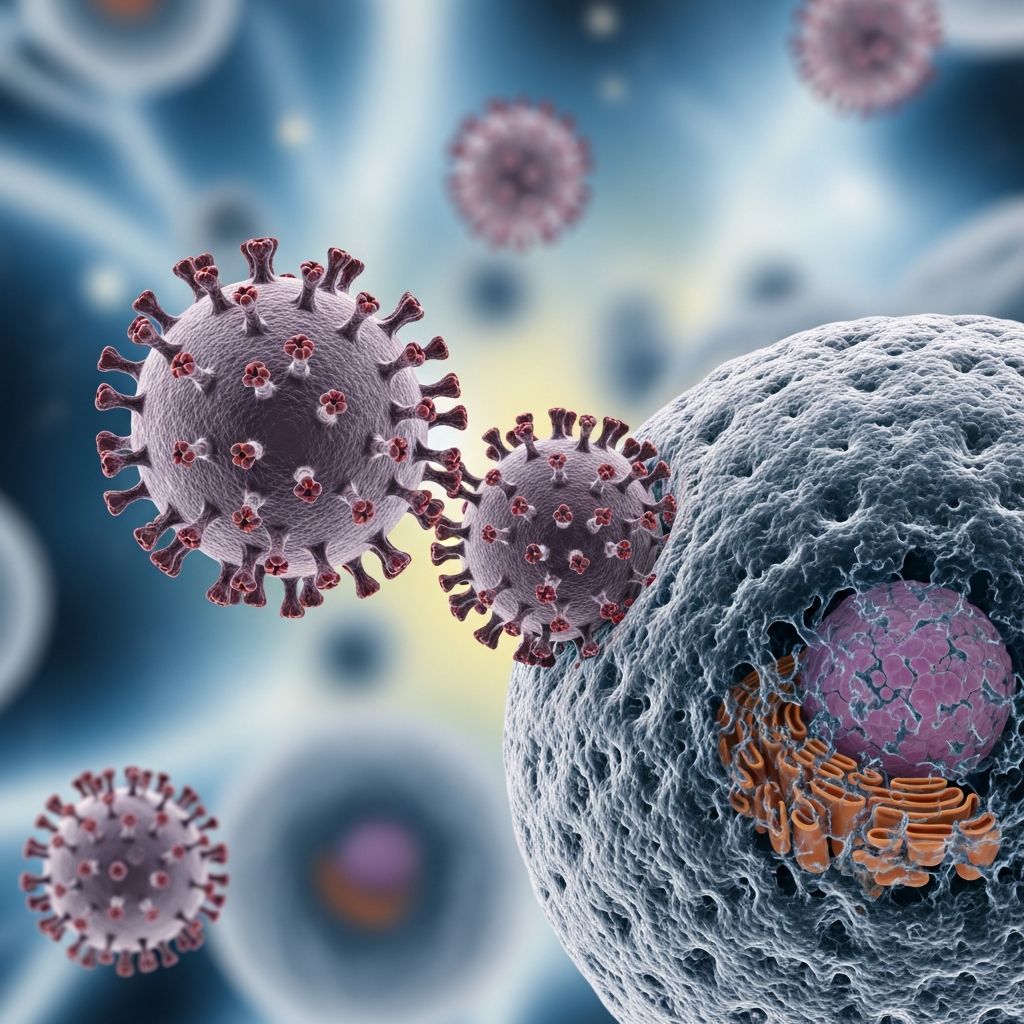
HIV employs a sophisticated mechanism to infiltrate and replicate within host cells. The virus attaches to CD4+ molecules and chemokine receptors on the surface of T lymphocytes, then penetrates the cell membrane. Once inside, HIV releases its genetic material and enzymes into the host cell.
The virus uses an enzyme called reverse transcriptase to convert its RNA into DNA, a process prone to errors that generate frequent mutations. This genetic variability allows HIV to evolve and develop resistance to both the immune system’s defenses and antiretroviral medications. The mutated DNA integrates into the host cell’s genome through the action of another viral enzyme called integrase.
An infected cell can produce thousands of viral particles daily. The immune system attempts to eliminate these cells, but the sheer volume of viral replication overwhelms immune responses. Additionally, CD4 cells have an extremely rapid turnover rate—between five to seven percent of the CD4 pool is replaced daily, with complete renewal occurring every two days. This constant cycle of destruction and replacement gradually depletes the immune system’s capacity to function.
Transmission Routes and Risk Levels
HIV transmission occurs through specific epidemiological pathways involving direct contact with infected biological materials:
- Heterosexual intercourse, affecting men and women with comparable frequency
- Sexual contact between men
- Exposure to infected blood through needle-sharing or inadequately screened blood transfusions
- Vertical transmission from mother to child during pregnancy, delivery, or breastfeeding
Related Stories



Sexual Transmission Risk Assessment
Research has quantified the transmission risk for different sexual practices, with mucosal trauma significantly increasing vulnerability:
| Sexual Practice | Transmission Risk per Act |
|---|---|
| Receptive anal intercourse | 1 per 72 acts |
| Insertive anal intercourse | 1 per 909 acts |
| Receptive vaginal intercourse | 1 per 1,250 acts |
| Insertive vaginal intercourse | 1 per 2,500 acts |
| Receptive or insertive oral sex | 0 to 4 per 10,000 exposures |
All transmission risks listed above apply to sexual contact with individuals having a detectable viral load. Consistent condom use during vaginal or anal intercourse substantially reduces transmission risk, as does the use of appropriate barriers during oral contact.
Stages of HIV Infection
Early-Stage Infection
Following initial infection, HIV replicates rapidly within the body. Many individuals experience acute illness resembling influenza, characterized by fever, fatigue, and lymphadenopathy. However, some people may remain asymptomatic during this early period. During this phase, the viral load is extremely high, increasing transmission risk significantly.
Chronic Infection Phase
After the acute phase, HIV enters a chronic stage where viral replication continues at reduced rates. The infected person may feel healthy and exhibit no visible symptoms, yet the virus continues to gradually destroy CD4 cells. This period can persist for many years without treatment, during which immune system damage accumulates progressively. Without medical intervention, more severe symptoms typically emerge years later as the immune system deteriorates.
Advanced HIV Disease (AIDS)
AIDS represents the final stage of untreated HIV infection, diagnosed when specific clinical criteria are met:
- CD4 cell count falls below 200 cells per milliliter of blood
- CD4 percentage comprises 14% or less of total lymphocytes
- Development of AIDS-defining illnesses, including serious opportunistic infections or certain malignancies
At this stage, the immune system is severely compromised, rendering the body vulnerable to infections and diseases that a healthy immune system could easily contain. These opportunistic infections take advantage of the weakened immune state and include tuberculosis, Pneumocystis pneumonia, cytomegalovirus, and various fungal infections.
Without treatment, individuals diagnosed with AIDS typically survive approximately three years. However, with modern antiretroviral therapy, AIDS is no longer inevitably fatal, and many people diagnosed with AIDS can recover immune function with consistent treatment.
Diagnosis and Testing Methods
HIV infection can be identified through three primary testing approaches:
- Antibody testing: Detects the immune system’s antibodies produced in response to HIV infection
- Nucleic acid testing: Identifies HIV RNA directly in the bloodstream
- Antigen testing: Detects p24 antigen, a viral protein present early in infection
Early detection of HIV enables prompt initiation of treatment, which can prevent progression to AIDS and maintain immune function at near-normal levels.
The Role of CD4 Cells in HIV Disease
CD4+ lymphocytes, also called helper cells, coordinate both cell-mediated and humoral immune responses. These cells direct other immune cells to recognize and eliminate pathogens. HIV’s primary target is these helper cells, leading to their progressive depletion and dysfunction.
The CD4 count serves as the primary indicator of immune system integrity in HIV-positive individuals. Normal CD4 counts range from 500 to 1,500 cells per milliliter. As the count declines, the risk of opportunistic infections increases substantially. A CD4 count below 200 cells/mL indicates severe immunosuppression and warrants aggressive opportunistic infection prevention strategies.
Modern Treatment: Antiretroviral Therapy
Antiretroviral therapy (ART) comprises combination medications administered daily (typically as one or more pills) or through extended-interval regimens (injections given every two to six weeks). These medications target different stages of the viral replication cycle, preventing the virus from reproducing and destroying additional immune cells.
ART effectiveness is measured by viral suppression—reduction of HIV RNA to undetectable levels in the bloodstream. When someone achieves and maintains viral suppression, the body can prevent further CD4 destruction, allowing the immune system to recover and rebuild. Many individuals on consistent ART achieve normal or near-normal life expectancies and prevent transmission of HIV to sexual partners (a concept known as “undetectable equals untransmittable” or U=U).
Immune Activation and Disease Progression
HIV infection triggers two significant immune consequences: direct destruction of CD4 cells through viral replication and direct infection, and immune activation resulting from the body’s attempt to control viral replication. Chronic immune activation, paradoxically, can contribute to disease progression even as the immune system attempts to eliminate the virus. This activation increases inflammation and accelerates CD4 cell turnover, exacerbating immune damage.
Genetic Variation and Drug Resistance
HIV’s error-prone replication mechanism generates diverse viral variants within each infected individual. The high volume of viral replication combined with frequent transcription errors by reverse transcriptase creates numerous mutations, increasing the probability of generating drug-resistant strains. This genetic diversity explains why inconsistent medication adherence can lead to treatment failure—the virus can rapidly evolve resistance when antiretroviral concentrations fluctuate.
Conversely, consistent adherence to ART prevents resistance development by maintaining suppressively effective medication levels that eliminate susceptible viral variants before resistant mutants can emerge.
Impact on Overall Health
Beyond the direct effects on CD4 cells, untreated HIV increases vulnerability to multiple other conditions. Hepatitis coinfection, tuberculosis, and sexually transmitted infections occur at higher rates in untreated individuals with deteriorated immune function. Some malignancies associated with viral infections, including certain lymphomas and cervical cancers, also increase in frequency as immune surveillance mechanisms fail.
Key Takeaways for Understanding HIV and AIDS
- HIV is a treatable viral infection; AIDS is the clinical consequence of severe, untreated immune damage
- HIV transmission requires specific contact routes; awareness of transmission mechanics enables effective prevention
- Modern antiretroviral therapy prevents progression to AIDS and enables normal lifespan expectations
- Early diagnosis and treatment initiation provide the best outcomes
- Consistent medication adherence prevents drug resistance and maintains immune recovery
References
- Human Immunodeficiency Virus (HIV) Infection — Merck Manuals (Professional Edition). 2024. https://www.merckmanuals.com/professional/infectious-diseases/human-immunodeficiency-virus-hiv/human-immunodeficiency-virus-hiv-infection
- HIV and AIDS: The Basics — National Institutes of Health (HIVinfo). 2024. https://hivinfo.nih.gov/understanding-hiv/fact-sheets/hiv-and-aids-basics
- HIV & AIDS: Causes, Symptoms, Treatment & Prevention — Cleveland Clinic. 2024. https://my.clevelandclinic.org/health/diseases/4251-hiv-aids
- About HIV — Centers for Disease Control and Prevention (CDC). 2024. https://www.cdc.gov/hiv/about/index.html
- HIV and AIDS — World Health Organization (WHO). 2024. https://www.who.int/news-room/fact-sheets/detail/hiv-aids
Similar Articles








Read full bio of medha deb