HIV/AIDS and Skin Conditions: Causes, Types, and Treatment
Understand skin conditions in HIV/AIDS: types, causes, and evidence-based treatment options.
HIV/AIDS and Skin Conditions
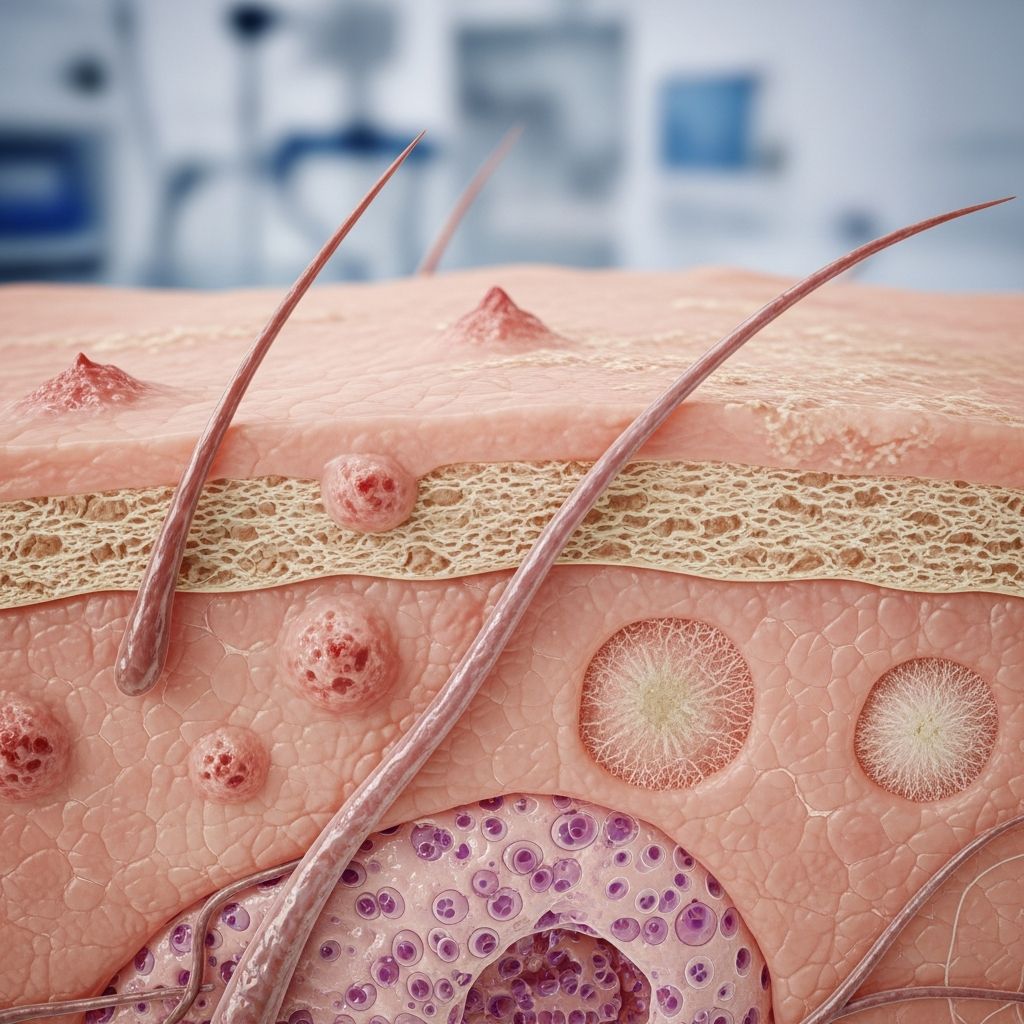
Skin conditions represent one of the most visible manifestations of HIV infection and disease progression. Approximately 90 percent of people with HIV will develop a skin condition at some point during the course of their disease. These conditions can range from minor inflammatory dermatitis to serious opportunistic infections and malignancies. Understanding the relationship between HIV and skin health is crucial for early detection, proper management, and improving quality of life for individuals living with HIV.
Understanding HIV Progression and Skin Manifestations
The development and severity of skin conditions in HIV are closely linked to immune system function, particularly CD4+ T cell counts. The CD4 count serves as a marker of immune system health in people with HIV. A normal CD4 count ranges from 500 to 1,600 cells per cubic millimeter (mm³) of blood. As HIV progresses through different stages, skin conditions become increasingly prevalent and severe.
HIV progresses through three primary stages. Stage 1, known as acute HIV infection, occurs when the virus first enters the body and CD4 counts are typically normal or only slightly reduced. Stage 2, or clinical latency, is characterized by slower viral replication and gradual CD4 decline. Stage 3, or AIDS, develops when the CD4 count falls below 200 cells per mm³, indicating severe immune compromise. A person is most likely to experience skin conditions during stage 1 and stage 3 of HIV, with stage 3 presenting the most severe and challenging skin manifestations.
Categories of HIV-Related Skin Conditions
Skin conditions caused by HIV typically fall into one of three distinct categories:
– Inflammatory dermatitis: Skin rashes and inflammatory conditions- Infections and infestations: Bacterial, fungal, viral, and parasitic infections- Skin cancers: Neoplastic conditions including Kaposi sarcoma and non-melanoma skin cancers
Each category presents unique challenges and requires different treatment approaches. As a general rule, skin conditions caused by HIV are improved with antiretroviral therapy (ART), which restores immune function by suppressing viral replication.
Inflammatory Dermatitis Conditions
Dermatitis is the most common symptom of HIV-related skin disease. Several types of inflammatory dermatitis affect individuals with HIV.
Seborrheic Dermatitis
Seborrheic dermatitis represents one of the most prevalent HIV-associated skin conditions, affecting 85 to 90 percent of people with HIV compared to approximately 5 percent of the general population. This condition primarily affects the face and scalp, resulting in redness, scales, and persistent dandruff. Also known as seborrheic eczema, seborrheic dermatitis causes significant cosmetic and comfort concerns for affected individuals.
Treatment focuses on symptom relief and typically consists of topical methods, including antidandruff shampoos containing zinc pyrithione, ketoconazole, or selenium sulfide, and barrier repair creams. Regular skincare with gentle cleansers and moisturizers helps manage symptoms. In more severe cases, topical corticosteroids and antifungal creams may be recommended.
Related Stories



Atopic Dermatitis
Atopic dermatitis affects approximately 30 percent of people with HIV in the United States and appears to be more common in dry or urban environments. This chronic inflammatory condition causes itching, redness, and sometimes oozing or cracking of the skin. In people with HIV, atopic dermatitis may be more severe and resistant to standard treatments.
Treatment options include corticosteroid creams, skin-repairing creams known as calcineurin inhibitors, and anti-itch medications. Antibiotics may be prescribed if secondary infections develop. However, recurrence is common in people with HIV, requiring ongoing management and maintenance therapy.
Eosinophilic Folliculitis
Eosinophilic folliculitis is characterized by itchy, red bumps centered on hair follicles, typically appearing on the scalp and upper body. This form of dermatitis is found most frequently in people in later stages of HIV, particularly when CD4 counts are significantly reduced. The condition causes considerable itching and discomfort, sometimes interfering with sleep and daily activities.
Management of eosinophilic folliculitis is often challenging. Oral medications, topical creams, and medicated shampoos may be used to help manage symptoms, but the condition is typically difficult to treat. The preferred treatment method is antiretroviral therapy with the goal of increasing the CD4 count. As immune function improves, symptoms often resolve.
Infectious and Parasitic Conditions
Fungal, viral, and parasitic infections are particularly common in individuals with HIV, especially when immune function is severely compromised. These opportunistic infections take advantage of a weakened immune system.
Candidiasis
Candidiasis, caused by the Candida fungus, is one of the most common opportunistic infections in people with HIV. Oral candidiasis (thrush) presents as white patches in the mouth, while esophageal candidiasis affects the throat. Cutaneous candidiasis may develop in warm, moist areas of the skin such as skin folds, the groin, and under the breasts.
Other fungal infections seen in people with HIV include intertriginous infections found in moist skin folds such as the groin or armpit, leading to pain and redness; nail infections causing thickened, discolored nails; foot infections in the areas surrounding the nails causing pain and swelling; and vaginal yeast infections in women. Fungal infections occur at lower CD4 cell counts and are especially common when the immune system is at its weakest, in the third stage of HIV.
Herpes Simplex Virus (HSV)
Chronic and persistent herpes simplex virus (HSV) infection is an AIDS-defining condition, indicating that a person has reached the most advanced stage of HIV. HSV causes painful cold sores on the mouth and face as well as genital lesions. Lesions from HSV are more severe and persistent in people with advanced, untreated HIV, sometimes lasting for weeks or months.
Treatment may be administered episodically as outbreaks occur or on a daily basis through suppressive therapy. Antiviral medications such as acyclovir, valacyclovir, or famciclovir are commonly used. Daily suppressive therapy is particularly beneficial for individuals with frequent recurrences or severe immunosuppression.
Herpes Zoster (Shingles)
Herpes zoster, commonly known as shingles, results from reactivation of latent varicella-zoster virus (the virus that causes chickenpox). This painful condition typically presents as a blistering rash along a dermatomal distribution, often accompanied by severe pain, burning, or tingling sensations. In people with HIV, herpes zoster may be more severe, prolonged, and prone to complications.
Antiviral medications are the standard treatment, with early initiation providing the best outcomes. Pain management is also an important aspect of care, as post-herpetic neuralgia can cause prolonged discomfort even after the rash has resolved.
Molluscum Contagiosum
Molluscum contagiosum is a viral infection caused by a poxvirus that produces small, firm, flesh-colored bumps with characteristic central dimpling. These bumps may appear on any body area including the face, upper body, arms, and legs. The condition can be present at any stage of HIV, but rapid growth and spread of molluscum contagiosum is a marker of disease progression and is often seen when the CD4 count dips below 200 cells per mm³.
Molluscum contagiosum doesn’t cause significant medical complications, so treatment is primarily cosmetic. Current treatment options include freezing the bumps with liquid nitrogen (cryotherapy), topical ointments, and laser removal. As immune function improves with ART, lesions often resolve without specific treatment.
Scabies
Scabies is a parasitic infestation caused by the Sarcoptes scabiei mite. In people with HIV and advanced AIDS, a particularly severe form called crusted scabies develops when thick crusts form on the skin. This highly contagious condition spreads easily through skin-to-skin contact and can also be transmitted through contaminated personal items like towels and clothing.
Scabicide medicines kill scabies mites and eggs, with treatment typically lasting one to two weeks. Sexual partners and close family members should also be treated simultaneously to prevent reinfection. Careful attention to hygiene and frequent laundering of clothing and bedding in hot water is essential.
Skin Cancers Associated with HIV
Individuals with HIV have increased risk for certain types of skin cancer, particularly when CD4 counts are low.
Kaposi Sarcoma (KS)
Kaposi sarcoma is one of the most serious skin conditions associated with HIV and AIDS. This vascular cancer, caused by Human Herpesvirus 8 (HHV-8), presents as purple, red, or brown lesions that can appear on the skin and inside the mouth. Lesions often appear when the white blood cell count drops dramatically, and their appearance is often a sign that HIV has progressed to AIDS and that the immune system is severely compromised.
KS responds to chemotherapy, radiation therapy, and surgical removal of lesions. Antiretroviral medications have significantly reduced the number of new KS cases in people with HIV as well as the severity of existing cases. With effective ART, many people with KS experience complete remission of their lesions.
Non-Melanoma Skin Cancers
People with HIV have increased risk for basal cell carcinoma (BCC) and squamous cell carcinoma (SCC), particularly those with low CD4 counts. Research has documented increased rates of BCC in HIV-positive men who have sex with men (MSM), and increased rates of SCC have been observed in people with low CD4 counts. Additionally, individuals with HIV are more sensitive to sun exposure and have increased risk of sunburn-related complications.
Treatment for non-melanoma skin cancers consists primarily of surgical removal of the skin growths. Cryosurgery (freezing) may also be performed for smaller lesions. Sun protection with high-SPF sunscreen and protective clothing is essential for prevention.
Sun Sensitivity and Photosensitivity
HIV can make skin significantly more sensitive to the sun’s ultraviolet (UV) radiation. After sun exposure, affected skin can turn a sunburn-like red in exposed areas such as the face, ears, scalp, neck, and chest. Some medications used to treat HIV can also increase photosensitivity, compounding this risk.
Prevention focuses on avoiding excessive sun exposure, wearing protective clothing when outdoors, and using high-SPF sunscreen that protects against both UVA and UVB rays. Individuals with HIV should apply broad-spectrum sunscreen with SPF 30 or higher liberally and reapply frequently, especially after swimming or sweating.
Treatment Approaches for HIV-Related Skin Conditions
Treatment strategies for HIV-related skin conditions vary depending on the specific condition, its severity, and the individual’s CD4 count and treatment status.
General treatment principles include:
– Antiretroviral therapy (ART) to restore immune function- Antihistamines for itching and inflammatory responses- Topical and systemic corticosteroids for inflammatory conditions- Topical moisturizers and barrier repair creams for dry, irritated skin- Antifungal medications (topical or oral) for fungal infections- Antiviral medications for viral infections- Antibiotics for bacterial infections- Specialized treatments such as chemotherapy or cryotherapy for more serious conditions
Untreated HIV doubles the risk of skin disorders. As such, individuals with HIV should be placed on immediate antiretroviral therapy to block the virus’s ability to replicate and allow immune function recovery. As CD4 counts increase with effective ART, many HIV-related skin conditions improve or resolve completely.
Immune Reconstitution Inflammatory Syndrome (IRIS)
When individuals with advanced HIV begin antiretroviral therapy, paradoxical worsening of certain conditions can occur through a phenomenon called Immune Reconstitution Inflammatory Syndrome (IRIS). This occurs when the recovering immune system mounts an exaggerated inflammatory response to previously tolerated pathogens or antigens. Psoriasis may arise shortly after a person begins antiretroviral therapy as a manifestation of IRIS and results from an overactive immune system. However, in many cases, continued antiretroviral therapy causes psoriasis to subside as immune function stabilizes.
Pathognomonic Conditions and HIV Diagnosis
Several skin conditions are pathognomonic of HIV/AIDS, meaning they are characteristic enough to suggest HIV infection and warrant immediate HIV testing. These include Kaposi sarcoma, herpes zoster (particularly when disseminated or recurrent), papular pruritic eruption, and extensive candidiasis. All adults, adolescents, and children with unknown HIV status presenting with these conditions, particularly those that are pathognomonic of HIV, should be offered testing for HIV immediately.
Psychological and Quality of Life Impact
Although skin conditions are not a major cause of mortality in HIV and AIDS, they provoke significant scratching, disfigurement, pain, sleep disturbance, and psychological distress, which severely impacts the individual’s quality of life. The visible nature of many HIV-related skin conditions can lead to stigma, social isolation, and depression. Comprehensive care should address not only the physical manifestations but also the psychological and social impacts of these conditions.
Frequently Asked Questions
Q: When are skin conditions most likely to develop in HIV infection?
A: Individuals are most likely to develop skin conditions during stage 1 (acute infection) and stage 3 (AIDS, when CD4 count falls below 200 cells/mm³). Stage 3 typically presents the most severe manifestations.
Q: What is the most common HIV-related skin condition?
A: Seborrheic dermatitis is the most common HIV-related skin condition, affecting 85 to 90 percent of people with HIV. Dermatitis in general is the most common symptom of HIV-related skin disease.
Q: Can HIV-related skin conditions be cured?
A: Many HIV-related skin conditions improve or resolve with effective antiretroviral therapy that restores immune function. However, some conditions may recur or require ongoing management even with treatment.
Q: Should someone with certain skin conditions be tested for HIV?
A: Yes. If someone presents with pathognomonic conditions such as Kaposi sarcoma, disseminated herpes zoster, or extensive candidiasis, immediate HIV testing is recommended.
Q: Are HIV skin conditions contagious?
A: Some are contagious (such as molluscum contagiosum, herpes simplex, and scabies) while others are not. Proper hygiene and precautions should be taken to prevent transmission of contagious conditions.
Q: How does antiretroviral therapy help with skin conditions?
A: ART suppresses HIV replication, allowing the immune system to recover and CD4 counts to increase. As immune function improves, many HIV-related skin conditions improve or resolve completely.
References
- Rashes and Skin Conditions Associated with HIV and AIDS — Healthline Media. 2024. https://www.healthline.com/health/hiv-aids/rashes-and-skin-conditions-hiv
- HIV and Skin Conditions — Physiopedia. 2024. https://www.physio-pedia.com/HIV_and_Skin_Conditions
- HIV and AIDS Rashes and Skin Conditions — WebMD. 2024. https://www.webmd.com/hiv-aids/ss/slideshow-hiv-aids-skin
- HIV-Related Conditions: Skin Problems — NIH HIVinfo. National Institutes of Health. 2024. https://hivinfo.nih.gov/hiv-source/hiv-related-conditions/skin-problems
- Kaposi’s Sarcoma — Johns Hopkins HIV Guide. Johns Hopkins University. 2024. https://www.hopkinsguides.com/hopkins/view/Johns_Hopkins_HIV_Guide/545113/all/Kaposi’s_sarcoma
- What HIV Can Do to Your Skin — Healthgrades Health Library. 2024. https://resources.healthgrades.com/right-care/hiv/what-hiv-can-do-to-your-skin
- HIV/AIDS and Skin Conditions — Johns Hopkins Medicine. 2024. https://www.hopkinsmedicine.org/health/conditions-and-diseases/hiv-and-aids/hivaids-and-skin-conditions
Similar Articles








Read full bio of Sneha Tete