HIV Causes: Transmission, Risk Factors, Prevention
Understand how HIV spreads, key risk factors, transmission myths, and proven prevention strategies to protect yourself and others effectively.
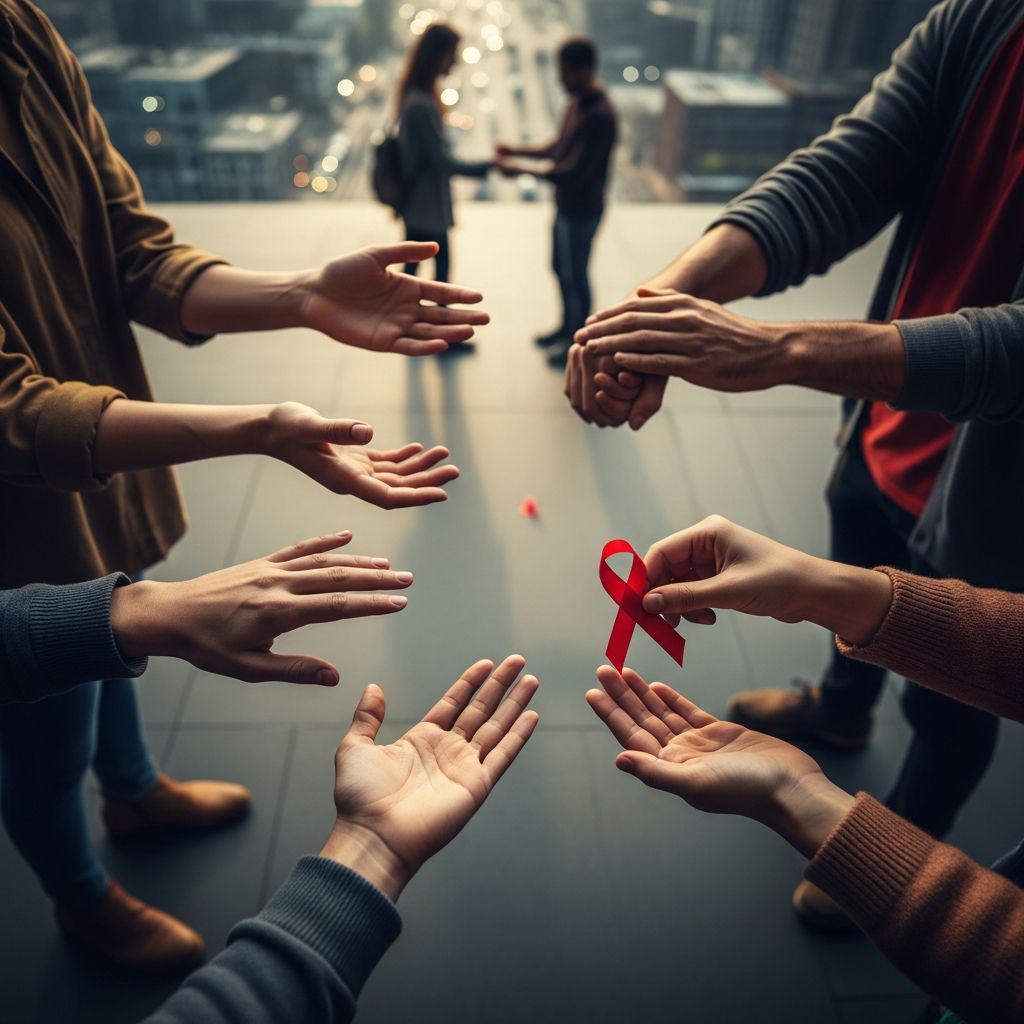
HIV, or human immunodeficiency virus, spreads through specific bodily fluids and activities, primarily targeting the immune system’s CD4+ T cells, leading to progressive immune suppression if untreated. Without intervention, it advances to AIDS, characterized by opportunistic infections when CD4 counts drop below 200 cells/mm³. Globally, HIV-1 causes most infections, with transmission occurring via blood, semen, vaginal fluids, rectal fluids, breast milk, and pre-ejaculate.
What Is HIV?
HIV belongs to the Retroviridae family, Lentivirus genus, acting as a retrovirus that integrates its RNA-derived DNA into host cells using reverse transcriptase. It primarily infects CD4+ T-lymphocytes and macrophages via envelope glycoproteins binding to CD4 receptors and co-receptors like CCR5 or CXCR4, enabling membrane fusion and viral entry. This high mutation rate, 100-1000 times that of cellular DNA polymerases, drives genomic diversity, affecting disease severity and antiretroviral therapy (ART) response.
Upon infection, HIV replicates rapidly, depleting CD4 cells and impairing immune function. Acute infection may present flu-like symptoms, followed by a chronic phase lasting years, progressing to AIDS without treatment in about 10 years. Modern ART prevents progression in most cases, allowing undetectable viral loads that eliminate transmission risk (U=U: Undetectable = Untransmittable).
How Is HIV Transmitted?
The vast majority of HIV transmissions worldwide occur through sexual contact, with heterosexual transmission dominant in Africa and men who have sex with men (MSM) predominant elsewhere. In the US, 2021 data shows 70% of new infections in MSM and 22% via heterosexual contact. Other routes include:
- Blood exposure: Sharing needles for drug injection affects about 3 million people globally.
- Perinatal: During pregnancy, delivery, or breastfeeding.
- Other fluids: Amniotic fluid, though rare via fomites like unsterilized equipment.
HIV requires direct fluid exchange into the bloodstream or mucous membranes; it does not survive long outside the body. Transmission risk varies: anal sex highest (1.38% per act receptive), followed by vaginal (0.08-0.19%), and needle sharing (0.63%).
Sexual Transmission
Unprotected anal or vaginal sex is the leading cause globally. MSM face higher risk due to rectal tissue fragility; receptive anal intercourse carries the greatest per-act probability. Heterosexual transmission predominates in high-prevalence regions like sub-Saharan Africa.
Presence of other STIs (syphilis, herpes, chlamydia) increases risk by causing genital ulcers or inflammation, facilitating viral entry. Viral load during acute infection or advanced disease heightens transmissibility. Consistent condom use reduces risk by 80-95%; PrEP offers 99% protection for negative partners.
Blood Transmission
Sharing contaminated needles or syringes for injecting drugs is a major vector, with 3 million people who inject drugs living with HIV. Unsafe medical practices, like unsterile injections or transfusions, pose risks, though screening has minimized these in developed nations. Occupational needlestick injuries affect healthcare workers, with transmission risk around 0.3% per incident.
Harm reduction, including needle exchange programs, significantly lowers incidence.
Related Stories



Mother-to-Child Transmission
Without intervention, 15-45% of infants born to HIV-positive mothers acquire the virus during pregnancy (5-10%), delivery (60-75%), or breastfeeding (10-20%). ART for mother and infant reduces this to under 1% in high-resource settings. Cesarean delivery and formula feeding further mitigate risk for those with high viral loads.
High-Risk Groups for HIV
Certain populations face disproportionate impact due to behavioral, social, and structural factors:
- MSM: 70% of new US cases; stigma barriers care access.
- People who inject drugs: Global estimate 3 million infected.
- African Americans and Hispanics: Higher rates due to socioeconomic disparities.
- Sex workers: Elevated exposure from multiple partners.
- Transgender individuals: Particularly trans women, with unique access barriers.
These groups encounter stigma, discrimination, and limited healthcare, exacerbating spread.
HIV Transmission Myths
Common misconceptions persist:
- Casual contact: HIV does not spread via hugging, shaking hands, toilet seats, or mosquito bites.
- Saliva/sweat/tears: Insufficient viral concentration; kissing is safe.
- Water/food: Virus inactivated quickly outside body.
- Oral sex: Very low risk (<0.04% per act).
Debunking myths reduces stigma and encourages testing.
HIV Prevention
Proven strategies include:
- Condoms: 80-95% effective.
- PrEP/PEP: Daily PrEP 99% effective; PEP within 72 hours post-exposure.
- ART treatment as prevention (TasP): Undetectable viral load prevents transmission.
- Harm reduction: Needle exchanges, opioid substitution.
- Perinatal care: Maternal ART.
| Method | Effectiveness | Best For |
|---|---|---|
| Condoms | 80-95% | Sexual activity |
| PrEP | 99% | High-risk negatives |
| TasP (U=U) | 100% (undetectable) | Positive individuals |
| Needle exchange | 50-70% reduction | Drug users |
Frequently Asked Questions (FAQs)
Can you get HIV from kissing?
No, HIV transmission via saliva is impossible due to low viral load.
Is HIV only a gay disease?
No, anyone can contract HIV; MSM are disproportionately affected but not exclusively.
How soon after exposure should I test?
Acute infection detectable 10-33 days; confirmatory at 3 months.
Does a condom always prevent HIV?
Highly effective (80-95%) if used correctly every time.
Can HIV be cured?
No cure, but ART manages as chronic condition.
This comprehensive overview draws from authoritative sources to empower informed decisions on HIV prevention and awareness.
References
- HIV and AIDS – StatPearls — NCBI Bookshelf / NIH. 2023. https://www.ncbi.nlm.nih.gov/books/NBK534860/
- HIV & AIDS: Causes, Symptoms, Treatment & Prevention — Cleveland Clinic. 2024-08-22. https://my.clevelandclinic.org/health/diseases/4251-hiv-aids
- HIV and AIDS: Causes, symptoms, treatment, and more — Medical News Today. 2024. https://www.medicalnewstoday.com/articles/17131
- HIV and AIDS Fact Sheet — World Health Organization (WHO). 2024-07-17. https://www.who.int/news-room/fact-sheets/detail/hiv-aids
- About HIV — Centers for Disease Control and Prevention (CDC). 2024. https://www.cdc.gov/hiv/about/index.html
Similar Articles








Read full bio of Sneha Tete