HIV and Dementia: Understanding Cognitive Changes
Learn how HIV affects the brain, causes dementia, and explore treatment options available today.
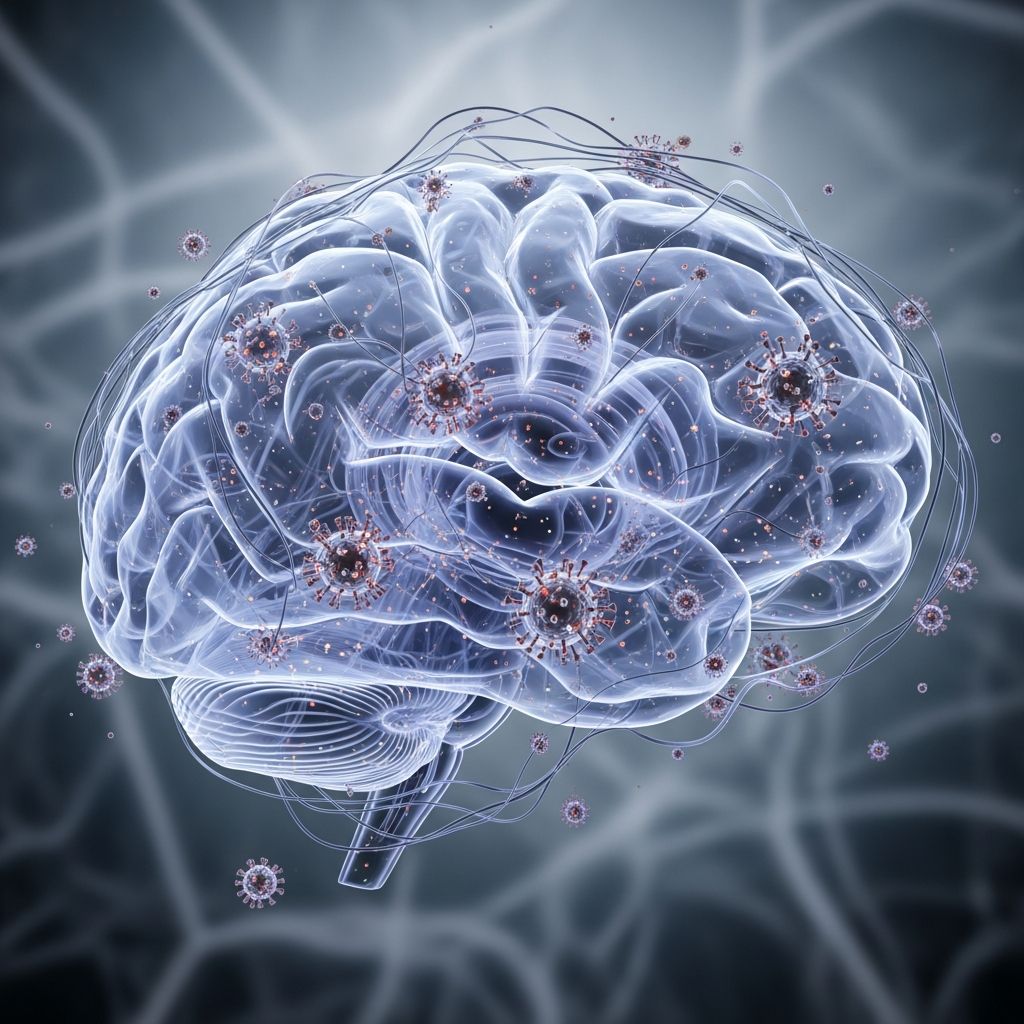
HIV-associated dementia, also known as AIDS dementia complex (ADC) or HIV-associated neurocognitive disorder (HAND), represents a significant neurological complication that can develop in people living with advanced HIV infection. This condition affects thinking, memory, movement, and behavior, potentially impacting quality of life and independence. While the widespread use of antiretroviral therapy (ART) has dramatically reduced the incidence of severe HIV-related dementia, it remains an important health concern for individuals with untreated or advanced HIV disease.
What is HIV-Associated Dementia?
HIV-associated dementia is a brain condition directly caused by the HIV virus itself, distinct from dementia caused by opportunistic infections that may occur in advanced HIV disease. The condition encompasses a spectrum of neurological and cognitive impairments, ranging from mild neurocognitive impairment to severe dementia. Not all people with HIV will develop dementia—in developed countries with access to effective treatment, approximately 4% to 15% of HIV-positive individuals experience HAND, with rates varying based on treatment access and disease stage.
The condition typically emerges during the later stages of HIV infection when the immune system is severely compromised. Historically, AIDS dementia complex was one of the earliest recognized complications of advanced HIV disease, but modern antiretroviral therapy has significantly altered its prevalence and severity.
How HIV Affects the Brain
Understanding the mechanism by which HIV causes dementia is crucial to developing effective treatments. The virus enters the central nervous system and causes widespread inflammation and damage to brain cells through multiple pathways.
Mechanisms of Brain Damage
HIV damages the brain through several interconnected mechanisms. Viral proteins expressed from infected cells can directly damage neurons, causing irreversible harm to these critical brain cells. Additionally, HIV infects inflammatory cells in the brain and spinal cord, inducing them to release harmful substances that further damage and disable nerve cells. The virus also triggers generalized inflammation throughout the brain, which contributes to cognitive decline and may accelerate aging processes.
It is important to note that HIV does not directly infect neurons—the brain cells controlling thoughts, actions, and bodily functions. Instead, the virus infects surrounding support cells and glial cells, which then cause secondary damage to neurons. Cytokines activated in the immune response within these surrounding cells contribute to neuronal damage. Autoimmune antibodies against brain tissue have also been found in people with HIV-associated dementia, appearing less frequently in those who do not develop this complication.
Symptoms and Clinical Presentation
HIV-associated dementia manifests through various cognitive, behavioral, and motor symptoms that typically develop gradually. Early symptoms are often subtle and may be overlooked, but they become progressively more apparent over time.
Cognitive Symptoms
The most characteristic symptoms involve decline in cognitive functions, including:
- Memory loss and difficulty recalling information
- Impaired reasoning and judgment
- Reduced concentration and attention span
- Difficulty with problem-solving and decision-making
- Trouble thinking clearly and organizing thoughts
- Speech difficulties and communication challenges
Behavioral and Emotional Symptoms
Beyond cognitive changes, individuals may experience significant behavioral and emotional alterations:
- Personality changes and mood disturbances
- Depression and apathy or lack of interest in activities
- Irritability and emotional instability
- Loss of motivation and initiative
- Anxiety and emotional withdrawal
Related Stories



Motor and Physical Symptoms
Motor function is frequently affected, leading to:
- Slow loss of motor skills and coordination
- Clumsiness and loss of balance
- Unsteadiness when walking and gait disturbances
- Tremors or shaky movements
- Reduced physical agility
Risk Factors and Progression
Several factors influence the likelihood of developing HIV-associated dementia and the severity of symptoms. The most significant risk factor is an extremely low CD4+ count, typically below 200 cells per microliter. AIDS dementia complex most commonly occurs when the immune system is severely compromised.
Other contributing factors include:
- Untreated or inadequately treated HIV infection
- Delayed initiation of antiretroviral therapy
- Poor adherence to HIV medications
- Substance use, particularly alcohol and drugs
- Presence of other infections or opportunistic illnesses
- Advanced age at time of HIV diagnosis
- Individual genetic and immune factors
People with HIV who use alcohol or drugs may experience more severe dementia symptoms than those who abstain. Additionally, opportunistic infections such as syphilis, cytomegalovirus, and toxoplasmosis can compound cognitive decline, as can CNS lymphoma and other malignancies that develop in severely immunocompromised individuals.
Diagnosis of HIV-Associated Dementia
Diagnosing HIV-associated dementia requires a comprehensive approach that combines clinical assessment with specialized testing. Healthcare providers evaluate symptoms through detailed history and physical examination, with particular attention to cognitive and motor changes.
Diagnostic Testing
Neuropsychological testing is the gold standard for evaluating cognitive function in people with HIV. This specialized assessment measures memory, attention, processing speed, reasoning, and other cognitive domains. Patients with nonspecific cognitive symptoms, low CD4 count, or known risk factors for HAND should be screened using these comprehensive neuropsychologic tests.
Brain imaging studies such as MRI or CT scans may be ordered to exclude other causes of cognitive impairment, including CNS infections, tumors, or neurodegenerative diseases. Laboratory testing helps identify alternative causes of cognitive decline, particularly in individuals with unexpected rapid neurologic decline despite appropriate antiretroviral treatment with high CD4 counts and low viral loads.
Treatment and Management Options
Antiretroviral therapy represents the cornerstone of both prevention and treatment for HIV-associated dementia. ART can prevent or delay the onset of cognitive impairment, and in people who have already developed dementia symptoms, it can partially or completely reduce these symptoms.
Antiretroviral Therapy
The most effective approach to managing HIV-associated dementia is continuous adherence to combination antiretroviral therapy (cART). The goal of treatment is to keep the HIV viral load undetectable, which allows the immune system to recover and prevents further damage to brain cells. When ART is initiated early in the course of HIV infection, it is most effective at preventing dementia development.
Some patients may experience an initial decline in mental status when starting antiretroviral therapy—a phenomenon that should be anticipated and appropriately managed with healthcare provider support.
Symptomatic Management
While ART addresses the underlying HIV infection, additional medications may help manage specific symptoms:
- Antidepressants: Used to treat depression and mood disturbances
- Antipsychotic medications: May help manage behavioral changes and psychotic symptoms
- Stimulant medications: Can address apathy and improve mental alertness
- Other supportive medications: Tailored to individual symptoms and needs
Lifestyle and Coping Strategies
Beyond medication, healthcare providers recommend lifestyle modifications and coping strategies that support cognitive function and quality of life:
- Cognitive rehabilitation and memory aids
- Regular physical exercise and activity
- Mental stimulation through cognitive tasks and activities
- Sleep hygiene and adequate rest
- Social engagement and meaningful relationships
- Stress reduction techniques
- Substance abuse avoidance or treatment
- Nutritional support and healthy eating
Prevention of HIV-Associated Dementia
Prevention of HIV-associated dementia is fundamentally achieved through early diagnosis of HIV infection and prompt initiation of antiretroviral therapy. The earlier ART is started after HIV diagnosis, the better the outcomes in preventing cognitive complications.
Key prevention strategies include:
- Regular HIV testing for at-risk populations
- Immediate initiation of ART upon HIV diagnosis
- Consistent adherence to prescribed antiretroviral medications
- Regular monitoring of CD4 counts and viral load
- Prevention and treatment of opportunistic infections
- Substance abuse treatment and avoidance
- Management of other health conditions
There is currently no other known method of preventing AIDS dementia complex besides effective antiretroviral therapy and maintaining an undetectable viral load.
Impact of Modern Treatment
The advent of combination antiretroviral therapy has dramatically transformed the landscape of HIV-associated dementia. The frequency of severe ADC has declined substantially since the introduction of effective ART in the mid-1990s. In populations with access to modern HIV treatment, severe dementia has become relatively uncommon.
However, milder forms of HIV-associated neurocognitive impairment continue to occur in some individuals, even with treatment. Ongoing research focuses on understanding why some people develop cognitive impairment despite antiretroviral therapy and developing additional therapeutic approaches to optimize cognitive function.
Special Considerations
Older Adults with HIV
Older people living with HIV should be particularly vigilant about cognitive changes. Healthcare providers recommend that individuals age 50 and older with HIV visit their HIV specialist or primary care physician if they develop problems with thinking, memory, or mood. The combination of HIV-related cognitive effects and age-related cognitive changes requires careful monitoring and management.
Substance Use and Cognitive Outcomes
People with HIV who use alcohol or drugs experience more severe dementia symptoms compared to those who abstain. Substance abuse treatment and counseling should be integrated into comprehensive HIV care to optimize cognitive outcomes.
Frequently Asked Questions
Q: Will everyone with HIV develop dementia?
A: No. With modern antiretroviral therapy, most people with HIV will not develop dementia. Only about 4% to 15% of people with HIV develop HAND, and this primarily occurs in those with untreated or advanced disease. Early treatment and consistent adherence to ART significantly reduces dementia risk.
Q: Can HIV dementia be cured?
A: HIV-associated dementia cannot be completely cured, as the damage to brain cells is often irreversible. However, antiretroviral therapy can halt disease progression, prevent further damage, and in many cases, partially or completely reverse cognitive symptoms, especially when started early.
Q: When does HIV dementia typically occur?
A: AIDS dementia complex typically occurs when the CD4+ count falls below 200 cells per microliter, which represents advanced HIV disease. It may be the first sign of AIDS in some individuals, though modern treatment has made this less common.
Q: How is HIV-associated dementia diagnosed?
A: Diagnosis involves clinical evaluation, neuropsychological testing to assess cognitive function, and brain imaging to exclude other causes. CD4 count and HIV viral load are also important diagnostic considerations.
Q: What is the most important treatment for HIV dementia?
A: Antiretroviral therapy (ART) is the primary treatment and prevention strategy. Maintaining an undetectable viral load through consistent ART adherence is crucial for preventing cognitive complications and managing existing dementia symptoms.
Q: Can cognitive function improve with treatment?
A: Yes. When antiretroviral therapy is initiated or optimized, many people experience improvement in cognitive function. Some individuals see partial or complete resolution of dementia symptoms, particularly if treatment is started early.
References
- Dementia Caused by HIV/AIDS: Scale, Symptoms, Treatments — WebMD Medical Reference. 2024. https://www.webmd.com/hiv-aids/dementia-hiv-infection
- HIV and Dementia — University of Rochester Medical Center. 2024. https://www.urmc.rochester.edu/encyclopedia/content?contenttypeid=134&contentid=97
- HIV-associated dementia — Dementia Australia. 2024. https://www.dementia.org.au/about-dementia/hiv-associated-dementia
- HIV-1 Encephalopathy and Aids Dementia Complex — National Center for Biotechnology Information, U.S. National Library of Medicine. 2024. https://www.ncbi.nlm.nih.gov/books/NBK507700/
- HIV and Dementia: Understanding Symptoms and Care — Ada Health Medical Knowledge Team. 2024. https://ada.com/conditions/hiv-dementia/
- HIV-associated neurocognitive disorder (HAND) — Alzheimer’s Society. 2024. https://www.alzheimers.org.uk/about-dementia/types-dementia/hiv-cognitive-impairment
- HIV and Dementia — Cedars-Sinai Health System. 2024. https://www.cedars-sinai.org/health-library/diseases-and-conditions/h/hiv-and-dementia.html
Similar Articles








Read full bio of Sneha Tete