HIV And Eye Health Risks: Essential Guide For Patients
Understand how HIV impacts vision, from common retinal issues to severe infections, and learn prevention and treatment strategies for maintaining eye health.
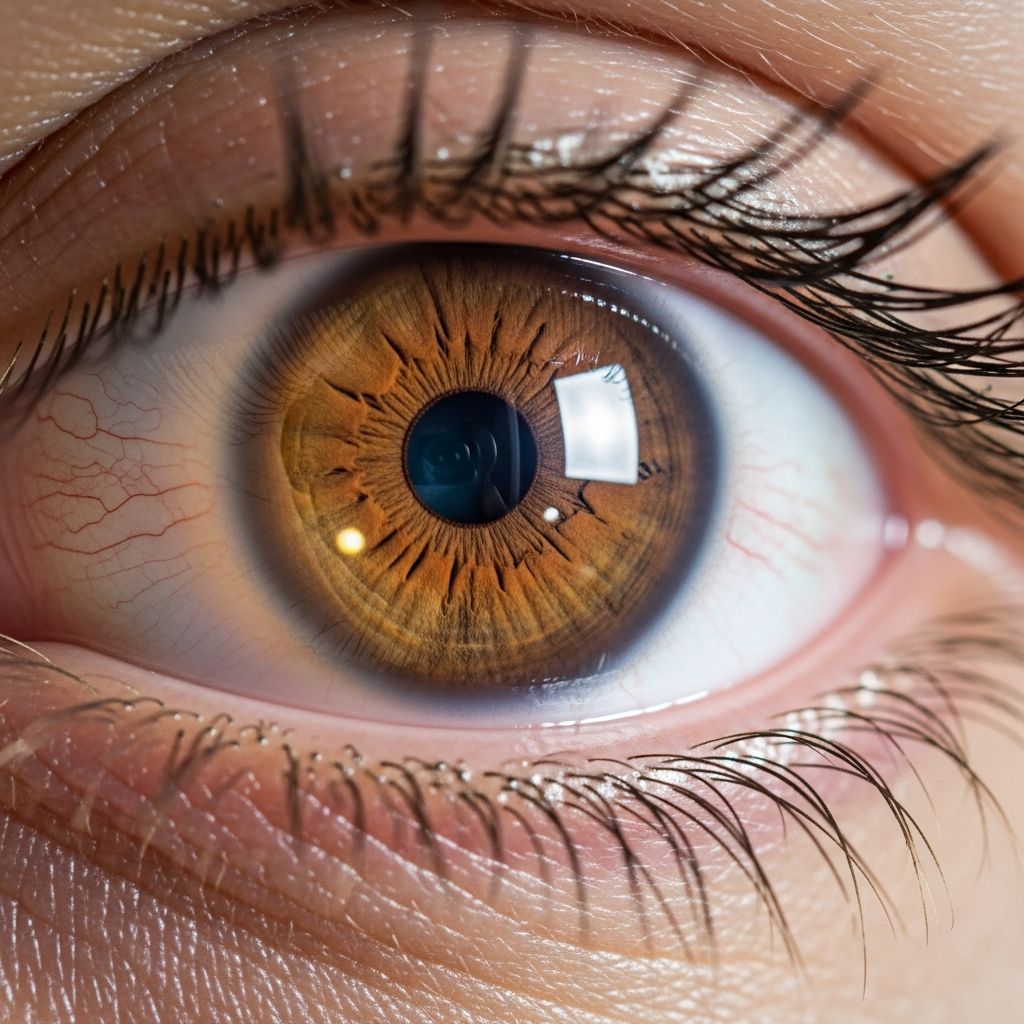
HIV infection compromises the immune system, making the eyes vulnerable to a range of conditions that can impair vision. From mild vascular changes to sight-threatening infections, understanding these risks is essential for timely intervention and preservation of eyesight.
Why HIV Poses Unique Threats to Vision
The human immunodeficiency virus (HIV) weakens the body’s defenses, allowing opportunistic infections to target ocular tissues. As CD4 counts drop, the risk of eye involvement rises dramatically, affecting up to 75% of patients with advanced disease. Early detection through routine screening can prevent irreversible damage.
Common Vascular Changes in the Retina
**HIV retinopathy** represents the most frequent ocular finding in HIV-positive individuals, characterized by subtle retinal vessel abnormalities. Cotton-wool spots, microaneurysms, and small hemorrhages appear due to immune-mediated damage, often without symptoms in early stages.13 These changes correlate with systemic HIV progression but rarely cause vision loss alone. Regular dilated exams help monitor progression.
- Cotton-wool spots: Nerve fiber layer infarcts from microvascular occlusion.
- Microaneurysms: Focal dilations in retinal capillaries.
- Intraretinal hemorrhages: Leakage from fragile vessels.
Severe Opportunistic Infections of the Retina
Cytomegalovirus Retinitis: A Leading Cause of Blindness
Cytomegalovirus (CMV) retinitis is the most notorious ocular complication in AIDS, striking when CD4 counts fall below 50 cells/μL. It begins peripherally with creamy white lesions and hemorrhages, advancing toward the macula and optic nerve if untreated. Symptoms include floaters, light flashes, scotomas, and blurred vision.236 Without intervention, retinal detachment occurs in nearly half of cases, leading to profound visual impairment.
| Stage | Characteristics | Risk of Progression |
|---|---|---|
| Early/Peripheral | Borderline retinitis with granular opacity | Low if treated promptly |
| Intermediate | Macular threat, vascular sheathing | Moderate to high |
| Advanced | Rhegmatogenous detachment, optic atrophy | High risk of legal blindness |
Herpetic Retinitis and Necrotizing Infections
Varicella-zoster virus (VZV) and herpes simplex virus (HSV) cause acute retinal necrosis (ARN), a rapidly progressing condition with multifocal yellow-white patches, occlusive vasculitis, and frequent detachments. Often linked to skin lesions, it demands immediate antiviral therapy.36 Bilateral involvement heightens urgency.
Choroidal and Inflammatory Conditions
**Toxoplasma retinochoroiditis** manifests as bilateral, multifocal yellow lesions with overlying vitritis, frequently accompanying brain involvement. Patients report floaters, pain, and reduced acuity.35 Pneumocystis jirovecii choroiditis presents as multiple yellow choroidal spots without significant inflammation.
Fungal threats like Candida and Aspergillus lead to endophthalmitis, with vitreous fluff balls and severe vision loss. Cryptococcal choroiditis may signal disseminated disease.5
Anterior Segment and Adnexal Involvement
HIV weakens barriers, enabling bacterial, viral, and fungal invasions of the front of the eye. Herpes zoster ophthalmicus causes dendritic keratitis and uveitis. Kaposi’s sarcoma appears as purple-red conjunctival or eyelid tumors.23 Ocular syphilis mimics uveitis or retinitis, affecting 2% of cases.
- Keratitis: Corneal ulcers from herpes or bacteria.
- Uveitis: Inflammation from rifabutin or cidofovir toxicity.
- Conjunctivitis: Granulomatous from TB or fungi.
Immune Reconstitution Challenges
Highly active antiretroviral therapy (HAART) restores immunity but can trigger
immune recovery uveitis (IRU)
in CMV retinitis patients. Inflammation causes macular edema, cataracts, epiretinal membranes, and vision decline in 16-63% of responders.136 Severity ties to prior retinitis extent and CD4 rebound speed. Management balances steroids and anti-inflammatories with ongoing antivirals.Related Stories



Diagnosing Ocular HIV Complications
Comprehensive exams include visual acuity, slit-lamp biomicroscopy, tonometry, and dilated funduscopy. Indirect ophthalmoscopy reveals peripheral lesions. Ancillary tests aid confirmation:
- Fluorescein angiography: Vessel leakage patterns.
- Optical coherence tomography (OCT): Macular edema quantification.
- Polymerase chain reaction (PCR): Vitreous sampling for CMV DNA.
- Fundus autofluorescence: Retinal health mapping.
CD4 count and viral load guide risk stratification.3
Treatment Strategies: From Antivirals to Surgery
Antiviral Therapies for CMV and Herpetic Infections
Intravitreal ganciclovir implants or injections slow CMV progression, paired with oral valganciclovir. Foscarnet and cidofovir address resistance, though nephrotoxicity limits use.26 VZV/HSV retinitis requires IV acyclovir or foscarnet, followed by laser demarcation.
| Agent | Dose/Route | Side Effects |
|---|---|---|
| Ganciclovir | Intravitreal 2mg/0.05mL weekly | Myelosuppression |
| Foscarnet | IV 90mg/kg daily | Nephrotoxicity, electrolytes |
| Cidofovir | IV 5mg/kg biweekly | Uveitis, renal failure |
Management of Other Infections
Toxoplasmosis responds to pyrimethamine-sulfadiazine. Intraocular fungi need vitrectomy and amphotericin B. Tuberculosis employs multi-drug regimens; syphilis, penicillin.35 Kaposi’s sarcoma benefits from radiation and HAART.
Prevention: The Role of HAART and Screening
HAART has slashed CMV incidence by 80% and retinal detachments by 60%.6 Annual dilated exams are recommended for all HIV patients, escalating to every 3-6 months if CD4 <100. Patient education on symptoms promotes early reporting.
Prognosis in the HAART Era
Modern therapies extend life, shifting focus to chronic management. While infections decline, age-related issues and IRU emerge. Vigilant care preserves vision for most.
Frequently Asked Questions (FAQs)
Can HIV cause blindness?
Yes, untreated CMV retinitis and detachments can lead to blindness, but early HAART and antivirals prevent this in most cases.
How often should HIV patients get eye exams?
All should have annual dilated exams; those with low CD4 counts need checks every 3 months.
Is CMV retinitis curable?
No cure exists, but treatments control it effectively, preserving vision long-term.
Does HAART protect eyes from HIV damage?
HAART reduces opportunistic infections dramatically but can cause immune recovery inflammation requiring monitoring.
What are early signs of eye problems in HIV?
Floaters, flashes, blind spots, blurred vision, or eye pain signal urgent evaluation.
References
- HIV Retinopathy — The Retina Institute. 2023. https://theretinainstitute.org/hiv-retinopathy
- HIV-Related Eye Problems — UCLA Health. 2024-10-15. https://www.uclahealth.org/medical-services/ophthalmology/eye-conditions/hiv-related-eye-problems
- Ocular Manifestations of HIV — NCBI Bookshelf / StatPearls. 2023-07-17. https://www.ncbi.nlm.nih.gov/books/NBK441926/
- HIV Retinopathy — MD Searchlight. 2024. https://mdsearchlight.com/infectious-disease/hiv-retinopathy/
- Ocular Diseases in HIV Infection — U.S. Pharmacist. 2022-11-20. https://www.uspharmacist.com/article/ocular-diseases-in-hiv-infection
- Ocular Involvement in HIV/AIDS — EyeWiki. 2025-01-10. https://eyewiki.org/Ocular_Involvement_in_HIV/AIDS
Similar Articles








Read full bio of medha deb