HIV Overview: 3 Stages, Symptoms, Prevention
Understand HIV: symptoms, transmission, stages, prevention, and life-saving treatments for a manageable chronic condition.
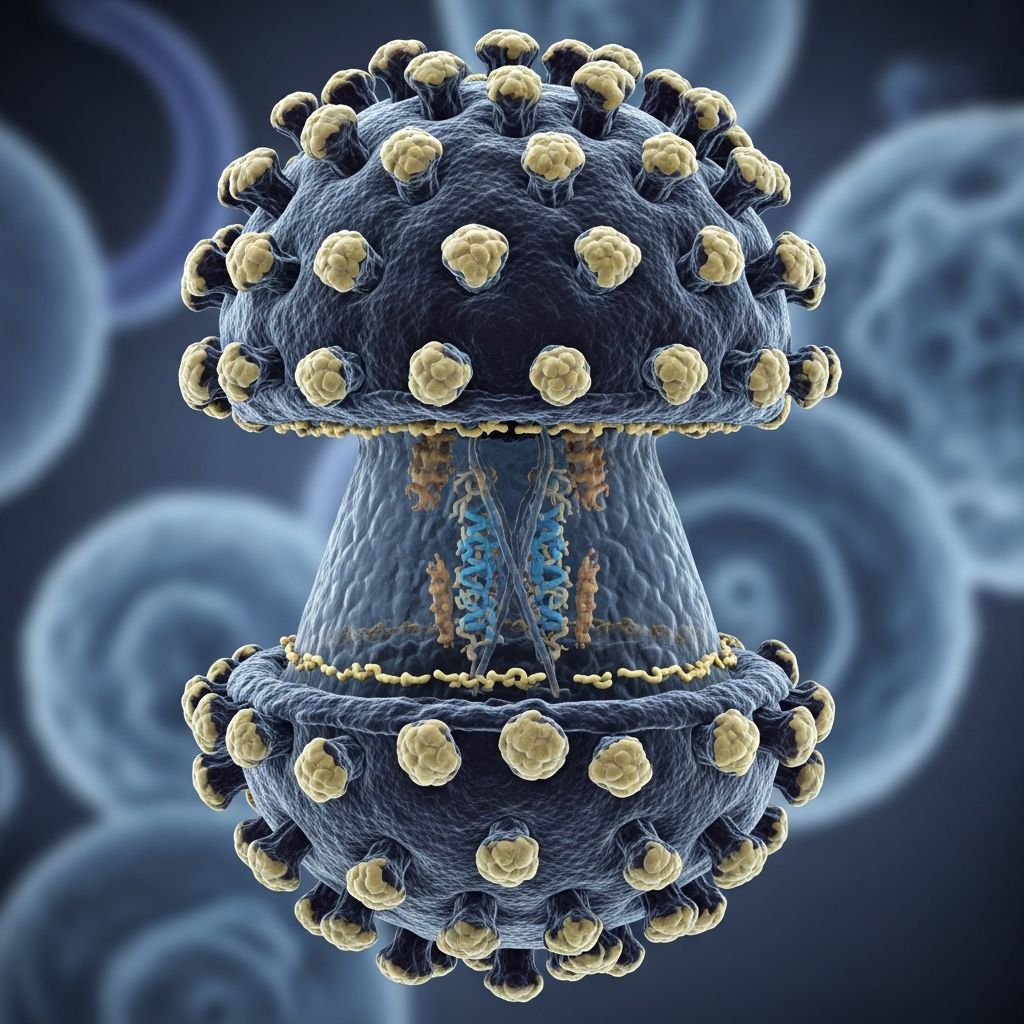
HIV (human immunodeficiency virus) attacks the body’s immune system, potentially leading to AIDS if untreated, but modern antiretroviral therapy (ART) allows people to live long, healthy lives and prevents transmission.
What Is HIV?
HIV is a virus from the Retroviridae family, specifically the Lentivirus genus, that primarily targets CD4+ T-lymphocyte helper cells, causing progressive immune suppression. Without treatment, it weakens the immune system, making the body vulnerable to infections and leading to AIDS (acquired immunodeficiency syndrome). There is no cure, but effective medical care controls the virus lifelong. HIV-1 and HIV-2 are the main types, with HIV-1 causing most global cases due to higher transmissibility.
Once infected, individuals have HIV for life, but ART reduces viral load to undetectable levels, preventing progression and transmission. Advances have transformed HIV into a manageable chronic illness, with patients preventing comorbidities through care.
Symptoms of HIV
Most people experience flu-like symptoms 2-4 weeks post-infection, lasting days to weeks, including fever, rash, sore throat, fatigue, swollen lymph nodes, muscle aches, and night sweats. These mimic other illnesses, so symptoms alone do not confirm HIV—testing is essential. Some have no symptoms initially.
In chronic stages, persistent generalized lymphadenopathy (enlarged nodes in at least two noncontiguous sites for 3-6 months) or nonspecific fatigue may occur. In AIDS, opportunistic infections arise due to severe immunosuppression.
How HIV Spreads
HIV transmits via specific body fluids—blood, semen, pre-seminal fluid, rectal fluids, vaginal fluids, and breast milk—contacting mucous membranes, damaged tissue, or entering the bloodstream directly (e.g., needle sharing). Common routes include anal or vaginal sex and sharing needles/syringes.
- Sexual contact: Anal sex highest risk, followed by vaginal; factors like high viral load, STIs, or substance use increase transmission.
- Drug injection: Sharing equipment.
- Mother-to-child: During pregnancy, birth, or breastfeeding (preventable with treatment).
- Rare: Blood transfusions (screened in developed countries).
HIV does not spread through saliva, sweat, tears, casual contact, air, water, or insects. Globally, sexual contact dominates, with heterosexual transmission prevalent in Africa and men-who-have-sex-with-men in other regions.
HIV Prevention
Multiple tools prevent HIV effectively:
- Condoms: Use correctly every time for sex.
- PrEP (pre-exposure prophylaxis): Daily pill for high-risk uninfected individuals.
- PEP (post-exposure prophylaxis): 28-day course within 72 hours of exposure.
- No needle sharing: Use clean equipment or needle exchanges.
- For people with HIV: ART to achieve undetectable viral load (U=U: Undetectable = Untransmittable).
Treatment during pregnancy prevents mother-to-child transmission. Viral load, STIs, and substance use heighten risks, but prevention strategies mitigate them.
HIV Testing
The only way to know if you have HIV is testing, as symptoms are unreliable. Tests detect antibodies, antigens, or RNA; results in 30 minutes or days. Recommended for ages 13-64 at least once, plus high-risk groups annually. Early detection enables immediate ART, improving outcomes. Home tests and confidential clinics available.
Treatment for HIV
Antiretroviral therapy (ART) is lifelong daily medication starting as soon as possible post-diagnosis. It lowers viral load to undetectable, preventing AIDS, transmission via sex, and reducing risks in other scenarios like injection or pregnancy.
ART regimens combine drugs targeting viral lifecycle stages; adherence is key. Monitoring includes CD4 counts and viral load tests. With treatment, people live as long as uninfected peers and avoid progression.
Related Stories



Stages of HIV
Untreated HIV progresses in three stages, but ART halts this.
Stage 1: Acute HIV Infection
Within 2-4 weeks: High viral load, very contagious; 90% have flu-like symptoms (fever most common, then rash, etc.). Test if exposed and symptomatic.
Stage 2: Chronic HIV Infection (Clinical Latency)
Can last a decade+ without symptoms or mild ones; HIV replicates slowly. With ART, no progression to Stage 3; without, viral load rises, leading to AIDS.
Stage 3: AIDS
CD4 count <200 cells/mm³ or opportunistic infections. High viral load, easy transmission; survival ~3 years untreated. ART reverses damage if started early.
| Stage | Timeline | Key Features | Treatment Impact |
|---|---|---|---|
| Acute | 2-4 weeks | High viral load, flu symptoms | ART prevents progression |
| Chronic | Years | Asymptomatic or mild | ART maintains health |
| AIDS | Advanced untreated | Low CD4, infections | ART restores immunity |
Living with HIV
With ART, viral suppression enables normal lifespan, sexual relationships without transmission (U=U), and healthy pregnancies. Regular care manages comorbidities like heart disease or cancer risks heightened by HIV. Stigma persists, but education reduces it; disclose to partners/providers.
Healthy lifestyle—exercise, diet, no smoking—supports immunity. Mental health support addresses diagnosis impact.
HIV Statistics
By 2022, HIV claimed ~40.4 million lives globally; ART controls the pandemic. In the US, ~1.2 million live with HIV; testing/treatment gaps exist.
Frequently Asked Questions (FAQs)
What are the first signs of HIV?
Flu-like symptoms (fever, rash, fatigue) 2-4 weeks after infection, but testing confirms.
Can HIV be cured?
No cure, but ART controls it lifelong, making viral load undetectable.
How soon after exposure should I test for HIV?
Test 10-33 days for antigen/antibody; repeat at 3 months. PEP if recent exposure.
Does undetectable HIV mean I’m cured?
No, but U=U means no sexual transmission.
Can I get HIV from kissing or hugging?
No, only specific fluids via risky routes.
Is PrEP effective for HIV prevention?
Yes, >99% effective when taken as prescribed.
References
- About HIV — Centers for Disease Control and Prevention (CDC). 2023. https://www.cdc.gov/hiv/about/index.html
- HIV and AIDS – StatPearls — National Center for Biotechnology Information (NCBI), National Institutes of Health (NIH). 2023. https://www.ncbi.nlm.nih.gov/books/NBK534860/
Similar Articles








Read full bio of medha deb