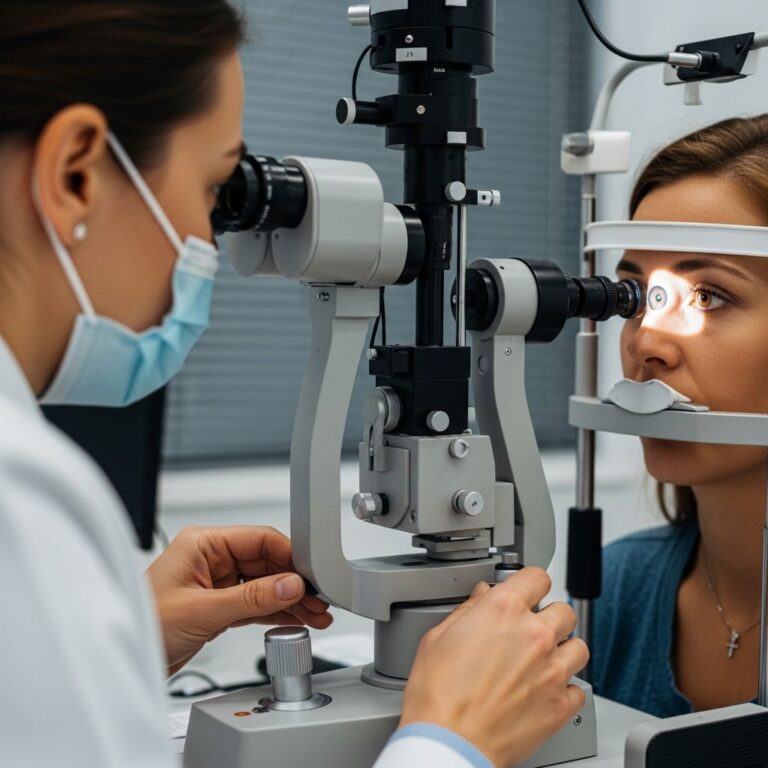
HIV And Vision: Essential Guide To Protecting Your Eyes
Discover how HIV impacts eye health, common complications, symptoms to watch for, and proven strategies to safeguard vision in the modern era of treatment.
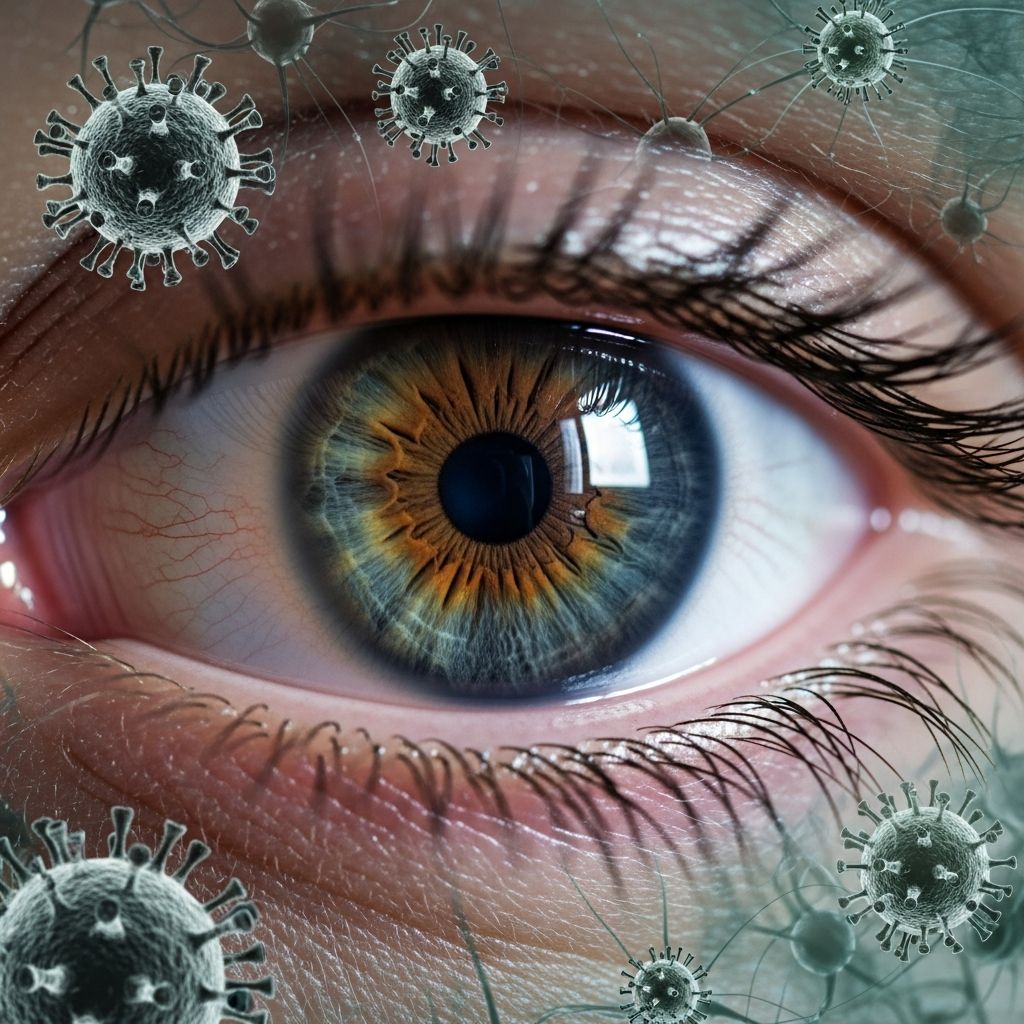
The human immunodeficiency virus (HIV) profoundly influences the body’s defense mechanisms, creating vulnerabilities that extend to ocular health. As immune function declines, particularly in advanced stages leading to acquired immunodeficiency syndrome (AIDS), the eyes become susceptible to a range of infections, inflammations, and vascular issues. This comprehensive guide delves into the mechanisms by which HIV affects vision, outlines prevalent eye conditions, details recognizable symptoms, explores contemporary treatment paradigms, and emphasizes proactive prevention measures. With advances in antiretroviral therapy (ART), many of these threats are now manageable, allowing individuals to preserve sight and quality of life.
Understanding the Immune-Eye Connection in HIV
HIV targets CD4+ T cells, critical components of the immune system. When counts drop below 200 cells per microliter, opportunistic infections thrive, including those targeting ocular tissues. The retina, cornea, uvea, and optic nerve are prime sites, as these areas rely on robust immunity to fend off pathogens. Unlike healthy individuals, those with HIV face heightened risks of microbial invasions that can scar tissues or disrupt blood flow, culminating in partial or complete vision impairment.
Historical data showed up to 50-75% of AIDS patients experiencing ocular involvement pre-ART era. Today, widespread ART adoption has slashed incidence rates dramatically, yet vigilance remains essential, especially for non-adherent patients or those with comorbidities.
Primary Ocular Threats Linked to HIV
Several distinct conditions emerge in HIV-positive individuals, varying by disease progression and viral load control. These span vascular anomalies to aggressive infections, each demanding tailored interventions.
Retinal Microvasculopathy: The Silent Harbinger
HIV retinopathy, or microvasculopathy, stands as the most frequent ocular manifestation, affecting up to 50% of untreated cases. It features cotton-wool spots (nerve fiber layer infarcts), microaneurysms, and intraretinal hemorrhages due to endothelial damage by the virus. Often asymptomatic initially, it signals systemic immune compromise and foreshadows graver issues like cytomegalovirus (CMV) retinitis.
- Cotton-wool spots: Fluffy white patches from blocked arterioles.
- Hemorrhages: Dot or flame-shaped bleeds in retinal layers.
- Microangiopathy: Tortuous vessels mimicking diabetic changes.
While rarely vision-threatening alone, its presence warrants immediate ART optimization.
Cytomegalovirus Retinitis: The Vision Thief
CMV retinitis emerges when CD4 counts fall below 50, striking 20-40% of advanced AIDS cases sans prophylaxis. This herpesvirus ignites necrotizing inflammation, starting peripherally with ‘pizza pie’ retinopathy—hemorrhages, exudates, and retinal whitening. Progression invades the macula or optic nerve, yielding floaters, scotomas, and swift blindness if unchecked.
Complications include rhegmatogenous retinal detachment (up to 50% risk) and immune recovery uveitis (IRU) post-ART initiation, marked by vitritis and macular edema.
Other Opportunistic Invaders
Beyond CMV, HIV eyes grapple with:
- Pneumocystis jirovecii choroiditis: Yellow-white choroidal lesions, rare but blinding without trimethoprim-sulfamethoxazole prophylaxis.
- Toxoplasma retinochoroiditis: Focal necrotizing retinitis, often bilateral, treated with pyrimethamine and sulfadiazine.
- Herpes zoster ophthalmicus (HZO): Vesicular lid eruptions escalating to stromal keratitis or retinitis; acyclovir-resistant strains demand foscarnet.
- Kaposi’s sarcoma: Vascular tumors on conjunctiva or eyelids, managed via excision or radiation.
- Orbital cellulitis or blepharitis: Bacterial or fungal overgrowths causing pain and proptosis.
Molluscum contagiosum and candidal endophthalmitis add to the roster, underscoring comprehensive screening.
Recognizing Warning Signs Early
Timely detection hinges on symptom awareness. Many manifestations lurk asymptomatically until advanced, but cues include:
Related Stories



| Symptom | Associated Condition | Urgency |
|---|---|---|
| Floaters or flashes | CMV retinitis, retinal tears | High – seek immediate care |
| Blurred vision or blind spots | Macular involvement, IRU | High |
| Eye pain, redness, photophobia | HZO, uveitis, infections | Moderate to high |
| Decreased peripheral vision | Peripheral retinitis, detachment | High |
| Lid lesions or growths | Kaposi’s, molluscum | Moderate |
| Diplopia or restricted motility | Orbital infection, cranial nerve palsy | High |
Annual dilated exams are baseline; more frequent for CD4 <200. Self-monitoring bridges gaps between visits.
Modern Treatment Landscape
ART forms the cornerstone, restoring CD4 counts and curbing opportunistic onslaughts. Highly active antiretroviral therapy (HAART) reduces CMV incidence by over 80%.
Targeted Therapies for Specific Conditions
- CMV Retinitis: Oral valganciclovir (900mg BID induction, 900mg daily maintenance); intravitreal ganciclovir (2mg/0.05ml weekly); IV foscarnet or cidofovir for resistance. Laser barricade for tears; vitrectomy/silicone oil for detachments.
- IRU: Periocular steroids, immunosuppressants; cataract surgery if opacified.
- HZO: IV acyclovir (10mg/kg q8h), transitioning to valacyclovir; intravitreal foscarnet for retinitis.
- KS: Intralesional chemotherapy, cryotherapy, or external beam radiation.
- Supportive Care: Topical lubricants for dry eyes; antibiotics for blepharitis.
Drug toxicities merit note: cidofovir induces uveitis; rifabutin, hypotony.
Prevention: Your Best Defense
Prophylaxis trumps reaction. Guidelines recommend:
- Strict ART adherence to maintain CD4 >200.
- Prophylactic antimicrobials: TMP-SMX for PCP/Toxo; azithromycin for MAC.
- CMV surveillance via PCR in high-risk patients.
- Yearly comprehensive ophthalmology visits, escalating with low CD4.
- Lifestyle: Safe sex, needle exchange to curb transmission; smoking cessation to bolster vascular health.
Post-ART immune reconstitution demands monitoring for IRU.
Frequently Asked Questions (FAQs)
Can HIV cause blindness?
Untreated, yes—CMV retinitis blinded many pre-ART. Now, with therapy, blindness risk plummets.
Is eye damage from HIV reversible?
Some, like early retinopathy, stabilize with ART. Scarring from retinitis or detachments often persists, but function can improve.
How often should HIV patients get eye exams?
At least annually; every 3-6 months if CD4 <200 or retinitis history.
Does ART fully protect eyes?
It vastly reduces risks but doesn’t eliminate them; vigilant care essential.
Are eye issues a sign of AIDS progression?
Often, yes—low CD4 heralds complications. Prompt evaluation key.
Long-Term Outlook and Living Well
The trajectory for HIV ocular health has transformed. ART longevity means chronic management over crisis response. Multidisciplinary teams—HIV specialists, ophthalmologists—optimize outcomes. Patient education empowers self-advocacy, ensuring symptoms trigger action. Research frontiers, including long-acting antivirals and gene therapies, promise further gains. Ultimately, informed vigilance turns potential tragedy into manageable reality, preserving the gift of sight.
References
- Common Ocular Complications of AIDS — Retina Associates. 2023-05-15. https://www.kcretina.com/blog/common-ocular-complications-of-aids
- HIV-Related Eye Problems — UCLA Health Ophthalmology. 2024-02-10. https://www.uclahealth.org/medical-services/ophthalmology/eye-conditions/hiv-related-eye-problems
- How HIV Affects the Eyes: Causes, Symptoms & Treatment — NVISION Centers. 2023-11-20. https://www.nvisioncenters.com/conditions/hiv-affects-the-eyes/
- HIV Retinopathy: Symptoms, Causes, Treatment — Healthline. 2024-01-08. https://www.healthline.com/health/hiv-retinopathy
- Ocular Involvement in HIV/AIDS — EyeWiki (AAO). 2025-09-12. https://eyewiki.org/Ocular_Involvement_in_HIV/AIDS
- Eye problems and HIV — Aidsmap. 2024-07-22. https://www.aidsmap.com/about-hiv/eye-problems-and-hiv
- Ocular Manifestations of HIV — NCBI StatPearls. 2025-03-05. https://www.ncbi.nlm.nih.gov/books/NBK441926/
Similar Articles








Read full bio of medha deb