Hives Causes: 4 Common Triggers, Symptoms, And Treatment
Uncover the diverse triggers behind hives, from allergies to infections and stress, and learn how to identify and manage them effectively.
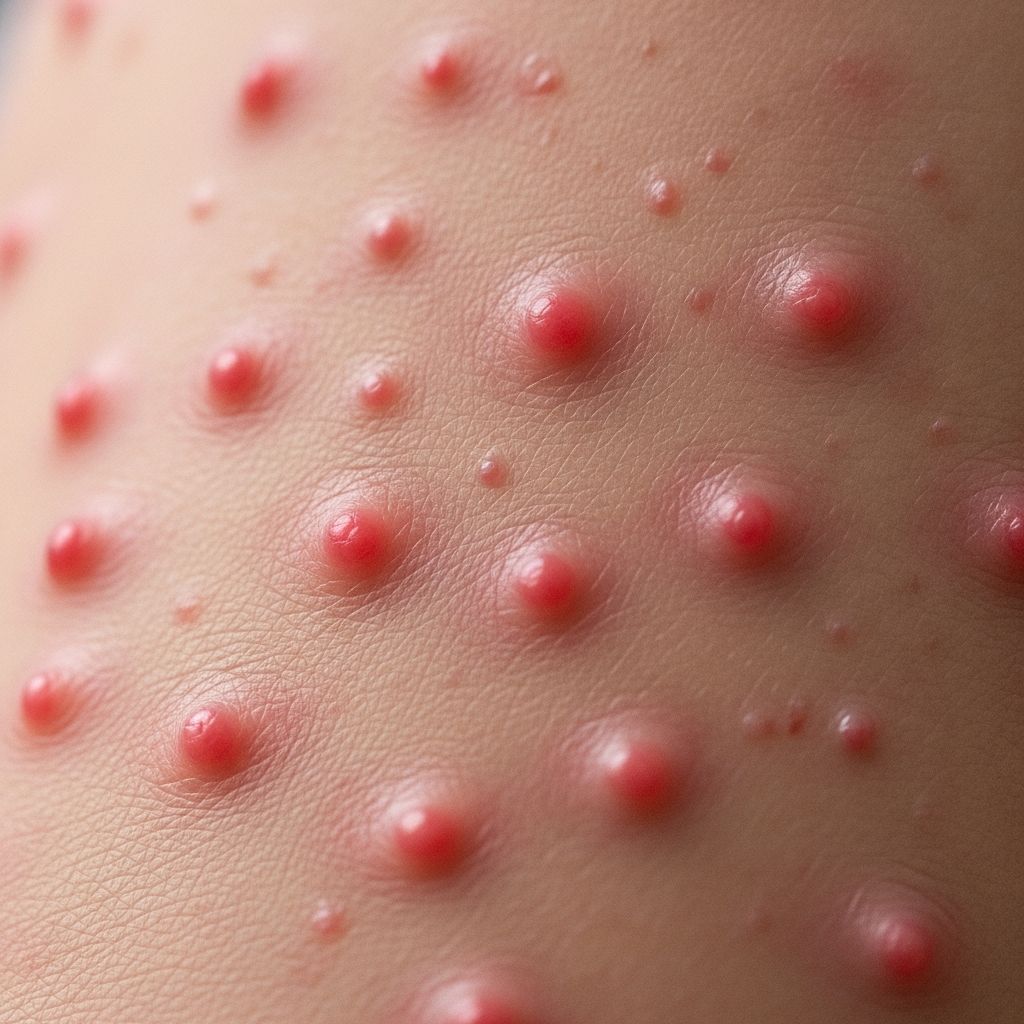
Hives, medically known as urticaria, are raised, itchy welts on the skin that can appear suddenly and disappear just as quickly. Affecting up to 20% of people at some point in their lives, hives represent the body’s immune response gone haywire, often releasing histamine that causes swelling and irritation. While they typically resolve within hours or days, chronic hives lasting over six weeks can significantly impact quality of life. Understanding the root causes is crucial for prevention and treatment.
This article delves into the myriad triggers of hives, drawing from established medical knowledge. Whether triggered by allergens, infections, physical stimuli, or even stress, identifying your specific cause can lead to better management. We’ll cover common and rare causes, symptoms, diagnosis, and when to seek medical help.
What Are Hives?
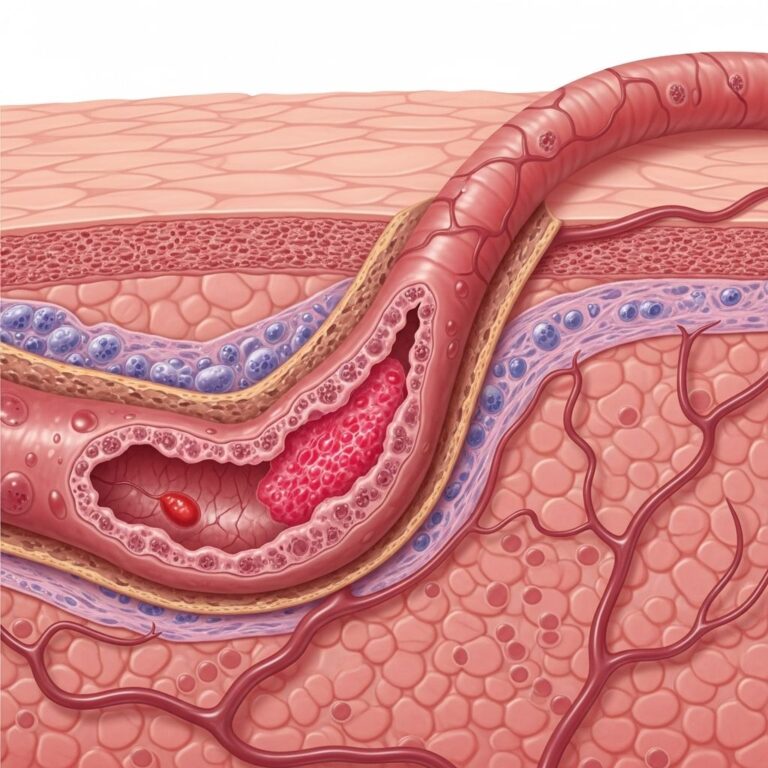
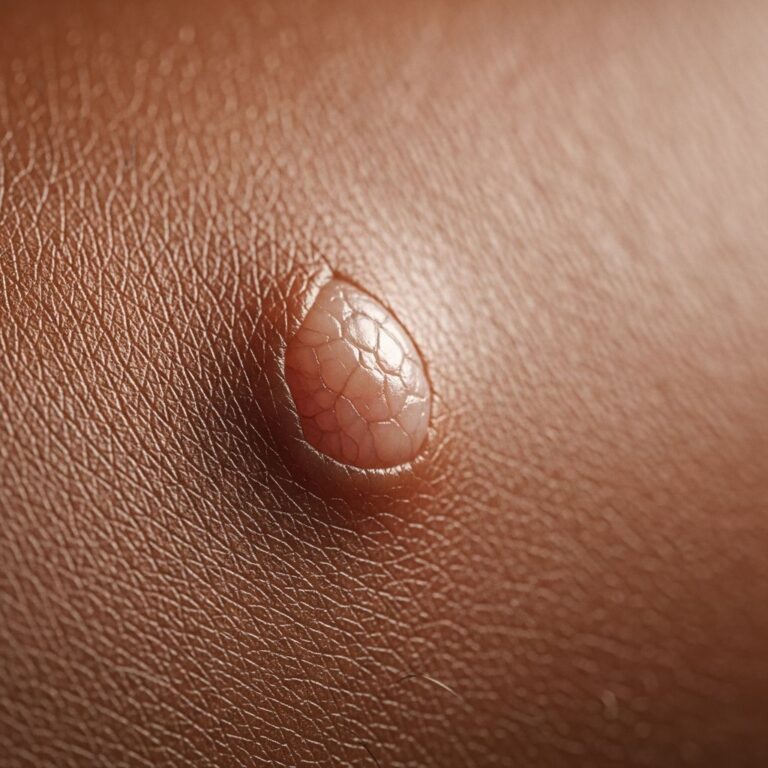
Hives manifest as red or skin-colored welts that itch intensely and can vary in size from pinpoint to covering large areas. They often appear in clusters and can migrate across the body. Acute hives last less than six weeks, while chronic hives persist longer, sometimes indefinitely. The condition stems from mast cells in the skin releasing histamine and other chemicals in response to a trigger.
According to the American Academy of Allergy, Asthma & Immunology (AAAAI), hives affect people of all ages, with children experiencing them more frequently due to viral infections.1 Swelling can extend beneath the skin, causing angioedema, which is more serious if it affects the face, lips, or throat.
Symptoms of Hives
- Intense itching or burning sensation
- Raised, red or white welts (wheals) that blanch under pressure
- Welts that change shape, size, or location within minutes to hours
- Swelling around eyes, lips, hands, or feet (angioedema)
- Accompanying symptoms like fever, joint pain, or abdominal discomfort in severe cases
Symptoms often worsen at night or with heat, pressure, or scratching. If hives are accompanied by difficulty breathing, dizziness, or widespread swelling, seek emergency care immediately, as this may indicate anaphylaxis.
Common Causes of Hives
Hives are broadly categorized into allergic, non-allergic, and idiopathic (unknown) causes. Here’s a breakdown of the most frequent triggers:
1. Allergic Reactions
The most common cause, allergic hives occur when the immune system overreacts to harmless substances. Common allergens include:
- Foods: Shellfish, nuts, eggs, milk, wheat, soy, and food additives like sulfites or MSG. Symptoms appear within minutes to hours of ingestion.
- Medications: Antibiotics (penicillin, sulfa drugs), NSAIDs (ibuprofen, aspirin), opioids, and ACE inhibitors.
- Insect stings: Bees, wasps, or fire ants can trigger immediate hives.
- Pollen, pet dander, dust mites: Inhalant allergens often cause hives alongside respiratory symptoms.
A 2023 study in the Journal of Allergy and Clinical Immunology found that food allergies account for 10-20% of acute hives cases in adults.2
Related Stories



2. Infections
Viral infections like the common cold, hepatitis, or Epstein-Barr virus are leading causes, especially in children. Bacterial infections (strep throat, urinary tract infections) and parasitic infections (e.g., giardia) can also provoke hives. These typically resolve once the infection clears.
3. Physical Triggers (Physical Urticaria)
Physical stimuli directly stimulate mast cells without involving allergies:
- Dermographism: Scratching or pressure on skin causes welts (affects 2-5% of people).
- Cold urticaria: Exposure to cold air, water, or ice.
- Cholinergic urticaria: Heat, exercise, or hot showers.
- Solar urticaria: Sunlight exposure.
- Vibratory urticaria: Vibration from jogging or tools.
These forms are diagnosed via provocation tests, like ice cube challenges for cold urticaria.
4. Stress and Emotional Factors
Chronic stress can exacerbate or even trigger hives by increasing histamine release. A National Institutes of Health (NIH) review notes that up to 50% of chronic urticaria patients report stress as a worsening factor.3 Techniques like mindfulness and therapy can help mitigate this.
Rare and Serious Causes of Hives
While most hives are benign, some signal underlying conditions:
- Autoimmune disorders: Lupus, rheumatoid arthritis, or thyroid disease (e.g., Hashimoto’s). In chronic spontaneous urticaria, autoantibodies attack mast cells.
- Cancers: Rarely, hives precede blood cancers like lymphoma or leukemia.
- Hereditary angioedema: Genetic deficiency of C1 inhibitor causes recurrent swelling without itching.
- Mastocytosis: Excess mast cells in tissues lead to persistent hives and flushing.
- Contact urticaria: Direct skin contact with latex, plants, or chemicals.
Persistent hives warrant blood tests for thyroid function, autoimmune markers, and infection screening.
Idiopathic Hives: When the Cause Is Unknown
In 30-50% of chronic cases, no trigger is identified, termed chronic idiopathic urticaria (now called chronic spontaneous urticaria). It may involve subtle immune dysregulation. Management focuses on symptom control rather than cure.
Diagnosis: How Doctors Identify Hives Causes
Diagnosis starts with a detailed history: timing, triggers, family history, and associated symptoms. Tests may include:
| Test | Purpose |
|---|---|
| Skin prick testing | Identifies IgE-mediated allergies |
| Blood tests (CBC, ESR, thyroid function) | Rules out infection, inflammation, autoimmunity |
| Provocation tests | Confirms physical urticaria |
| Skin biopsy | Rarely, for vasculitis or mastocytosis |
Allergy specialists use guidelines from the European Academy of Allergy and Clinical Immunology for systematic evaluation.4
Treatment and Prevention Strategies
Acute hives: Antihistamines (loratadine, cetirizine) provide quick relief. Avoid triggers.
Chronic hives: Second-generation antihistamines, omalizumab injections, or cyclosporine for refractory cases.
- Keep a symptom diary to track triggers.
- Use cool compresses, oatmeal baths, and loose clothing.
- Avoid known allergens; consider elimination diets under supervision.
- Stress management: yoga, meditation.
When to See a Doctor
- Hives last >24-48 hours or recur frequently.
- Accompanied by swelling of lips/tongue, breathing issues, or vomiting.
- Don’t respond to OTC antihistamines.
- Associated with fever, joint pain, or fatigue (may indicate systemic disease).
Frequently Asked Questions (FAQs)
What foods commonly cause hives?
Shellfish, peanuts, tree nuts, eggs, and dairy are top culprits. Always read labels for hidden allergens.
Can stress alone cause hives?
Yes, stress can trigger or worsen hives by prompting histamine release from mast cells.
Are hives contagious?
No, hives are not contagious; they result from internal immune responses.
How long do hives typically last?
Individual welts fade in 24 hours, but new ones may appear. Acute episodes resolve in days to weeks.
Can hives be a sign of cancer?
Rarely; persistent hives with other symptoms like weight loss warrant medical evaluation.
References
- Urticaria (Hives) — American Academy of Allergy, Asthma & Immunology. 2024-05-15. https://www.aaaai.org/conditions-treatments/allergies/hives-urticaria
- Acute and chronic urticaria: evaluation and treatment — UpToDate (Wolters Kluwer). 2025-01-10. https://www.uptodate.com/contents/acute-and-chronic-urticaria-evaluation-and-treatment
- Urticaria — National Institute of Allergy and Infectious Diseases (NIAID/NIH). 2023-11-20. https://www.niaid.nih.gov/diseases-conditions/urticaria
- The EAACI/GA²LEN/EDF/WAO guideline for the definition, classification, diagnosis and management of urticaria — Allergy Journal (Wiley). 2022-07-01. https://doi.org/10.1111/all.15090
- Hives (Urticaria) — Mayo Clinic. 2025-03-05. https://www.mayoclinic.org/diseases-conditions/hives-and-angioedema/symptoms-causes/syc-20354908
Similar Articles








Read full bio of medha deb