Hives: 4 Types, Causes, And Risk Factors
Understand the triggers, risk factors, and management strategies for hives (urticaria) to regain control over itchy, uncomfortable outbreaks.
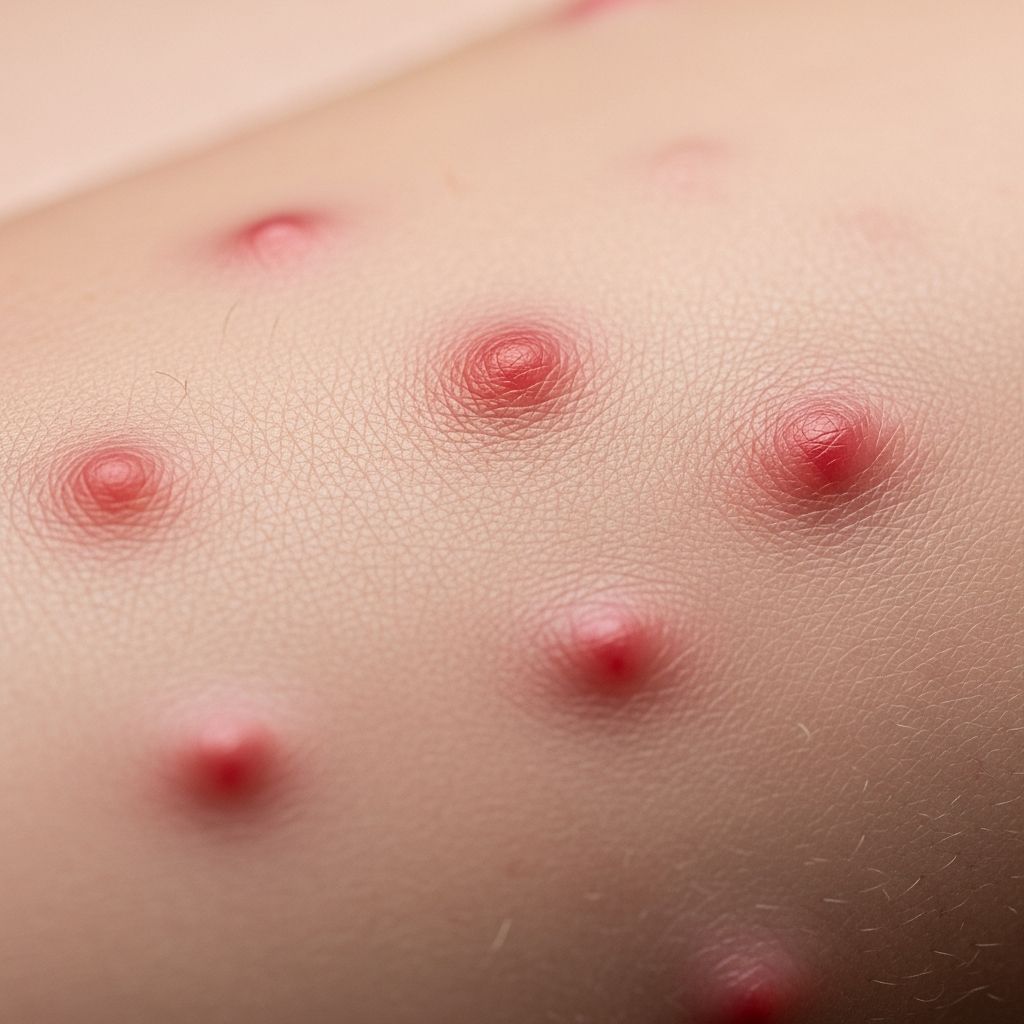
Hives, medically known as urticaria, are raised, itchy welts on the skin that can appear suddenly and vary in size and shape. They result from the release of histamine and other chemicals from mast cells in the skin, often triggered by allergic reactions, physical stimuli, or underlying medical conditions. While acute hives typically resolve within hours to days, chronic hives persist beyond six weeks and may recur for months or years.
What Are Hives?
Hives present as batches of welts, or weals, that can emerge anywhere on the body. These welts may appear red, purple, or skin-colored depending on skin tone, change shape, and fade within 24 hours, only for new ones to form. Intense itching (pruritus) is the hallmark symptom, sometimes accompanied by painful swelling called angioedema around the eyes, cheeks, or lips. Flares can be provoked by heat, exercise, or stress, disrupting sleep and daily life.
In Arizona and similar sunny regions, environmental factors exacerbate outbreaks due to year-round pollen and allergens. Hives are not contagious but can signal serious issues if part of anaphylaxis, involving dizziness, breathing difficulties, or throat swelling—requiring emergency care.
Types of Hives
Hives are classified by duration: acute (less than six weeks) and chronic (over six weeks). Acute cases often stem from identifiable allergies, while chronic hives are frequently idiopathic, with no clear cause despite extensive testing. Chronic spontaneous urticaria affects about 1% of the population, more commonly women aged 20-40.
- Acute urticaria: Short-term, often allergy-driven, resolving quickly.
- Chronic urticaria: Recurrent, potentially linked to autoimmune issues or hidden triggers.
- Physical urticaria: Triggered by pressure, cold, heat, or vibration.
- Angioedema: Deeper swelling, sometimes without hives.
Common Causes of Hives
The primary mechanism involves mast cell degranulation, releasing histamine into the bloodstream, causing fluid leakage into skin tissues and forming welts. Triggers fall into allergic, physical, infectious, and idiopathic categories.
Allergic Reactions
Over 50% of acute hives cases arise from allergies to foods, medications, or environmental factors. Common culprits include:
- Foods: Fresh fruits/vegetables (via food-pollen syndrome, where cooking mitigates risk), milk, eggs, peanuts, tree nuts, fish, shellfish, wheat, soy.
- Medications: NSAIDs like aspirin/ibuprofen, antibiotics (penicillin), or aspirin.
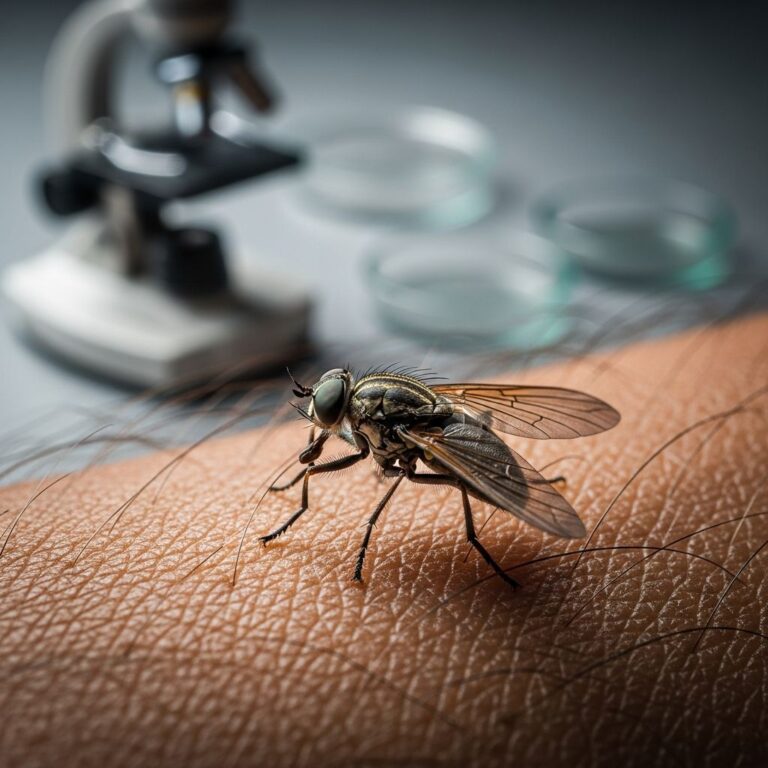
- Insect stings/bites: From bees, wasps, or mosquitoes.
These provoke IgE-mediated responses, leading to rapid hive onset, potentially escalating to anaphylaxis.
Infections
Viral infections (e.g., common cold, hepatitis, Epstein-Barr), bacterial (strep throat, urinary tract), and parasitic infections frequently trigger hives, especially in children. The immune response to pathogens releases hive-inducing chemicals.
Physical Triggers
Non-allergic physical stimuli account for inducible urticaria:
| Trigger | Description | Examples |
|---|---|---|
| Cold | Cold urticaria from ice or cold water | Swimming in cold pools |
| Heat | Cholinergic urticaria from hot showers/exercise | Saunas, spicy foods |
| Pressure | Dermographism from scratching/tight clothes | Belts, waistbands |
| Sunlight | Photosensitivity reactions | UV exposure |
| Vibration | From jogging or machinery | Lawn mowers |
Pollution, dust, and dry mold also play roles in allergy-prone areas.
Related Stories



Uncommon Causes and Underlying Conditions
While most hives are benign, some link to systemic issues. Chronic hives may associate with:
- Thyroid disease (autoimmune like Hashimoto’s)
- Cancers (rare, e.g., lymphoma)
- Autoimmune disorders
- Vasculitis (blood vessel inflammation)
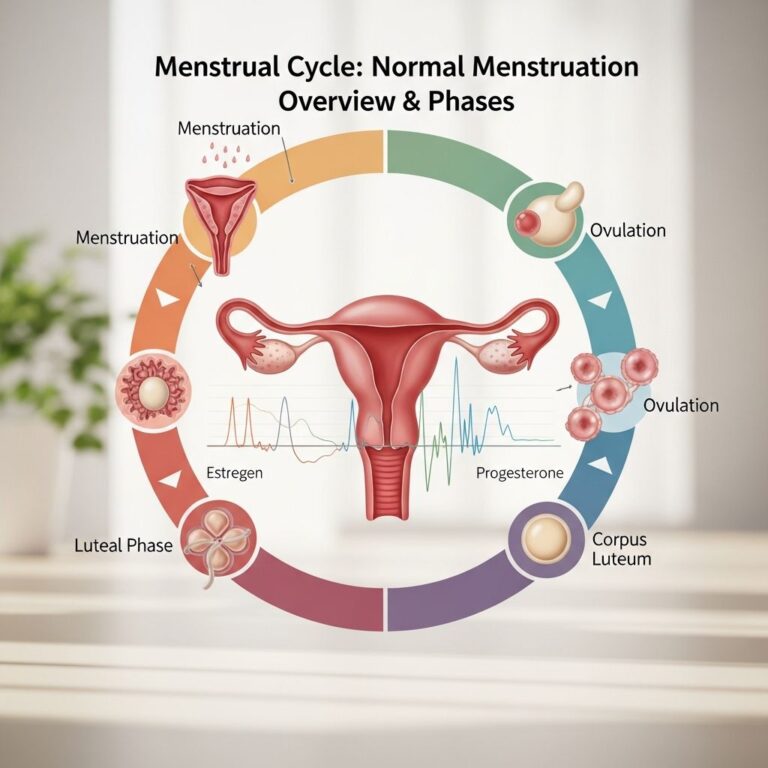
- Hormonal changes (e.g., menstruation)
Idiopathic cases, where no trigger is found, comprise up to 50% of chronic urticaria.
Risk Factors for Hives
Certain profiles heighten susceptibility:
- Age/Gender: Chronic hives favor women 20-40; acute affects all ages.
- Atopy: History of allergies/asthma increases odds.
- Medical Conditions: Infections, thyroid issues, vasculitis elevate risk.
- Environment: High-pollen areas like Arizona amplify exposure.
- Genetics: Family history of atopy predisposes individuals.
Stress exacerbates flares by influencing immune responses.
When to See a Doctor
Consult a professional for hives lasting over a few days, covering large areas, or with angioedema. Seek emergency care for anaphylaxis signs: throat swelling, breathing issues, dizziness. Testing (blood/skin prick) identifies allergens; chronic cases may need specialists.
Treatment and Management
Antihistamines (loratadine, cetirizine) are first-line for symptom relief; avoid triggers. Severe/chronic cases use H2 blockers, omalizumab, or corticosteroids. Epinephrine auto-injectors for anaphylaxis risk.
- Cool compresses soothe itching.
- Oatmeal baths calm skin.
- Avoid hot showers/scratching.
Prevention Tips
Minimize outbreaks by:
- Identifying/avoiding triggers via allergy testing.
- Showering post-pollen/animal exposure.
- Wearing loose clothing.
- Using sunscreen for photosensitivity.
- Managing stress with relaxation techniques.
Frequently Asked Questions (FAQs)
What causes hives most commonly?
Allergic reactions to foods, medications, or insects top the list, alongside infections and physical stimuli like heat or pressure.
Are hives dangerous?
Usually not, but those with angioedema or anaphylaxis symptoms require urgent care.
How long do hives last?
Individual welts fade in <24 hours; acute episodes resolve in days, chronic recur over weeks/months.
Can stress cause hives?
Yes, stress triggers flares in chronic cases by altering immune chemical release.
Do hives always indicate allergies?
No, up to 50% of chronic hives are idiopathic; physical and infectious causes are common too.
References
- Hives – Common Causes & More — HonorHealth. Accessed 2026. https://www.honorhealth.com/healthy-living/itchy-scratchy-burning-hives-can-be-simply-annoying-or-even-life-threatening
- Chronic hives – Symptoms and causes — Mayo Clinic Staff. 2024-10-01. https://www.mayoclinic.org/diseases-conditions/chronic-hives/symptoms-causes/syc-20352719
Similar Articles








Read full bio of Sneha Tete