Hives Causes: Expert Guide To Triggers, Symptoms, Treatments
Uncover the many triggers behind hives, from allergies to infections, and learn how to identify and manage this itchy skin condition effectively.
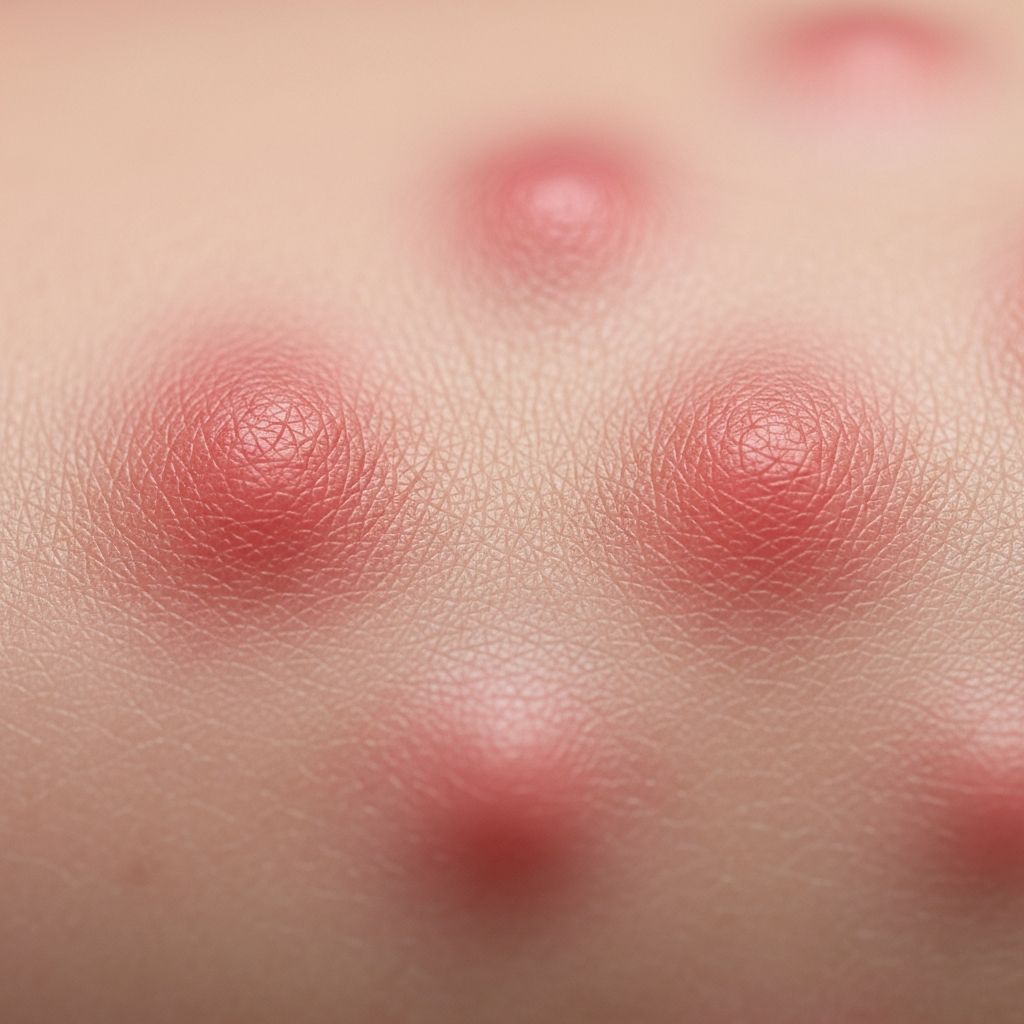
Hives, medically known as urticaria, are raised, itchy welts on the skin that can appear anywhere on the body. They often come and go within hours but can persist or recur, affecting millions worldwide. While typically harmless, chronic hives can significantly impact quality of life. Understanding the causes is crucial for prevention and treatment.
According to the American Academy of Allergy, Asthma & Immunology (AAAAI), acute hives last less than six weeks and are often allergy-related, while chronic hives exceed six weeks and may have idiopathic origins. This article delves into the diverse triggers behind hives, helping you identify potential culprits.
What Are Hives?
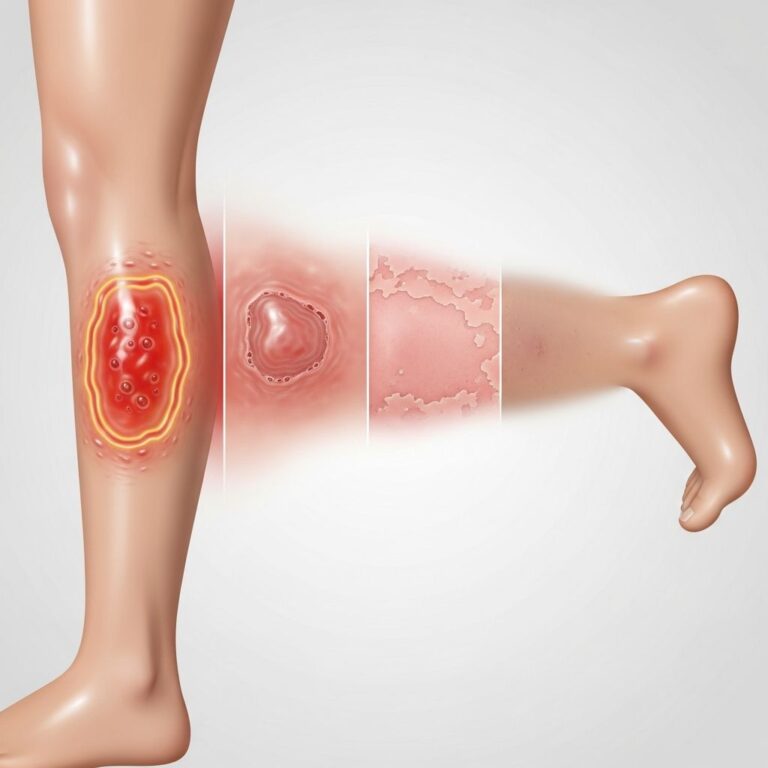
Hives manifest as red or skin-colored welts that itch intensely. They vary in size from pinpricks to large patches and can merge into bigger areas. Angioedema, a deeper swelling often accompanying hives, affects lips, eyes, or genitals.
The welts result from histamine release by mast cells in the skin, causing fluid leakage into tissues. Episodes can be triggered suddenly and resolve spontaneously, but identifying causes prevents recurrence.
Symptoms of Hives
- Itchy, raised welts (wheals) that blanch under pressure
- Redness or flesh-colored bumps
- Swelling in deeper skin layers (angioedema)
- Burning or stinging sensation
- Welts that change shape, size, or location within 24 hours
Symptoms worsen with scratching, heat, or stress. In severe cases, hives signal anaphylaxis, requiring immediate epinephrine.
Common Causes of Hives
Hives arise from immune-mediated histamine release or direct mast cell activation. Triggers fall into allergic, non-allergic, physical, and idiopathic categories.
Allergic Reactions
The most frequent acute hives cause, allergies provoke IgE antibodies, releasing histamine. Common allergens include:
- Foods: Shellfish, nuts, eggs, milk, wheat—symptoms appear minutes to hours post-exposure.
- Medications: Antibiotics (penicillin), NSAIDs (ibuprofen), aspirin.
- Insect stings: Bees, wasps, ants.
- Latex: In gloves, balloons, condoms.
A 2023 study in Journal of Allergy and Clinical Immunology notes food allergies cause 20% of acute urticaria cases in adults.
Infections
Viral, bacterial, or parasitic infections trigger hives via immune response. Common culprits:
- Viral: Common cold, hepatitis B/C, herpes simplex, Epstein-Barr (mono).
- Bacterial: Strep throat, urinary tract infections, sinusitis.
- Parasitic: Giardia, worms in endemic areas.
Hives often precede infection symptoms, aiding early detection. The CDC reports viral infections as top pediatric hives triggers.
Physical Urticaria
Physical stimuli directly activate mast cells. Subtypes include:
| Type | Trigger | Characteristics |
|---|---|---|
| Dermographism | Scratching/rubbing | Linear welts from pressure; most common physical type |
| Cold urticaria | Cold air/water | Welts post-cold exposure; risk of anaphylaxis in water |
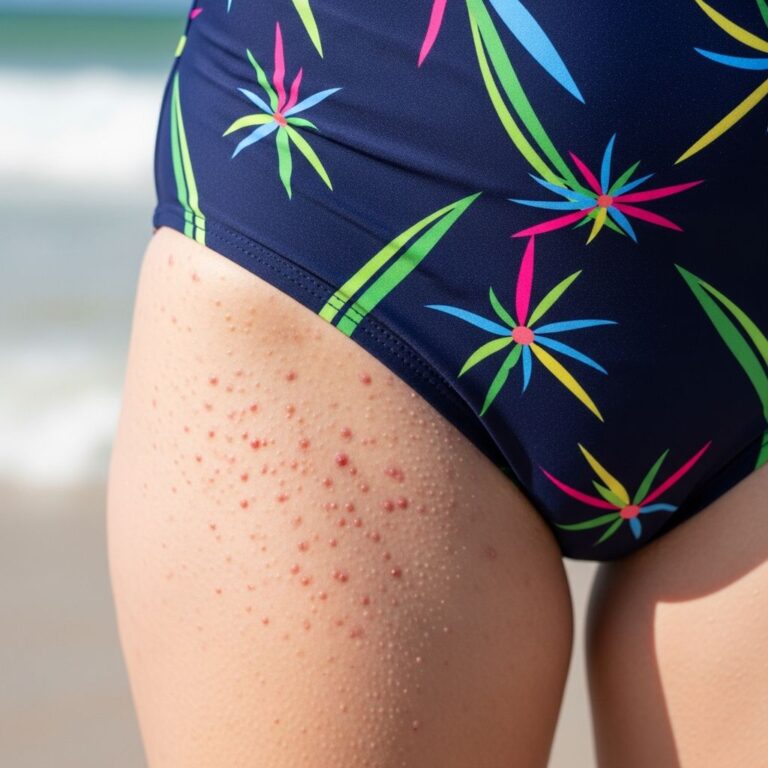
| Cholinergic urticaria | Heat/sweat/exercise | Small, pinpoint hives from temperature rise |
| Solar urticaria | Sunlight | Rare; welts within minutes of UV exposure |
| Pressure urticaria | Sustained pressure | Delayed welts 4-8 hours after tight clothing/belts |
Related Stories



Physical hives affect 25-50% of chronic cases, per AAAAI data.
Medications and Vaccines
Beyond allergies, drugs cause hives via pseudo-allergic reactions:
- Opioids (morphine)
- Blood pressure meds (ACE inhibitors)
- Radiocontrast dyes
- Vaccines (rare, usually mild)
Onset varies; stop suspect meds and consult physicians.
Autoimmune and Chronic Idiopathic Urticaria
Chronic hives (over 6 weeks) are idiopathic in 80-90% of cases—no identifiable trigger. However, 30-50% link to autoimmunity, where antibodies attack mast cells or IgE receptors.
Associated conditions: Thyroid disease, rheumatoid arthritis, lupus. A 2024 Lancet review highlights autoantibodies in 40% of chronic spontaneous urticaria (CSU).
Other Causes
- Contact urticaria: Direct irritants like nettles, jellyfish.
- Exercise-induced: Rarely anaphylaxis with food/exercise combo.
- Hereditary: C1 esterase inhibitor deficiency (hereditary angioedema)—non-itchy, no antihistamine response.
- Malignancy: Rare; hives precede lymphoma or leukemia.
Risk Factors for Hives
- Personal/family atopy history (allergies, asthma, eczema)
- Female sex (chronic hives 3-4x more common)
- Age 20-40 peak incidence
- Stress exacerbates flares
- Obesity links to chronic forms
When to See a Doctor
Seek care if:
- Hives persist >24-48 hours or recur frequently
- Accompanied by swelling (face/lips/throat), breathing difficulty, dizziness
- Chronic (>6 weeks)
- Non-responsive to OTC antihistamines
Emergency for anaphylaxis signs: Use EpiPen, call 911.
Diagnosis
Clinicians rely on history and exam. Tests may include:
- Allergy skin/blood tests
- Physical challenge tests (ice cube for cold urticaria)
- Bloodwork: CBC, ESR, thyroid function, autoimmune markers
- Skin biopsy (rare)
Allergy specialists (allergists) handle complex cases.
Treatment Options
Acute hives: Second-generation antihistamines (cetirizine, loratadine). Avoid triggers.
Chronic: H1/H2 blockers, omalizumab (anti-IgE injection—80% effective), cyclosporine for refractory cases.
Lifestyle: Cool baths, calamine, loose clothing, stress reduction.
Frequently Asked Questions (FAQs)
What causes hives to flare up suddenly?
Sudden flares often stem from new exposures like foods, meds, infections, or stress. Track patterns with a diary.
Are hives always allergy-related?
No—only acute cases usually are. Chronic hives are often idiopathic or autoimmune.
Can stress cause hives?
Yes, stress triggers mast cell degranulation, worsening or initiating flares.
How long do hives typically last?
Individual welts fade in <24 hours, but new ones may form. acute: <6 weeks; chronic:>6 weeks.
Are hives contagious?
No, hives are not contagious—they’re an internal immune reaction.
Prevention Tips
- Identify/avoid triggers via elimination diets, patch tests
- Daily non-sedating antihistamines for chronic cases
- Wear sunscreen/medicated creams for solar urticaria
- Manage stress with yoga, meditation
Consult allergists for personalized plans. Most manage hives effectively, regaining comfort.
References
- Urticaria (Hives) — American Academy of Allergy, Asthma & Immunology. 2024-06-15. https://www.aaaai.org/conditions-treatments/allergies/hives-urticaria
- Acute and Chronic Urticaria: Evaluation and Treatment — Zuberbier T, et al. Journal of Allergy and Clinical Immunology. 2023-06-01. https://www.jacionline.org/article/S0091-6749(23)00345-7/fulltext
- Chronic Spontaneous Urticaria: It’s More Than Meets the Eye — Maurer M, et al. The Lancet. 2024-02-10. https://www.thelancet.com/journals/lancet/article/PIIS0140-6736(24)00045-2/fulltext
- Hives (Urticaria) — National Institute of Allergy and Infectious Diseases (NIAID), NIH. 2023-11-20. https://www.niaid.nih.gov/diseases-conditions/hives-urticaria
- Urticaria Guidelines — World Allergy Organization. 2024-01-08. https://www.worldallergy.org/education-and-programs/education/allergic-disease-resource-center/professionals/urticaria
Similar Articles








Read full bio of Sneha Tete