Hives: Causes, Symptoms, Treatments, And Prevention Guide
Comprehensive guide to hives (urticaria): symptoms, triggers, diagnosis, and effective treatments for relief.
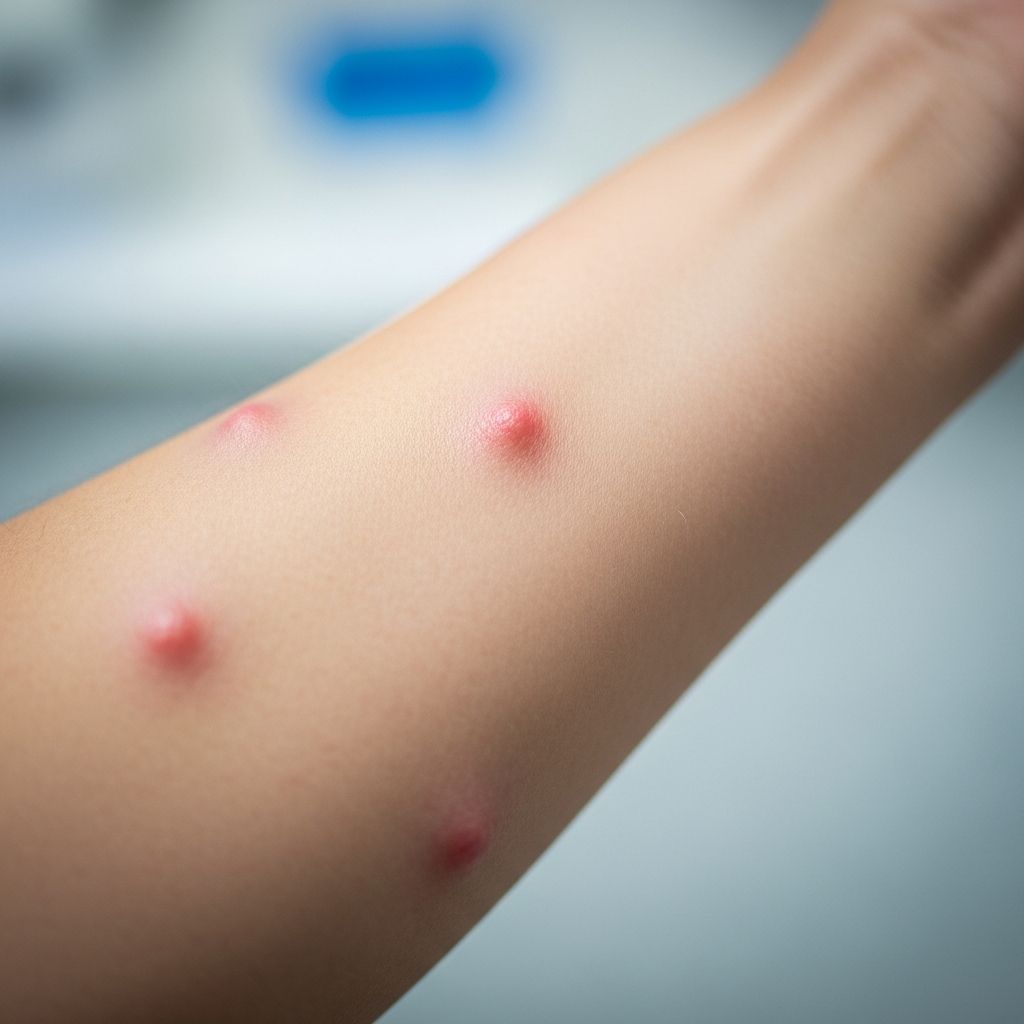
Hives, medically known as urticaria, represent a common skin condition characterized by itchy, raised welts that appear suddenly on the skin. These welts, called wheals, can vary in size from small spots to large patches and often change shape, disappear, and reappear within hours. Affecting up to 20% of people at some point in their lives, hives can be acute (lasting less than six weeks) or chronic (persisting longer). While usually harmless, severe cases may signal underlying health issues requiring medical attention.
Understanding hives is crucial for effective management. This article explores their symptoms, causes, diagnosis, treatments, and prevention strategies, drawing from authoritative medical sources to provide reliable guidance.
What Are Hives?
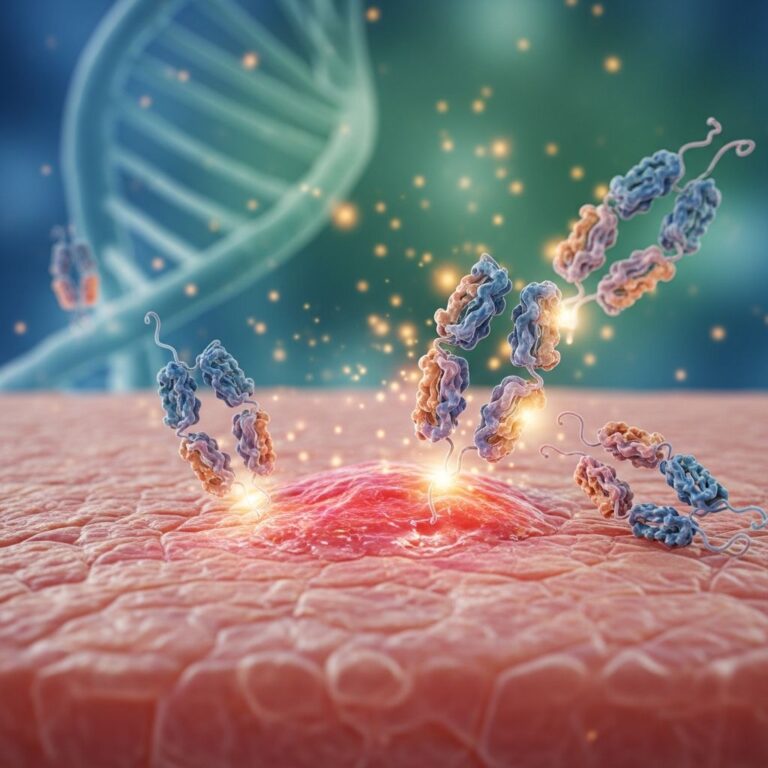
Hives result from the release of histamine and other chemicals from mast cells beneath the skin, triggered by the body’s immune response. This causes blood vessels to dilate and fluid to leak into surrounding tissues, forming swollen, red or skin-colored welts. Hives often itch intensely but can also burn or sting.
Acute hives typically resolve within days to weeks, while chronic hives may last months or years, significantly impacting quality of life. They can occur anywhere on the body, including the face, lips, tongue, or throat, potentially leading to angioedema—a deeper swelling that is more dangerous if it affects airways.
- Appearance: Red, pink, or flesh-colored raised areas with clear borders.
- Duration: Individual welts last 24 hours or less but new ones may form.
- Prevalence: More common in women and people aged 20-40.
Symptoms of Hives
The hallmark symptom of hives is intense itching, often worsening at night or with heat. Welts may blanch (turn white) when pressed. Associated symptoms include:
- Burning or stinging sensation.
- Swelling of lips, eyelids, or genitals (angioedema).
- In severe cases: difficulty breathing, dizziness, or nausea, indicating anaphylaxis—a medical emergency.
Chronic hives may accompany fatigue, joint pain, or gastrointestinal issues, suggesting autoimmune involvement. Track symptoms with photos and notes to aid diagnosis.
Causes and Triggers of Hives
Hives arise from diverse triggers, often an allergic or immune-mediated reaction. Identifying the cause is key to prevention.
Common Causes
| Category | Examples |
|---|---|
| Allergens | Foods (nuts, shellfish, eggs), medications (penicillin, NSAIDs), insect stings. |
| Infections | Viral (cold, hepatitis), bacterial (strep throat), parasites. |
| Physical Stimuli | Cold, heat, pressure, sunlight, exercise (physical urticaria). |
| Autoimmune | Thyroid disease, lupus, rheumatoid arthritis. |
| Other | Stress, idiopathic (unknown cause in 50% chronic cases). |
According to the American Academy of Allergy, Asthma & Immunology (AAAAI), food allergies cause about 10-20% of acute hives cases. Chronic hives are often idiopathic or linked to autoimmunity.
Risk Factors
- Family history of atopy (allergies, asthma).
- Underlying conditions like Hashimoto’s thyroiditis.
- Stress, which amplifies histamine release.
Diagnosis of Hives
Diagnosis begins with a detailed history: onset, triggers, medications, and family history. Physical exam confirms wheals’ characteristic blanching.
No single test diagnoses hives, but providers may order:
- Blood tests: Complete blood count (CBC), erythrocyte sedimentation rate (ESR), thyroid function.
- Allergy skin testing or serum IgE levels.
- Skin biopsy for atypical cases.
- Provocation tests for physical urticaria (e.g., ice cube test).
Related Stories



Dermatologists or allergists handle complex cases. The goal: rule out serious conditions like vasculitis or mastocytosis.
Treatments for Hives
Treatment focuses on symptom relief and trigger avoidance. Most cases resolve without intervention, but persistent hives need medical management.
Over-the-Counter Options
- Antihistamines: Second-generation non-drowsy (loratadine, cetirizine, fexofenadine) taken daily. Increase doses if needed.
- Topical: Calamine lotion, hydrocortisone cream for mild itch.
- Oral: Aspirin or ibuprofen (caution: may worsen in some).
Prescription Treatments
- H2 blockers (ranitidine) combined with H1 antihistamines.
- Omalizumab (Xolair) injections for chronic hives unresponsive to antihistamines—approved by FDA, 65-80% effective per clinical trials.
- Cyclosporine or other immunosuppressants for refractory cases.
- Short-term oral corticosteroids for severe flares.
Guidelines from the Joint Task Force on Practice Parameters recommend a step-up approach: antihistamines first, then biologics.
Home Remedies and Lifestyle Changes
- Cool baths or compresses to soothe itch.
- Oatmeal baths (colloidal oatmeal).
- Avoid hot showers, tight clothes, alcohol.
- Stress reduction: meditation, yoga.
Wear loose cotton clothing and keep a symptom diary.
When to See a Doctor
Seek immediate care for:
- Swelling of face/throat, breathing difficulty (call 911).
- Hives with fever, joint pain, or abdominal pain.
- Hives lasting >6 weeks or recurring frequently.
Routine follow-up for chronic cases ensures optimal control.
Prevention Tips
- Identify and avoid triggers via elimination diet or allergy testing.
- Take preventive antihistamines before known exposures (e.g., exercise).
- Maintain a cool environment; use fans or AC.
- Manage stress and underlying conditions.
- Carry epinephrine auto-injector if anaphylaxis history.
Frequently Asked Questions (FAQs)
What do hives look like?
Hives appear as red or skin-colored, itchy welts that swell, spread, and blanch under pressure. They can be tiny or cover large areas.
Are hives contagious?
No, hives are not contagious. They result from internal immune responses, not infections spread person-to-person.
How long do hives last?
Acute hives resolve in hours to 6 weeks; chronic last >6 weeks, sometimes years. Individual welts fade within 24 hours.
Can stress cause hives?
Yes, stress triggers mast cell degranulation, releasing histamine. It’s common in chronic urticaria.
Can hives be a sign of cancer?
Rarely; chronic hives may associate with lymphoma or other malignancies, but most cases are benign. Persistent symptoms warrant evaluation.
This comprehensive overview equips you to recognize, treat, and prevent hives effectively. Consult healthcare professionals for personalized advice.
References
- Urticaria (Hives) — American Academy of Allergy, Asthma & Immunology (AAAAI). 2024-01-15. https://www.aaaai.org/conditions-treatments/allergies/hives-urticaria
- Acute and Chronic Urticaria: Evaluation and Treatment — American Academy of Dermatology (AAD). 2023-06-10. https://www.aad.org/public/diseases/a-z/hives-treatment
- Urticaria — National Institute of Allergy and Infectious Diseases (NIAID), NIH. 2025-02-20. https://www.niaid.nih.gov/diseases-conditions/urticaria
- International Consensus Guidelines on Chronic Urticaria — Zuberbier T, et al. Allergy Journal (Wiley). 2024-11-01. https://doi.org/10.1111/all.16068
- Omalizumab for Chronic Idiopathic or Spontaneous Urticaria — FDA Label. U.S. Food and Drug Administration. 2023-03-05. https://www.accessdata.fda.gov/drugsatfda_docs/label/2023/125294s120lbl.pdf
- Hives (Urticaria) and Angioedema — Centers for Disease Control and Prevention (CDC). 2024-08-12. https://www.cdc.gov/niosh/topics/skin/hives.html
Similar Articles








Read full bio of Sneha Tete