How To Prevent Hives: Expert Tips From Dermatologists
Discover proven strategies to prevent hives, from avoiding triggers to lifestyle changes and medical options for lasting relief.
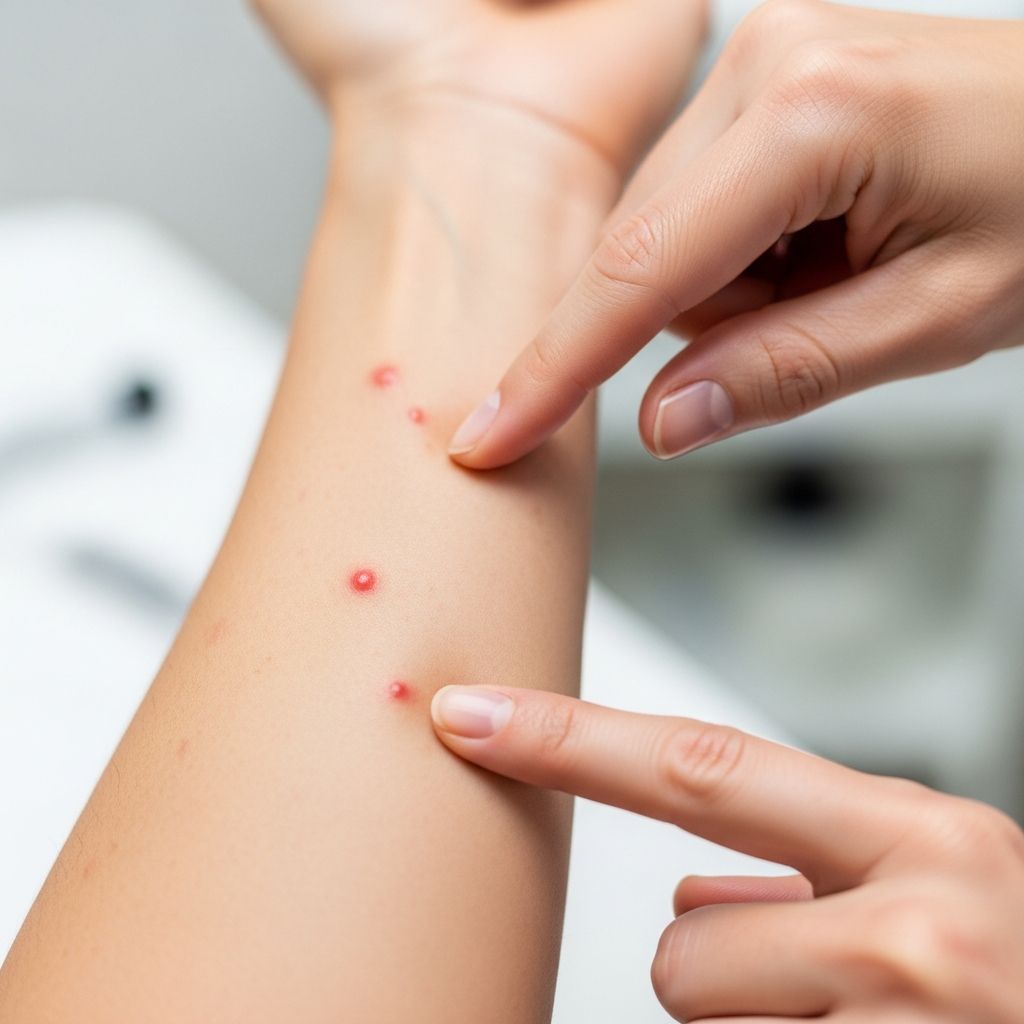
Hives, also known as urticaria, are itchy, raised welts on the skin caused by the release of histamine from mast cells in response to various triggers. Preventing hives involves identifying and avoiding these triggers while using protective measures and treatments to minimize outbreaks. This comprehensive guide draws from dermatologist insights to help you stay hive-free.
What Are Hives?
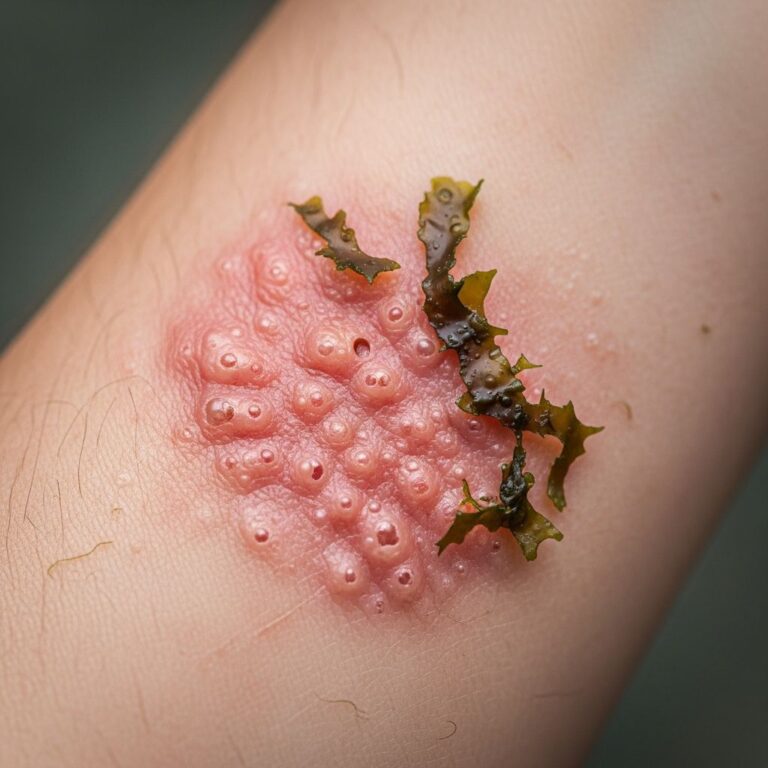
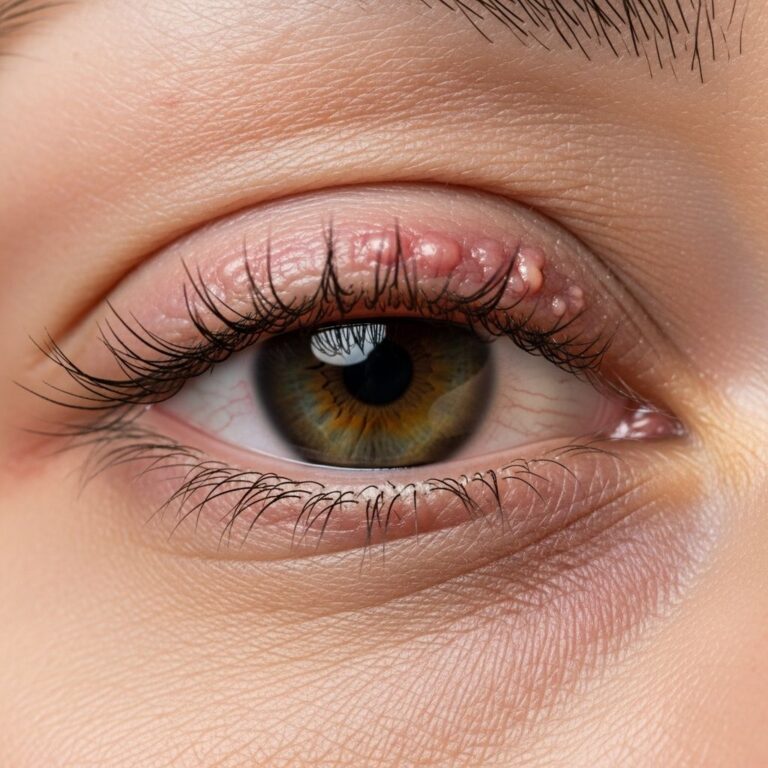
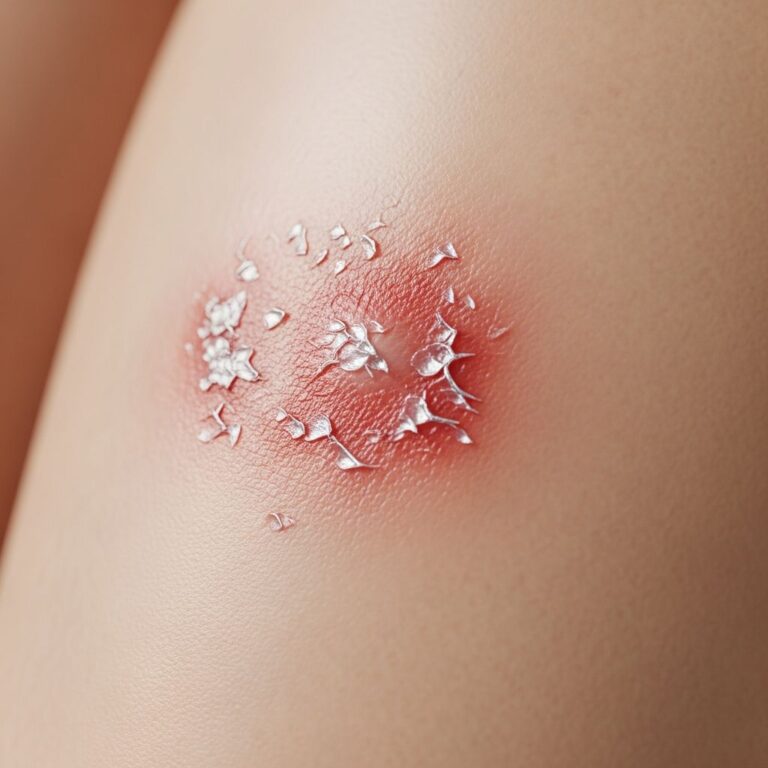
Hives appear as red or skin-colored welts that can vary in size and shape, often accompanied by intense itching or burning. They can occur anywhere on the body and typically last a few hours to days, migrating as old welts fade and new ones emerge. Acute hives resolve within six weeks, while chronic hives persist longer, affecting daily life significantly.
Understanding hives is crucial for prevention, as they signal an immune response gone overboard. Mast cells release histamine, leading to increased blood flow and fluid leakage into the skin, creating the characteristic swellings. While not usually dangerous, recurrent episodes warrant attention to underlying causes.
Common Causes and Triggers of Hives
Hives stem from allergic and non-allergic triggers. Allergic causes include foods like nuts, shellfish, eggs, and dairy; medications such as aspirin, NSAIDs, antibiotics, ACE inhibitors, and opiates; and insect stings or bites. Non-allergic triggers encompass infections (viral, bacterial), physical stimuli like pressure, cold, heat, exercise, and stress.
- Food allergies: Common culprits include peanuts, tree nuts, fish, and shellfish.
- Medications: Aspirin and ibuprofen often provoke reactions in sensitive individuals.
- Infections: Upper respiratory infections or parasitic infestations can spark outbreaks.
- Physical urticaria: Pressure from tight clothing, cold exposure, or sweating during exercise.
- Other: Alpha-gal syndrome from lone star tick bites causes delayed reactions to red meat; bed bug bites mimic hives in groups of three.
Identifying personal triggers through an elimination diet or allergy testing is key to prevention. Keep a symptom diary noting diet, activities, and exposures before outbreaks to pinpoint patterns.
Risk Factors for Developing Hives
Certain factors increase susceptibility to hives. Individuals with allergies, asthma, or eczema face higher risks due to hyperactive immune responses. Family history of atopy (allergic tendencies) also plays a role. Stress exacerbates hives by triggering histamine release, while autoimmune conditions like thyroid disease link to chronic urticaria.
| Risk Factor | Description | Prevention Tip |
|---|---|---|
| Allergies/Asthma | Pre-existing conditions heighten sensitivity | Manage with controller medications |
| Family History | Genetic predisposition to atopy | Early allergy screening |
| Stress | Psychological triggers worsen flares | Stress-reduction techniques |
| Autoimmune Diseases | Underlying thyroid or lupus issues | Regular medical check-ups |
Lifestyle Changes to Prevent Hives
Adopting hive-friendly habits significantly reduces occurrence. Start with dietary adjustments: opt for fresh, whole foods over processed or canned items, which may contain hidden preservatives like sulfites. Avoid known allergens by reading labels meticulously.
Maintain a cool environment, as heat intensifies itching. Wear loose, breathable cotton clothing to minimize friction-induced hives. Stay hydrated and use gentle, fragrance-free soaps to preserve skin barrier integrity. Regular exercise helps, but cool down promptly to avoid sweat-triggered flares.
Related Stories



- Avoid extreme temperatures: Use cool showers instead of hot ones.
- Manage stress: Practice yoga, meditation, or deep breathing daily.
- Protect skin: Apply broad-spectrum sunscreen and moisturize with ceramide-rich lotions like Eucerin Advanced Repair.
- Diet: Incorporate anti-inflammatory foods such as fatty fish, berries, and leafy greens.
Natural Remedies and Home Strategies
Natural approaches soothe and prevent mild hives. Cold compresses constrict blood vessels, reducing swelling—apply a cloth-wrapped ice pack for 10-15 minutes several times daily. Colloidal oatmeal baths calm irritation; add one cup to lukewarm water and soak for 15 minutes.
Aloe vera gel or witch hazel provides cooling relief when dabbed on affected areas. Keep skin moisturized to prevent scratching, which worsens inflammation. Staying cool overall prevents heat-aggravated itching. These remedies support the skin barrier without chemicals.
Over-the-Counter Prevention Options
Antihistamines are frontline for prevention, especially for those with seasonal allergies. Second-generation options like cetirizine (Zyrtec), fexofenadine (Allegra), and loratadine (Claritin) offer non-drowsy, long-lasting protection. Take daily to maintain steady histamine blockade.
- Zyrtec (cetirizine): Fast-acting, safe in pregnancy.
- Allegra (fexofenadine): FDA-cleared for hives, minimal sedation.
- Claritin (loratadine): Gentle for daily use, pregnancy-safe.
- Diphenhydramine (Benadryl): For acute relief but sedating; not ideal for prevention.
Corticosteroid creams like hydrocortisone provide topical relief but use sparingly to avoid skin thinning. Combine with oral antihistamines for optimal control.
Medical Treatments for Chronic Hives
For persistent hives, consult a dermatologist or allergist. Prescription H1 and H2 blockers (e.g., ranitidine) enhance control. Omalizumab (Xolair) injections target IgE for chronic cases unresponsive to antihistamines. Corticosteroids offer short-term relief; immunosuppressants like cyclosporine for severe scenarios.
Allergy testing identifies specific triggers, enabling targeted avoidance. Biologics represent a breakthrough for refractory urticaria, reducing outbreak frequency dramatically.
When to See a Doctor
Seek medical care if hives persist beyond 24 hours in one spot, last over six weeks, or resist OTC treatments. Emergent symptoms include facial swelling, throat tightness, breathing difficulty, or dizziness—call emergency services immediately, as these signal anaphylaxis.
Recurrent hives may indicate underlying issues like infections or autoimmunity; professionals can prescribe advanced therapies. Early intervention prevents chronicity.
Frequently Asked Questions (FAQs)
Q: Can stress cause hives?
A: Yes, stress triggers mast cell degranulation, releasing histamine and provoking hives. Stress management techniques like mindfulness are preventive.
Q: Are hives contagious?
A: No, hives result from internal immune responses, not infections, so they cannot spread to others.
Q: How long do hives typically last?
A: Individual welts fade in hours to days; acute episodes resolve in under six weeks, chronic ones longer without treatment.
Q: Can diet prevent hives?
A: Yes, avoiding allergens and processed foods while eating anti-inflammatories reduces triggers effectively.
Q: Is Allegra safe for daily hive prevention?
A: Yes, FDA-cleared for hives; it’s non-sedating and suitable for long-term use in most adults.
Long-Term Management Strategies
Sustained prevention blends avoidance, medication adherence, and monitoring. Track triggers via apps, adhere to immunotherapy if prescribed, and maintain skin health. Regular dermatologist follow-ups adjust plans as needed. With diligence, most achieve hive-free periods, reclaiming comfort.
Empower yourself with knowledge: hives are manageable. Consistent strategies yield results, transforming outbreaks from frequent nuisances to rare events.
References
- Urticaria (Hives) — American Academy of Dermatology. 2024-05-15. https://www.aad.org/public/diseases/a-z/hives-overview
- Hives (Urticaria) and Angioedema — American College of Allergy, Asthma & Immunology. 2023-11-20. https://acaai.org/allergies/allergic-conditions/skin-allergy/hives/
- Acute and Chronic Urticaria: Evaluation and Treatment — UpToDate (Wolters Kluwer). 2025-01-10. https://www.uptodate.com/contents/acute-and-chronic-urticaria-evaluation-and-treatment
- How to Get Rid of Hives, According to Dermatologists — Prevention Magazine. 2023-07-12. https://www.prevention.com/health/a43918880/how-to-get-rid-of-hives/
- Urticaria — Mayo Clinic. 2024-09-05. https://www.mayoclinic.org/diseases-conditions/hives-and-angioedema/symptoms-causes/syc-20352719
- Guidelines for the Diagnosis and Management of Chronic Spontaneous Urticaria — Journal of Allergy and Clinical Immunology (PubMed). 2024-03-01. https://pubmed.ncbi.nlm.nih.gov/38438057/
Similar Articles








Read full bio of medha deb