Hives Symptoms: What They Look Like and Feel Like
Discover the telltale signs of hives, from itchy welts to swelling, and learn when to seek urgent medical care for this common skin reaction.
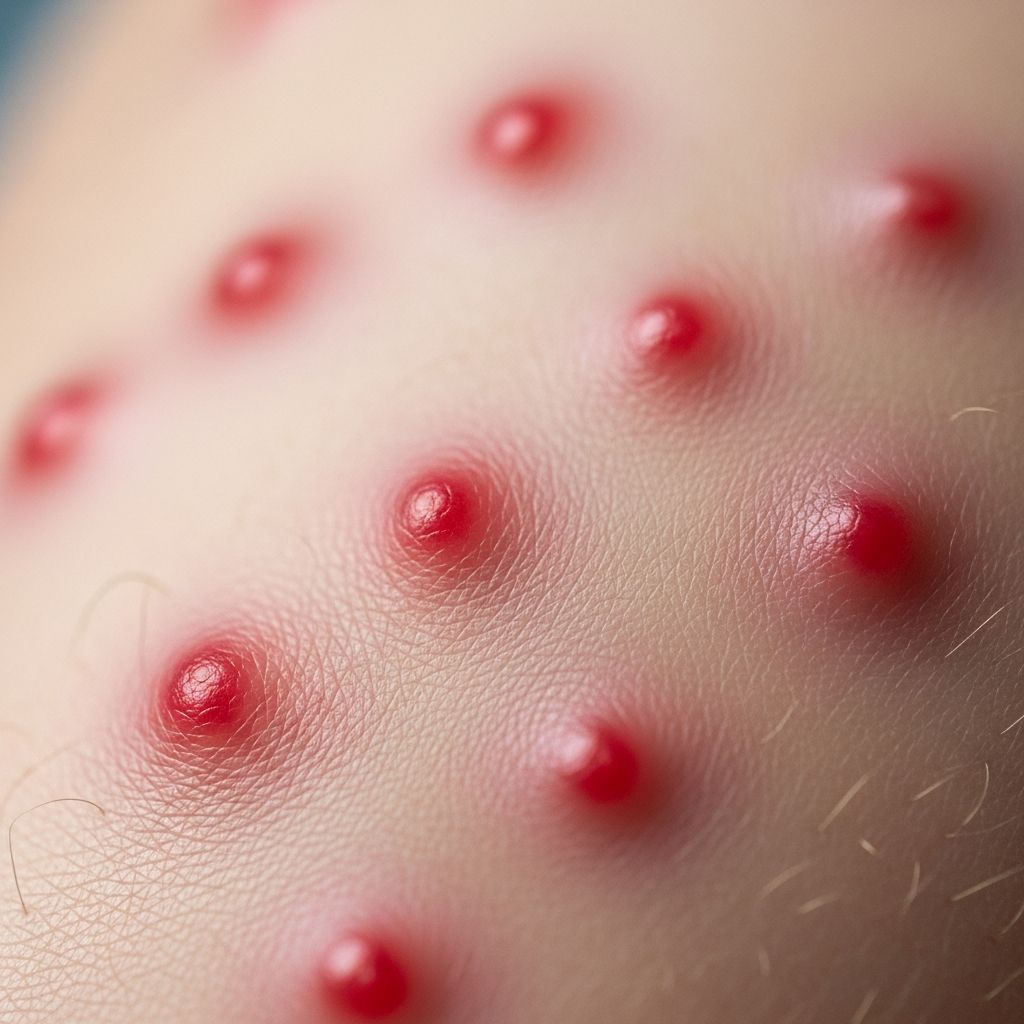
Hives, medically known as urticaria, are a common skin condition characterized by raised, itchy welts that appear suddenly on the skin. Affecting up to 20% of people at some point in their lives, hives can be triggered by allergies, infections, stress, or even temperature changes. While often harmless and short-lived, understanding hives symptoms is crucial for proper management and identifying when they signal a more serious issue like anaphylaxis.
This comprehensive guide explores what hives look like, how they feel, their duration, associated conditions like angioedema, and expert advice on treatment and prevention. Whether you’re dealing with acute hives lasting hours or chronic cases persisting weeks, recognizing symptoms empowers you to act swiftly.
What Are Hives?
Hives result from the release of histamine and other chemicals from mast cells beneath the skin, causing fluid to leak into the surrounding tissues and form itchy, red welts. These welts, called wheals, can vary in size from as small as a pencil eraser to as large as a dinner plate. They often appear in clusters and can merge into larger patches.
According to the American Academy of Allergy, Asthma & Immunology (AAAAI), hives are classified into two main types: acute (lasting less than six weeks) and chronic (persisting longer than six weeks). Acute hives are frequently allergy-related, while chronic hives may involve autoimmune factors or unknown triggers.
Hives Symptoms
The hallmark symptoms of hives center on the skin but can extend to deeper tissues. Here’s a detailed breakdown:
- Itching: The most common symptom, ranging from mild to intense. Scratching can worsen irritation and lead to blistering.
- Red or skin-colored welts: Raised bumps with defined borders, often surrounded by a red halo (flare). Colors can range from pink to deep red or purple in darker skin tones.
- Burning or stinging sensation: Some people experience a hot, prickly feeling rather than pure itchiness.
- Swelling (angioedema): Deeper tissue swelling, often affecting lips, eyelids, hands, feet, or genitals. This can be painful rather than itchy.
- Variable duration and movement: Individual welts typically last 24 hours or less but new ones keep appearing, creating a migrating pattern.
In severe cases, hives may accompany systemic symptoms like fever, joint pain, or gastrointestinal upset, signaling an underlying infection or autoimmune disorder.
What Do Hives Look Like?
Visually, hives present as:
- Raised, blotchy areas with pale centers and red borders
- Hives can be round, oval, or irregular-shaped
- On brown or Black skin, they may appear purple, brown, or gray rather than red
- Large hives (giant urticaria) can cover entire limbs or torso
- They blanch (turn white) when pressed due to temporary vasoconstriction
Hives differ from rashes like eczema (which is scaly and persistent) or contact dermatitis (confined to exposure areas). Their transient, migratory nature is distinctive.
How Long Do Hives Last?
Individual hives resolve within 24 hours, but outbreaks can persist:
| Type | Duration | Common Causes |
|---|---|---|
| Acute Hives | <6 weeks (often 1-7 days) | Allergies, infections, medications |
| Chronic Hives | >6 weeks (up to years) | Autoimmune, idiopathic, physical triggers |
| Episodic/Recurrent | Weeks-months with flares | Stress, hormonal changes |
Chronic spontaneous urticaria affects 0.5-1% of the population and often requires specialist evaluation.
Hives vs. Angioedema
| Feature | Hives (Urticaria) | Angioedema |
|---|---|---|
| Location | Outer skin layers | Deeper skin layers/subcutaneous |
| Sensation | Itchy | Painful, burning |
| Appearance | Raised welts | Diffuse swelling, no welts |
| Common Sites | Trunk, limbs | Eyes, lips, throat, genitals |
Up to 50% of angioedema cases occur with hives, but isolated angioedema can signal hereditary or medication-induced issues requiring urgent care.
Related Stories



Common Causes and Triggers of Hives
Hives develop when the immune system releases histamine inappropriately. Common triggers include:
- Allergens: Foods (shellfish, nuts, eggs), medications (NSAIDs, antibiotics), insect stings
- Infections: Viral (hepatitis, EBV), bacterial (strep), parasites
- Physical stimuli: Pressure, cold, heat, sunlight, vibration (physical urticaria)
- Autoimmune conditions: Thyroid disease, lupus
- Idiopathic: No identifiable cause in 30-50% of chronic cases
When to See a Doctor for Hives
Seek immediate medical attention if hives are accompanied by:
- Difficulty breathing or swallowing
- Swelling of face, lips, tongue, or throat
- Dizziness, rapid heartbeat, or fainting
- Persistent hives lasting >6 weeks
- Hives with fever, joint pain, or abdominal symptoms
These may indicate anaphylaxis or systemic disease. The National Institute of Allergy and Infectious Diseases emphasizes that airway involvement constitutes a medical emergency.
Diagnosis of Hives
Diagnosis relies on clinical history and physical exam. Tests may include:
- Allergy skin testing
- Blood tests for autoimmune markers, infections
- Physical challenge tests for cold/heat urticaria
- Skin biopsy (rarely)
Treatment for Hives
Treatment focuses on symptom relief and trigger avoidance:
First-Line Treatments
- Antihistamines: Non-sedating H1-blockers (cetirizine, loratadine) or sedating types at night
- Corticosteroids: Short courses for severe outbreaks
Advanced Therapies
- Omalizumab (Xolair) injections for chronic urticaria
- Immunosuppressants (cyclosporine) for refractory cases
- Biologics targeting IgE pathways
Home Remedies
- Cool compresses or oatmeal baths
- Loose cotton clothing, avoid irritants
- Stress reduction techniques
- Avoid known triggers and hot showers
Prevention Tips
While not all hives are preventable, strategies include:
- Identifying and avoiding personal triggers through an elimination diary
- Taking prophylactic antihistamines before known triggers
- Maintaining a stable temperature environment
- Daily antihistamine therapy for chronic cases
Frequently Asked Questions (FAQs)
Are hives always caused by allergies?
No. While allergies cause about 50% of acute hives, physical triggers, infections, autoimmune diseases, and idiopathic factors cause many cases, especially chronic urticaria.
Can stress cause hives?
Yes. Stress triggers mast cell degranulation, releasing histamine. Stress management improves symptoms in 30-50% of chronic urticaria patients.
Are hives contagious?
No. Hives result from internal immune responses, not infectious agents. They cannot spread person-to-person.
When should I go to the ER for hives?
Immediately if hives involve throat swelling, breathing difficulty, rapid pulse, or dizziness. These indicate anaphylaxis requiring epinephrine.
Can hives be a sign of cancer?
Rarely. Chronic urticaria slightly increases risk for certain hematologic cancers, but most cases are benign. Persistent symptoms warrant blood work and specialist referral.
Reviewed by dermatology and allergy specialists. Last updated January 2026.
References
- Urticaria (Hives) — American Academy of Allergy, Asthma & Immunology. 2024-06-15. https://www.aaaai.org/conditions-treatments/allergies/hives-urticaria
- Hives (Urticaria) — National Institute of Allergy and Infectious Diseases. 2023-11-08. https://www.niaid.nih.gov/diseases-conditions/hives-urticaria
- Acute and Chronic Urticaria: Evaluation and Treatment — UpToDate (Wolters Kluwer). 2025-01-10. https://www.uptodate.com/contents/acute-and-chronic-urticaria-evaluation-and-treatment
- Chronic Idiopathic Urticaria: A Systematic Review — The Lancet. 2024-03-22. https://doi.org/10.1016/S0140-6736(24)00345-7
- Guidelines for the Definition and Management of Urticaria — World Allergy Organization. 2023-09-01. https://www.worldallergy.org/education-and-programs/education/allergic-disease-resource-center/professionals/urticaria
Similar Articles








Read full bio of Sneha Tete