Hives Vs. Eczema: Key Differences And When To See A Doctor
Understand the key differences between hives and eczema, including symptoms, causes, treatments, and when to seek medical help for itchy skin rashes.
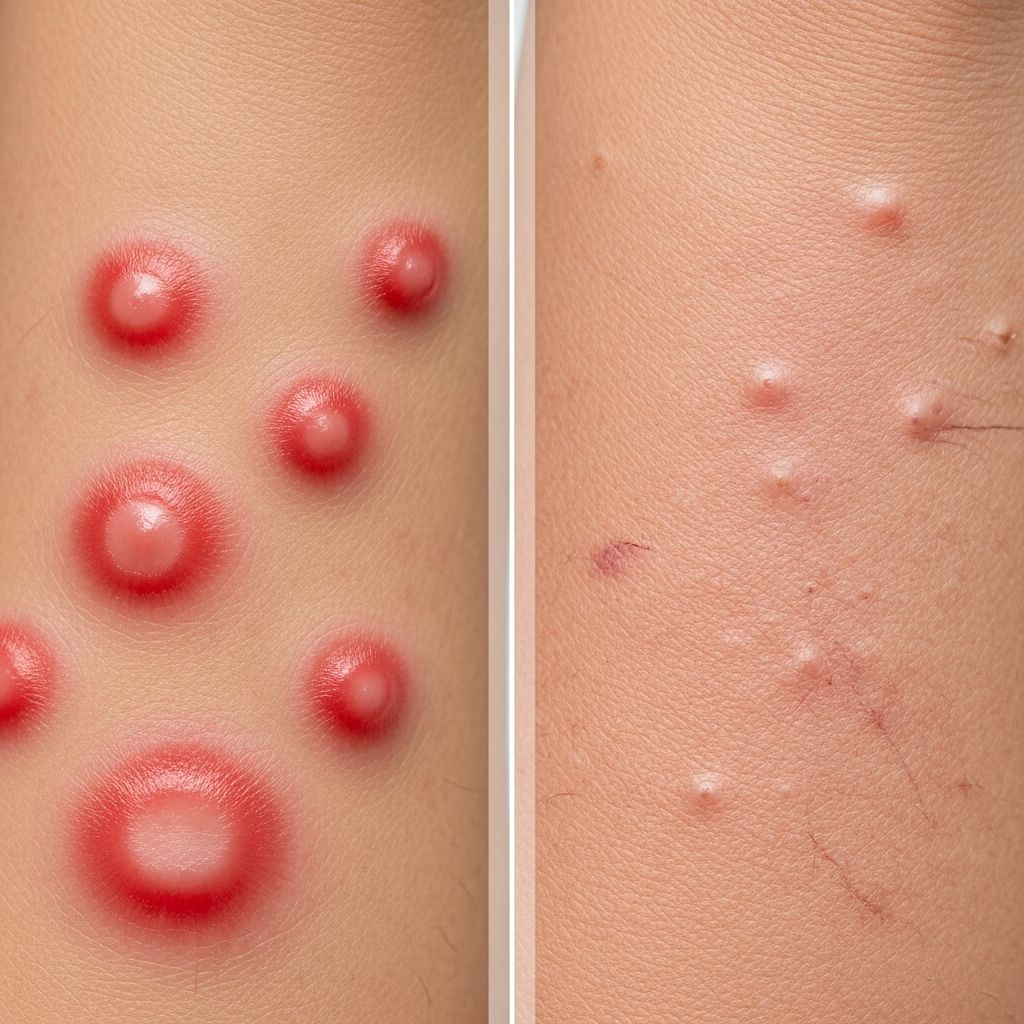
Hives and eczema are common skin conditions that often cause red, itchy rashes, but they differ significantly in appearance, causes, duration, and treatment approaches. Hives, also known as urticaria, present as sudden raised welts triggered by allergic reactions, while eczema (atopic dermatitis) is a chronic inflammatory condition featuring dry, scaly patches.
What Are Hives?
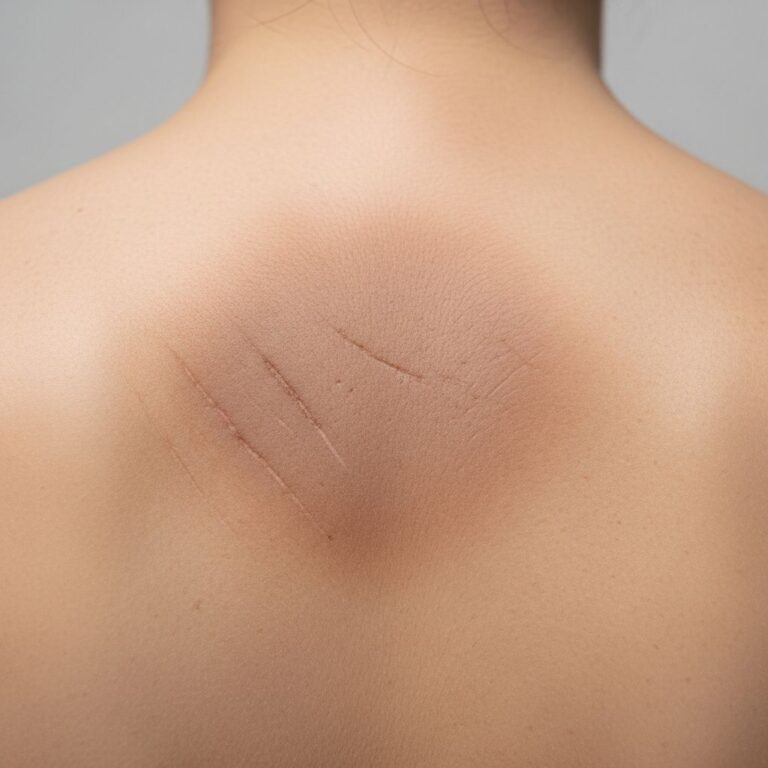
Hives are characterized by raised, red or skin-colored welts on the skin that appear suddenly and can itch or burn intensely. These welts, called wheals, often change shape, size, or location within minutes to hours and typically resolve within 24 hours, though new ones may form.
Acute hives last less than six weeks, often due to identifiable triggers like foods, medications, or infections. Chronic hives persist beyond six weeks and may be spontaneous or inducible by pressure, cold, or heat.
Symptoms of Hives
- Raised welts or bumps that are red, pink, or skin-colored
- Welts that blanch (turn white) when pressed
- Severe itching, burning, or stinging sensation
- Swelling, especially around eyes, lips, or throat (angioedema)
- Welts that migrate across the body and disappear quickly
In people with skin of color, hives may appear as raised inflamed areas without obvious redness.
What Is Eczema?
Eczema, primarily atopic dermatitis, is a chronic condition where the skin barrier is compromised, leading to inflammation, dryness, and intense itching. It often starts in childhood and can persist into adulthood with flares triggered by irritants or allergens.
The condition affects the outer epidermis layer, unlike hives which involve deeper dermal inflammation.
Symptoms of Eczema
- Dry, scaly, inflamed patches, often on elbows, knees, face, neck, or hands
- Intense itching, worse at night
- Red to brownish-gray discoloration, depending on skin tone
- Thickened, cracked, or leathery skin from scratching (lichenification)
- Oozing, crusting, or small bumps in severe flares
In darker skin tones, eczema may show as dry, flaky skin with goosebumps, follicular bumps, or dark circles under eyes rather than prominent redness.
Hives vs. Eczema: Key Differences
While both cause itching and redness, hives and eczema have distinct features. Hives result from histamine release by mast cells in an allergic response, causing fluid leakage into the dermis. Eczema stems from immune overactivity and skin barrier dysfunction, not primarily histamine.
| Feature | Hives (Urticaria) | Eczema (Atopic Dermatitis) |
|---|---|---|
| Appearance | Raised, transient welts; non-scaly | Dry, scaly, thickened patches; may ooze |
| Duration | Hours to days; acute <6 weeks | Weeks to chronic/recurrent |
| Skin Layer | Deeper dermis | Outer epidermis |
| Triggers | Allergens, stress, heat, pressure | Irritants, genetics, weather, stress |
| Itch Type | Sudden, burning itch | Persistent, intense itch |
Overlapping symptoms include itchy skin, redness, swelling, and irritation.
Causes and Triggers of Hives
- Allergic reactions to foods (nuts, shellfish), medications (penicillin), insect stings
- Non-allergic: infections, exercise, temperature changes, pressure
- Chronic cases often idiopathic, linked to autoimmunity
Hives form when mast cells release histamine, causing blood vessels to leak fluid under the skin.
Related Stories



Causes and Triggers of Eczema
- Genetic mutations (filaggrin gene) impairing skin barrier
- Immune dysregulation and environmental allergens
- Irritants like soaps, fabrics, sweat; dry air, stress
- Associated with asthma, hay fever (atopic triad)
Eczema allows irritants to penetrate, perpetuating inflammation.
Treatments for Hives
- Antihistamines: First-line; non-sedating like cetirizine, loratadine; sedating for nighttime
- Corticosteroids: Oral prednisone for severe acute cases
- Epinephrine: For anaphylaxis with swelling
- Avoid triggers; cool compresses, oatmeal baths for relief
- Chronic: Omalizumab (anti-IgE injection), cyclosporine
Treatments for Eczema
- Moisturizers: Thick emollients daily to restore barrier
- Topical corticosteroids: Low-potency for mild, higher for flares
- Calcineurin inhibitors: Tacrolimus, pimecrolimus for sensitive areas
- Phototherapy: UVB light for widespread cases
- Biologics: Dupilumab for moderate-severe
- Wet wraps, bleach baths to prevent infection
Both benefit from trigger avoidance and gentle skin care.
When to See a Doctor
- Hives lasting >24 hours, recurrent, or with swelling/difficulty breathing
- Eczema not responding to OTC treatments, signs of infection (pus, fever)
- Impact on sleep, daily life, or spreading rash
Diagnosis involves history, exam; patch testing or biopsy if needed.
Prevention Tips
- For Hives: Track and avoid triggers; take antihistamines preemptively
- For Eczema: Moisturize twice daily; use fragrance-free products, humidifiers
- Both: Lukewarm showers, cotton clothing, stress management
Frequently Asked Questions (FAQs)
What do hives look like?
Hives appear as raised, red or skin-colored welts that itch and change shape quickly.
Can hives be chronic?
Yes, chronic hives last over 6 weeks, often without clear triggers.
Does eczema go away?
Eczema is chronic but manageable; many improve with age or treatment.
Are hives contagious?
No, hives are not contagious.
Can stress cause hives or eczema flares?
Yes, stress triggers both via immune modulation.
How are hives and eczema diagnosed?
By clinical exam and history; allergy tests or biopsy if unclear.
References
- Hives vs Eczema Quiz: Compare Symptoms & Treatments — Ubie Health. 2024. https://ubiehealth.com/diseases/diff/hives-vs-eczema
- Hives vs. Eczema: How to Tell the Difference — Health Central. 2024. https://www.healthcentral.com/condition/eczema/hives-vs-eczema
- Eczema or Hives? — Northwestern Medicine. 2024. https://www.nm.org/healthbeat/healthy-tips/eczema-or-hives
- How Do I Tell if I Have Hives or Eczema? Complete Guide — AASC Med. 2024. https://www.aascmed.com/blog/how-to-tell-if-you-have-hives-or-eczema/
- Eczema vs. Hives: Similarities, Differences, Treatment, and More — Healthline. 2024. https://www.healthline.com/health/eczema-vs-hives
- Eczema vs. hives: Differences and more — Medical News Today. 2024. https://www.medicalnewstoday.com/articles/eczema-hives
Similar Articles








Read full bio of medha deb